

 プレビュー
プレビュー
 プリントを購入
 シェアする
シェアする シェアする
シェアする
 詳細を見る
詳細を見る

 ダウンロード
 似ている作品
 X線調査
X線調査 スライドショー
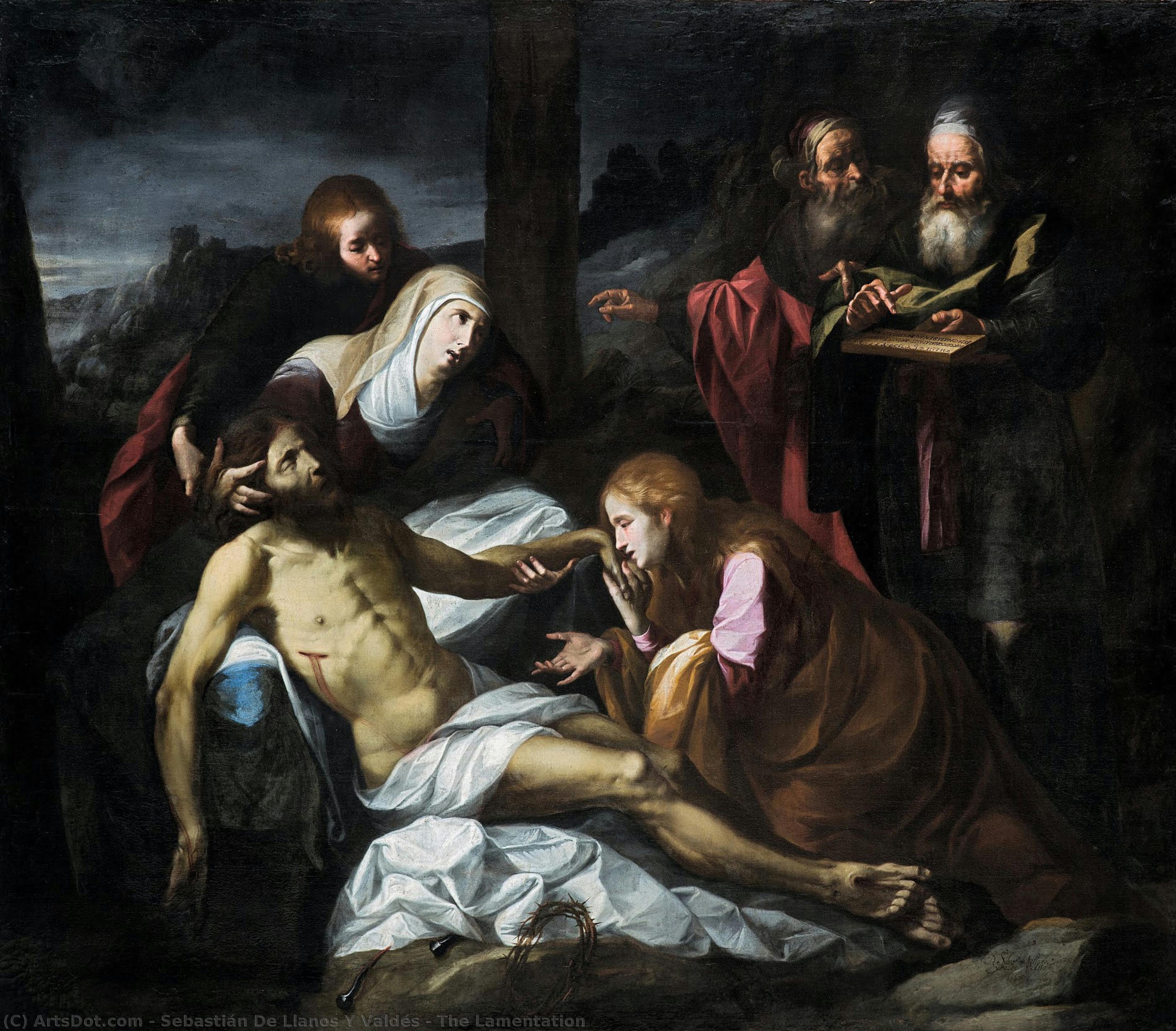
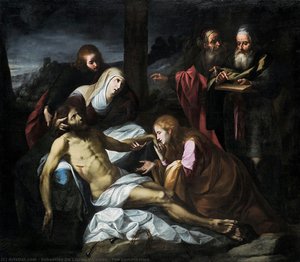
The Lamentation
 1667
1667 195.0 x 235.0 cm
 Museo de Arte de Ponce
 詳細を見る
詳細を見る
オンラインプレビューをはるかに凌ぐ、高解像度で鮮明なデジタル画像をご購入いただけます。
各ファイルは、社内の専門家が高度なツールと熟練した手作業によるレタッチを用いて、細心の注意を払って準備されています。すべての画像において、卓越した鮮明度、正確な色彩再現性、そして繊細なディテールを保証いたします。
最終ファイルは、プロフェッショナルな編集・印刷環境ですぐにご利用いただけるよう最適化された状態で、72時間以内にメールにてお届けいたします。これは、一流のデザインスタジオ、出版社、ギャラリーから信頼されているものと同等の品質です。
デジタル画像のご注文に付随する特典
高品質なデジタル画像配信を、確かな品質で。
ArtsDot.com を選ぶことは、単に画像を手に入れることではありません。それは、プロの手によって精密に仕上げられ、満足保証が付いた高品質なデジタルアートワークを受け取ることを意味します。ご注文いただいた際に自動的に付随する内容は、以下の通りです:

メールですぐにお届け
ご注文から72時間以内に、高解像度のデジタル画像ファイルがメールでお手元に届きます。すぐにそのままご利用いただけます。

AI技術で最適化されたデジタルファイル
お客様の作品は、高度なAIツールと専門家による手作業の編集を組み合わせてプロフェッショナルに最適化されており、細部のディテール、鮮明さ、そして正確な色再現性を最大限に引き出しています。

一生涯無料の再送サービス
ファイルを誤って削除したり、紛失してしまったりしましたか?ご安心ください。いつでも無料で再送いたします。

輸入手数料は一切かかりません
関税や手数料、配送料を気にすることなく、お気に入りのアートワークをすぐにお楽しみいただけます。デジタルダウンロードは常に免税です。

色彩再現の保証
プロ仕様のツールとカラーマネジメント技術を用いることで、デジタル画像が元の色を最大限に忠実に再現することを保証いたします。

100日間満足保証
ご購入いただいたデジタル画像にご満足いただけない場合は、100日以内であれば、修正または100%の返金(理由を問う必要はありません)をさせていただきます。

100% 返金保証
ご満足いただけない場合は、デジタルファイルを受け取ってから100日以内であれば、理由を問わず全額返金いたします。

まとめ買い割引
3枚購入で10%OFF - 5枚購入で15%OFF - 10枚以上購入で20%OFF。クリエイティブなプロジェクト、ギャラリー、エージェンシーに最適です。
関連作品




作家の略歴
The Master of Seville: The Life and Legacy of Sebastián de Llanos y Valdés
In the vibrant, sun-drenched streets of seventeenth-century Seville, a period defined by the dramatic intensity of the Spanish Baroque, the name Sebastián de Llanos y Valdés resonates with the profound gravity of a true master. Born around 1605, Llanos emerged from the heart of Andalusia, a region then pulsating with religious fervor and artistic innovation. His early years were shaped by the rigorous traditions of the Sevillian school, and he found his formative guidance under the tutelage of the formidable Francisco Herrera the Elder. To study under Herrera was to embrace a style marked by vigorous brushwork and a certain raw, expressive energy—a foundation that would allow Llanadamente to navigate the complexities of light and shadow with unparalleled grace.
The life of Llanos was not merely one of quiet contemplation in a studio; it was a life lived amidst the turbulent passions of his era. History whispers of a man of character and resilience, noting even a dramatic encounter where he was wounded in a duel by the equally tempestuous artist Alonso Cano. Such anecdotes paint a portrait of an artist deeply embedded in the social and often volatile fabric of the Sevillian art community. Yet, despite these personal storms, his professional trajectory was marked by stability and immense respect. He moved beyond the role of a mere pupil to become a pillar of the artistic establishment, working extensively for private patrons who sought the spiritual depth and technical precision that only he could provide.
A Pillar of the Academy and Artistic Innovation
Beyond his individual canvases, Llanos played a pivotal role in the institutionalization of art in Spain. His commitment to the future of his craft was most visibly demonstrated through his collaboration with the legendary Bartolomé Esteban Murillo. In 1660, Llanos stood as a vital supporter in the founding of the Academia de Bellas and Artes (Academy of Art). His devotion to this institution went far beyond mere membership; he was a generous benefactor, frequently donating precious oils and essential materials to ensure that the next generation of students had the tools to flourish. This spirit of mentorship and communal growth saw him elected as the President of the Academy three times, specifically in 1666 and for two subsequent years, cementing his status as a leader of the Sevillian Baroque.
His technical evolution is best observed through the religious subjects that defined his oeuvre. Llanos possessed a remarkable ability to marry the dramatic chiaroscuro inherited from Herrera with a more refined, devotional tenderness. His works were not merely depictions of sacred events but were intended as conduits for prayer and contemplation. Notable among his achievements are:
- The Virgin of the Rosary: A breathtaking composition adored by both angels and patrons, created specifically for the College of San Tomas in Seville, showcasing his ability to evoke divine grace through soft light and delicate textures.
- The Magdalen: A profound work executed for the Convent Recoletas in Madrid, which demonstrates his mastery of psychological depth and the portrayal of penitence.
- The Lamentation: A poignant exploration of grief and human vulnerability, utilizing the dramatic contrasts characteristic of the Spanish Baroque to stir the emotions of the faithful.
Historical Significance and the Baroque Spirit
The historical significance of Sebastián de Llanos y Valdés lies in his role as a bridge between the rugged, early Baroque styles of the late sixteenth century and the more polished, lyrical period epitomized by Murillo. He carried the torch of Herrera’s expressive power while nurturing the institutional structures that allowed Spanish art to achieve international prestige. His life, spanning from the dawn of the seventeenth century until his death in 1677, encapsulates the very essence of the Spanish Golden Age—a period where art served as the ultimate language of faith, power, and human emotion.
Today, when we look upon the remnants of his work, we see more than just paint on canvas; we see the enduring legacy of a man who helped shape the visual identity of Seville. Through his patronage, his leadership in the Academy, and his profound religious imagery, Llanos ensured that the shadows and lights of the Baroque would continue to illuminate the halls of art history for centuries to come.
sebastián de llanos y valdés
1677 , Spain