

 プレビュー
プレビュー
 シェアする
シェアする シェアする
シェアする
 詳細を見る
詳細を見る

 ダウンロード
 似ている作品
 X線調査
X線調査 スライドショー
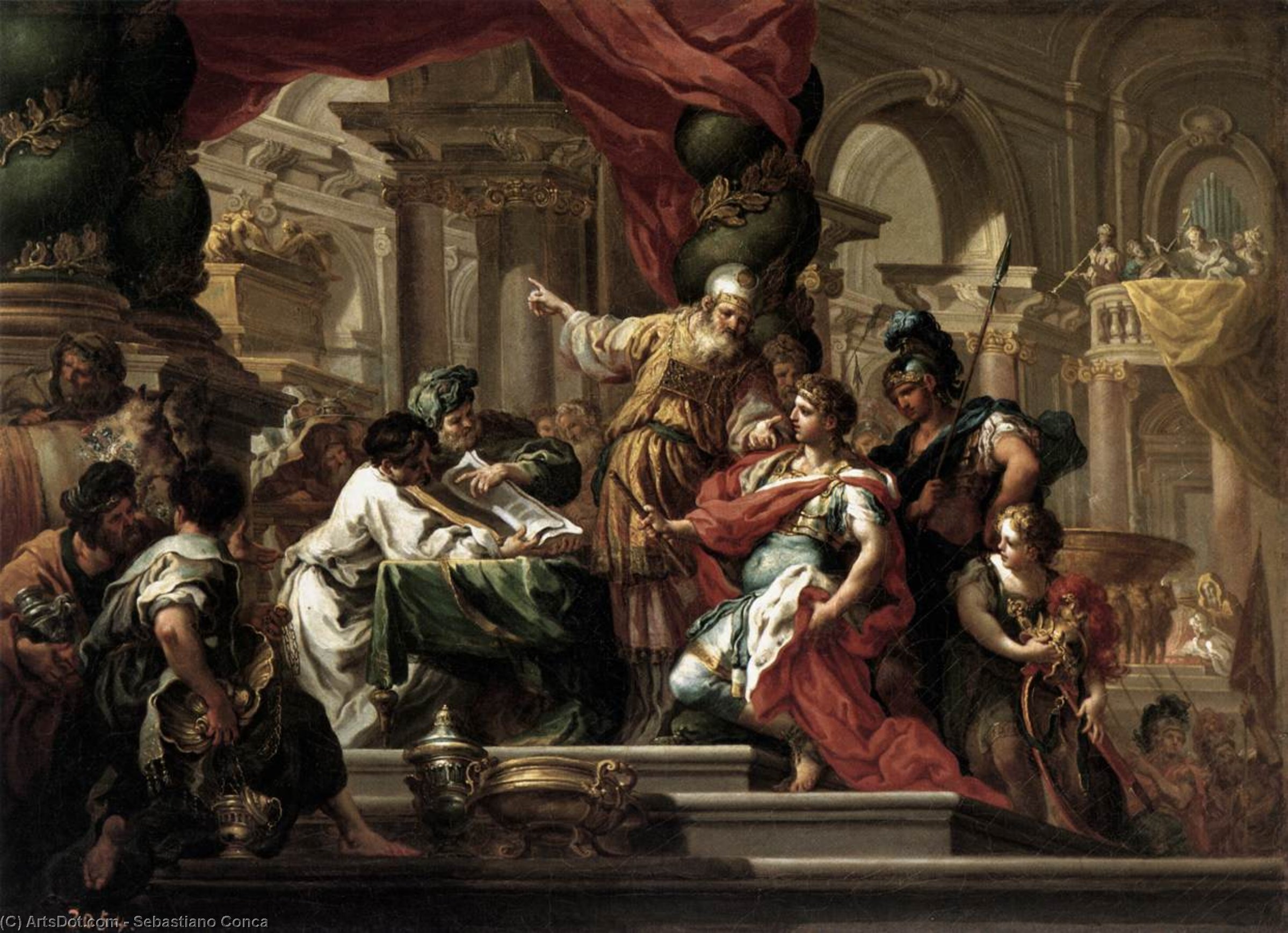
Alexander the Great in the Temple of Jerusalem
 Oil On Canvas
- WallArt
- Baroque Dramatic Composition
 1735
1735 52.0 x 70.0 cm
 プラド美術館
 詳細を見る
詳細を見る
ジークレー/アートプリント
迅速な制作と多彩な仕上げオプションを備えた、ミュージアムクオリティのジークレーまたはキャンバスプリント。 ( 手描きの絵画を購入 画像を購入)




P118B $10

P118H $10

P118W $10

P438Z $10

P508JH $12

P508YH $12

P805H $10

P805Z $10

P919BZ $10

P919G $10

P919XJ $10

P959ZH $10

P968JZ $12

W106C $8

W218G $10

W218JH $8

W218Y $10

W307PJ $10

W316G $10

W316PJ $8

W316Y $10

W398PJ $8

W4111J $10

W500HY $15

W500JH $15

W692G $12

W849H $8

W940BG $15

W953PJ $8




作品のオリジナル比率に合わせた、当店の規定サイズからお選びください。

特定のフレームやスペースに合わせて、ご自身でサイズを指定することも可能です。選択されたサイズが元の画像の比率と一致しない場合、作品をトリミングするか、鏡面反射または単色での塗りつぶしによって画像を拡張いたします。制作を開始する前に、ご確認用のデジタルモックアップをお送りいたします。
画面上のプレビューには、実際のトリミングや拡張は反映されませんのでご注意ください。最終的な構図を正確に確認できるのは、モックアップのみとなります。
カスタムサイズも承っておりますが、元の比率を維持するためには、あらかじめ用意されたリストからサイズを選択することをお勧めいたします。


 ガラスオプションは、110cm未満のサイズでのみご利用いただけます。

Alexander the Great in the Temple of Jerusalem
ジークレー/アートプリント
複製画のサイズ
-


合計金額
$ 62
作品詳細説明
Sebastiano Conca’s Vision of Enlightenment
The canvas before you holds a captivating tableau—Alexander the Great in the Temple of Jerusalem—a monumental oil painting executed by Sebastiano Conca in 1735. More than just a depiction of historical grandeur, it represents a pivotal moment in artistic evolution, bridging the stylistic divide between the Baroque’s dramatic fervor and the Rococo’s playful elegance.
A Baroque Legacy Refined
Conca's formative years were spent under the tutelage of Francesco Solimena, arguably Naples’s most celebrated Baroque painter. This apprenticeship instilled in him a profound understanding of Baroque aesthetics: theatrical compositions emphasizing diagonal lines and dynamic movement; opulent color palettes saturated with reds, golds, and blues—colors designed to inspire awe and convey spiritual fervor. However, Conca wasn't merely replicating Solimena’s style; he skillfully adapted it, tempering its intensity with subtle nuances that foreshadowed the Rococo’s emphasis on grace and ornamentation.
The Temple as Symbol of Contestation
The scene itself is fraught with symbolic significance. Alexander’s presence within Jerusalem—a city sacred to Judaism—represents a clash between imperial ambition and religious conviction. The temple, depicted in meticulous detail, embodies Jewish faith and tradition, contrasted against the imposing figure of Alexander, symbolizing Hellenistic power and cultural dominance. Conca's masterful rendering captures this tension with remarkable precision.
Technique and Detail: Baroque Precision
Conca’s technique exemplifies Baroque craftsmanship. He employed a layering method—glazes applied over glazes—to achieve luminous surfaces and create depth of field, characteristic of the era. Observe the painstaking attention to detail—the folds of Alexander's robes rendered with astonishing realism; the intricate carvings adorning the temple walls; the expressions on the faces of the figures surrounding the table—each element contributing to the overall dramatic effect.
Emotional Resonance: A Moment Frozen in Time
Ultimately, Conca’s painting transcends mere historical record. It evokes a powerful emotional response—a sense of wonder mingled with apprehension. The artist captures not only the visual spectacle but also the psychological drama unfolding within the frame, inviting viewers to contemplate the complexities of faith, power, and cultural exchange. This enduring masterpiece continues to inspire admiration for its artistic brilliance and its profound engagement with the spirit of Enlightenment.
- Artist: Sebastiano Conca
- Year: 1735
- Medium: Oil on Canvas
- Location: Museo del Prado, Madrid
関連作品




関連記事
From Grandeur to Grace: Exploring the Evolution of Baroque & Rococo Art
Explore the captivating evolution from Baroque's drama to Rococo's grace! Discover key artists, characteristics & lasting influence of these art movements with expert insights at ArtsDot.

華麗なるロココ:芸術史を彩る10大傑作の世界
華麗なるロココ美術の世界へ。バロックから生まれた優雅な芸術、その10大傑作を徹底解説!ブーシェ、フロマンなど巨匠たちの技と物語を紐解き、お部屋を彩るアートを見つけよう。ArtsDot.comで至高の美術館品質レプリカとインテリアアイデアを発見。

The Rococo Aesthetic: Opulence, Rebellion & the Pursuit of Pleasure in 18th-Century Art
Explore the opulent world of Rococo art! Discover its origins, key artists like Watteau & Boucher, and lasting influence on design. Expert insights for collectors & enthusiasts.
Sebastiano Ricci: Venetian Master of Baroque Illusionism & Rococo Grace
Explore the captivating world of Sebastiano Ricci, a leading Venetian Baroque painter renowned for his luminous frescoes & illusionistic masterpieces. Discover his life, techniques, and lasting influence on art history.
Decoding Baroque Grandeur: A Guide to the Drama and Emotion of 17th-Century Art
Explore the breathtaking drama of 17th-century Baroque art. Our expert guide decodes the use of chiaroscuro, emotional intensity, and historical grandeur to help you appreciate and curate timeless masterpieces for your collection.

