

 プレビュー
プレビュー
 プリントを購入
 シェアする
シェアする シェアする
シェアする
 詳細を見る
詳細を見る

 ダウンロード
 似ている作品
 X線調査
X線調査 スライドショー
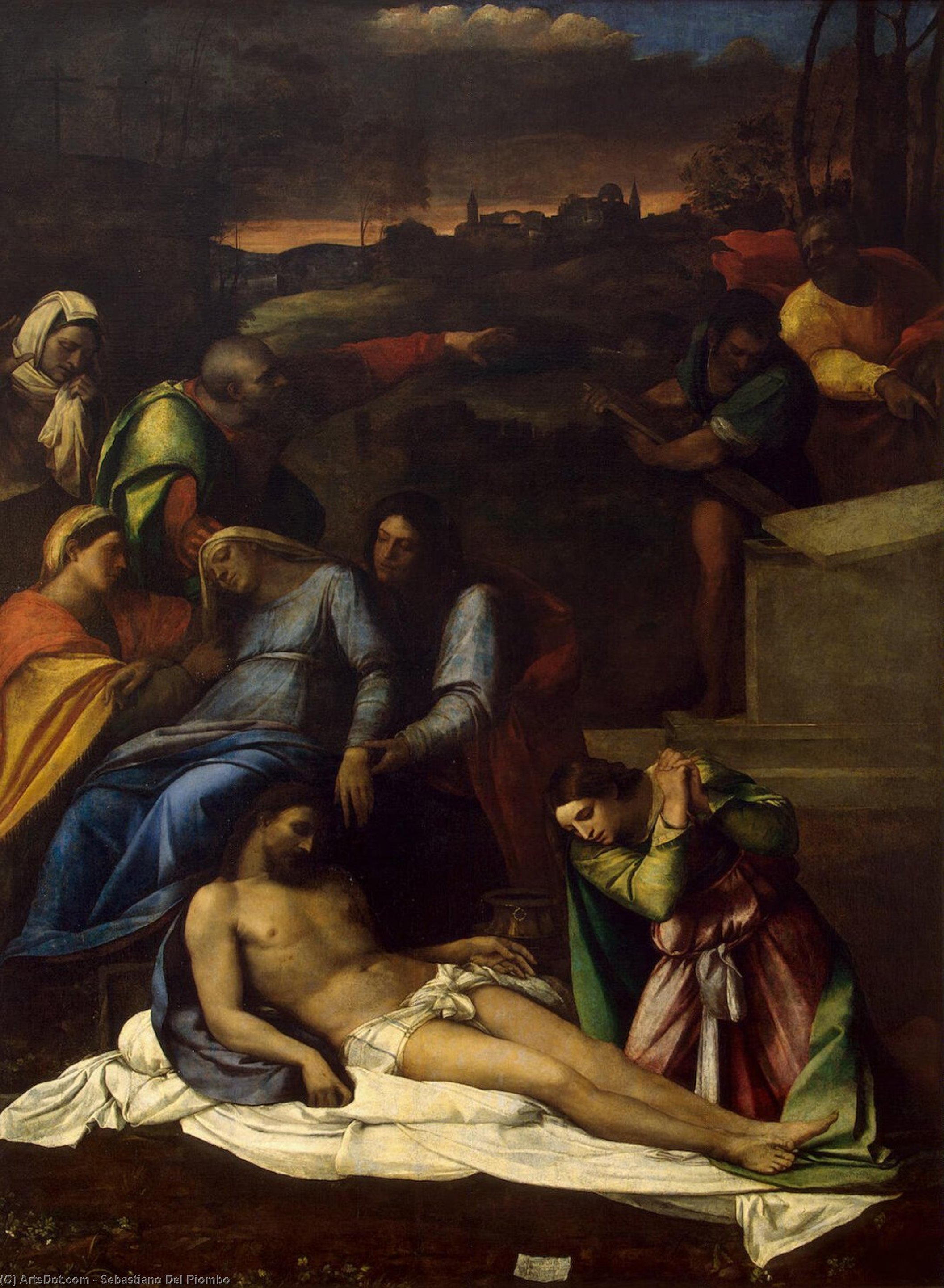
Lamentation of Christ
 Acrylic On Canvas
- WallArt
- High Renaissance
 1516
1516 260.0 x 193.0 cm
 エルミタージュ美術館
 詳細を見る
詳細を見る
オンラインプレビューをはるかに凌ぐ、高解像度で鮮明なデジタル画像をご購入いただけます。
各ファイルは、社内の専門家が高度なツールと熟練した手作業によるレタッチを用いて、細心の注意を払って準備されています。すべての画像において、卓越した鮮明度、正確な色彩再現性、そして繊細なディテールを保証いたします。
最終ファイルは、プロフェッショナルな編集・印刷環境ですぐにご利用いただけるよう最適化された状態で、72時間以内にメールにてお届けいたします。これは、一流のデザインスタジオ、出版社、ギャラリーから信頼されているものと同等の品質です。
デジタル画像のご注文に付随する特典
高品質なデジタル画像配信を、確かな品質で。
ArtsDot.com を選ぶことは、単に画像を手に入れることではありません。それは、プロの手によって精密に仕上げられ、満足保証が付いた高品質なデジタルアートワークを受け取ることを意味します。ご注文いただいた際に自動的に付随する内容は、以下の通りです:

メールですぐにお届け
ご注文から72時間以内に、高解像度のデジタル画像ファイルがメールでお手元に届きます。すぐにそのままご利用いただけます。

AI技術で最適化されたデジタルファイル
お客様の作品は、高度なAIツールと専門家による手作業の編集を組み合わせてプロフェッショナルに最適化されており、細部のディテール、鮮明さ、そして正確な色再現性を最大限に引き出しています。

一生涯無料の再送サービス
ファイルを誤って削除したり、紛失してしまったりしましたか?ご安心ください。いつでも無料で再送いたします。

輸入手数料は一切かかりません
関税や手数料、配送料を気にすることなく、お気に入りのアートワークをすぐにお楽しみいただけます。デジタルダウンロードは常に免税です。

色彩再現の保証
プロ仕様のツールとカラーマネジメント技術を用いることで、デジタル画像が元の色を最大限に忠実に再現することを保証いたします。

60日間満足保証
ご購入いただいたデジタル画像にご満足いただけない場合は、60日以内であれば、修正または100%の返金(理由を問う必要はありません)をさせていただきます。

100% 返金保証
ご満足いただけない場合は、デジタルファイルを受け取ってから60日以内であれば、理由を問わず全額返金いたします。

まとめ買い割引
3枚購入で10%OFF - 5枚購入で15%OFF - 10枚以上購入で20%OFF。クリエイティブなプロジェクト、ギャラリー、エージェンシーに最適です。
作品の詳細
The Weight of Sorrow: Sebastiano del Piombo’s Lamentation of Christ
Sebastiano del Piombo's 1516 “Lamentation of Christ” isn’t merely a depiction of grief; it’s a profound meditation on loss, faith, and the enduring mystery of sacrifice. Painted in the heart of Rome during a period of intense artistic rivalry – notably with Michelangelo himself – this monumental work transcends its religious subject matter to become a powerful exploration of human emotion rendered through a uniquely Venetian lens. The painting immediately commands attention not just for its scale (a commanding 260 x 193 cm) but for the unsettling stillness and dramatic interplay of figures within its dark, evocative space.
Del Piombo, a Venetian expatriate who had spent formative years studying under Giovanni Bellini and Giorgione, brought to Rome a distinctly Venetian sensibility – a vibrant use of color, atmospheric perspective, and a poetic approach to composition. This is evident in the rich, earthy palette dominated by browns, ochres, and deep reds, creating an atmosphere of somber contemplation. Unlike the more idealized depictions common at the time, Del Piombo’s Christ possesses a palpable physicality, his body rendered with a startling realism that emphasizes the brutal reality of his suffering. The stark contrast between the dark background – hinting at a ruined cityscape, perhaps a symbolic representation of fallen Rome – and the luminous flesh of the deceased Christ amplifies the emotional impact.
A Composition of Contrasts: Mary’s Silent Grief
The most striking element of the “Lamentation” is undoubtedly the figure of Mary. She isn't consumed by outward displays of sorrow; instead, she stands in a state of profound, almost detached contemplation. Her gaze is directed upwards, seemingly lost in prayer or perhaps wrestling with an understanding far beyond mere grief. This deliberate restraint – a departure from the more overtly emotional portrayals prevalent at the time – elevates the painting to a level of psychological complexity. Her posture and attire subtly suggest a transition, a shift into something greater than earthly sorrow; she is not simply mourning her son but perhaps witnessing his ascension.
The other figures surrounding Christ—John the Apostle, Mary Magdalene, and Joseph of Arimathea—are rendered with varying degrees of intensity. John’s posture conveys a palpable sense of anguish, while Mary Magdalene’s grief is more immediate and visceral. The positioning of these figures creates a dynamic yet carefully controlled composition, drawing the viewer's eye through the scene and emphasizing the central drama of Christ’s death.
Symbolism and the Venetian Legacy
Del Piombo’s work is deeply rooted in Venetian artistic traditions, particularly the influence of Giorgione. The atmospheric perspective, creating a sense of depth and distance, echoes Giorgione's masterful use of light and shadow. Furthermore, the painting subtly incorporates classical motifs – the reclining figure of Christ reminiscent of Roman sculpture—demonstrating Del Piombo’s commitment to both Venetian colorism and Roman grandeur. The inclusion of architectural elements in the background, hinting at a ruined basilica, adds another layer of symbolic meaning, suggesting the fall of empires and the enduring power of faith.
Interestingly, the painting's composition—with Christ lying prone and Mary elevated above him—reflects a shift in artistic convention. It moves away from the more traditional depictions of the dead Christ as a passive object of mourning towards a portrayal that emphasizes the active role of the Virgin Mary in her grief and contemplation. This subtle yet significant change reflects the evolving religious and philosophical landscape of Renaissance Italy.
A Timeless Meditation on Loss
The “Lamentation of Christ” by Sebastiano del Piombo is more than just a historical artwork; it’s a deeply moving meditation on loss, faith, and the human condition. Its haunting beauty, coupled with its psychological complexity and masterful technique, continues to resonate with viewers centuries after its creation. It serves as a poignant reminder of the enduring power of art to capture the most profound emotions and explore the mysteries of life and death. Reproductions of this powerful image offer a window into the heart of the Renaissance, inviting contemplation and sparking dialogue about faith, grief, and the legacy of Christ.
関連作品

作家の略歴
ローマの壮麗さに宿るヴェネツィアの魂
1485年頃、光り輝くヴェネツィアの中心部でセバスティアーノ・ルチアーニとして生まれたセバスティアーノ・デル・ピオンボは、盛期ルネサンスにおいて、独特かつしばしば謎めいた地位を占めています。彼の物語は、即座に芸術的な名声を得た軌跡ではなく、適応と移住、そして最終的にはヴェネツィア的な色彩主義とローマ的な形態の重厚な威厳を見事に融合させた、抗いがたい魅力を持つ旅路なのです。幼少期から進むべき道が明確であった多くの同時代人とは異なり、セバスティウムの絵画への道はいくぶん遅れて始まりました。当初は音楽に惹かれ、リュート奏者として優れた才能を発揮していましたが、キャンバスに真剣に向き合うようになったのは10代後半から20代に入ってからのことでした。ヴェネツィアで過ごしたこの形成期が、豊かな色彩、空気遠近法、そして詩的な感性への不変の愛を彼の中に植え付けました。これらの要素は、ローマに移住した後も彼のスタイルの象徴であり続けました。ジョルジョーネの深い影響は、未完成の作品『ソロモンの審判』のような初期の作例に顕著に表れています。劇的な物語性に満ち、革新的な構図を見せるその作品は、これから開花しようとする彼の芸術的ポテンシャルを予感させます。ヴェネツィアからローマ芸術の核心へ
1511年は、セバスティアーノのキャリアにおける決定的な転換点となりました。彼は、教皇ユリウス2世とレオ10世の庇護のもと、芸術的エネルギーが脈動していた都市、ローマへと旅立ったのです。この移動により、彼は全盛期を迎えていたラファエロの工房の圏内に入り、やがてミケランジェロを取り巻く複雑な世界へと足を踏み入れることになります。驚くべきことに、これら巨匠たちの影に隠れてしまった他の芸術家たちとは異なり、セバスティアーノは自らの地位を築き上げることに成功しました。彼は、極めて批判的であったミケランジェロ自身から敬意を、そして時には激励さえも勝ち取ったのです。二人の巨匠は、壮大さと解剖学的な正確さを追求する姿勢において、互いに類まれな精神の共鳴を見出していました。ミケランバーロはセバスティアーノの仕事を積極的に支持し、権威ある依頼をめぐってラファエロと競うよう彼を促しました。このライバル関係は、ヴァザーリによって誇張された側面もあるかもしれませんが、間違いなくセバスティアーノの野心を燃え上がらせ、彼の名声を高める要因となりました。ヴィッラ・ファルネジーナのフレスコ画、特に『ポリュフェモス』などの初期のローマ作品には、古典的なモチーフの見事な吸収と、大規模な構図を扱う自信の高まりが見て取れます。彼はヴェネツィア的な感性と新しい環境の要求を融合させ、ローマの芸術界における有力な存在へと急速に成長していったのです。様式の融合:比類なき芸術的ヴィジョン
セバスティアーノ・デル・ピオンボの芸術的天才性は、ヴェネツィアとローマという、一見すると相容れない伝統を調和させる能力にありました。ジョルゴーネやティツィアーノから受け継いだ、色彩、光、質感に重点を置くヴェネツィア派の伝統に深く根ざしながらも、彼は記念碑的な形態、解剖学的な正確さ、そして劇的な物語性を重視するローマ的な志向を受け入れました。この融合は、ナボンの大聖堂のために制作され、現在はロンドンのナショナル・ギャラリーに収蔵されている力強い祭壇画『ラザロの復活』において、鮮烈に示されています。この絵画は、光り輝く肌のトーンと豊かな衣の質感を生み出す油彩技法の卓越した支配力を示す一方で、描かれた人物像そのものはミケランジェロットスモを彷彿とさせる彫刻的な堅牢さを備えています。この独自のブレンドは彼を同時代人から際立たせ、1520年のラファエロの早すぎる死の後、ローマ芸術における主要な人物としての地位を確立させました。彼は単なる模倣者ではありませんでした。ヴェネツィア的な官能性とローマ的な重厚さが、いかに一つのキャンバスの上で調和して共存し得るかを証明し、新たな道を切り拓いたのです。『ラザロの復活』は、これら相反する力を、一貫性のある感情豊かな全体像へと統合した彼の能力の証として、今なお燦然と輝いています。晩年と不朽の遺産
セバスティアーノの人生の後半は、1531年に教皇庁の印章守(ピオンバトーレ)に任命されたことで、予期せぬ展開を迎えます。この名誉ある、しかし極めて多忙な職務は、彼に教皇の行政任務への従事を強いたため、彼の芸術活動を大幅に制限することとなりました。経済的には安定したものの、公務の責任は彼を絵画から遠ざけ、後年の作品数は減少していきました。肖像画を中心に依頼を受け続けることはありましたが、初期の時代に見られた情熱や革新性は、どこか控えめになったように見受けられます。こうした生産性の低下にもかかわらず、セバスリートは1547年に没するまで、ローマの芸術界において尊敬される人物であり続けました。しかし、彼の及ぼした影響力は、ラファエロやミケランジェロほど広範なものにはなりませんでした。これは、多くの弟子を抱えなかったことや、ルネサンス期に芸術家のスタイルを広めるための一般的な手法であった版画を通じた作品の普及が限られていたことが一因です。それでもなお、セバスティアーノ・デル・ピオンボの遺産は、芸術的な統合の力、そしてローマの記念碑性と結びついたヴェネツィア的色彩の永遠の魅力の証として、今もなお受け継がれています。主な作品
- 三人の哲学者(ジョルジョーネとの共作):初期の影響を物語る共同制作の傑作。
- ポリュフェモス:ヴィッラ・ファルネジーナのフレスコ画。古典的な様式と見事な細部描写を示す。
- モーセの律法の十戒受領:キャンバスに描かれた油彩の熟練技法と劇的な構図を披露。
- ラザロの復活:ヴェネツィアの色彩とローマの形態が融合した、力強い祭壇画。
- 聖セバスティアーノ:人間の感情を描き出す技術を示す、情緒豊かな聖人の描写。
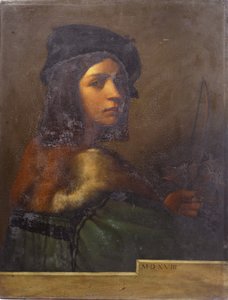
セバスティアーノ・デル・ピオンボ
1485 - 1547 , イタリア
プロフィール概要
- Artistic Movement Or Style: 盛期ルネサンス、マニエリスム
- Artists Who Influenced This Artist:
- ジョヴァンニ・ベッリーニ
- ジョルジョーネ
- ラファエロ
- ミケランジェロ
- Date Of Birth: 1485年頃
- Date Of Death: 1547年
- Full Name: セバスティアーノ・デル・ピオンボ
- Nationality: イタリア
- Notable Artworks:
- ラザロの復活
- ポリュフェモス
- モーセの十戒受領
- 三人の哲学者
- Place Of Birth: イタリア、ヴェネツィア

