

 プレビュー
プレビュー
 プリントを購入
 シェアする
シェアする シェアする
シェアする
 詳細を見る
詳細を見る

 ダウンロード
 似ている作品
 X線調査
X線調査 スライドショー
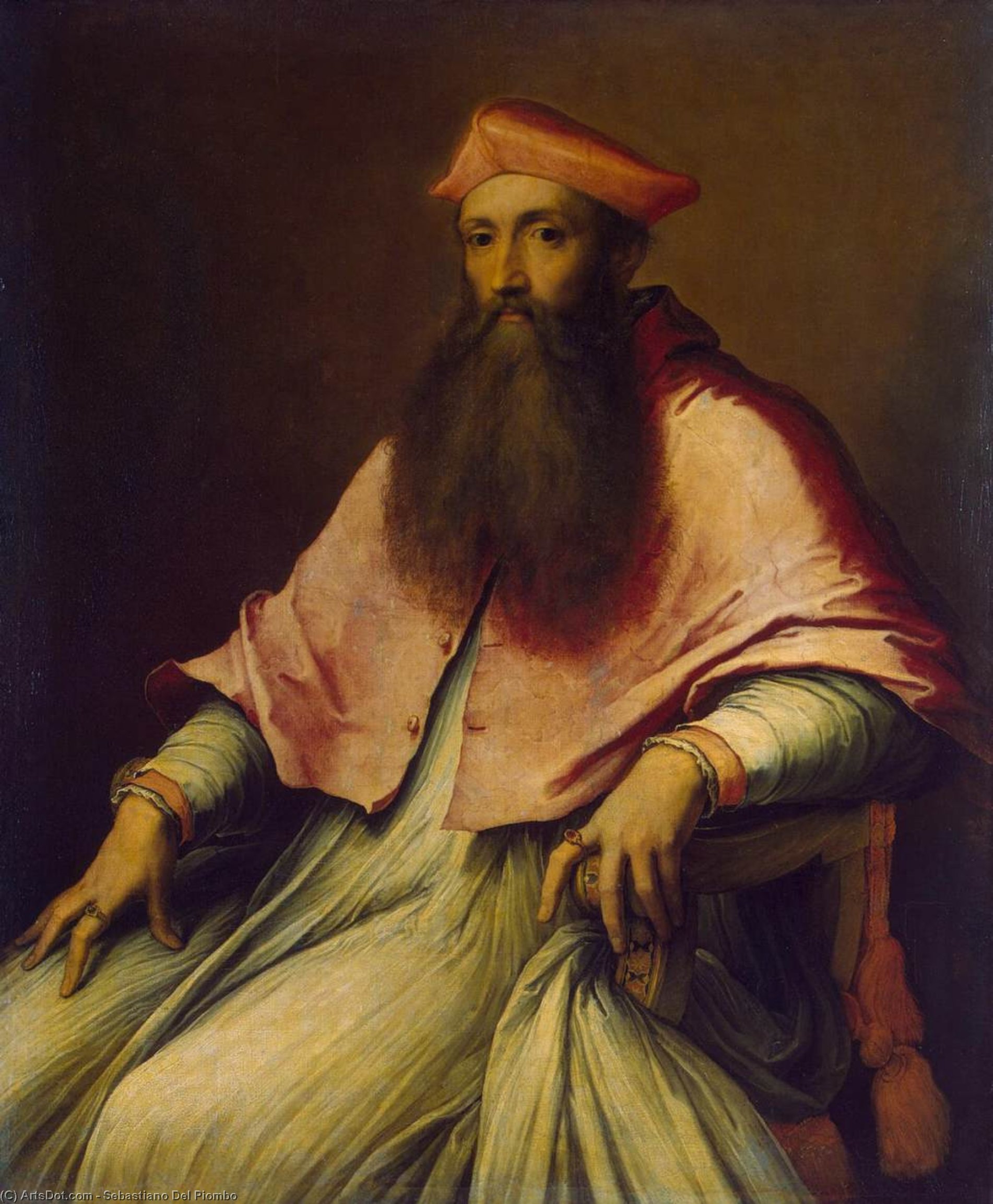
Portrait of Cardinal Reginald Pole
 Acrylic On Canvas
- WallArt
- Mannerism
 1540
1540 112.0 x 95.0 cm
 エルミタージュ美術館
 詳細を見る
詳細を見る




P118B $10

P118H $10

P118W $10

P438Z $10

P508JH $12

P508YH $12

P805H $10

P805Z $10

P919BZ $10

P919G $10

P919XJ $10

P959ZH $10

P968JZ $12

W106C $8

W218G $10

W218JH $8

W218Y $10

W307PJ $10

W316G $10

W316PJ $8

W316Y $10

W398PJ $8

W4111J $10

W500HY $15

W500JH $15

W692G $12

W849H $8

W940BG $15

W953PJ $8




作品のオリジナル比率に合わせた、当店の規定サイズからお選びください。

特定のフレームやスペースに合わせて、ご希望のサイズをご入力いただけます。選択されたサイズが元の画像の比率と異なる場合、アートワークをトリミングするか、手描きで要素を追加して絵画を拡張いたします。デジタルモックアップ を制作し、制作開始前にご確認(承認)をいただきます。
画面上のプレビューは、実際のトリミングや拡張を正確に反映しているものではありません。最終的な構図は、モックアップによってのみ正確にご確認いただけます。
カスタムサイズもご利用いただけますが、元の比率を維持するためには、あらかじめ用意されたリストからサイズを選択することをお勧めいたします。
ご注文後、ArtsDot.com チームより詳細な指示をお送りするとともに、仕上がりイメージ(モックアップ)をご提供いたします。


 ガラスオプションは、110cm未満のサイズでのみご利用いただけます。

Portrait of Cardinal Reginald Pole
複製技法
複製画のサイズ
-


合計金額
$ 263
作品解説
A Vision in Crimson: Unveiling Sebastiano del Piombo’s Portrait of Cardinal Pole
Sebastiano del Piombo's “Portrait of Cardinal Reginald Pole,” painted around 1540, is not merely a likeness; it’s an immersive experience. This arresting depiction transcends the conventions of portraiture, plunging the viewer into a world of profound contemplation and subtle power. The painting immediately commands attention with its dominant use of rich crimson – a color historically associated with both royalty and piety – enveloping the Cardinal in a cloak that seems to absorb and reflect the light itself. Del Piombo’s genius lies not just in his technical skill, but in his ability to imbue the subject with an aura of dignified solemnity, hinting at the weighty responsibilities borne by this prominent figure of the era.
The composition is carefully orchestrated. The Cardinal, seated within a richly draped chair that anchors him firmly to the earthly realm, appears both imposing and vulnerable. His gaze, direct and unwavering, draws the viewer into an intimate dialogue. Notice the meticulous detail in his hands – clasped together, they speak of authority and restraint. The subtle folds of his robe, rendered with remarkable realism, suggest a man accustomed to luxury and power, yet simultaneously imbued with a quiet dignity.
Mannerism’s Embrace: Style and Technique
Del Piombo's work firmly resides within the Mannerist movement, a period characterized by a deliberate departure from the idealized beauty of the High Renaissance. Rather than striving for perfect harmony or balanced proportions, he embraced distortion, exaggeration, and an intense emotionalism. This is evident in the subtly elongated features of the Cardinal – a characteristic trait of Mannerist portraiture – and the dramatic use of light and shadow, creating a sense of depth and atmosphere that feels almost theatrical. The artist’s brushwork is loose and expressive, contributing to the painting's overall dynamism.
The palette itself is a testament to Del Piombo’s Venetian training. He masterfully employs color to evoke mood and texture, layering hues with remarkable subtlety. The deep reds are juxtaposed against muted browns and golds, creating a visual richness that is both captivating and unsettling. The background, rendered in a hazy, atmospheric style, further enhances the sense of depth and mystery.
A Cardinal’s Role: Historical Context
Painted during a period of intense religious upheaval – the Reformation was gaining momentum across Europe – the portrait offers a glimpse into the complex political landscape of 16th-century England. Reginald Pole, as the last Catholic Archbishop of Canterbury, played a pivotal role in attempting to preserve Catholicism within the English Church. His position demanded both unwavering faith and astute diplomacy, qualities subtly conveyed through his stoic expression and commanding presence. The inclusion of the clock above him is symbolic; time was of the essence for the Cardinal and England’s religious future.
Del Piombo's association with figures like Pietro Bembo and Gianpietro Carafa – both prominent reformers – suggests a nuanced perspective on the era’s shifting allegiances. While Pole represented the Catholic cause, Del Piombo himself navigated between Venetian artistic traditions and the burgeoning influence of Roman Mannerism, reflecting the broader currents of cultural change.
Echoes of Majesty: Symbolism and Emotional Resonance
Beyond its historical significance, “Portrait of Cardinal Reginald Pole” resonates with a profound emotional depth. The painting’s somber tones and contemplative subject matter evoke a sense of melancholy and introspection. The Cardinal's gaze invites us to contemplate the burdens of leadership, the complexities of faith, and the enduring legacy of power. It is a portrait that lingers in the memory long after it has been viewed, prompting reflection on themes of duty, sacrifice, and the human condition.
関連作品
アーティストの略歴
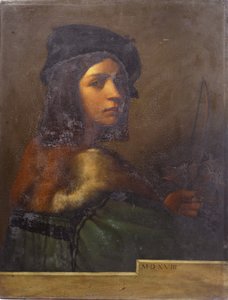
ローマの壮麗さに宿るヴェネツィアの魂
1485年頃、光り輝くヴェネツィアの中心部でセバスティアーノ・ルチアーニとして生まれたセバスティアーノ・デル・ピオンボは、盛期ルネサンスにおいて、独特かつしばしば謎めいた地位を占めています。彼の物語は、即座に芸術的な名声を得た軌跡ではなく、適応と移住、そして最終的にはヴェネツィア的な色彩主義とローマ的な形態の重厚な威厳を見事に融合させた、抗いがたい魅力を持つ旅路なのです。幼少期から進むべき道が明確であった多くの同時代人とは異なり、セバスティウムの絵画への道はいくぶん遅れて始まりました。当初は音楽に惹かれ、リュート奏者として優れた才能を発揮していましたが、キャンバスに真剣に向き合うようになったのは10代後半から20代に入ってからのことでした。ヴェネツィアで過ごしたこの形成期が、豊かな色彩、空気遠近法、そして詩的な感性への不変の愛を彼の中に植え付けました。これらの要素は、ローマに移住した後も彼のスタイルの象徴であり続けました。ジョルジョーネの深い影響は、未完成の作品『ソロモンの審判』のような初期の作例に顕著に表れています。劇的な物語性に満ち、革新的な構図を見せるその作品は、これから開花しようとする彼の芸術的ポテンシャルを予感させます。ヴェネツィアからローマ芸術の核心へ
1511年は、セバスティアーノのキャリアにおける決定的な転換点となりました。彼は、教皇ユリウス2世とレオ10世の庇護のもと、芸術的エネルギーが脈動していた都市、ローマへと旅立ったのです。この移動により、彼は全盛期を迎えていたラファエロの工房の圏内に入り、やがてミケランジェロを取り巻く複雑な世界へと足を踏み入れることになります。驚くべきことに、これら巨匠たちの影に隠れてしまった他の芸術家たちとは異なり、セバスティアーノは自らの地位を築き上げることに成功しました。彼は、極めて批判的であったミケランジェロ自身から敬意を、そして時には激励さえも勝ち取ったのです。二人の巨匠は、壮大さと解剖学的な正確さを追求する姿勢において、互いに類まれな精神の共鳴を見出していました。ミケランバーロはセバスティアーノの仕事を積極的に支持し、権威ある依頼をめぐってラファエロと競うよう彼を促しました。このライバル関係は、ヴァザーリによって誇張された側面もあるかもしれませんが、間違いなくセバスティアーノの野心を燃え上がらせ、彼の名声を高める要因となりました。ヴィッラ・ファルネジーナのフレスコ画、特に『ポリュフェモス』などの初期のローマ作品には、古典的なモチーフの見事な吸収と、大規模な構図を扱う自信の高まりが見て取れます。彼はヴェネツィア的な感性と新しい環境の要求を融合させ、ローマの芸術界における有力な存在へと急速に成長していったのです。様式の融合:比類なき芸術的ヴィジョン
セバスティアーノ・デル・ピオンボの芸術的天才性は、ヴェネツィアとローマという、一見すると相容れない伝統を調和させる能力にありました。ジョルゴーネやティツィアーノから受け継いだ、色彩、光、質感に重点を置くヴェネツィア派の伝統に深く根ざしながらも、彼は記念碑的な形態、解剖学的な正確さ、そして劇的な物語性を重視するローマ的な志向を受け入れました。この融合は、ナボンの大聖堂のために制作され、現在はロンドンのナショナル・ギャラリーに収蔵されている力強い祭壇画『ラザロの復活』において、鮮烈に示されています。この絵画は、光り輝く肌のトーンと豊かな衣の質感を生み出す油彩技法の卓越した支配力を示す一方で、描かれた人物像そのものはミケランジェロットスモを彷彿とさせる彫刻的な堅牢さを備えています。この独自のブレンドは彼を同時代人から際立たせ、1520年のラファエロの早すぎる死の後、ローマ芸術における主要な人物としての地位を確立させました。彼は単なる模倣者ではありませんでした。ヴェネツィア的な官能性とローマ的な重厚さが、いかに一つのキャンバスの上で調和して共存し得るかを証明し、新たな道を切り拓いたのです。『ラザロの復活』は、これら相反する力を、一貫性のある感情豊かな全体像へと統合した彼の能力の証として、今なお燦然と輝いています。晩年と不朽の遺産
セバスティアーノの人生の後半は、1531年に教皇庁の印章守(ピオンバトーレ)に任命されたことで、予期せぬ展開を迎えます。この名誉ある、しかし極めて多忙な職務は、彼に教皇の行政任務への従事を強いたため、彼の芸術活動を大幅に制限することとなりました。経済的には安定したものの、公務の責任は彼を絵画から遠ざけ、後年の作品数は減少していきました。肖像画を中心に依頼を受け続けることはありましたが、初期の時代に見られた情熱や革新性は、どこか控えめになったように見受けられます。こうした生産性の低下にもかかわらず、セバスリートは1547年に没するまで、ローマの芸術界において尊敬される人物であり続けました。しかし、彼の及ぼした影響力は、ラファエロやミケランジェロほど広範なものにはなりませんでした。これは、多くの弟子を抱えなかったことや、ルネサンス期に芸術家のスタイルを広めるための一般的な手法であった版画を通じた作品の普及が限られていたことが一因です。それでもなお、セバスティアーノ・デル・ピオンボの遺産は、芸術的な統合の力、そしてローマの記念碑性と結びついたヴェネツィア的色彩の永遠の魅力の証として、今もなお受け継がれています。主な作品
- 三人の哲学者(ジョルジョーネとの共作):初期の影響を物語る共同制作の傑作。
- ポリュフェモス:ヴィッラ・ファルネジーナのフレスコ画。古典的な様式と見事な細部描写を示す。
- モーセの律法の十戒受領:キャンバスに描かれた油彩の熟練技法と劇的な構図を披露。
- ラザロの復活:ヴェネツィアの色彩とローマの形態が融合した、力強い祭壇画。
- 聖セバスティアーノ:人間の感情を描き出す技術を示す、情緒豊かな聖人の描写。
セバスティアーノ・デル・ピオンボ
1485 - 1547 , イタリア
基本情報
- Artistic Movement Or Style: 盛期ルネサンス、マニエリスム
- Artists Who Influenced This Artist:
- ジョヴァンニ・ベッリーニ
- ジョルジョーネ
- ラファエロ
- ミケランジェロ
- Date Of Birth: 1485年頃
- Date Of Death: 1547年
- Full Name: セバスティアーノ・デル・ピオンボ
- Nationality: イタリア
- Notable Artworks:
- ラザロの復活
- ポリュフェモス
- モーセの十戒受領
- 三人の哲学者
- Place Of Birth: イタリア、ヴェネツィア
関連記事
Sebastiano del Piombo: Bridging Venetian Colorism & Roman Grand Manner Portraiture
Explore the captivating art of Sebastiano del Piombo, a Renaissance master bridging Venetian colorism & Roman grandeur. Discover his iconic portraits and lasting influence on art history. Learn more at ArtsDot.

ジャコポ・ティンコレット:至高の25選 – ヴェネツィア巨匠のドラマと光の世界 | ArtsDot
ジャコポ・ティンコレットの至高の25選。ドラマと光の世界を彩るヴェネツィア派巨匠の名画を紐解きます。ルネサンス絵画からバロック絵画まで、ArtsDotで高品質な複製画やインテリアアートを見つけましょう。傑作コレクションをオンラインで探求してください。
Sebastiano Ricci: Venetian Master of Baroque Illusionism & Rococo Grace
Explore the captivating world of Sebastiano Ricci, a leading Venetian Baroque painter renowned for his luminous frescoes & illusionistic masterpieces. Discover his life, techniques, and lasting influence on art history.
Andrea del Sarto: Florentine Grace, Technical Mastery & Artistic Ambition
Explore the life & art of Andrea del Sarto, a Florentine Renaissance master renowned for harmonious compositions & technical brilliance. Discover his frescoes, portraits, and lasting influence on art history.
The Golden Light of Innovation: Exploring the Venetian Renaissance Art Movement (1430–1580)
Explore the Golden Age of Venetian art (1430–1580). Discover Giorgione, Titian & Tintoretto's techniques, the 'colorito' revolution, and lasting influence. Expert insights for collectors & enthusiasts.

