

 プレビュー
プレビュー
 プリントを購入
 シェアする
シェアする シェアする
シェアする
 詳細を見る
詳細を見る

 ダウンロード
 似ている作品
 X線調査
X線調査 スライドショー
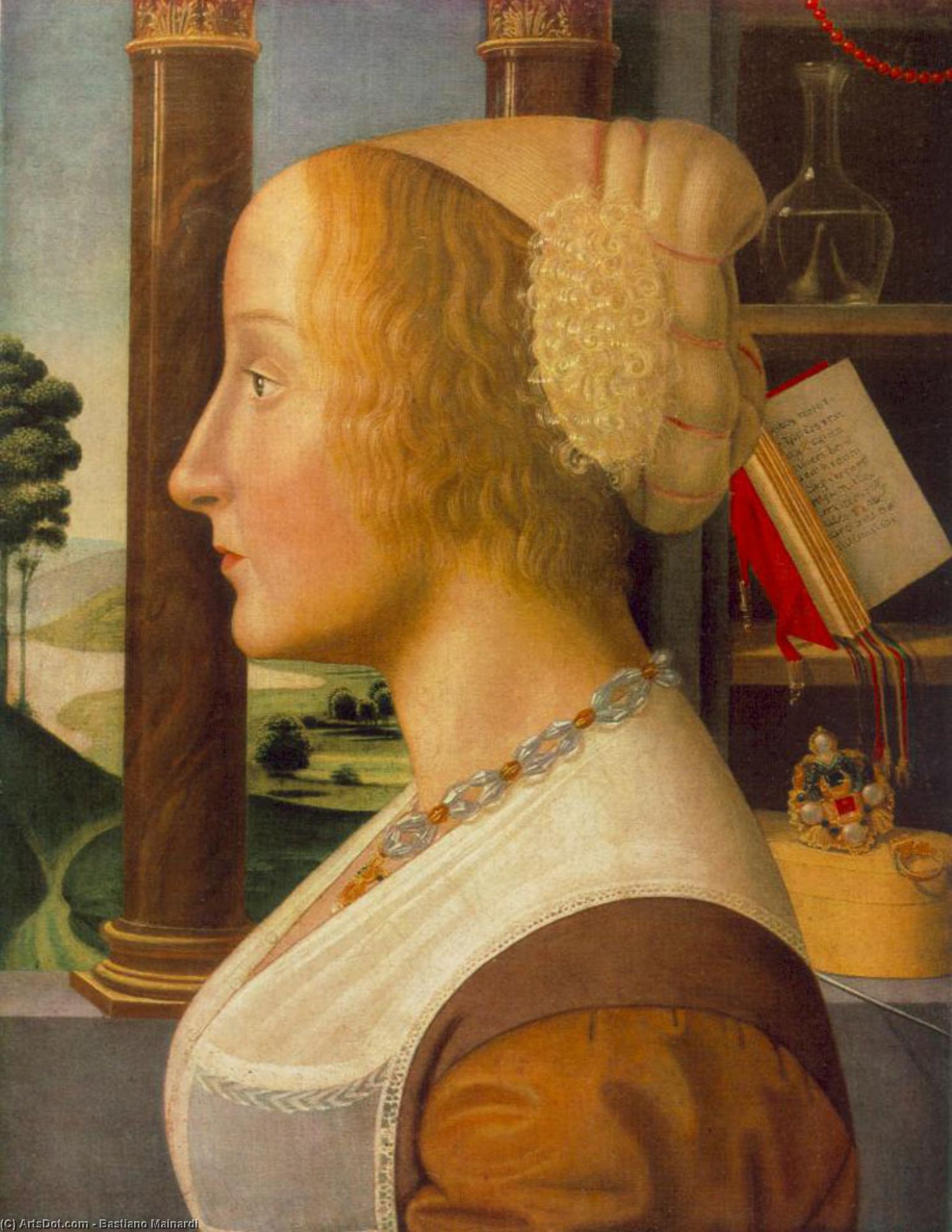
Portrait of a Woman
 Oil
Oil- WallArt
- Renaissance
 Renaissance
 44.0 x 33.0 cm
 国立博物館群
 詳細を見る
詳細を見る




P118B $10

P118H $10

P118W $10

P438Z $10

P508JH $12

P508YH $12

P805H $10

P805Z $10

P919BZ $10

P919G $10

P919XJ $10

P959ZH $10

P968JZ $12

W106C $8

W218G $10

W218JH $8

W218Y $10

W307PJ $10

W316G $10

W316PJ $8

W316Y $10

W398PJ $8

W4111J $10

W500HY $15

W500JH $15

W692G $12

W849H $8

W940BG $15

W953PJ $8




作品のオリジナル比率に合わせた、当店の規定サイズからお選びください。

特定のフレームやスペースに合わせて、ご希望のサイズをご入力いただけます。選択されたサイズが元の画像の比率と異なる場合、アートワークをトリミングするか、手描きで要素を追加して絵画を拡張いたします。デジタルモックアップ を制作し、制作開始前にご確認(承認)をいただきます。
画面上のプレビューは、実際のトリミングや拡張を正確に反映しているものではありません。最終的な構図は、モックアップによってのみ正確にご確認いただけます。
カスタムサイズもご利用いただけますが、元の比率を維持するためには、あらかじめ用意されたリストからサイズを選択することをお勧めいたします。
ご注文後、ArtsDot.com チームより詳細な指示をお送りするとともに、仕上がりイメージ(モックアップ)をご提供いたします。


 ガラスオプションは、110cm未満のサイズでのみご利用いただけます。

Portrait of a Woman
複製技法
複製画のサイズ
-


合計金額
$ 263
A Moment of Quiet Contemplation
In the soft, amber glow of an era defined by intellectual awakening, Sebastiano Mainardi captures a profound moment of stillness in his Portrait of a Woman. This exquisite piece invites the viewer into a private sanctuary, where the boundaries between the internal soul and the external world begin to blur. The subject, a woman of grace and quiet dignity, is depicted with long, flowing brown hair that frames a face caught in a moment of deep introspection. As she gazie toward an unseen window, her expression suggests a mind wandering through distant landscapes or perhaps lost in the very pages of the book she holds. There is a palpable sense of intimacy here, as if we have stumbled upon a secret thought, making this portrait not merely a depiction of a person, but a window into a contemplative state of being.
The composition is a masterclass in the balanced harmony characteristic of the Florentine Renaissance. Mainardi, a pupil of the legendary Domenico Ghirlandaio, utilizes a refined technique that emphasizes clarity and light. The delicate ruffles of her collar and the subtle shimmer of her necklace are rendered with a meticulous attention to texture, drawing the eye to the fine craftsmanship of her attire. Surrounding her is an environment rich with narrative detail; scattered books and carefully placed vessels suggest a life steeped in learning and domestic refinement. This arrangement of objects creates a sense of depth and lived-in reality, where every element—from the shadows cast by the bookshelves to the glint on a glass bottle—contributes to a cohesive, atmospheric whole.
Symbolism and the Renaissance Spirit
Beyond its aesthetic beauty, the painting serves as a poignant symbol of the Renaissance ideal: the marriage of intellect and elegance. The presence of books is far from incidental; they represent the burgeoning humanism of the 15th and 16th centuries, signaling a world where literacy and philosophical inquiry were becoming central to the identity of the cultured individual. The woman’s engagement with literature, paired with her outward gaze, symbolizes the dual nature of the Renaissance spirit—the inward journey of the mind and the outward observation of the natural world. This interplay between the scholarly and the sensory creates a rich tapestry of meaning that continues to resonate with modern viewers.
For the discerning collector or interior designer, this reproduction offers more than just a decorative element; it provides a focal point of historical gravity and emotional depth. The warm, earthy palette and the soft, diffused lighting make it an ideal centerpiece for spaces designed for reflection, such as a private library, a study, or a sophisticated sitting room. To hang this work is to invite a sense of timelessness into a contemporary setting, bridging the gap between the storied past of San Gimignano and the modern pursuit of beauty and tranquility. It is a piece that does not merely occupy space but enriches it, offering a silent, beautiful dialogue with all who encounter it.
関連作品

アーティストの略歴
The Florentine Legacy of Sebastiano Mainardi
In the golden era of the Italian Renaissance, where the light of humanism began to illuminate the shadows of the Middle Ages, Sebastiano Mainardi emerged as a vital, though often understated, voice within the Florentine school. Born in the picturesque hilltop town of San Gimignano around 1460, Mainardi’s artistic journey was deeply rooted in the fertile soil of Tuscany. While history frequently shines its brightest spotlight on the titans of the era, it is through the meticulous work of artists like Mainardi that we truly grasp the cohesive texture of the Florentine Renaissance. His life and career were inextricably linked to the great masters of his time, most notably Domenico Ghirlandaio, whose influence acted as the foundational pillar for Mainardi’s developing style.
The apprenticeship of Mainardi under Ghirlandaio was more than a mere period of training; it was an immersion into a sophisticated visual language characterized by clarity, anatomical precision, and a profound sense of narrative grace. Through this lineage, Mainardi inherited a mastery of fresco technique and a penchant for harmonious color palettes that would define much of his oeuvre. This connection is perhaps most poignantly captured in the historical records of the Tornabuoni Chapel, where glimpses of Mainardi working alongside his master suggest a collaborative spirit that helped shape some of the most significant religious decorations in Florence. His ability to navigate the complexities of large-scale monumental painting allowed him to contribute to the very fabric of Florentine sacred spaces.
Devotion and Grace in Portraiture
While his contributions to fresco cycles demonstrate a command over grand, architectural narratives, Mainardi found a unique and enduring resonance in the intimate realm of devotional portraiture. He became particularly renowned for his depictions of the Madonna and Child, works that serve as windows into the spiritual tenderness of the period. In these paintings, one observes a delicate balance between the idealized beauty of the divine and a palpable, human warmth. His Madonnas are rarely distant or cold; instead, they possess a serene, tranquil expression that invites the viewer into a moment of quiet contemplation.
The technical execution of these portraits reveals a sophisticated understanding of light and drapery. Mainardi utilized subtle gradations of tone to give form to the soft features of the Virgin, while the heavy, rhythmic folds of her garments reflect the Ghirlandaio tradition of tactile realism. His compositions often include various saints, creating a celestial hierarchy that is both structurally balanced and emotionally accessible. Through these works, Mainardi achieved a specific type of artistic triumph:
- Mastery of Perspective: Integrating sacred figures into believable, three-dimensional spaces.
- Emotional Depth: Capturing the profound, maternal tenderness essential to Renaissance piety.
- Stylistic Refinement: Utilizing a palette that emphasizes clarity and luminous skin tones.
A Lasting Impression on Florentine Art
As the 15th century transitioned into the 16th, Mainardi’s involvement in significant projects, such as the decoration of the Abbey of Passignano, solidified his reputation as a reliable and skilled hand within the Tuscan artistic community. Though the specific details of his later years remain somewhat obscured by the passage of time, his historical significance is undeniable. He represents the essential bridge between the rigorous, observational style of the early Florentine masters and the more fluid, emotive developments that would follow in the High Renaissance.
Today, when we look upon the surviving fragments of his work—whether it be a detailed scene within a larger fresco or a solitary, hauntingly beautiful portrait of a saint—we see the enduring legacy of a man who helped define the visual identity of Florence. Sebastiano Mainardi remains a testament to the power of tradition and the beauty of devotion, reminding us that the greatness of an era is built not only by its most famous icons but by the dedicated masters who breathed life into its most sacred visions.
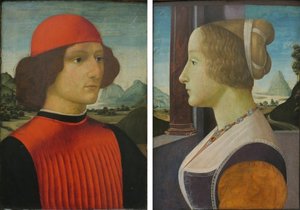
sebastiano mainardi
1460 - 1513 , Italy
基本情報
- Artistic Movement Or Style: Early Renaissance
- Artists Or Movements Influenced By This Artist: ['Renaissance']
- Artists Who Influenced This Artist: ['Domenico Ghirlandaio']
- Date Of Birth: c.1460
- Date Of Death: 1513
- Full Name: Sebastiano Mainardi
- Nationality: Italian
- Notable Artworks:
- St. Sebastiano fouri le Mura
- Appeals Tornabuoni
- Place Of Birth: San Gimignano, Italy
関連記事
Serene Masterpieces: 10 Artworks for Peaceful Decor |
Find peace with 10 serene masterpieces! Explore calming landscapes by Monet & Van Gogh, tranquil Japanese art like Hokusai’s Great Wave, and more. Discover the stories behind these iconic paintings & bring museum-quality art to your home with . Explore the full collection online.
クロード・モネ傑作25選:光と色彩の印象派を彩る名画の世界 | ArtsDot
クロード・モネの傑作25選。印象派を代表する光の画家、モネの世界を旅しませんか?睡蓮や風景画など、名画の背景にある物語と芸術技法をご紹介。ArtsDotで高品質な複製画とインテリアアートを見つけましょう。全コレクションはこちら。

Serene Visions: Exploring Themes of Tranquility in Art History & Contemporary Practice
Explore the history of serene landscape art & discover artists who evoke tranquility. Find the perfect calming artwork for your home with expert guidance from ArtsDot.
ラファエロ傑作25選:ルネサンス巨匠の物語と芸術の世界 | ArtsDot
ラファエロの傑作25選🎨 ルネサンス巨匠の物語と芸術の世界を紐解きます。美しい絵画複製や壁掛けアートで、お部屋に名画の彩りを。ArtsDot.comで、美術史に残る作品群をご覧ください✨
Tranquil Masterpieces: 10 Artworks for Serene Decor & Emotional Well-being |
Find serenity with our Top 10 tranquil artworks! Explore masterpieces by Monet, Van Gogh & more. Discover the stories behind calming Impressionist landscapes and peaceful Japanese art. Museum-quality reproductions at .

