 プレビュー
プレビュー
 プリントを購入
 シェアする
シェアする シェアする
シェアする
 詳細を見る
詳細を見る

 ダウンロード
 似ている作品
 X線調査
X線調査 スライドショー
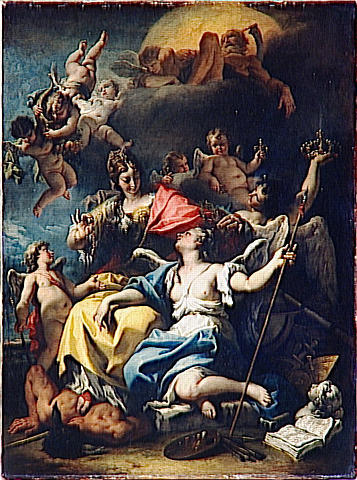
ALLEGORIE DE LA FRANCE, SOUS LA FIGURE DE MINERVE (LA SAGESSE) QUI FOULE AUX PIEDS L'IGNORANCE ET COURONNE LA VERTU GUERRIERE


 詳細を見る
詳細を見る




P118B $10

P118H $10

P118W $10

P438Z $10

P508JH $12

P508YH $12

P805H $10

P805Z $10

P919BZ $10

P919G $10

P919XJ $10

P959ZH $10

P968JZ $12

W106C $8

W218G $10

W218JH $8

W218Y $10

W307PJ $10

W316G $10

W316PJ $8

W316Y $10

W398PJ $8

W4111J $10

W500HY $15

W500JH $15

W692G $12

W849H $8

W940BG $15

W953PJ $8




作品のオリジナル比率に合わせた、当店の規定サイズからお選びください。

特定のフレームやスペースに合わせて、ご希望のサイズをご入力いただけます。選択されたサイズが元の画像の比率と異なる場合、アートワークをトリミングするか、手描きで要素を追加して絵画を拡張いたします。デジタルモックアップ を制作し、制作開始前にご確認(承認)をいただきます。
画面上のプレビューは、実際のトリミングや拡張を正確に反映しているものではありません。最終的な構図は、モックアップによってのみ正確にご確認いただけます。
カスタムサイズもご利用いただけますが、元の比率を維持するためには、あらかじめ用意されたリストからサイズを選択することをお勧めいたします。
ご注文後、ArtsDot.com チームより詳細な指示をお送りするとともに、仕上がりイメージ(モックアップ)をご提供いたします。


 ガラスオプションは、110cm未満のサイズでのみご利用いただけます。

ALLEGORIE DE LA FRANCE, SOUS LA FIGURE DE MINERVE (LA SAGESSE) QUI FOULE AUX PIEDS L'IGNORANCE ET COURONNE LA VERTU GUERRIERE
複製技法
複製画のサイズ
-


合計金額
$ 263
The Weight of Wisdom: Sebastiano Ricci’s Allegory of France
Sebastiano Ricci's "Allegorie de la France, Sous la Figure de Minerve," painted in 1718, is more than just a decorative fresco; it’s a potent visual argument for the burgeoning power and philosophical direction of Louis XIV’s France. This monumental work, now housed within the Louvre Museum, captures a pivotal moment – the assertion of reason and virtue against the encroaching darkness of ignorance – rendered with Ricci's signature blend of dramatic Baroque intensity and luminous Venetian light. The painting immediately commands attention, not merely for its scale but for the carefully orchestrated drama unfolding within its richly colored depths.
At first glance, the scene presents a complex allegorical tableau. Minerva, the Roman goddess of wisdom, stands triumphant at the center, her helmet ablaze with the sun – a direct reference to Louis XIV’s claim to divine right and his association with Apollo, the god of light and reason. She is not simply observing; she actively intervenes, wielding a staff to push back against a swirling vortex of darkness representing Ignorance. Beneath her feet lies a fallen figure, symbolizing the vanquished past, while a radiant figure crowned with laurels embodies Virtue, being bestowed upon by Minerva herself. The composition isn’t static; it's a dynamic struggle, a visual representation of France’s intellectual and political ascent.
A Venetian Master in the Heart of French Grandeur
Ricci, born in Belluno in 1659 and trained primarily in Venice, was a fascinating figure – an Italian artist who profoundly influenced the artistic landscape of France. His style, deeply rooted in the late Baroque traditions of Venice, is characterized by its dramatic use of light and shadow, rich color palettes, and dynamic compositions. He skillfully adapted these Venetian techniques to the demands of French courtly painting, creating works that were both visually stunning and politically charged. Ricci’s background as an uncle to Marco Ricci, a landscape painter, also subtly informs the work; even within this allegorical scene, there's a sense of depth and atmospheric perspective, hinting at the natural world beyond the immediate narrative.
The fresco was originally conceived as a “morceau de réception,” or piece for presentation to the Académie Royale de Peinture et de Sculpture in Paris. This suggests that Ricci intended it not just as a decorative commission but also as a demonstration of his artistic prowess and a subtle endorsement of the French monarchy’s values. The meticulous detail, from the folds of Minerva's robes to the expressions on the faces of the figures, speaks to Ricci’s mastery of technique and his commitment to creating works that were both visually impressive and intellectually stimulating.
Symbolism and the Language of Power
Beyond its immediate narrative, “Allegorie de la France” is laden with symbolic meaning. The choice of Minerva as the central figure is deliberate; she represents not just wisdom but also justice, strategic thinking, and the pursuit of knowledge – qualities highly valued by Louis XIV’s court. The sun emanating from her helmet symbolizes the enlightenment brought about by reason and the power of the French monarchy to illuminate Europe with its intellectual achievements. The swirling darkness beneath her feet is a potent visual metaphor for the chaos and uncertainty that characterized the era, while the crown bestowed upon Virtue signifies the rewards of moral rectitude. Even the positioning of the figures – Minerva elevated, Virtue grounded – reinforces the hierarchical structure of power within the French court.
A Legacy in Reproduction
Today, reproductions of “Allegorie de la France” continue to captivate viewers with their dramatic intensity and rich symbolism. The painting’s enduring appeal lies not only in its artistic merit but also in its reflection of a pivotal moment in European history – the rise of France as a dominant force on the continent. When commissioning a high-quality reproduction, consider the scale and framing options to best complement your space, allowing this powerful allegory to continue to resonate within your home or office.
関連作品
アーティストの略歴
ヴェネツィア・バロックの光芒、セバスティアーノ・リッチ
1659年にイタリアのベッルーノで生まれたセバスティアーノ・リッチは、その生涯と作品を通して、後期バロック絵画における輝かしい存在として記憶されています。華麗なフレスコ画、壮大な構図、そして力強い筆致によって特徴づけられる彼の芸術は、当時のヴェネツィアの美術界に鮮烈な印象を与えました。リッチの人生は、才能と苦難が織り交ざったものであり、その作品には常に情熱とドラマが息づいています。
幼少期と修業時代
リッチの芸術への道が開かれたのは幼い頃からでした。1671年、彼はヴェネツィアの画家フェデリコ・チェルヴェッリに弟子入りを果たします。しかし、一部の研究者は彼の最初の師がセバスティアーノ・マッツォーニであったと主張しています。いずれにせよ、リッチは早くから優れた才能を発揮し、古典的な絵画技法を習得しながらも、独自の表現を追求し始めました。ボローニャ滞在中は、ジョヴァンニ・ジオーソフォ・ダル・ソーレの影響を受け、より洗練された色彩感覚と構図力を身につけました。
華麗なるキャリアと主要作品
リッチの才能が開花したのは1680年代に入ってからです。彼はヴェネツィアの貴族や教会からの依頼を次々とこなし、数々の傑作を生み出しました。特に有名なのは、ロンドンのナショナル・ギャラリーに所蔵されている「バッカスとアリアドネ」です。この作品は、バロック様式の華麗さとリッチの卓越した描写力が融合したものであり、彼の代表作の一つとして広く知られています。また、海軍提督サー・クロウディスリー・ショベルの追悼画も、その瞬間を捉えた力強い表現で高く評価されています。1685年から1687年にかけては、フェルディナンド・ガッリ=ビビーエナとの共同制作により、マドンナ・デル・セラリオ礼拝堂の装飾を手がけ、4,482リーラの報酬を受けました。
芸術的特徴と影響
リッチの絵画は、その壮大さと光彩によって特徴づけられます。彼は、鮮やかな色彩とダイナミックな構図を駆使し、見る者を圧倒するような空間を作り出しました。彼の作品には常に動きがあり、ドラマティックな展開が繰り広げられています。また、リッチは、古典的な神話や宗教的テーマを好んで扱い、それらを自身の解釈で表現することで、新たな魅力を生み出しました。彼の芸術は、後の画家たちに大きな影響を与え、特にマルコ・リッチとの共同制作を通して、ヴェネツィアの風景画にも革新をもたらしました。
晩年と歴史的意義
リッチのキャリアは、常に順風満帆だったわけではありません。彼は投獄やスキャンダルといった苦難に見舞われることもありましたが、それでも創作活動を続けました。「ヴィーナスがアドニスに別れを告げる」などの作品は、その卓越した描写力と天上の美しさによって高く評価されています。晩年には、外国からの依頼を受けるようになり、ロンドンではバロン・バーリントンの依頼を受けて重要な作品を手がけました。セバスティアーノ・リッチは、ヴェネツィア・バロック絵画の黄金時代を築き上げた巨匠の一人であり、その芸術は今日でも多くの人々を魅了し続けています。
- セバスティアーノ・リッチの作品をArtsDot.comでご覧ください。
- Wikipediaで、ヴェネツィア・バロック派とその影響について詳しく知ってください。
- ArtsDot.comで、ルイジ・ボナッツァなど、同じ時代に活躍した著名な画家を発見してください。
重要:この記事はArtsDot.comの情報を基に作成されており、今後データが更新される可能性があります。
セバスティアーノ・リッチ
1659 - 1734 , イタリア
基本情報
- Artistic Movement Or Style: 後期バロック
- Artists Or Movements Influenced By This Artist: ['マルコ・リッチ']
- Artists Who Influenced This Artist: ['ジョヴァンニ・ジオーソフ・ダル・ソーレ']
- Date Of Birth: 1659年8月1日
- Date Of Death: 1734年5月15日
- Full Name: セバスティアーノ・リッチ
- Nationality: イタリア人
- Notable Artworks (List Of Titles):
- バッカスとアリアドネ
- ヴィーナスのアドニスへの別れ
- Place Of Birth (City And Country): ベッルーノ、イタリア
関連記事
Sebastiano Ricci: Venetian Master of Baroque Illusionism & Rococo Grace
Explore the captivating world of Sebastiano Ricci, a leading Venetian Baroque painter renowned for his luminous frescoes & illusionistic masterpieces. Discover his life, techniques, and lasting influence on art history.

バロックのドラマ:現代のインテリアに壮麗さと情感を取り込む
バロック様式の歴史、絵画、家具の魅力をご紹介。ArtsDotでは、高品質な油絵複製やカスタムポートレートをご提供し、現代のインテリアに壮麗さと情感を取り入れます。アートコンサルテーションも承ります。

The Dramatic Flourish: Exploring the Baroque Movement's Enduring Legacy in Art History
Explore the dramatic world of Baroque art! Discover iconic artists like Caravaggio & Rubens, defining techniques, and its lasting impact on art history. Expert insights for collectors & enthusiasts at ArtsDot.

バロック美術を極めた至宝:時代を彩る10大名作の世界
バロック美術の華!カラヴァッジョ、ベルニーニら巨匠が創り上げた10大名作を徹底解剖。ドラマチックな色彩と豪華絢爛の世界観に触れ、至宝のアートプリントで空間を彩ろう。ArtsDot.comで美術館品質の複製と洗練されたインテリアを見つけましょう!

The Visceral Stage: Exploring Dramatic Narratives & Emotional Intensity in Baroque Art
Explore the dramatic world of Baroque art! Discover iconic masters like Caravaggio & Rembrandt, their techniques, and the movement's lasting impact. Expert insights for collectors & enthusiasts at ArtsDot.