 プレビュー
プレビュー
 プリントを購入
 シェアする
シェアする シェアする
シェアする
 詳細を見る
詳細を見る

 ダウンロード
 似ている作品
 X線調査
X線調査 スライドショー
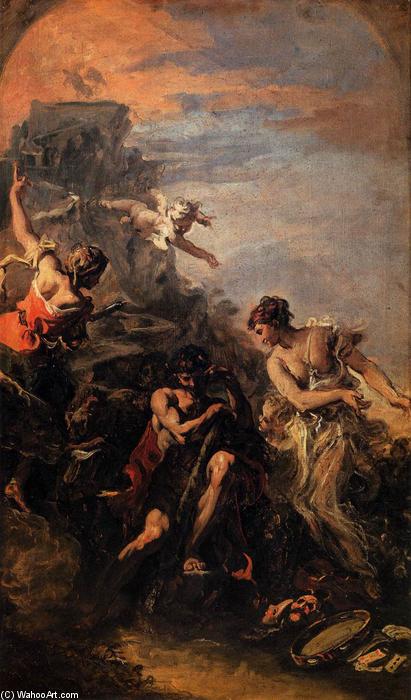
Hercules at the Crossroad
 Oil On Canvas
- WallArt
- Baroque
 1706
1706 65.0 x 38.0 cm
 ウフィツィ美術館
 詳細を見る
詳細を見る




P118B $10

P118H $10

P118W $10

P438Z $10

P508JH $12

P508YH $12

P805H $10

P805Z $10

P919BZ $10

P919G $10

P919XJ $10

P959ZH $10

P968JZ $12

W106C $8

W218G $10

W218JH $8

W218Y $10

W307PJ $10

W316G $10

W316PJ $8

W316Y $10

W398PJ $8

W4111J $10

W500HY $15

W500JH $15

W692G $12

W849H $8

W940BG $15

W953PJ $8




作品のオリジナル比率に合わせた、当店の規定サイズからお選びください。

特定のフレームやスペースに合わせて、ご希望のサイズをご入力いただけます。選択されたサイズが元の画像の比率と異なる場合、アートワークをトリミングするか、手描きで要素を追加して絵画を拡張いたします。デジタルモックアップ を制作し、制作開始前にご確認(承認)をいただきます。
画面上のプレビューは、実際のトリミングや拡張を正確に反映しているものではありません。最終的な構図は、モックアップによってのみ正確にご確認いただけます。
カスタムサイズもご利用いただけますが、元の比率を維持するためには、あらかじめ用意されたリストからサイズを選択することをお勧めいたします。
ご注文後、ArtsDot.com チームより詳細な指示をお送りするとともに、仕上がりイメージ(モックアップ)をご提供いたします。


 ガラスオプションは、110cm未満のサイズでのみご利用いただけます。

Hercules at the Crossroad
複製技法
複製画のサイズ
-


合計金額
$ 263
作品解説
The Dramatic Crossroads of Hercules
Sebastiano Ricci’s “Hercules at the Crossroads,” painted in 1706, is more than just a depiction of a mythological hero; it's a profound meditation on choice, virtue, and the perilous path to glory. Housed within the Galleria degli Uffizi in Florence, this monumental canvas—measuring an impressive 65 x 38 cm—captures a pivotal moment from Greek legend: Hercules standing poised at a literal and metaphorical crossroads, contemplating two distinct futures offered by Virtue and Vice.
Ricci, a leading figure of the late Baroque school in Venice, masterfully employs the dramatic chiaroscuro technique characteristic of the era. Deep shadows engulf much of the composition, drawing the viewer’s eye directly to Hercules himself, whose dynamic pose—a powerful lean forward, his gaze fixed downwards—conveys both determination and uncertainty. The artist's skillful use of light highlights the figures of Virtue and Vice, emphasizing their contrasting allure. Ricci’s Venetian training is evident in the luminous quality of the colors and the fluid handling of paint, creating a sense of movement and immediacy that transcends mere representation.
Symbolism Woven into the Narrative
The painting's symbolism is rich and layered. Hercules, son of Zeus and mortal Alcmene, embodies strength, courage, and divine lineage—qualities inextricably linked to his legendary labors. However, Ricci doesn’t present him as an invincible hero; instead, he depicts a moment of profound deliberation. The two figures flanking Hercules are not merely decorative elements but potent symbols representing the opposing forces vying for his allegiance. On the left stands Virtue, clad in pristine white, radiating purity and righteousness—a beacon guiding towards a path of honor and self-discipline. Conversely, on the right, Vice is shrouded in dark hues, embodying temptation, indulgence, and the seductive allure of easy gratification.
The landscape behind Hercules further reinforces this duality. The rocky terrain beneath a dramatic sky suggests the arduous journey ahead, while the palm tree reaching upwards symbolizes the ultimate reward—victory and immortality—but only attainable through unwavering virtue. The inclusion of Pegasus, the winged horse associated with divine inspiration, subtly hints at the heroic destiny awaiting Hercules if he chooses the path of righteousness.
A Window into 18th-Century Venice
“Hercules at the Crossroads” offers a valuable glimpse into the artistic and intellectual climate of 18th-century Venice. Ricci’s work reflects the influence of both classical antiquity, particularly the Roman concept of virtue, and the dramatic intensity of Caravaggio's tenebrism. The painting also aligns with the broader trend in Venetian art during this period—a shift towards greater dynamism and emotional expression, moving away from the more static formality of earlier Baroque styles. Ricci’s uncle, Marco Ricci, was a key innovator in landscape painting, and Sebastiano clearly absorbed some of his mentor's techniques.
The painting’s commission by Cardinal Odoardo Farnese underscores its significance within the context of Venetian courtly art. The choice of Hercules as the central figure likely served to embody the virtues expected of a noble leader—strength, justice, and piety. Ricci's ability to capture both the heroic grandeur and the internal struggle of the mythological hero cemented his reputation as one of Venice’s most accomplished painters.
A Timeless Exploration of Human Choice
“Hercules at the Crossroads” remains a compelling work of art centuries after its creation. It is not simply a historical record or a technical demonstration of artistic skill; it's an enduring exploration of fundamental human themes—the tension between ambition and morality, the allure of temptation and the rewards of virtue. Its dramatic composition, evocative symbolism, and masterful execution continue to captivate viewers, inviting them to contemplate their own choices and the paths they choose to follow.
関連作品


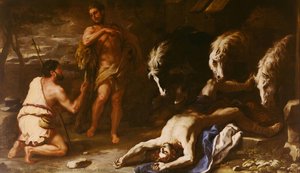
アーティストの略歴
ヴェネツィア・バロックの光芒、セバスティアーノ・リッチ
1659年にイタリアのベッルーノで生まれたセバスティアーノ・リッチは、その生涯と作品を通して、後期バロック絵画における輝かしい存在として記憶されています。華麗なフレスコ画、壮大な構図、そして力強い筆致によって特徴づけられる彼の芸術は、当時のヴェネツィアの美術界に鮮烈な印象を与えました。リッチの人生は、才能と苦難が織り交ざったものであり、その作品には常に情熱とドラマが息づいています。
幼少期と修業時代
リッチの芸術への道が開かれたのは幼い頃からでした。1671年、彼はヴェネツィアの画家フェデリコ・チェルヴェッリに弟子入りを果たします。しかし、一部の研究者は彼の最初の師がセバスティアーノ・マッツォーニであったと主張しています。いずれにせよ、リッチは早くから優れた才能を発揮し、古典的な絵画技法を習得しながらも、独自の表現を追求し始めました。ボローニャ滞在中は、ジョヴァンニ・ジオーソフォ・ダル・ソーレの影響を受け、より洗練された色彩感覚と構図力を身につけました。
華麗なるキャリアと主要作品
リッチの才能が開花したのは1680年代に入ってからです。彼はヴェネツィアの貴族や教会からの依頼を次々とこなし、数々の傑作を生み出しました。特に有名なのは、ロンドンのナショナル・ギャラリーに所蔵されている「バッカスとアリアドネ」です。この作品は、バロック様式の華麗さとリッチの卓越した描写力が融合したものであり、彼の代表作の一つとして広く知られています。また、海軍提督サー・クロウディスリー・ショベルの追悼画も、その瞬間を捉えた力強い表現で高く評価されています。1685年から1687年にかけては、フェルディナンド・ガッリ=ビビーエナとの共同制作により、マドンナ・デル・セラリオ礼拝堂の装飾を手がけ、4,482リーラの報酬を受けました。
芸術的特徴と影響
リッチの絵画は、その壮大さと光彩によって特徴づけられます。彼は、鮮やかな色彩とダイナミックな構図を駆使し、見る者を圧倒するような空間を作り出しました。彼の作品には常に動きがあり、ドラマティックな展開が繰り広げられています。また、リッチは、古典的な神話や宗教的テーマを好んで扱い、それらを自身の解釈で表現することで、新たな魅力を生み出しました。彼の芸術は、後の画家たちに大きな影響を与え、特にマルコ・リッチとの共同制作を通して、ヴェネツィアの風景画にも革新をもたらしました。
晩年と歴史的意義
リッチのキャリアは、常に順風満帆だったわけではありません。彼は投獄やスキャンダルといった苦難に見舞われることもありましたが、それでも創作活動を続けました。「ヴィーナスがアドニスに別れを告げる」などの作品は、その卓越した描写力と天上の美しさによって高く評価されています。晩年には、外国からの依頼を受けるようになり、ロンドンではバロン・バーリントンの依頼を受けて重要な作品を手がけました。セバスティアーノ・リッチは、ヴェネツィア・バロック絵画の黄金時代を築き上げた巨匠の一人であり、その芸術は今日でも多くの人々を魅了し続けています。
- セバスティアーノ・リッチの作品をArtsDot.comでご覧ください。
- Wikipediaで、ヴェネツィア・バロック派とその影響について詳しく知ってください。
- ArtsDot.comで、ルイジ・ボナッツァなど、同じ時代に活躍した著名な画家を発見してください。
重要:この記事はArtsDot.comの情報を基に作成されており、今後データが更新される可能性があります。
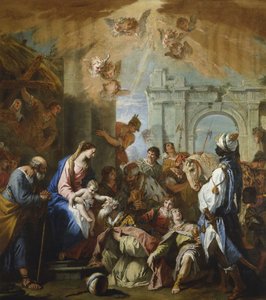
セバスティアーノ・リッチ
1659 - 1734 , イタリア
基本情報
- Artistic Movement Or Style: 後期バロック
- Artists Or Movements Influenced By This Artist: ['マルコ・リッチ']
- Artists Who Influenced This Artist: ['ジョヴァンニ・ジオーソフ・ダル・ソーレ']
- Date Of Birth: 1659年8月1日
- Date Of Death: 1734年5月15日
- Full Name: セバスティアーノ・リッチ
- Nationality: イタリア人
- Notable Artworks (List Of Titles):
- バッカスとアリアドネ
- ヴィーナスのアドニスへの別れ
- Place Of Birth (City And Country): ベッルーノ、イタリア
関連記事
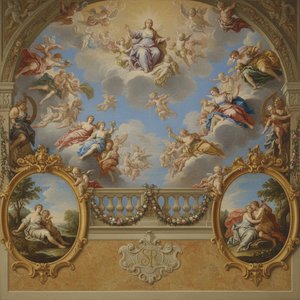
Sebastiano Ricci: Venetian Master of Baroque Illusionism & Rococo Grace
Explore the captivating world of Sebastiano Ricci, a leading Venetian Baroque painter renowned for his luminous frescoes & illusionistic masterpieces. Discover his life, techniques, and lasting influence on art history.

バロックのドラマ:現代のインテリアに壮麗さと情感を取り込む
バロック様式の歴史、絵画、家具の魅力をご紹介。ArtsDotでは、高品質な油絵複製やカスタムポートレートをご提供し、現代のインテリアに壮麗さと情感を取り入れます。アートコンサルテーションも承ります。

The Dramatic Flourish: Exploring the Baroque Movement's Enduring Legacy in Art History
Explore the dramatic world of Baroque art! Discover iconic artists like Caravaggio & Rubens, defining techniques, and its lasting impact on art history. Expert insights for collectors & enthusiasts at ArtsDot.

バロック美術を極めた至宝:時代を彩る10大名作の世界
バロック美術の華!カラヴァッジョ、ベルニーニら巨匠が創り上げた10大名作を徹底解剖。ドラマチックな色彩と豪華絢爛の世界観に触れ、至宝のアートプリントで空間を彩ろう。ArtsDot.comで美術館品質の複製と洗練されたインテリアを見つけましょう!

The Visceral Stage: Exploring Dramatic Narratives & Emotional Intensity in Baroque Art
Explore the dramatic world of Baroque art! Discover iconic masters like Caravaggio & Rembrandt, their techniques, and the movement's lasting impact. Expert insights for collectors & enthusiasts at ArtsDot.