 プレビュー
プレビュー
 プリントを購入
 シェアする
シェアする シェアする
シェアする
 詳細を見る
詳細を見る

 ダウンロード
 似ている作品
 X線調査
X線調査 スライドショー
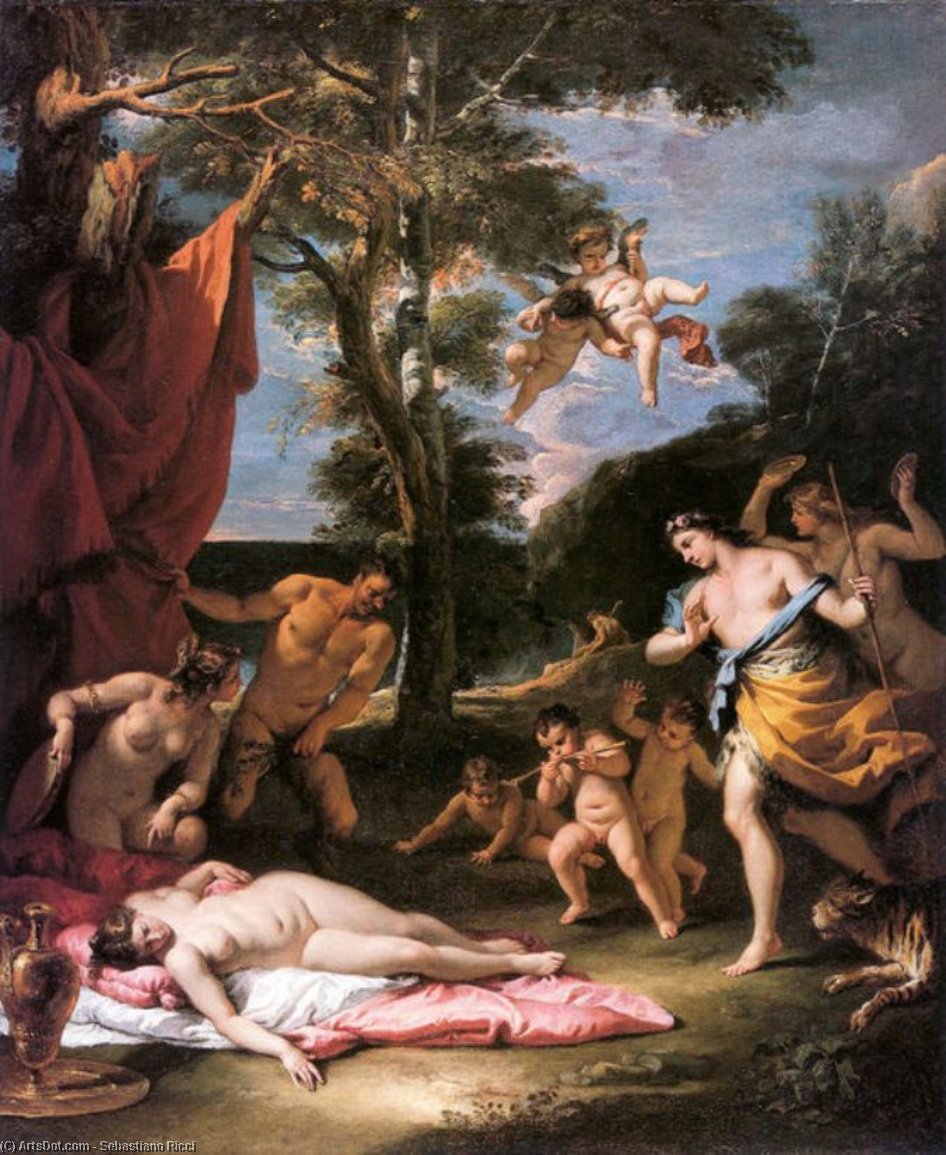
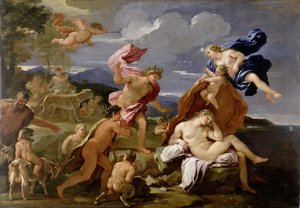
Meeting of Bacchus and Ariadne
 Oil On Canvas
- WallArt
- Baroque
 1713
1713 76.0 x 63.0 cm
 ナショナル・ギャラリー
 詳細を見る
詳細を見る




P118B $10

P118H $10

P118W $10

P438Z $10

P508JH $12

P508YH $12

P805H $10

P805Z $10

P919BZ $10

P919G $10

P919XJ $10

P959ZH $10

P968JZ $12

W106C $8

W218G $10

W218JH $8

W218Y $10

W307PJ $10

W316G $10

W316PJ $8

W316Y $10

W398PJ $8

W4111J $10

W500HY $15

W500JH $15

W692G $12

W849H $8

W940BG $15

W953PJ $8




作品のオリジナル比率に合わせた、当店の規定サイズからお選びください。

特定のフレームやスペースに合わせて、ご希望のサイズをご入力いただけます。選択されたサイズが元の画像の比率と異なる場合、アートワークをトリミングするか、手描きで要素を追加して絵画を拡張いたします。デジタルモックアップ を制作し、制作開始前にご確認(承認)をいただきます。
画面上のプレビューは、実際のトリミングや拡張を正確に反映しているものではありません。最終的な構図は、モックアップによってのみ正確にご確認いただけます。
カスタムサイズもご利用いただけますが、元の比率を維持するためには、あらかじめ用意されたリストからサイズを選択することをお勧めいたします。
ご注文後、ArtsDot.com チームより詳細な指示をお送りするとともに、仕上がりイメージ(モックアップ)をご提供いたします。


 ガラスオプションは、110cm未満のサイズでのみご利用いただけます。

Meeting of Bacchus and Ariadne
複製技法
複製画のサイズ
-


合計金額
$ 263
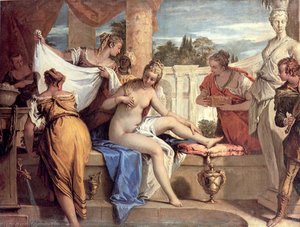
A Symphony of Myth and Baroque Grandeur: Exploring Sebastiano Ricci’s “Meeting of Bacchus and Ariadne”
The painting "Meeting of Bacchus and Ariadne," executed by Sebastiano Ricci in 1713-1715, stands as a cornerstone of Venetian baroque art—a testament to the opulent aesthetic sensibilities of its era and a masterful demonstration of Ricci’s unparalleled skill in capturing dramatic emotion and intricate detail. Commissioned for the Royal Academy of Arts in London, this monumental fresco transcends mere depiction; it embodies a profound engagement with classical mythology and elevates it into a celebration of sensual pleasure and divine union.Subject Matter and Narrative Depth
At its core lies the iconic tale recounted by Apollonian poet Euripides—the clandestine rendezvous between Dionysus (Bacchus), god of wine, revelry, and ecstasy, and Ariadne, princess of Crete and lover of Theseus. Ricci skillfully portrays the couple nestled in a lavish bed draped with sumptuous fabrics, bathed in diffused light that underscores the intimacy of their encounter. Surrounding them is a vibrant tableau populated by nymphs and satyrs—figures emblematic of pagan fertility and Dionysiac frenzy—who participate in an exuberant dance of celebration. The inclusion of animals – notably a dog guarding Ariadne’s chamber and birds perched aloft – adds layers of symbolic significance, representing loyalty, vigilance, and aspiration towards the heavens. Ricci doesn't simply narrate the myth; he inhabits it, conveying its emotional core with palpable dynamism.Technique and Artistic Style: Baroque Mastery
Ricci’s technique exemplifies the baroque style’s hallmark characteristics: dramatic chiaroscuro—the masterful manipulation of light and shadow—creates a breathtaking illusion of depth and enhances the theatrical quality of the scene. Ricci employs a rich palette dominated by reds, golds, and blues, colors traditionally associated with royalty and divinity, further amplifying the grandeur of the composition. The artist’s meticulous attention to detail is evident in every brushstroke, from the intricate drapery folds to the expressive faces of the figures—each rendered with remarkable realism and imbued with palpable emotion. Ricci's approach aligns perfectly with the prevailing artistic conventions of his time, prioritizing emotional impact over strict anatomical accuracy.Historical Context: Venice at Its Zenith
Venice in the early 18th century was experiencing a golden age of artistic patronage under Cardinal Alessandro Velázquez—a period marked by unprecedented wealth and cultural ambition. Ricci’s fresco reflects this spirit of grandeur and sophistication, aligning with the Academy's desire to showcase Venetian artistry on an international stage. The painting emerged during a time when baroque art sought to evoke awe and inspire contemplation, mirroring the broader intellectual currents of the era – particularly Neoclassical thought which was beginning to challenge the excesses of its predecessor. Ricci’s work stands as a powerful reminder of Venice's role as a beacon of artistic innovation and cultural prestige.Symbolism: Pleasure, Fertility, Divine Union
Beyond its narrative depiction, “Meeting of Bacchus and Ariadne” is laden with symbolic resonance. The bed itself represents sensual pleasure and intimacy—a deliberate allusion to the pagan ideals of beauty and desire. Dionysus embodies liberation from restraint and embraces spontaneity, while Ariadne symbolizes purity and grace amidst the wildness of the mythological realm. The dance of nymphs and satyrs underscores the fecundity of nature and celebrates the joyous affirmation of life’s primal impulses. Ricci's masterful use of color and composition reinforces these themes, creating a visual experience that transcends mere representation—it aspires to communicate profound spiritual truths.Emotional Impact: Capturing Sublime Beauty
Ultimately, Ricci succeeds in transporting the viewer into the heart of the mythological drama. The painting evokes feelings of exhilaration, passion, and wonder—a testament to Ricci’s ability to capture the sublime beauty of baroque art. Its luminous colors, dramatic lighting, and dynamic movement compel contemplation, inviting viewers to immerse themselves in a world of sensual delight and divine inspiration. “Meeting of Bacchus and Ariadne” remains an enduring masterpiece—a timeless embodiment of Venetian artistic excellence and a captivating exploration of human desire and spiritual aspiration.関連作品


アーティストの略歴
ヴェネツィア・バロックの光芒、セバスティアーノ・リッチ
1659年にイタリアのベッルーノで生まれたセバスティアーノ・リッチは、その生涯と作品を通して、後期バロック絵画における輝かしい存在として記憶されています。華麗なフレスコ画、壮大な構図、そして力強い筆致によって特徴づけられる彼の芸術は、当時のヴェネツィアの美術界に鮮烈な印象を与えました。リッチの人生は、才能と苦難が織り交ざったものであり、その作品には常に情熱とドラマが息づいています。
幼少期と修業時代
リッチの芸術への道が開かれたのは幼い頃からでした。1671年、彼はヴェネツィアの画家フェデリコ・チェルヴェッリに弟子入りを果たします。しかし、一部の研究者は彼の最初の師がセバスティアーノ・マッツォーニであったと主張しています。いずれにせよ、リッチは早くから優れた才能を発揮し、古典的な絵画技法を習得しながらも、独自の表現を追求し始めました。ボローニャ滞在中は、ジョヴァンニ・ジオーソフォ・ダル・ソーレの影響を受け、より洗練された色彩感覚と構図力を身につけました。
華麗なるキャリアと主要作品
リッチの才能が開花したのは1680年代に入ってからです。彼はヴェネツィアの貴族や教会からの依頼を次々とこなし、数々の傑作を生み出しました。特に有名なのは、ロンドンのナショナル・ギャラリーに所蔵されている「バッカスとアリアドネ」です。この作品は、バロック様式の華麗さとリッチの卓越した描写力が融合したものであり、彼の代表作の一つとして広く知られています。また、海軍提督サー・クロウディスリー・ショベルの追悼画も、その瞬間を捉えた力強い表現で高く評価されています。1685年から1687年にかけては、フェルディナンド・ガッリ=ビビーエナとの共同制作により、マドンナ・デル・セラリオ礼拝堂の装飾を手がけ、4,482リーラの報酬を受けました。
芸術的特徴と影響
リッチの絵画は、その壮大さと光彩によって特徴づけられます。彼は、鮮やかな色彩とダイナミックな構図を駆使し、見る者を圧倒するような空間を作り出しました。彼の作品には常に動きがあり、ドラマティックな展開が繰り広げられています。また、リッチは、古典的な神話や宗教的テーマを好んで扱い、それらを自身の解釈で表現することで、新たな魅力を生み出しました。彼の芸術は、後の画家たちに大きな影響を与え、特にマルコ・リッチとの共同制作を通して、ヴェネツィアの風景画にも革新をもたらしました。
晩年と歴史的意義
リッチのキャリアは、常に順風満帆だったわけではありません。彼は投獄やスキャンダルといった苦難に見舞われることもありましたが、それでも創作活動を続けました。「ヴィーナスがアドニスに別れを告げる」などの作品は、その卓越した描写力と天上の美しさによって高く評価されています。晩年には、外国からの依頼を受けるようになり、ロンドンではバロン・バーリントンの依頼を受けて重要な作品を手がけました。セバスティアーノ・リッチは、ヴェネツィア・バロック絵画の黄金時代を築き上げた巨匠の一人であり、その芸術は今日でも多くの人々を魅了し続けています。
- セバスティアーノ・リッチの作品をArtsDot.comでご覧ください。
- Wikipediaで、ヴェネツィア・バロック派とその影響について詳しく知ってください。
- ArtsDot.comで、ルイジ・ボナッツァなど、同じ時代に活躍した著名な画家を発見してください。
重要:この記事はArtsDot.comの情報を基に作成されており、今後データが更新される可能性があります。
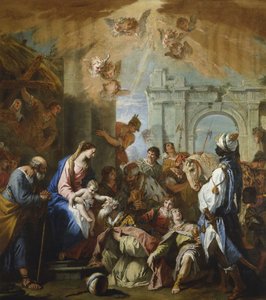
セバスティアーノ・リッチ
1659 - 1734 , イタリア
基本情報
- Artistic Movement Or Style: 後期バロック
- Artists Or Movements Influenced By This Artist: ['マルコ・リッチ']
- Artists Who Influenced This Artist: ['ジョヴァンニ・ジオーソフ・ダル・ソーレ']
- Date Of Birth: 1659年8月1日
- Date Of Death: 1734年5月15日
- Full Name: セバスティアーノ・リッチ
- Nationality: イタリア人
- Notable Artworks (List Of Titles):
- バッカスとアリアドネ
- ヴィーナスのアドニスへの別れ
- Place Of Birth (City And Country): ベッルーノ、イタリア
関連記事

Baroque Classicism: Reconciling Drama & Order in 17th-Century Art
Explore the captivating world of Baroque Classicism! Discover its history, key artists like Caravaggio & Rubens, and defining characteristics. Expert insights & high-quality reproductions at ArtsDot.
Echoes of Olympus: Mythological Narratives in Western Art Through the Ages
Explore the captivating history of mythological narratives in Western art! From ancient Greece to modern masterpieces, discover iconic artworks & symbolism. Expert analysis and high-quality reproductions at ArtsDot.

バロックのドラマ:現代のインテリアに壮麗さと情感を取り込む
バロック様式の歴史、絵画、家具の魅力をご紹介。ArtsDotでは、高品質な油絵複製やカスタムポートレートをご提供し、現代のインテリアに壮麗さと情感を取り入れます。アートコンサルテーションも承ります。
Guido Reni: A Study in Baroque Classicism & Artistic Perfection
Explore the life & work of Guido Reni, a master of Baroque classicism. Discover his iconic religious & mythological paintings, and understand his enduring influence on art history. Expert analysis for collectors.

ジャコポ・ティンコレット:至高の25選 – ヴェネツィア巨匠のドラマと光の世界 | ArtsDot
ジャコポ・ティンコレットの至高の25選。ドラマと光の世界を彩るヴェネツィア派巨匠の名画を紐解きます。ルネサンス絵画からバロック絵画まで、ArtsDotで高品質な複製画やインテリアアートを見つけましょう。傑作コレクションをオンラインで探求してください。