 プレビュー
プレビュー
 シェアする
シェアする シェアする
シェアする
 詳細を見る
詳細を見る

 ダウンロード
 似ている作品
 X線調査
X線調査 スライドショー
 統計情報
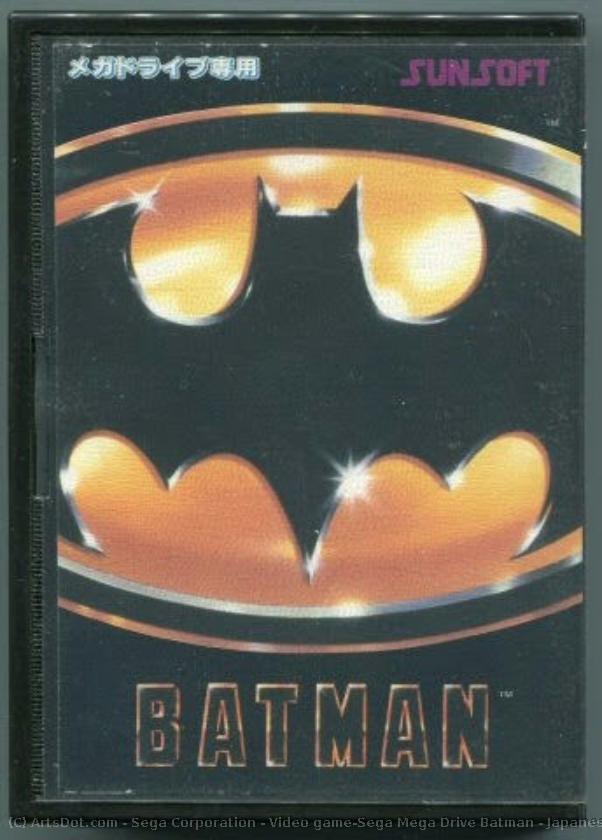
統計情報Video game:Sega Mega Drive Batman - Japanese Edition


 詳細を見る
詳細を見る
オンラインプレビューをはるかに凌ぐ、高解像度で鮮明なデジタル画像をご購入いただけます。
各ファイルは、社内の専門家が高度なツールと熟練した手作業によるレタッチを用いて、細心の注意を払って準備されています。すべての画像において、卓越した鮮明度、正確な色彩再現性、そして繊細なディテールを保証いたします。
最終ファイルは、プロフェッショナルな編集・印刷環境ですぐにご利用いただけるよう最適化された状態で、72時間以内にメールにてお届けいたします。これは、一流のデザインスタジオ、出版社、ギャラリーから信頼されているものと同等の品質です。
デジタルアート
個人での鑑賞、印刷、クリエイティブなプロジェクト用に、高解像度ファイルをダウンロードできます。 ( プリント版に切り替え 手描きの絵画を購入)
デジタル画像のご注文に付随する特典
高品質なデジタル画像配信を、確かな品質で。
ArtsDot.com を選ぶことは、単に画像を手に入れることではありません。それは、プロの手によって精密に仕上げられ、満足保証が付いた高品質なデジタルアートワークを受け取ることを意味します。ご注文いただいた際に自動的に付随する内容は、以下の通りです:

メールですぐにお届け
ご注文から72時間以内に、高解像度のデジタル画像ファイルがメールでお手元に届きます。すぐにそのままご利用いただけます。

AI技術で最適化されたデジタルファイル
お客様の作品は、高度なAIツールと専門家による手作業の編集を組み合わせてプロフェッショナルに最適化されており、細部のディテール、鮮明さ、そして正確な色再現性を最大限に引き出しています。

一生涯無料の再送サービス
ファイルを誤って削除したり、紛失してしまったりしましたか?ご安心ください。いつでも無料で再送いたします。

輸入手数料は一切かかりません
関税や手数料、配送料を気にすることなく、お気に入りのアートワークをすぐにお楽しみいただけます。デジタルダウンロードは常に免税です。

色彩再現の保証
プロ仕様のツールとカラーマネジメント技術を用いることで、デジタル画像が元の色を最大限に忠実に再現することを保証いたします。

100日間満足保証
ご購入いただいたデジタル画像にご満足いただけない場合は、100日以内であれば、理由を問わず修正または100%の返金対応をさせていただきます。

100% 返金保証
ご満足いただけない場合は、デジタルファイルを受け取ってから100日以内であれば、理由を問わず全額返金いたします。

まとめ買い割引
3枚購入で10%OFF - 5枚購入で15%OFF - 10枚以上購入で20%OFF。クリエイティブなプロジェクト、ギャラリー、エージェンシーに最適です。
関連作品





作家の略歴
The Enduring Legacy of Sega Corporation: A Collective Vision
Sega Corporation, more than a single artist, represents a vibrant collective—a Japanese video game company born from the post-war desire for entertainment and evolving into a global icon. Its story isn’t one of individual brushstrokes but rather a tapestry woven with the contributions of countless designers, programmers, musicians, and artists who shaped the landscape of arcade gaming and home console experiences. Founded in 1960 as Nihon Goraku Bussan by Martin Bromley and Richard Stewart, the company initially focused on importing coin-operated amusement machines to American military bases in Japan. This early exposure to Western entertainment sensibilities would subtly influence its future direction. The acquisition of Service Games of Japan shortly after solidified its position within the burgeoning arcade industry, but it was the 1965 rebranding as Sega Enterprises Ltd., following a merger with Rosen Enterprises, that truly signaled the company’s ambition—a commitment to creating original gaming experiences.From Arcades to Consoles: A Revolution in Play
The mid-1960s saw Sega begin its journey into game development itself, most notably with *Periscope*, a pioneering coin-operated submarine simulator. This marked the beginning of a relentless pursuit of innovation that would define the company for decades. However, it was the 1980s that truly cemented Sega’s place in gaming history. Recognizing the potential of home consoles, Sega launched the SG-1000 and later the Master System, attempting to challenge Nintendo's growing dominance. While these early ventures faced stiff competition, they laid the groundwork for a more significant breakthrough: the Mega Drive (known as Genesis in North America). The arrival of *Sonic the Hedgehog* in 1991 was nothing short of revolutionary. Sonic wasn’t merely a character; he was an attitude—a symbol of speed, rebellion, and cool that directly contrasted with Nintendo's established mascot, Mario. This bold move ignited a console war that captivated a generation, briefly establishing Sega as the market leader in North America. The artistic design of *Sonic*, spearheaded by Naoto Ohshima, Yuji Naka, and Hirokazu Yasuhara, was crucial to its success—a vibrant aesthetic that embraced bright colors, fluid animation, and a sense of kinetic energy.A Spectrum of Creative Talent
The strength of Sega lay not just in *Sonic* but in the diversity of its creative teams. Artists like Greg Martin, responsible for the iconic Western *Sonic* cover art, crafted images that captured the spirit of the games and became synonymous with the brand. Boris Vallejo and Julie Belle brought their signature fantasy style to numerous titles, lending a sense of epic scale and visual richness. Within Japan, Hiroaki Shioya’s painterly covers offered a distinct aesthetic sensibility. The company fostered an environment where different artistic visions could flourish, resulting in a remarkably varied catalog. Beyond the visual arts, composers like Masato Nakamura created unforgettable soundtracks that became integral to the gaming experience. Sega's internal teams, such as Ryu Ga Gotoku Studio (known for the *Yakuza* series) and Sonic Team, continue to push boundaries today. The influence of these artists extends beyond their immediate work; they inspired a generation of game developers and illustrators.Challenges, Transformations, and Enduring Influence
The late 1990s proved challenging for Sega. Commercial failures like the 32X and Saturn, coupled with the rise of Sony’s PlayStation, led to the difficult decision to exit the console market in 2001. This wasn't an end but a transformation. Sega reinvented itself as a third-party developer and publisher, focusing on creating high-quality games for other platforms. The acquisition by Sammy Corporation in 2004 further stabilized the company, leading to renewed success with franchises like *Yakuza*, *Total War* (through Creative Assembly), and *Persona* (through Atlus). Today, Sega is a multifaceted entertainment powerhouse, encompassing video game development, arcade operations, animation studios (TMS Entertainment and Marza Animation Planet), and even toy manufacturing. The company’s legacy isn't simply about the games it created but about its willingness to take risks, embrace innovation, and foster a culture of creativity. Sega continues to shape the gaming landscape, proving that a collective vision can endure—and evolve—through decades of change.Major Achievements & Historical Significance
- Pioneering Arcade Gaming: Sega’s early success in arcades established it as a major player in the entertainment industry, laying the foundation for its future ventures.
- The Sonic Revolution: *Sonic the Hedgehog* redefined platforming and challenged Nintendo's dominance, sparking a console war that captivated a generation.
- Diverse Artistic Styles: Sega fostered an environment where different artistic visions could flourish, resulting in a remarkably varied catalog of games.
- Innovation in Gameplay: From the fast-paced action of *Sonic* to the strategic depth of *Total War*, Sega consistently pushed boundaries in gameplay design.
- Enduring Franchises: The continued success of franchises like *Yakuza*, *Persona*, and *Super Monkey Ball* demonstrates Sega’s ability to adapt and thrive in a constantly evolving market.