

 プレビュー
プレビュー
 プリントを購入
 シェアする
シェアする シェアする
シェアする
 詳細を見る
詳細を見る

 ダウンロード
 似ている作品
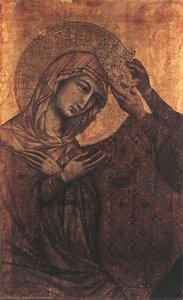
 X線調査
X線調査 スライドショー
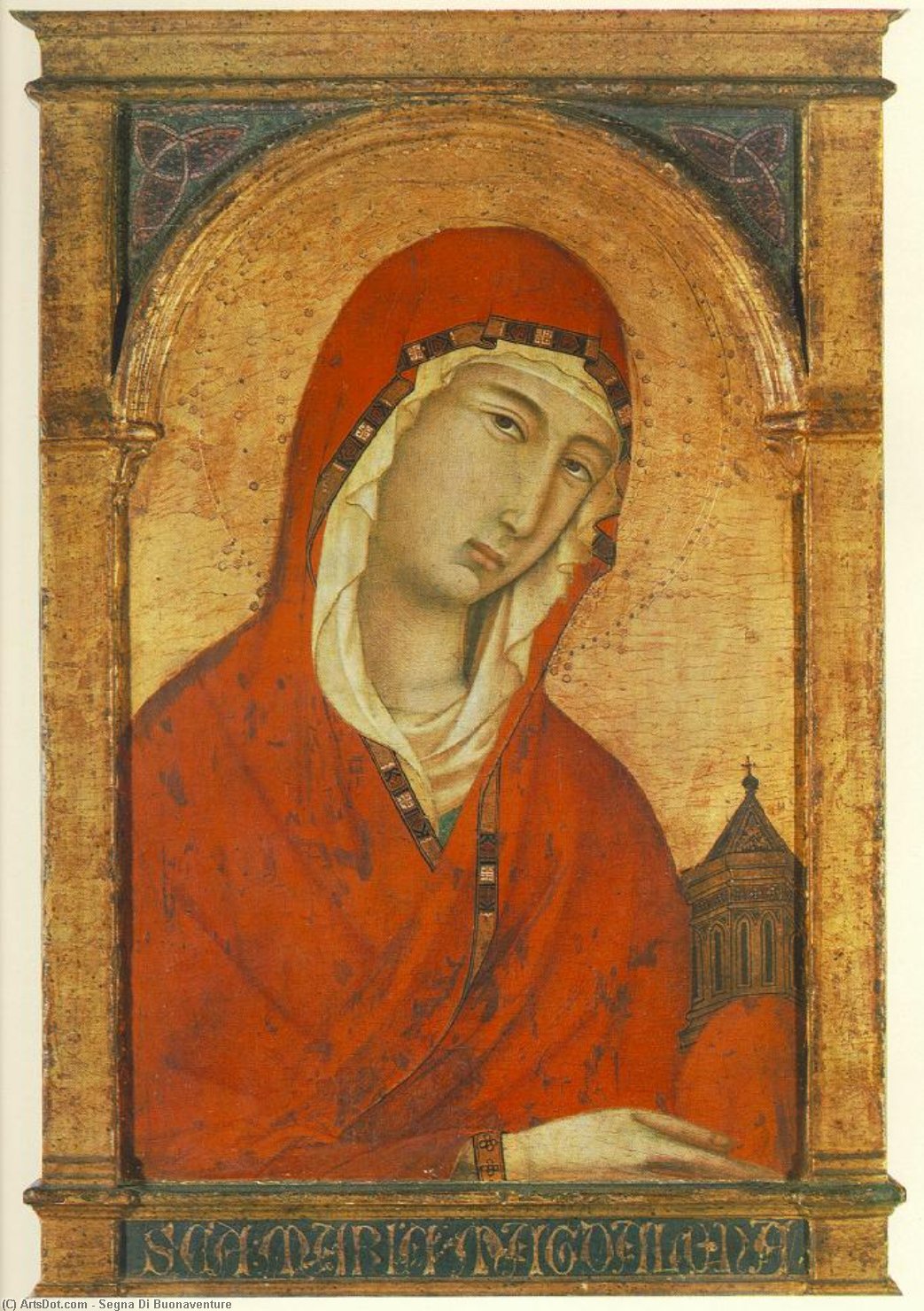
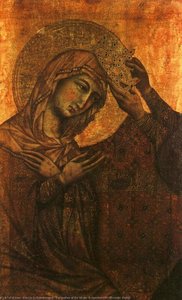
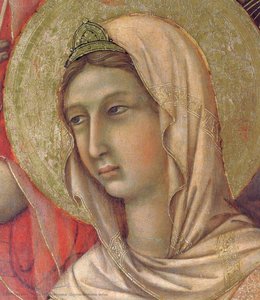
St Magdalen
 Early Renaissance
 44.0 x 29.0 cm
 アルテ・ピナコテーク
 詳細を見る
詳細を見る
オンラインプレビューをはるかに凌ぐ、高解像度で鮮明なデジタル画像をご購入いただけます。
各ファイルは、社内の専門家が高度なツールと熟練した手作業によるレタッチを用いて、細心の注意を払って準備されています。すべての画像において、卓越した鮮明度、正確な色彩再現性、そして繊細なディテールを保証いたします。
最終ファイルは、プロフェッショナルな編集・印刷環境ですぐにご利用いただけるよう最適化された状態で、72時間以内にメールにてお届けいたします。これは、一流のデザインスタジオ、出版社、ギャラリーから信頼されているものと同等の品質です。
デジタル画像のご注文に付随する特典
高品質なデジタル画像配信を、確かな品質で。
ArtsDot.com を選ぶことは、単に画像を手に入れることではありません。それは、プロの手によって精密に仕上げられ、満足保証が付いた高品質なデジタルアートワークを受け取ることを意味します。ご注文いただいた際に自動的に付随する内容は、以下の通りです:

メールですぐにお届け
ご注文から72時間以内に、高解像度のデジタル画像ファイルがメールでお手元に届きます。すぐにそのままご利用いただけます。

AI技術で最適化されたデジタルファイル
お客様の作品は、高度なAIツールと専門家による手作業の編集を組み合わせてプロフェッショナルに最適化されており、細部のディテール、鮮明さ、そして正確な色再現性を最大限に引き出しています。

一生涯無料の再送サービス
ファイルを誤って削除したり、紛失してしまったりしましたか?ご安心ください。いつでも無料で再送いたします。

輸入手数料は一切かかりません
関税や手数料、配送料を気にすることなく、お気に入りのアートワークをすぐにお楽しみいただけます。デジタルダウンロードは常に免税です。

色彩再現の保証
プロ仕様のツールとカラーマネジメント技術を用いることで、デジタル画像が元の色を最大限に忠実に再現することを保証いたします。

60日間満足保証
ご購入いただいたデジタル画像にご満足いただけない場合は、60日以内であれば、修正または100%の返金(理由を問う必要はありません)をさせていただきます。

100% 返金保証
ご満足いただけない場合は、デジタルファイルを受け取ってから60日以内であれば、理由を問わず全額返金いたします。

まとめ買い割引
3枚購入で10%OFF - 5枚購入で15%OFF - 10枚以上購入で20%OFF。クリエイティブなプロジェクト、ギャラリー、エージェンシーに最適です。
関連作品
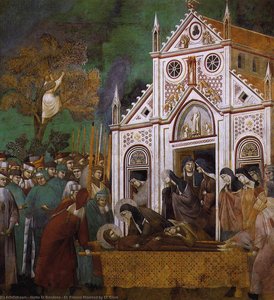
![Legend Of St Francis - [23] - St Francis Mourned By St Clare — ジョット, Gothic](/media/artworks/images-thumb/17/1c/171c284c41dc3ef8bca83e51c1e1e531.jpg)
![Legend Of St Francis - [12] - Ecstasy Of St Francis — ジョット, Proto-renaissance](/media/artworks/images-thumb/04/ab/04abd6d876609c25d110143ce0fae9c5.jpg)
作家の略歴
Segna di Buonaventure: A Shadow of Siena’s Brilliance
Segna di Buonaventure, a name that echoes through the annals of early Trecento painting, remains an intriguing figure shrouded in a degree of mystery. Born around 1298 in Siena, Italy, and tragically dying sometime before 1331, his life spanned a period of immense artistic ferment – the very dawn of the Renaissance – and he left behind a remarkably small but intensely significant body of work. While much about his early training and precise biographical details remains elusive, we can piece together a compelling portrait of an artist deeply rooted in the Sienese school yet possessing a unique, almost austere sensibility that distinguished him from his more celebrated contemporaries like Duccio di Buoninsegna, his uncle. His existence is documented through relatively sparse archival evidence, primarily relying on mentions within guild records and convent notices, lending a certain air of scholarly intrigue to his artistic legacy. Despite the limited information, Segna’s paintings offer a valuable glimpse into the evolving visual language of the period, showcasing both the influence of Byzantine traditions and the nascent experimentation with naturalism that would define the Renaissance.Early Influences and Artistic Development
Segna's artistic journey is believed to have begun under the tutelage of his uncle, Duccio di Buoninsegna, a towering figure in Sienese painting. Duccio’s workshop at Siena was a crucible of innovation, where artists honed their skills in tempera on gesso panels – a technique favored for its luminosity and durability. Segna's early works demonstrate a clear debt to Duccio’s style, particularly in the use of gold leaf to create shimmering halos around figures and the meticulous rendering of drapery with intricate web-like patterns. However, unlike Duccio’s often exuberant and emotionally charged compositions, Segna’s paintings possess a more restrained elegance, characterized by a sense of solemnity and a focus on formal clarity. The influence of Byzantine iconography is also readily apparent in his work – the stylized poses, the hierarchical arrangement of figures, and the use of flattened perspective all point to a deep engagement with the artistic traditions of Constantinople. It’s believed that Segna spent time in Florence during this period, absorbing influences from the burgeoning Florentine school, which was beginning to experiment with linear perspective and naturalistic representation.Key Works and Distinctive Style
Despite his relatively small output – only four paintings definitively attributed to him have survived – Segna’s works are remarkably distinctive. His most celebrated pieces include “St. Magdalen” (circa 1315-1320) and “Mary Magdalen” (circa 1320), both housed in the collection of ArtsDot, which showcase his mastery of tempera on wood. "St. Magdalen" is particularly striking for its dramatic lighting and the artist’s ability to convey a sense of profound sorrow through the figure's posture and expression. The painting’s composition is carefully balanced, with the saint presented in a three-quarter view that emphasizes her vulnerability and spiritual intensity. “Mary Magdalen” similarly demonstrates Segna’s skill in rendering human form and emotion, capturing the saint’s penitent gaze and humble demeanor. Beyond these iconic portraits, he created a "Crucifix" (circa 1320), a powerfully emotive depiction of Christ on the cross, characterized by its stark simplicity and emotional directness. His work is notable for its use of muted colors and a preference for clear, precise lines, creating an atmosphere of quiet contemplation.Symbolism and Historical Context
Segna’s paintings are not merely aesthetically pleasing; they are rich in symbolic meaning. The halos surrounding the figures, for example, represent their sanctity and divine grace. The use of gold leaf symbolizes spiritual illumination and transcendence. Furthermore, his works reflect the prevailing religious climate of 14th-century Italy, a period marked by both fervent piety and growing intellectual curiosity. The Church was undergoing significant reforms, and artists were increasingly called upon to create images that would inspire devotion and reinforce orthodox doctrine. Segna’s paintings can be seen as part of this broader cultural dialogue, offering a visual representation of faith and spirituality within the context of his time. His work also provides insight into the economic and social dynamics of Siena during the early 14th century, reflecting the city's status as a major center of trade and craftsmanship.Legacy and Historical Significance
Segna di Buonaventure’s legacy is one of quiet significance. He wasn’t a flamboyant innovator like his uncle Duccio, but rather a steady, reliable artist who contributed significantly to the development of Sienese painting. His work represents a crucial link between the Byzantine traditions that had shaped Italian art for centuries and the emerging naturalism of the Renaissance. His restrained style, characterized by clarity, solemnity, and a profound sense of spirituality, offers a valuable counterpoint to the more exuberant expressions of his contemporaries. While he may not be as widely celebrated as some of his peers, Segna’s paintings continue to fascinate art historians and viewers alike, offering a poignant glimpse into the artistic world of early 14th-century Siena – a world where shadow and light, faith and doubt, intertwined to create works of enduring beauty.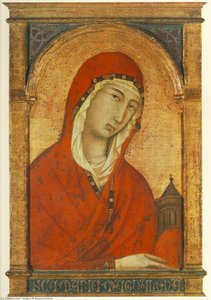
segna di buonaventure
1298 - 1326
プロフィール概要
- Artistic Movement Or Style: Trecento
- Artists Or Movements Influenced By This Artist: ['Sienese School']
- Artists Who Influenced This Artist: ['Duccio di Buoninsegna']
- Date Of Birth: c.1298
- Date Of Death: 1326/31
- Full Name: Segna di Buonaventure
- Nationality: Italian
- Notable Artworks:
- St Magdalen
- Mary Magdalen
- Crucifix
- Place Of Birth: Siena, Italy

