

 プレビュー
プレビュー
 プリントを購入
 シェアする
シェアする シェアする
シェアする
 詳細を見る
詳細を見る

 ダウンロード
 似ている作品
 X線調査
X線調査 スライドショー
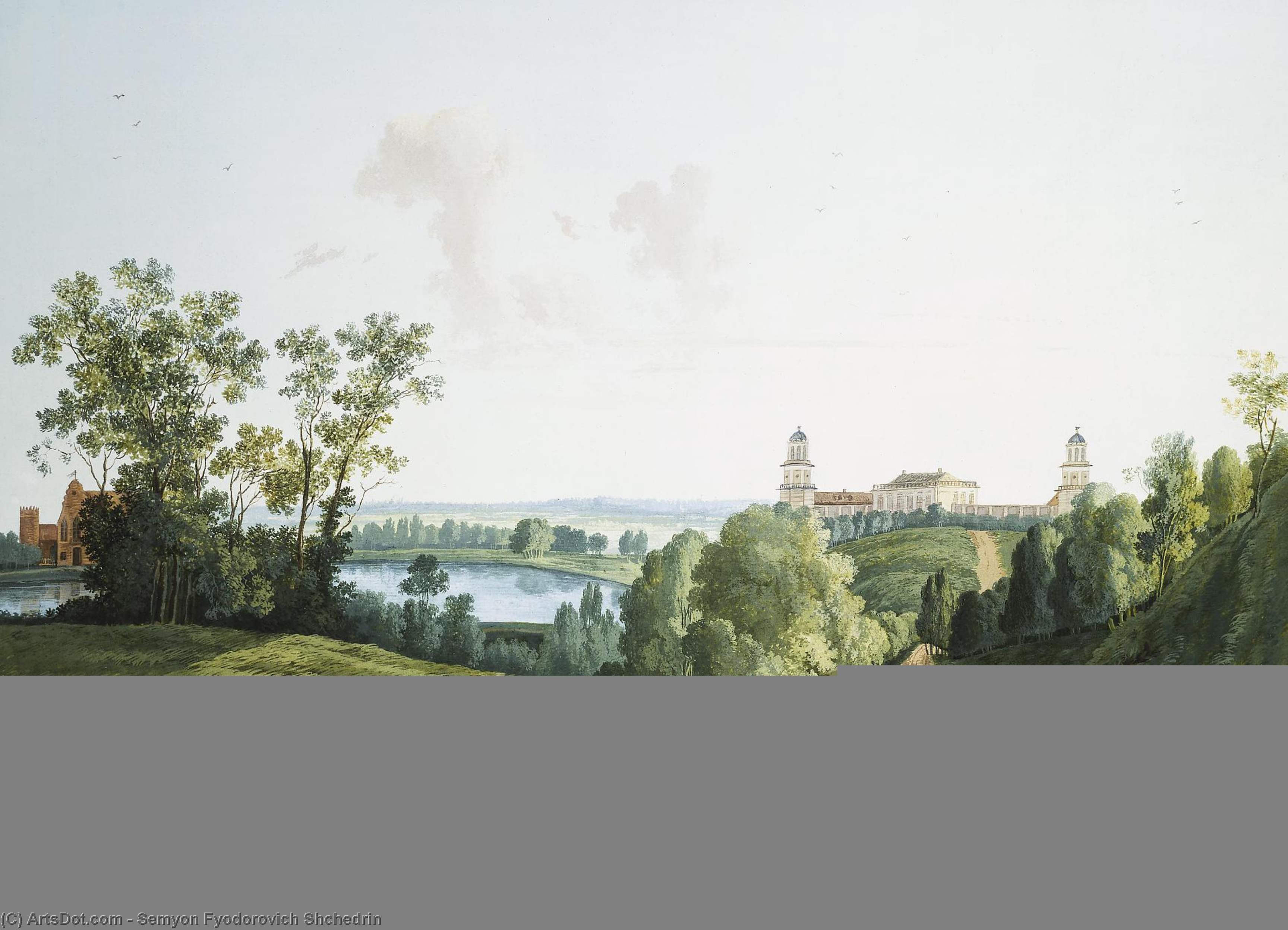
Landscape with a Farm in the Park in Tsarskoye Selo
 Acrylic On Canvas
- WallArt
- Romantic Landscape
 58.0 x 73.0 cm
 エルミタージュ美術館
 詳細を見る
詳細を見る
オンラインプレビューをはるかに凌ぐ、高解像度で鮮明なデジタル画像をご購入いただけます。
各ファイルは、社内の専門家が高度なツールと熟練した手作業によるレタッチを用いて、細心の注意を払って準備されています。すべての画像において、卓越した鮮明度、正確な色彩再現性、そして繊細なディテールを保証いたします。
最終ファイルは、プロフェッショナルな編集・印刷環境ですぐにご利用いただけるよう最適化された状態で、72時間以内にメールにてお届けいたします。これは、一流のデザインスタジオ、出版社、ギャラリーから信頼されているものと同等の品質です。
デジタル画像のご注文に付随する特典
高品質なデジタル画像配信を、確かな品質で。
ArtsDot.com を選ぶことは、単に画像を手に入れることではありません。それは、プロの手によって精密に仕上げられ、満足保証が付いた高品質なデジタルアートワークを受け取ることを意味します。ご注文いただいた際に自動的に付随する内容は、以下の通りです:

メールですぐにお届け
ご注文から72時間以内に、高解像度のデジタル画像ファイルがメールでお手元に届きます。すぐにそのままご利用いただけます。

AI技術で最適化されたデジタルファイル
お客様の作品は、高度なAIツールと専門家による手作業の編集を組み合わせてプロフェッショナルに最適化されており、細部のディテール、鮮明さ、そして正確な色再現性を最大限に引き出しています。

一生涯無料の再送サービス
ファイルを誤って削除したり、紛失してしまったりしましたか?ご安心ください。いつでも無料で再送いたします。

輸入手数料は一切かかりません
関税や手数料、配送料を気にすることなく、お気に入りのアートワークをすぐにお楽しみいただけます。デジタルダウンロードは常に免税です。

色彩再現の保証
プロ仕様のツールとカラーマネジメント技術を用いることで、デジタル画像が元の色を最大限に忠実に再現することを保証いたします。

100日間満足保証
ご購入いただいたデジタル画像にご満足いただけない場合は、100日以内であれば、理由を問わず修正または100%の返金対応をさせていただきます。

100% 返金保証
ご満足いただけない場合は、デジタルファイルを受け取ってから100日以内であれば、理由を問わず全額返金いたします。

まとめ買い割引
3枚購入で10%OFF - 5枚購入で15%OFF - 10枚以上購入で20%OFF。クリエイティブなプロジェクト、ギャラリー、エージェンシーに最適です。
A Serene Vision of Imperial Russia
Semyon Shchedrin’s “Landscape with a Farm in the Park in Tsarskoye Selo” is more than just a depiction of a picturesque estate; it's a carefully constructed tableau of Russian imperial life, imbued with the quiet grandeur and contemplative spirit of the late 18th century. Painted around 1790-1804, during Shchedrin’s prolific career as a landscape artist working primarily for Catherine the Great, this gouache on cardboard masterpiece offers a glimpse into the meticulously curated world of Tsarskoye Selo, one of Russia's most celebrated palaces and gardens.
The scene unfolds across a gently rolling expanse, dominated by a sprawling estate nestled amongst verdant hills. A meandering river reflects the soft hues of the sky, while a stately palace – likely Pavlovsk Palace, a favored retreat for the Empress – rises in the distance, its classical architecture softened by the atmospheric perspective characteristic of Shchedrin’s style. Foreground trees, rendered with delicate detail and varying shades of green, create a sense of depth, drawing the viewer into the composition. The inclusion of a small farmstead suggests the agricultural prosperity underpinning the imperial court's lifestyle – a subtle reminder of the land’s bounty and the connection between power and productivity.
The Language of Neoclassicism
Shchedrin’s approach is firmly rooted in the principles of Neoclassicism, a movement that sought to revive the artistic ideals of ancient Greece and Rome. This is evident in the carefully balanced composition, the emphasis on clear lines and forms, and the restrained use of color. The artist avoids dramatic contrasts or overly expressive brushstrokes, opting instead for a smooth, polished surface achieved through the application of gouache – a medium known for its opacity and ability to create subtle gradations of tone. The meticulous detail in depicting architectural elements like the palace and the farm buildings speaks to a desire for accuracy and order, reflecting the values associated with Enlightenment thought.
Notably, Shchedrin’s work bridges the gap between the Rococo style prevalent earlier in his career and the more formal Neoclassicism that gained prominence under Catherine's reign. The painting retains some of the Rococo’s fondness for naturalistic detail and a sense of idyllic beauty, but it is tempered by a greater emphasis on structure, proportion, and restraint – hallmarks of the new artistic order.
Symbolism and Emotional Resonance
Beyond its purely representational qualities, “Landscape with a Farm in the Park in Tsarskoye Selo” carries significant symbolic weight. The palace, a symbol of imperial power and wealth, is presented not as an ostentatious display of grandeur but rather as a harmonious element within the landscape. The inclusion of the farmstead subtly reminds viewers of the social hierarchy underpinning the scene – the privileged elite enjoying the fruits of labor performed by those less fortunate. The overall mood is one of tranquility and serenity, inviting contemplation and reflecting the Empress’s desire to create an atmosphere of refined beauty and intellectual stimulation within her court.
Furthermore, the painting's connection to Tsarskoye Selo – a place renowned for its artistic patronage and cultural significance – elevates it beyond a simple landscape. It becomes a testament to the imperial commitment to art and architecture, embodying the ideals of a flourishing society under Catherine’s enlightened rule. The soft lighting and muted color palette contribute to this sense of peacefulness, creating an emotional resonance that transcends mere visual representation.
A Legacy in Reproduction
Today, reproductions of “Landscape with a Farm in the Park in Tsarskoye Selo” offer art enthusiasts a chance to experience Shchedrin’s masterful artistry and appreciate the beauty of this iconic Russian landscape. Whether displayed as a statement piece in a grand salon or incorporated into a more intimate setting, this painting continues to evoke a sense of timeless elegance and quiet contemplation – a lasting legacy of an era defined by imperial ambition and artistic refinement.
関連作品

作家の略歴
William Hogarth: A Moral Mirror of 18th Century England
William Hogarth, born in London on November 10, 1697, stands as a pivotal figure in the history of English art – a pioneer who bridged the gap between illustration and fine painting. His legacy isn’t defined by grand landscapes or heroic historical scenes, but rather by his unflinching moral and satirical engravings and paintings that offered a brutally honest, often darkly humorous, reflection of 18th-century London society. He was the first English-born artist to achieve widespread international recognition, largely due to his ability to capture both the superficial glamour and the underlying corruption of his time. His life, marked by financial struggles and a persistent pursuit of artistic validation, ultimately shaped an oeuvre that remains remarkably relevant today.Early Life and Artistic Training – A Foundation Built on Frustration
Hogarth’s childhood was far from idyllic. Born into a family of modest means, his father, Richard Hogarth, a classical scholar, struggled to provide for his household, leading to a period of relative poverty and a deep-seated resentment within the young William. His formal artistic training began with an apprenticeship as a silversmith, a profession he found deeply unsatisfying – a far cry from the creative expression he craved. This experience, however, instilled in him a pragmatic approach to his art, a willingness to learn through observation and experimentation, and a keen eye for detail. Crucially, it also fostered a distrust of established institutions, particularly those involved in printing and publishing, which would later inform his artistic choices and subject matter. He sought refuge in the study of classical literature and drawing, developing his skills independently before eventually being accepted into the Academy of Arts, where he studied under Francis Hayman. Despite this formal training, Hogarth’s true education came from observing the world around him – the bustling streets of London, the opulent homes of the wealthy, and the desperate lives of the poor.The Rise of Moral Panics: Engravings as Social Commentary
Hogarth's breakthrough came through his engravings, a medium he mastered with remarkable skill. He quickly established himself as a leading satirical artist, producing a series of prints that exposed the vices and follies of London society. His most famous works – *Marriage A-la-Mode*, *The Rake’s Progress*, *Gin Lane*, and *A Harlot's Progress* – are not merely decorative illustrations; they are meticulously constructed narratives designed to critique social ills. *The Gin Lane* series, for example, vividly depicted the devastating effects of gin consumption on the poor, while *A Harlot’s Progress* charted the downward spiral of a woman’s life through a series of increasingly grim scenes. These works were not intended as gentle moralizing; they were often shocking and confrontational, designed to provoke thought and action. Hogarth's use of caricature, exaggerated features, and detailed settings created a powerful visual language that resonated deeply with the public.Painting and Theory: A Pursuit of Recognition
Despite his success as an engraver, Hogarth harbored ambitions to establish himself as a painter, particularly in the grand tradition of history painting. He produced numerous portraits and historical scenes, but these efforts were largely unsuccessful, hampered by financial difficulties and a lack of patronage. He was deeply frustrated by the limitations placed upon him as an artist, struggling to gain acceptance within the established artistic circles. However, his intellectual curiosity led him to develop a sophisticated theory of painting, outlined in *A Dissertation on Painting*, published in 1738. This treatise explored the relationship between art and morality, arguing that paintings should serve as moral lessons for viewers. While not widely embraced during his lifetime, Hogarth’s theories have since been recognized as remarkably prescient, anticipating many of the ideas later developed by Romantic artists like William Blake.Legacy and Influence
William Hogarth died in London on October 26, 1764, at the age of 66. His impact on art history is profound. He is considered a pioneer of sequential art – the use of multiple images to tell a story – and his satirical engravings laid the groundwork for later caricatures and political cartoons. His meticulous attention to detail, his unflinching portrayal of social realities, and his innovative approach to composition influenced generations of artists. Furthermore, Hogarth’s emphasis on the moral dimension of art helped to shift the focus from mere aesthetic beauty to a more socially conscious engagement with the world. Today, his works are celebrated for their artistic merit, their historical significance, and their enduring relevance as a commentary on human nature and society. His legacy continues to inspire artists and viewers alike, reminding us of the power of art to both reflect and shape our understanding of the world around us.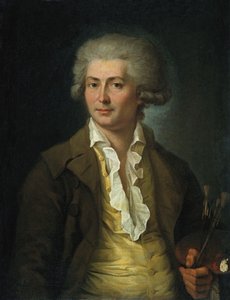
semyon fyodorovich shchedrin
1745 - 1804 , Russia
プロフィール概要
- Artistic Movement Or Style: English school
- Artists Who Influenced This Artist: ['Richardson the elder, Jonathan],\n "Artists or movements influenced by this artist": ["Romantic literature"]\n}']
- Date Of Birth: November 10, 1697
- Date Of Death: October 26, 1764
- Full Name: William Hogarth
- Nationality: English
- Notable Artworks:
- A Rake’s Progress
- Marriage a-la-mode
- Place Of Birth: London, England