

 プレビュー
プレビュー
 プリントを購入
 シェアする
シェアする シェアする
シェアする
 詳細を見る
詳細を見る

 ダウンロード
 似ている作品
 X線調査
X線調査 スライドショー
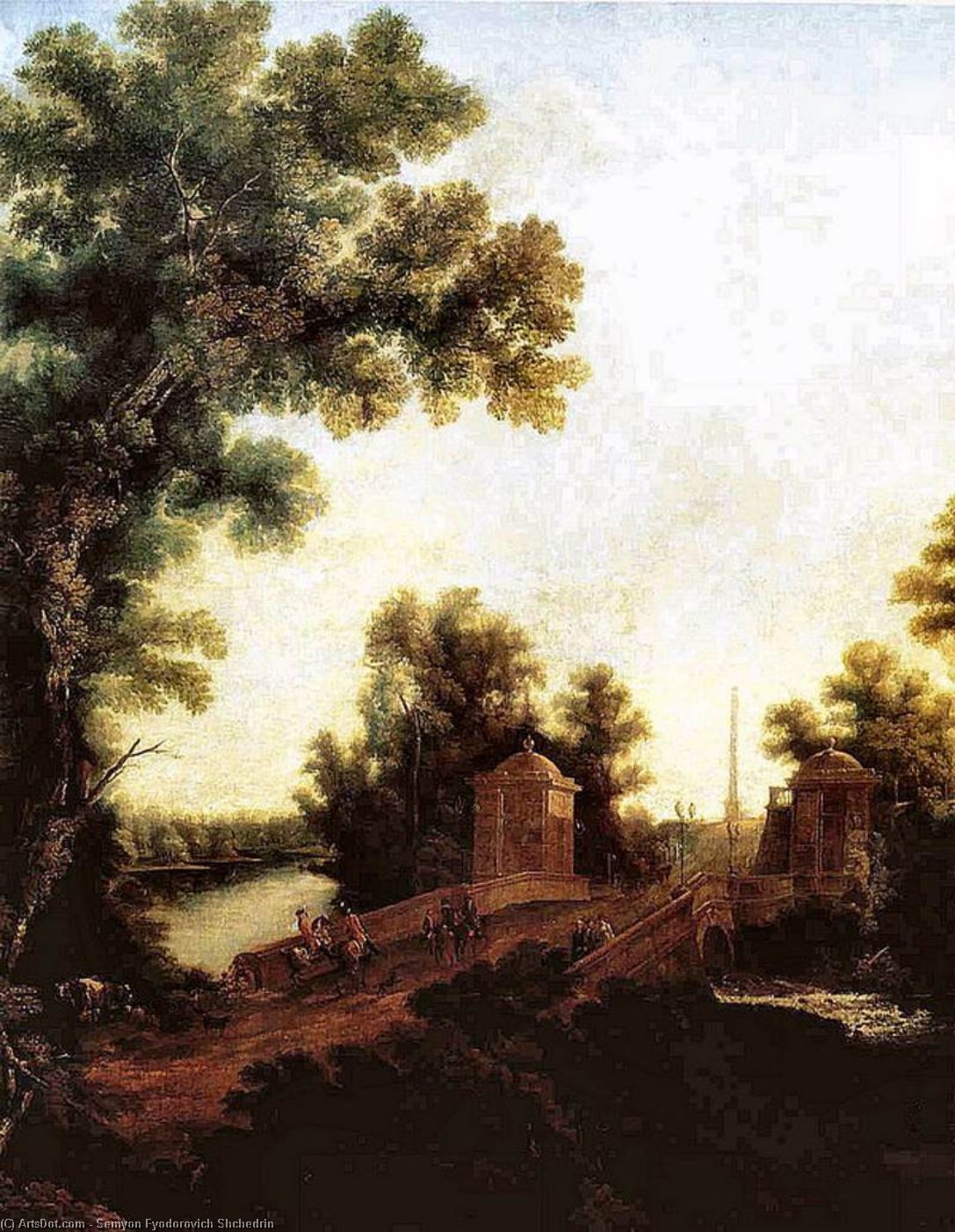
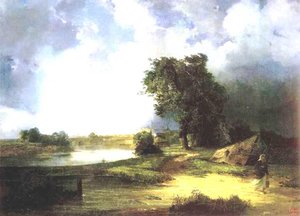
Stone Bridge in Gatchina near Constable Square


 詳細を見る
詳細を見る




P118B $10

P118H $10

P118W $10

P438Z $10

P508JH $12

P508YH $12

P805H $10

P805Z $10

P919BZ $10

P919G $10

P919XJ $10

P959ZH $10

P968JZ $12

W106C $8

W218G $10

W218JH $8

W218Y $10

W307PJ $10

W316G $10

W316PJ $8

W316Y $10

W398PJ $8

W4111J $10

W500HY $15

W500JH $15

W692G $12

W849H $8

W940BG $15

W953PJ $8




作品のオリジナル比率に合わせた、当店の規定サイズからお選びください。

特定のフレームやスペースに合わせて、ご希望のサイズをご入力いただけます。選択されたサイズが元の画像の比率と異なる場合、アートワークをトリミングするか、手描きで要素を追加して絵画を拡張いたします。デジタルモックアップ を制作し、制作開始前にご確認(承認)をいただきます。
画面上のプレビューは、実際のトリミングや拡張を正確に反映しているものではありません。最終的な構図は、モックアップによってのみ正確にご確認いただけます。
カスタムサイズもご利用いただけますが、元の比率を維持するためには、あらかじめ用意されたリストからサイズを選択することをお勧めいたします。
ご注文後、ArtsDot.com チームより詳細な指示をお送りするとともに、仕上がりイメージ(モックアップ)をご提供いたします。


 ガラスオプションは、110cm未満のサイズでのみご利用いただけます。

Stone Bridge in Gatchina near Constable Square
複製技法
複製画のサイズ
-


合計金額
$ 263
作品解説
A Window Into Imperial Russia: Exploring Semyon Shchedrin’s “Stone Bridge in Gatchina Near Constable Square”
The landscape painting "Stone Bridge in Gatchina Near Constable Square," executed by Semyon Fyodorovich Shchedrin in 1799, stands as a testament to the burgeoning neoclassical aesthetic within Imperial Russia and offers a glimpse into the grandeur of Tsarskoye Selo Palace gardens. More than just a depiction of scenery, it’s a carefully crafted visual narrative imbued with symbolic resonance and reflecting the artistic influences of William Hogarth – a connection that elevates its significance beyond mere topographical accuracy.The Artist's Vision: Hogarthian Influence and Classical Style
Shchedrin’s stylistic choices demonstrate a conscious engagement with the principles championed by Hogarth, whose unflinching moral gaze had revolutionized English art decades earlier. Unlike the ornate Rococo style prevalent at the time, Shchedrin opted for a restrained palette dominated by earthy browns and muted greens—a deliberate decision to convey serenity and stability. The composition adheres rigorously to classical conventions: a symmetrical arrangement emphasizing balance and harmony, mirroring the ideals of Enlightenment thought. This stylistic allegiance isn’t merely superficial; it speaks to a broader artistic dialogue concerning truthfulness and observation – qualities Hogarth had relentlessly pursued in his engravings.A Palace Garden Reverie: Setting and Symbolism
The painting portrays Gatchina Palace gardens, specifically focusing on the stone bridge spanning over a tranquil river—a deliberate selection designed to evoke feelings of contemplation and aristocratic leisure. The meticulously rendered foliage symbolizes vitality and abundance, mirroring the imperial ambition for prosperity and artistic patronage. The domed roofs of the flanking buildings aren’t merely architectural details; they represent permanence and authority – emblems of Tsarist rule during Shchedrin's era. These elements collectively contribute to a scene that transcends its visual representation, inviting viewers to consider themes of power, beauty, and the harmonious relationship between man and nature.Technique and Detail: Mastering Impressionistic Light
Shchedrin’s masterful technique showcases an impressive understanding of chiaroscuro—the dramatic interplay of light and shadow—a technique honed by Hogarth himself. He skillfully captures the diffused sunlight filtering through the trees, creating a soft glow that illuminates the bridge and river surface. The artist's meticulous attention to textural detail – from the rough stone of the bridge arches to the delicate foliage – underscores his commitment to realism and elevates the artwork beyond mere picturesque beauty. This dedication to observation aligns perfectly with Hogarth’s insistence on portraying life as it truly is, rather than idealizing it.A Legacy Preserved: The Tretyakov Gallery's Showcase
Currently housed at the State Tretyakov Gallery in Moscow, “Stone Bridge in Gatchina Near Constable Square” continues to captivate audiences with its timeless elegance and artistic integrity. Its enduring appeal lies not only in its aesthetic qualities but also in its connection to a pivotal moment in Russian art history—a legacy solidified by Shchedrin’s mentorship of Sylvester Shchedrin and his contribution to the transition from Rococo to Neoclassical styles. It remains an invaluable exemplar of classical landscape painting, inviting contemplation on beauty, order, and the grandeur of imperial Russia.関連作品


アーティストの略歴
William Hogarth: A Moral Mirror of 18th Century England
William Hogarth, born in London on November 10, 1697, stands as a pivotal figure in the history of English art – a pioneer who bridged the gap between illustration and fine painting. His legacy isn’t defined by grand landscapes or heroic historical scenes, but rather by his unflinching moral and satirical engravings and paintings that offered a brutally honest, often darkly humorous, reflection of 18th-century London society. He was the first English-born artist to achieve widespread international recognition, largely due to his ability to capture both the superficial glamour and the underlying corruption of his time. His life, marked by financial struggles and a persistent pursuit of artistic validation, ultimately shaped an oeuvre that remains remarkably relevant today.Early Life and Artistic Training – A Foundation Built on Frustration
Hogarth’s childhood was far from idyllic. Born into a family of modest means, his father, Richard Hogarth, a classical scholar, struggled to provide for his household, leading to a period of relative poverty and a deep-seated resentment within the young William. His formal artistic training began with an apprenticeship as a silversmith, a profession he found deeply unsatisfying – a far cry from the creative expression he craved. This experience, however, instilled in him a pragmatic approach to his art, a willingness to learn through observation and experimentation, and a keen eye for detail. Crucially, it also fostered a distrust of established institutions, particularly those involved in printing and publishing, which would later inform his artistic choices and subject matter. He sought refuge in the study of classical literature and drawing, developing his skills independently before eventually being accepted into the Academy of Arts, where he studied under Francis Hayman. Despite this formal training, Hogarth’s true education came from observing the world around him – the bustling streets of London, the opulent homes of the wealthy, and the desperate lives of the poor.The Rise of Moral Panics: Engravings as Social Commentary
Hogarth's breakthrough came through his engravings, a medium he mastered with remarkable skill. He quickly established himself as a leading satirical artist, producing a series of prints that exposed the vices and follies of London society. His most famous works – *Marriage A-la-Mode*, *The Rake’s Progress*, *Gin Lane*, and *A Harlot's Progress* – are not merely decorative illustrations; they are meticulously constructed narratives designed to critique social ills. *The Gin Lane* series, for example, vividly depicted the devastating effects of gin consumption on the poor, while *A Harlot’s Progress* charted the downward spiral of a woman’s life through a series of increasingly grim scenes. These works were not intended as gentle moralizing; they were often shocking and confrontational, designed to provoke thought and action. Hogarth's use of caricature, exaggerated features, and detailed settings created a powerful visual language that resonated deeply with the public.Painting and Theory: A Pursuit of Recognition
Despite his success as an engraver, Hogarth harbored ambitions to establish himself as a painter, particularly in the grand tradition of history painting. He produced numerous portraits and historical scenes, but these efforts were largely unsuccessful, hampered by financial difficulties and a lack of patronage. He was deeply frustrated by the limitations placed upon him as an artist, struggling to gain acceptance within the established artistic circles. However, his intellectual curiosity led him to develop a sophisticated theory of painting, outlined in *A Dissertation on Painting*, published in 1738. This treatise explored the relationship between art and morality, arguing that paintings should serve as moral lessons for viewers. While not widely embraced during his lifetime, Hogarth’s theories have since been recognized as remarkably prescient, anticipating many of the ideas later developed by Romantic artists like William Blake.Legacy and Influence
William Hogarth died in London on October 26, 1764, at the age of 66. His impact on art history is profound. He is considered a pioneer of sequential art – the use of multiple images to tell a story – and his satirical engravings laid the groundwork for later caricatures and political cartoons. His meticulous attention to detail, his unflinching portrayal of social realities, and his innovative approach to composition influenced generations of artists. Furthermore, Hogarth’s emphasis on the moral dimension of art helped to shift the focus from mere aesthetic beauty to a more socially conscious engagement with the world. Today, his works are celebrated for their artistic merit, their historical significance, and their enduring relevance as a commentary on human nature and society. His legacy continues to inspire artists and viewers alike, reminding us of the power of art to both reflect and shape our understanding of the world around us.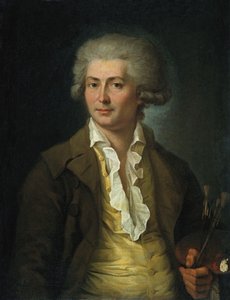
semyon fyodorovich shchedrin
1745 - 1804 , Russia
基本情報
- Artistic Movement Or Style: English school
- Artists Who Influenced This Artist: ['Richardson the elder, Jonathan],\n "Artists or movements influenced by this artist": ["Romantic literature"]\n}']
- Date Of Birth: November 10, 1697
- Date Of Death: October 26, 1764
- Full Name: William Hogarth
- Nationality: English
- Notable Artworks:
- A Rake’s Progress
- Marriage a-la-mode
- Place Of Birth: London, England
関連記事
Idyllic Visions: Exploring the Pastoral Scene in Art History – From Arcadia to Modern Interpretations
Explore the captivating history of pastoral art from classical Arcadia to modern masterpieces. Discover key artists like Millet & Cole at ArtsDot. Find serene landscape paintings for your home.

ジョン・コンスタブルの傑作25選:英国風景画の巨匠が描く自然と光の詩 | ArtsDot
ジョン・コンスタブルの傑作25選。英国風景画の巨匠が描く自然と光の詩の世界へ。ロマン主義を代表する絵画、デダム・ヴェールやヘイ・ウェインなど、ArtsDotで高品質なアートプリントをお楽しみください。インテリアに深みと感動を。コレクションはこちら。
Idyllic Visions: Exploring the Pastoral Tradition in Western Art – Themes, Techniques & Enduring Appeal
Explore the rich history of pastoral art from classical Arcadia to contemporary interpretations. Discover key artists, themes & collecting tips at ArtsDot.

ロマン派ランドスケープ:時代を彩る巨匠の10選|アートとインテリアの世界
ロマン派絵画の時代を彩る10選。巨匠たちの風景が織りなす感動の世界へ。ターナー、ルーベンスなど、名作の裏話と高精細複製でアートをお部屋に。ArtsDot.comで至福のアート体験を。

Evocations of Place: A Historical Journey Through Landscape Art
Explore the rich history of landscape art with ArtsDot. Discover renowned artists, movements like Impressionism & Romanticism, and expert guidance for collecting timeless pieces. Find your perfect serene escape today!

