

 プリントを購入
 シェアする
シェアする シェアする
シェアする
 詳細を見る
詳細を見る

 ダウンロード
 似ている作品
 スライドショー
R.S.V.P. I


 詳細を見る
詳細を見る
オンラインプレビューをはるかに凌ぐ、高解像度で鮮明なデジタル画像をご購入いただけます。
各ファイルは、社内の専門家が高度なツールと熟練した手作業によるレタッチを用いて、細心の注意を払って準備されています。すべての画像において、卓越した鮮明度、正確な色彩再現性、そして繊細なディテールを保証いたします。
最終ファイルは、プロフェッショナルな編集・印刷環境ですぐにご利用いただけるよう最適化された状態で、72時間以内にメールにてお届けいたします。これは、一流のデザインスタジオ、出版社、ギャラリーから信頼されているものと同等の品質です。
デジタル画像のご注文に付随する特典
高品質なデジタル画像配信を、確かな品質で。
ArtsDot.com を選ぶことは、単に画像を手に入れることではありません。それは、プロの手によって精密に仕上げられ、満足保証が付いた高品質なデジタルアートワークを受け取ることを意味します。ご注文いただいた際に自動的に付随する内容は、以下の通りです:

メールですぐにお届け
ご注文から72時間以内に、高解像度のデジタル画像ファイルがメールでお手元に届きます。すぐにそのままご利用いただけます。

AI技術で最適化されたデジタルファイル
お客様の作品は、高度なAIツールと専門家による手作業の編集を組み合わせてプロフェッショナルに最適化されており、細部のディテール、鮮明さ、そして正確な色再現性を最大限に引き出しています。

一生涯無料の再送サービス
ファイルを誤って削除したり、紛失してしまったりしましたか?ご安心ください。いつでも無料で再送いたします。

輸入手数料は一切かかりません
関税や手数料、配送料を気にすることなく、お気に入りのアートワークをすぐにお楽しみいただけます。デジタルダウンロードは常に免税です。

色彩再現の保証
プロ仕様のツールとカラーマネジメント技術を用いることで、デジタル画像が元の色を最大限に忠実に再現することを保証いたします。

100日間満足保証
ご購入いただいたデジタル画像にご満足いただけない場合は、100日以内であれば、修正または100%の返金(理由を問う必要はありません)をさせていただきます。

100% 返金保証
ご満足いただけない場合は、デジタルファイルを受け取ってから100日以内であれば、理由を問わず全額返金いたします。

まとめ買い割引
3枚購入で10%OFF - 5枚購入で15%OFF - 10枚以上購入で20%OFF。クリエイティブなプロジェクト、ギャラリー、エージェンシーに最適です。
Senga Nengudi’s “R.S.V.P. I”: A Dance of Form and Embodiment
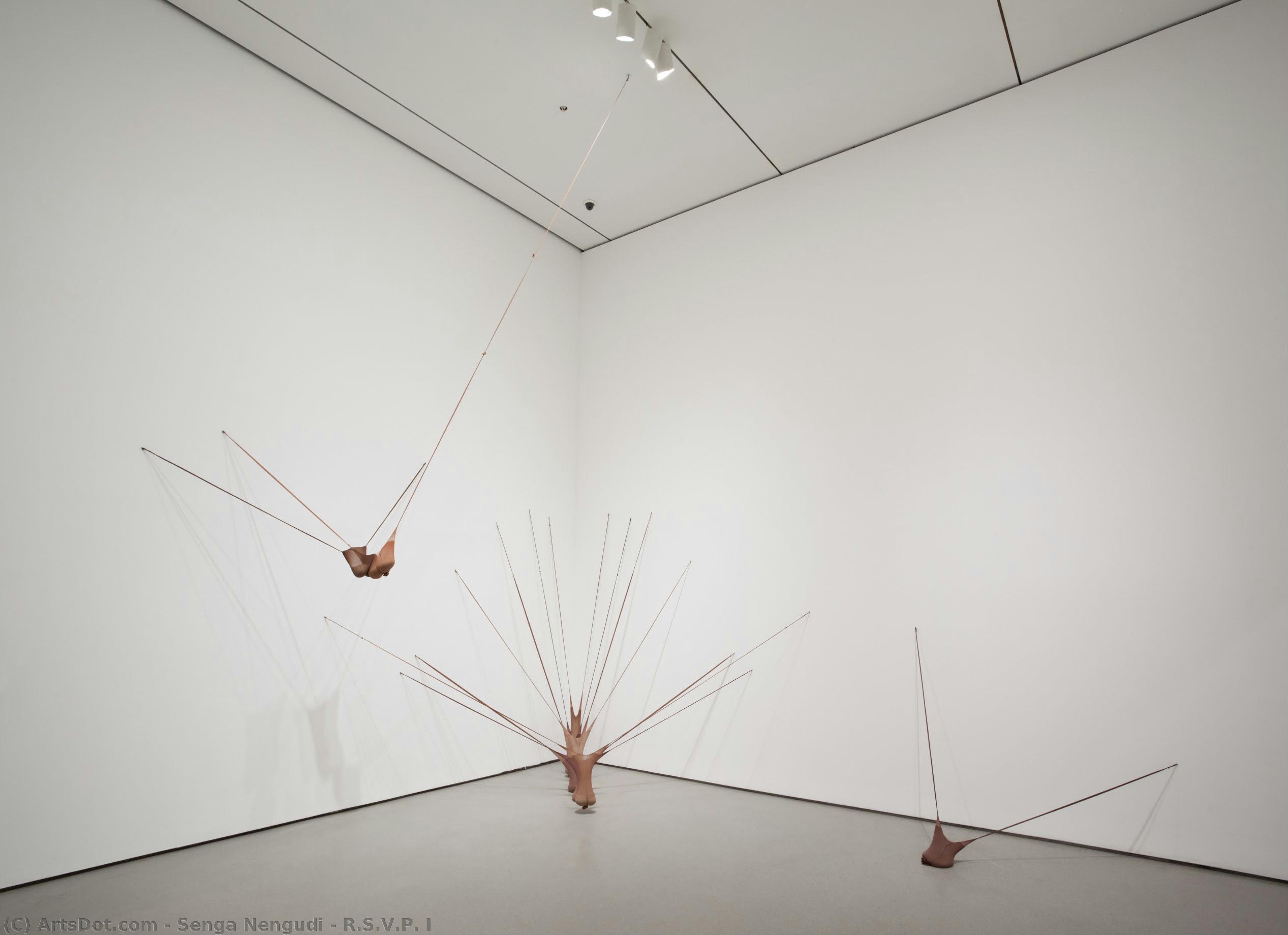
Within the stark geometry of a minimalist white gallery space, Senga Nengudi's 1977 sculpture, "R.S.V.P. I," emerges as a quietly powerful statement about the body, space, and the very act of engagement. More than just an arrangement of materials—twine, sand, and repurposed pantyhose—it’s a carefully orchestrated choreography of lines and volumes that invites contemplation and a visceral response. The work isn't merely observed; it’s experienced through its spatial presence and the subtle suggestion of movement inherent in its radiating form.
Nengudi, a pivotal figure within the Los Angeles Rebellion of the 1970s, was deeply invested in challenging conventional notions of art. Her practice moved beyond traditional representation, focusing instead on exploring the materiality of her chosen media and the dynamic relationships between objects and their environment. “R.S.V.P. I” embodies this ethos—a deliberate rejection of static form in favor of a process-oriented work that actively engages with the viewer’s perception.
The Language of Line and Texture
The sculpture's visual impact is immediately striking, yet remarkably restrained. Ten strands of reddish-brown twine, each originating from a small, roughly spherical mass, extend outwards across the gallery floor, creating a delicate, almost ethereal web. These strands aren’t uniformly spaced; they vary in length and density, suggesting an organic growth process rather than a calculated design. The sand within the spheres adds weight and texture, grounding the work while simultaneously contributing to its sense of lightness and airiness.
Close examination reveals the meticulous craftsmanship involved. The twine is skillfully manipulated, creating subtle variations in thickness and tension. The spherical masses themselves are not perfectly uniform—they possess a slightly irregular surface that hints at their handmade origins. This attention to detail elevates the work beyond mere assemblage, transforming it into a carefully considered meditation on form and texture.
A History of Embodied Performance
Understanding “R.S.V.P. I” requires acknowledging its context within Nengudi’s broader artistic practice. She frequently incorporated performance elements into her work, often inviting viewers to interact with the sculptures themselves. This participatory aspect was central to her vision—she sought to create works that were not simply objects to be viewed, but rather catalysts for embodied experience.
The title itself – “Répondez s’il vous plaît” – is a deliberate invitation: "Respond if you please." It speaks directly to this desire for engagement, suggesting that the sculpture is not complete until it has been actively experienced by its audience. This echoes her early work at Just Above Midtown Gallery (JAM), where she and collaborators would physically interact with the sculptures, stretching and manipulating their forms, further blurring the boundaries between artist, object, and viewer.
Symbolism and Emotional Resonance
Beyond its formal qualities, “R.S.V.P. I” carries a potent symbolic weight. The use of repurposed pantyhose—a traditionally feminine garment—references themes of identity, transformation, and the body’s capacity for change. The sand within the spheres can be interpreted as representing time, memory, or perhaps even the residue of past experiences.
Furthermore, the radiating pattern evokes notions of growth, expansion, and interconnectedness – a visual metaphor for the dynamic processes occurring within both the human body and the broader universe. The sculpture’s quiet elegance and subtle complexity invite viewers to contemplate their own relationship to these fundamental themes, creating an emotional resonance that lingers long after the initial encounter.
Reproductions and Interior Design
A high-quality reproduction of “R.S.V.P. I” can bring a touch of Nengudi’s thoughtful aesthetic into any space. The sculpture's restrained palette and dynamic composition lend themselves beautifully to contemporary interiors, offering a subtle yet engaging focal point. Consider pairing it with neutral tones or complementary earthy hues to enhance its visual impact. Its inherent sense of movement and contemplation makes it an ideal addition to spaces where quiet reflection and artistic appreciation are valued.
関連作品




作家の略歴
The Elasticity of Identity: The Artistry of Senga Nengudi
In the delicate, stretched fibers of a discarded nylon stocking, one finds the profound intersection of the personal and the political. This is the realm inhabited by Senga Nengudi, an artist whose work breathes with the rhythm of the human body and the weight of historical memory. Born Sue Irons in Chicago in 1943, Nengudi’s journey is a testament to resilience and the transformative power of materiality. Her early years, shaped by the realities of a segregated school system as she moved between Los Angeles and Pasadena, instilled in her a unique ability to navigate and bridge disparate worlds—a skill that would later define her role within the Los Angeles Rebellion, a pivotal collective of Black avant-garde artists.
Nengudi’s artistic language was forged through a multidisciplinary education that merged the physical grace of dance with the structural rigor of sculpture. After earning her Bachelor of Arts from California State University, Los Angeles, in 1967, she sought inspiration far beyond American shores, spending a transformative year at Waseda University in Tokyo. There, she immersed herself in the philosophies of the Gutai Art Association, an avant-garde movement that celebrated spontaneous gesture and the raw essence of materials. This international perspective, combined with her later Master of Arts in sculpture, allowed her to approach the medium not merely as a way to occupy space, but as a way to perform it.
Materiality and the Body in Motion
To encounter a Nengudi sculpture is to witness a dialogue between the ephemeral and the enduring. She is perhaps most celebrated for her mastery of found objects—materials that carry their own histories of use, wear, and abandonment. Most iconic among these are pantyhose, which she manipulates to evoke the fragility and strength of the female form. In her seminal R.S.V.P. “responsez sïlvous plait” series, created in the wake of her first child's birth, the nylon becomes a metaphor for the body’s capacity to expand, contract, and endure. These works do not merely sit in a gallery; they interact with gravity, sand, and the very air around them, mirroring the biological and social pressures placed upon women.
Her practice often blurs the boundaries between sculpture and performance, creating a sense of "choreographed" existence. By integrating movement into her installations, she invites the viewer to consider how identity is not a static state but a continuous process of becoming. Her use of sand, weight, and tension creates a visceral experience where the art feels as though it might collapse or burst at any moment, much like the societal structures she critiques. Through these textures, Nengudi explores themes of:
- Gendered Experience: Using domestic and feminine materials to challenge patriarchal narratives.
- Race and Culture: Navigating the complexities of African American identity within the broader landscape of contemporary art.
- Resilience: Highlighting the ability of both the human spirit and discarded objects to find new meaning through transformation.
A Legacy of Recognition and Influence
The historical significance of Senga Nengudi lies in her refusal to be categorized by a single medium or a single struggle. While her work is deeply rooted in the Black Arts Movement and the radical energy of the 1960s and 70s, its resonance is universal. She has successfully navigated the transition from the underground avant-garde to the highest echelons of institutional acclaim, without ever sacrificing the subversive edge of her practice. Her contributions have been honored with prestigious accolades, most notably being named the 2023 Nasher Prize Laureate, a recognition that cements her status as a titan of contemporary sculpture.
Today, Nengudi’s influence can be seen in the works of countless artists who utilize unconventional materials to speak truth to power. Her ability to find beauty in the "worn and discarded" serves as a powerful reminder of the agency we possess over our own narratives. As her work resides in permanent collections such as the Museum of Modern Art, the Hammer Museum, and the Studio Museum in Harlem, she continues to demand a response—not just from the viewer, but from history itself. Her life’s work remains an enduring, elastic loop of memory, movement, and profound human connection.
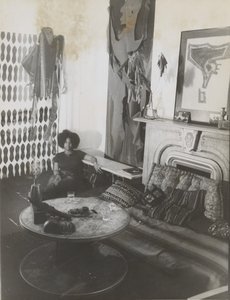
senga nengudi
1943 - , United States of America
プロフィール概要
- Artistic Movement Or Style: Abstract sculpture; Performance art; Found object art; Conceptual art
- Artists Or Movements Influenced By This Artist: ['Studio Z']
- Artists Who Influenced This Artist: ['Gutai Art Association']
- Date Of Birth: September 18, 1943
- Full Name: Senga Nengudi
- Nationality: American
- Notable Artworks:
- R.S.V.P. I
- R.S.V.P. XI
- Place Of Birth: Chicago, United States