

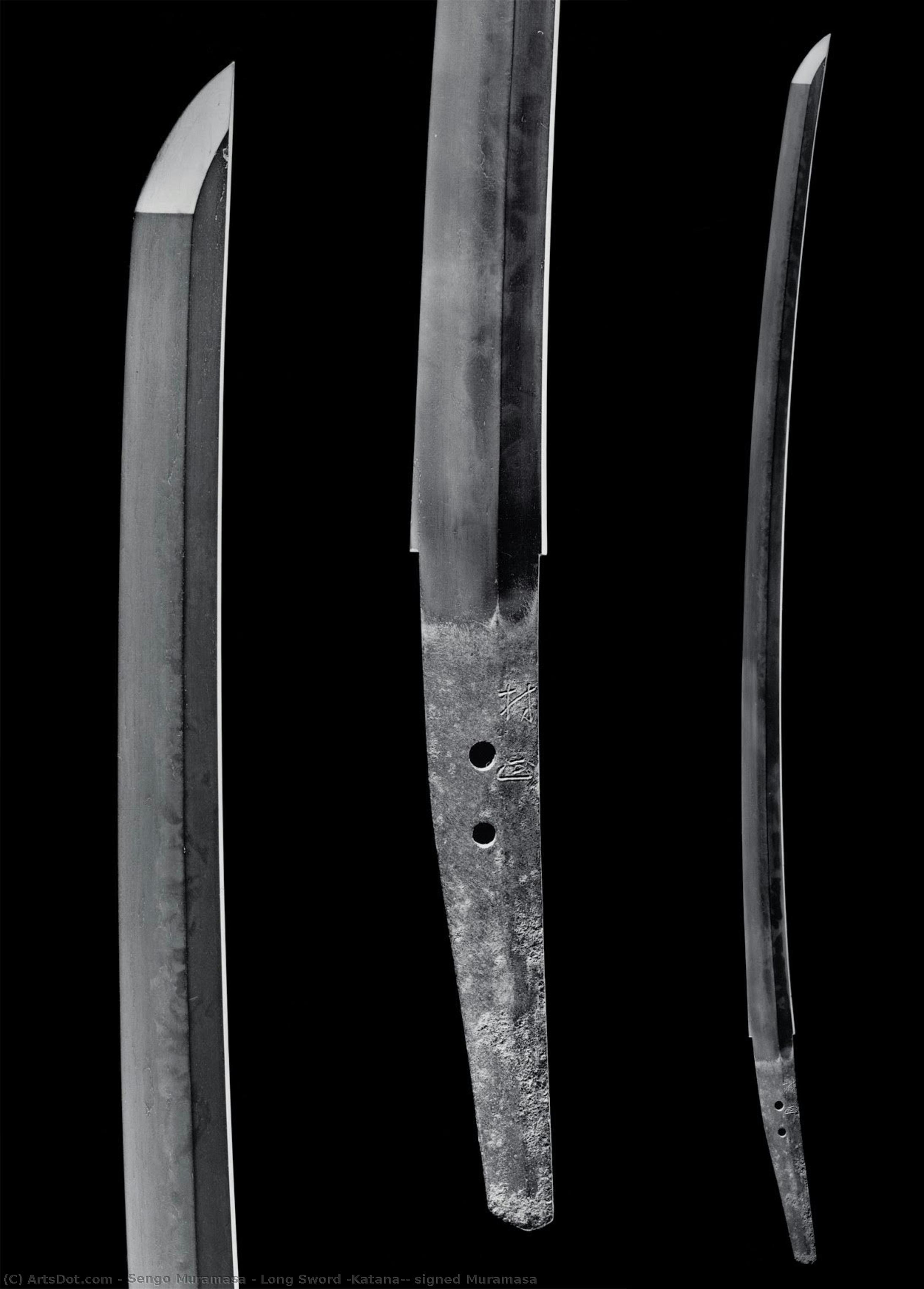
 プレビュー
プレビュー
 プリントを購入
 シェアする
シェアする シェアする
シェアする
 詳細を見る
詳細を見る

 ダウンロード
 似ている作品
 X線調査
X線調査 スライドショー
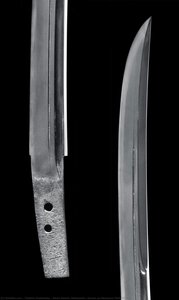
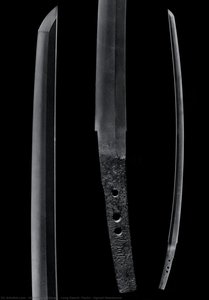
Long Sword (Katana), signed Muramasa

 詳細を見る
詳細を見る




































作品のオリジナル比率に合わせた、当店の規定サイズからお選びください。

特定のフレームやスペースに合わせて、ご希望のサイズをご入力いただけます。選択されたサイズが元の画像の比率と異なる場合、アートワークをトリミングするか、手描きで要素を追加して絵画を拡張いたします。デジタルモックアップ を制作し、制作開始前にご確認(承認)をいただきます。
画面上のプレビューは、実際のトリミングや拡張を正確に反映しているものではありません。最終的な構図は、モックアップによってのみ正確にご確認いただけます。
カスタムサイズもご利用いただけますが、元の比率を維持するためには、あらかじめ用意されたリストからサイズを選択することをお勧めいたします。
ご注文後、ArtsDot.com チームより詳細な指示をお送りするとともに、仕上がりイメージ(モックアップ)をご提供いたします。


 ガラスオプションは、110cm未満のサイズでのみご利用いただけます。

Long Sword (Katana), signed Muramasa
複製技法
複製画のサイズ
-


合計金額
$ 263
関連作品





アーティストの略歴
The Enigmatic Blades of Sengo Muramasa
The name Sengo Muramasa resonates through Japanese history, less as the biography of a man and more as a legend forged in steel. Born before 1501 in Kuhoku, Japan, during the tumultuous Muromachi period, Muramasa – often referred to simply as muramasa or by his full name 千子村正 (Sen-go Muramasa) – was not merely a swordsmith; he was an artisan who imbued his creations with a spirit that would captivate and trouble generations. His origins are shrouded in some mystery, typical of the itinerant smiths of the era, but it is known he established himself in Kuwana, Ise province (modern Mie Prefecture), becoming the founder of the influential Muramasa school.
A School Forged in Conflict
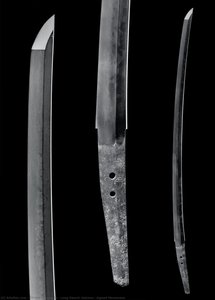
The Muromachi period was an age defined by near-constant warfare and political upheaval. This environment profoundly shaped Muramasa’s work. Swords were not simply weapons, but extensions of a warrior's soul, symbols of status, and vital tools for survival. The demand for exceptional blades was relentless, and Muramasa rose to meet it with an unparalleled dedication to his craft. He wasn’t working in isolation; the Muramasa school quickly became known for its distinctive style – characterized by a particularly active *hamon* (temper line), often described as resembling flames or swirling water, and exceptional sharpness. The techniques employed were closely guarded secrets passed down through generations of smiths within his lineage.
From Shogun’s Favor to Rebel Symbol
Initially, Muramasa enjoyed considerable patronage from powerful figures, most notably Tokugawa Ieyasu, the founder and first shogun of the Tokugawa shogunate. His katana were highly sought after by Ieyasu and his vassals, prized for their cutting ability and aesthetic beauty. However, this association would ironically contribute to the complex legacy of Muramasa’s blades. As the Tokugawa shogunate consolidated its power, any symbol associated with potential opposition became suspect. The very swords favored by Ieyasu were later seen as emblems of defiance, particularly among those who resisted the new regime. This shift in perception wasn't immediate but grew over time, fueled by tales of the swords’ insatiable thirst for blood and their supposed ability to influence the fate of their wielders.
The Lore of the *Yōtō*
It is from the 18th century onwards that the legend of Muramasa truly took hold, transforming him from a respected swordsmith into the creator of *yōtō* – wicked katana. Stories began to circulate depicting his blades as possessing an almost supernatural quality, craving battle and bringing misfortune to their owners if not wielded by those with pure hearts and unwavering resolve. These tales often involved the swords acting independently, seeking out conflict or even causing the downfall of those who possessed them without the necessary skill or moral character. This reputation, while largely fictional, cemented Muramasa’s place in Japanese folklore and popular culture. The idea that his blades were cursed or imbued with a malevolent spirit became deeply ingrained in the collective imagination.
A Lasting Legacy
Despite the sensationalized stories, the historical significance of Sengo Muramasa remains undeniable. He represents the pinnacle of Japanese swordsmithing during a critical period of transition and conflict. His school’s influence can be seen in countless blades produced throughout subsequent generations, and his techniques continue to be studied by modern smiths. The enduring fascination with Muramasa lies not just in the exceptional quality of his work but also in the complex symbolism attached to it. His katana are a testament to the artistry, skill, and spiritual beliefs of the Muromachi period, embodying both the power and the potential dangers inherent in the samurai tradition. The blades themselves serve as tangible links to a bygone era, whispering tales of honor, betrayal, and the enduring allure of the Japanese sword.
sengo muramasa
Japan
基本情報
- Artistic Movement Or Style: Muromachi period swords
- Artists Or Movements Influenced By This Artist: ["Tokugawa Ieyasu's vassals"]
- Date Of Birth: Before 1501
- Full Name: Sengo Muramasa
- Nationality: Japanese
- Notable Artworks: ['Muramasa katana blades']
- Place Of Birth: Kuhoku, Japan