

 プレビュー
プレビュー
 プリントを購入
 シェアする
シェアする シェアする
シェアする
 詳細を見る
詳細を見る

 ダウンロード
 似ている作品
 X線調査
X線調査 スライドショー
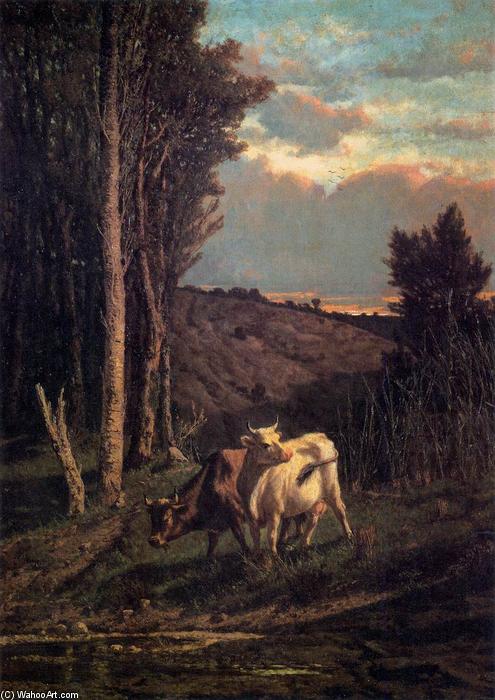
A Pasture
 1859
1859 102.0 x 73.0 cm
 詳細を見る
詳細を見る




































作品のオリジナル比率に合わせた、当店の規定サイズからお選びください。

特定のフレームやスペースに合わせて、ご希望のサイズをご入力いただけます。選択されたサイズが元の画像の比率と異なる場合、アートワークをトリミングするか、手描きで要素を追加して絵画を拡張いたします。デジタルモックアップ を制作し、制作開始前にご確認(承認)をいただきます。
画面上のプレビューは、実際のトリミングや拡張を正確に反映しているものではありません。最終的な構図は、モックアップによってのみ正確にご確認いただけます。
カスタムサイズもご利用いただけますが、元の比率を維持するためには、あらかじめ用意されたリストからサイズを選択することをお勧めいたします。
ご注文後、ArtsDot.com チームより詳細な指示をお送りするとともに、仕上がりイメージ(モックアップ)をご提供いたします。


 ガラスオプションは、110cm未満のサイズでのみご利用いただけます。

A Pasture
複製技法
複製画のサイズ
-


合計金額
$ 263







アーティストの略歴
Serafino De Tivoli: The Father of Macchiaioli
Serafino De Tivoli (March 1826 – 1892) stands as a pivotal figure in Italian landscape painting, recognized universally as “the father of the *macchia*.” Born in Livorno, Tuscany, his artistic journey began with a grounding in literature at a religious private school before gravitating towards painting under Carlo Markò the Elder, marking the genesis of his distinctive style. A formative encounter with Vito D’Ancona solidified his commitment to plein air painting—capturing the immediacy and vibrancy of nature—a practice that would define his oeuvre and propel him to the forefront of the burgeoning Macchiaioli movement.- Early Life & Education: Serafino's upbringing instilled in him a humanist sensibility, shaping his intellectual pursuits alongside his artistic inclinations. His studies at Florence’s Collegio San Giorgio fostered a deep appreciation for classical ideals and provided invaluable preparation for his subsequent artistic endeavors.
- Meeting Markò & The Macchiaioli: Serafino's collaboration with Carlo Markò the Elder proved instrumental in honing his observational skills and establishing him within the influential Florentine art circle. This association directly led to his involvement with Vito D’Ancona, initiating a partnership that would champion the revolutionary Macchiaioli technique—characterized by bold brushstrokes and expressive color palettes—a method designed to reject academic conventions.
- The Risorgimento & Artistic Activism: Serafino's patriotic fervor manifested during the Risorgimento, as he bravely enlisted in the Tuscan army alongside Garibaldi. This experience instilled a profound understanding of human resilience and fueled his artistic impulse to portray the grandeur and drama of the Italian countryside.
The Macchiaioli Technique: A Bold Departure
The Macchiaioli (“splashes”) represented a radical reimagining of landscape painting, rejecting meticulous detail in favor of capturing the essence of a scene through expressive color and loose brushwork. Serafino De Tivoli was among the movement’s most ardent proponents, meticulously studying the Barbizon School's approach—particularly Alexandre Cabanel’s use of tonal harmonies—to synthesize Impressionistic principles with Tuscan realism. His canvases pulsate with luminous hues, conveying not merely what he saw but how he felt—a testament to his artistic vision and unwavering dedication to innovation.- Influence of Barbizon School: Serafino’s fascination with the Barbizon School profoundly impacted his stylistic choices. Artists like Cabanel championed tonal harmonies and atmospheric perspective, prioritizing emotional resonance over photographic accuracy. Serafino absorbed these lessons, integrating them into his own technique to imbue his landscapes with palpable energy.
- Experimental Color Palette: Serafino De Tivoli’s palette was deliberately unconventional, eschewing traditional color mixing in favor of juxtaposing complementary hues—a hallmark of Impressionism—to heighten visual impact. This daring approach distinguished him from his contemporaries and cemented his reputation as a trailblazer within the Macchiaioli movement.
Notable Works & Legacy
Serafino De Tivoli’s artistic output encompassed numerous celebrated landscapes, capturing the Tuscan countryside with unparalleled sensitivity. Among his most enduring masterpieces are “Una Pastura” (1855-56), “Landscape with Grazing Cows” (1858), and “The Wheat Harvest in Castiglioncello” (1859). These paintings exemplify his mastery of tonal harmonies, expressive brushstrokes, and luminous color palettes—elements that continue to inspire artists today. His influence extended beyond the Macchiaioli movement, shaping the broader trajectory of Italian landscape painting into the late 19th century.- “Una Pastura” & “Landscape with Grazing Cows”: These canvases exemplify Serafino’s ability to convey emotion through color and texture. The bold brushstrokes capture the dynamism of the Tuscan landscape, while the harmonious tonal palette evokes a profound sense of tranquility.
- Recognition as ‘The Father of Macchiaioli’: Telemaco Signorini famously dubbed Serafino De Tivoli “the father of the *macchia*,” acknowledging his pivotal role in establishing the Macchiaioli’s distinctive technique—a legacy that persists to this day.
Concluding Reflections
Serafino De Tivoli's contribution to Italian art transcends mere stylistic innovation; he embodies a spirit of artistic exploration and unwavering commitment to capturing the beauty of the natural world. His pioneering approach to plein air painting—informed by Barbizon ideals and infused with Impressionistic fervor—established him as a cornerstone of Macchiaioli aesthetics and secured his place among the most influential landscape artists of his era. He remains an enduring symbol of artistic courage and visionary creativity, inspiring generations of painters to embrace bold experimentation and prioritize emotional expression.
Serafino De Tivoli
1826 - 1892 , Italy
基本情報
- Artistic Movement Or Style: Macchiaioli
- Artists Or Movements Influenced By This Artist: ['Barbizon school']
- Artists Who Influenced This Artist: ['Carlo Markò the Elder']
- Date Of Birth: March 1826
- Full Name: Serafino De Tivoli
- Nationality: Italian
- Notable Artworks: ['A Pasture']
- Place Of Birth: Livorno, Italy

