

 プレビュー
プレビュー
 シェアする
シェアする シェアする
シェアする
 詳細を見る
詳細を見る

 ダウンロード
 似ている作品
 X線調査
X線調査 スライドショー
 統計情報
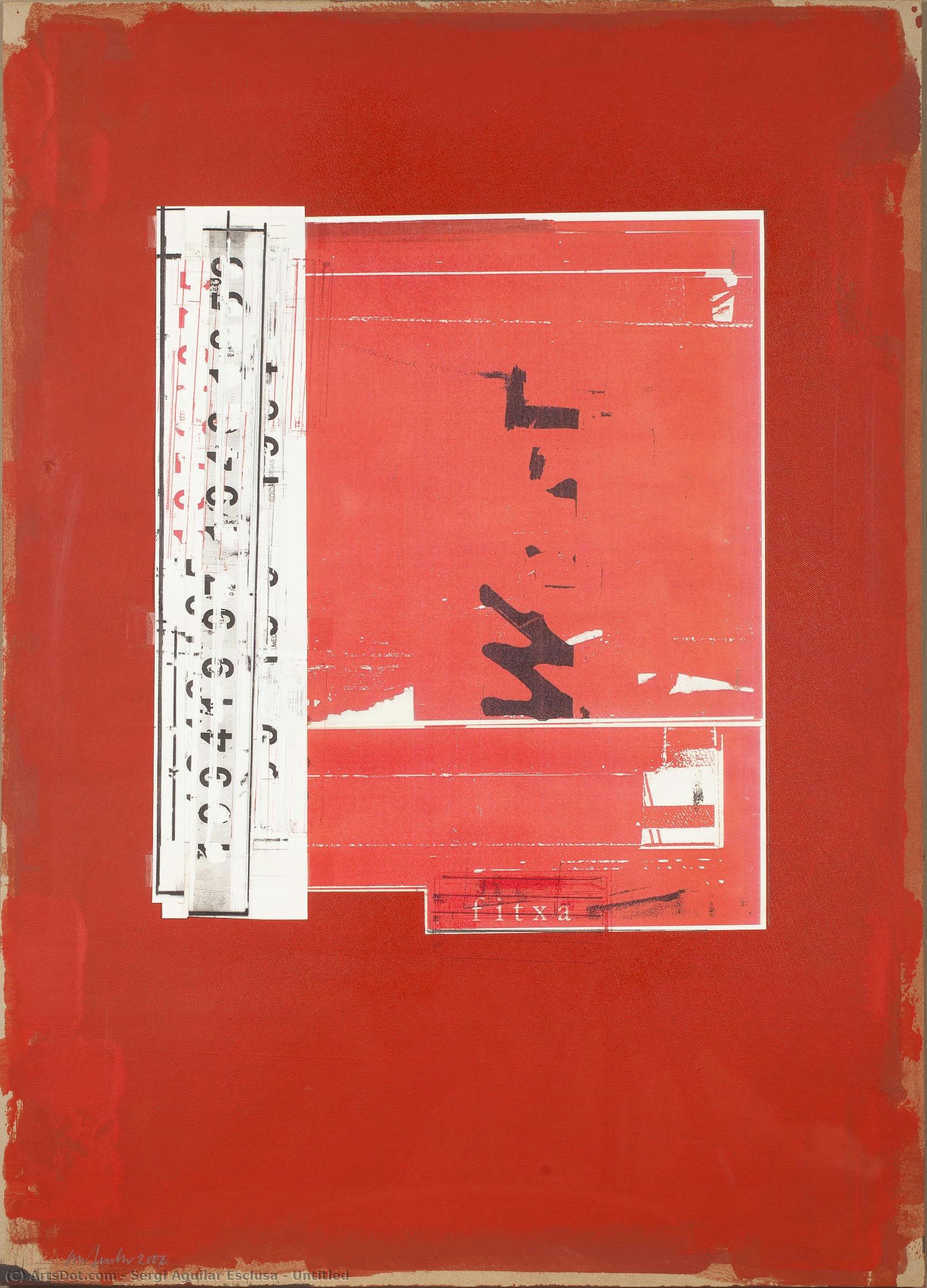
統計情報Untitled


 詳細を見る
詳細を見る
手描き油彩複製画
当社のアーティストが、お客様のご希望のサイズと額縁に合わせて、キャンバスに手描きで制作する油彩画です。 ( プリント版に切り替え デジタル画像販売へ切り替え)




































作品のオリジナル比率に合わせた、当店の規定サイズからお選びください。

特定のフレームやスペースに合わせて、ご希望のサイズをご入力いただけます。選択されたサイズが元の画像の比率と異なる場合、アートワークをトリミングするか、手描きで要素を追加して絵画を拡張いたします。デジタルモックアップ を制作し、制作開始前にご確認(承認)をいただきます。
画面上のプレビューは、実際のトリミングや拡張を正確に反映しているものではありません。最終的な構図は、モックアップによってのみ正確にご確認いただけます。
カスタムサイズもご利用いただけますが、元の比率を維持するためには、あらかじめ用意されたリストからサイズを選択することをお勧めいたします。
ご注文後、ArtsDot.com チームより詳細な指示をお送りするとともに、仕上がりイメージ(モックアップ)をご提供いたします。


 ガラスオプションは、110cm未満のサイズでのみご利用いただけます。

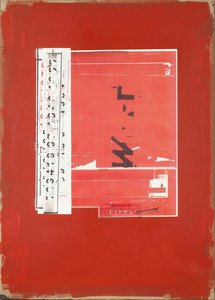
Untitled
複製技法
複製画のサイズ
-


合計金額
$ 263
関連作品


アーティストの略歴
A Sculptor’s Dialogue With Space and Sound
Born in the vibrant cultural landscape of Barcelona in 1946, Sergi Aguilar Esclusa has spent a lifetime redefining the boundaries between the tangible object and the intangible atmosphere. His artistic journey began with a rigorous academic foundation at the Escola Massana and the Conservatori de les Arts del Libro, where his early years were steeped in the technical disciplines of drawing and goldsmithing. This initial immersion in the delicate precision of jewelry and metalwork would later inform the exquisite way he interprets symmetry and material density in his larger sculptural forms. As a multidisciplinary artist, Aguilar does not merely create objects to be viewed; he constructs experiences that invite the observer to inhabit a specific spatial reality.
The trajectory of his career was profoundly altered by a transformative encounter with the avant-garde spirit of Paris in 1965. This journey ignited a lifelong fascination with the masters of form and space, most notably the ethereal simplicity of Constantin Brancusi, the pioneering metalwork of Julio González, and the structural rigor of the Russian Constructivists. These influences provided the catalyst for Aguilar to move beyond traditional representation, leading him to dedicate himself exclusively to sculpture in 1972. His work emerged as part of a pivotal generation of Spanish artists who sought to break from post-Civil War artistic constraints, embracing the radical experimentation flowing from Europe and the United States to introduce new, liberated conceptions of volume and void.
The Architecture of Perception and Sound
What distinguishes Aguilar’s practice is his refusal to view sculpture as a static entity. Instead, he approaches the medium through a lens of ecological awareness and sensory integration, famously weaving the element of sound into his artistic process. For Aguilar, sound is not an accompaniment but a vital component that interacts with form and space, creating sonic vibrations that animate his minimalist compositions. His sculptures often function as instruments of perception, where the relationship between mass and emptiness is explored through the movement of air and the resonance of materials. This creates a unique, immersive environment where the viewer is prompted to question the very nature of materiality and presence.
His aesthetic language is characterized by a pure, geometric clarity that avoids the rigid labels of mere minimalism. Through his mastery of scale and accumulation, he creates works that suggest passage and movement, often designing pieces that act as walkable spaces or architectural interventions. This ability to manipulate the "idea of passage" allows his art to delve into nature, creating erratic yet harmonious situations that challenge the viewer's sense of equilibrium. Whether working with iron, stone, or light, his commitment remains a constant search for a cohesive, ductile language that bridges the gap between the physical object and the ephemeral moment.
Legacy and Recognition
Throughout his prolific career, Aguilar has achieved significant recognition within the international art community, with his works finding homes in prestigious institutions such as the MACBA (Museum of Contemporary Art of Barcelona) and the Colección BBVA. His retrospective exhibition, Reverse / Obverse (1972–2015), served as a profound testament to his decades of research into the relationship between object and process, showcasing not only his monumental sculptures but also his intricate drawings and audiovisual sequences. This breadth of work highlights an artist who has never been content with a single medium, but rather one who uses every tool at his disposal to "undress" the architecture of our surroundings.
The historical significance of Sergi Aguilar Esclusa lies in his role as a bridge between tradition and innovation. By integrating the precision of a goldsmith with the expansive vision of a contemporary sculptor, he has contributed to a fundamental shift in Spanish sculpture. His achievements include:
- Premio Cáceres de Escultura (1980): A prestigious recognition of his sculptural mastery and contribution to the medium.
- Monumental Contributions: The creation of works like Júlia, a monumental piece in Barcelona that honors the city's history through public art.
- Interdisciplinary Innovation: The successful integration of sound, photography, and drawing into a singular, cohesive sculptural philosophy.
- Institutional Impact: A lasting influence on the contemporary Spanish art scene through his presence in major museum collections and his role in advancing new spatial paradigms.
sergi aguilar esclusa
1946 - , Spain
基本情報
- Artistic Movement Or Style: Abstract sculpture; Minimalist art
- Artists Or Movements Influenced By This Artist: ['Minimalism']
- Artists Who Influenced This Artist:
- Constantin Brancusi
- Julio González
- Date Of Birth: Barcelona, Spain (1946)
- Date Of Death: Living
- Full Name: Sergi Aguilar Esclusa
- Nationality: Spanish
- Notable Artworks: ['Untitled']
- Place Of Birth: Barcelona