

 プレビュー
プレビュー
 プリントを購入
 シェアする
シェアする シェアする
シェアする
 詳細を見る
詳細を見る

 ダウンロード
 似ている作品
 X線調査
X線調査 スライドショー
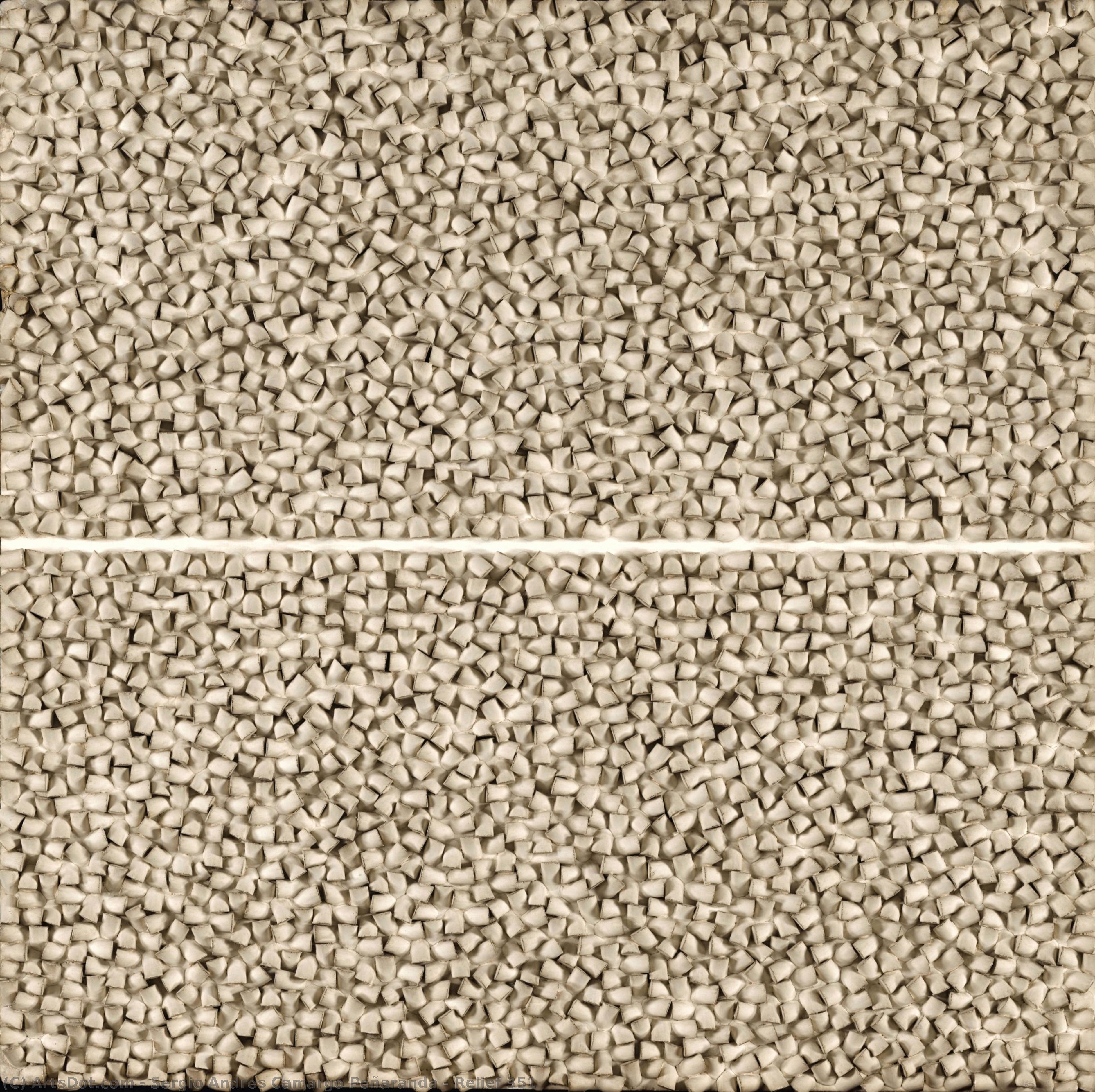
Relief 351
 Acrylic On Canvas
- WallArt
- Modernist Minimalism
 1971
1971 49.0 x 49.0 cm
 MAM Rio
 詳細を見る
詳細を見る




P118B $10

P118H $10

P118W $10

P438Z $10

P508JH $12

P508YH $12

P805H $10

P805Z $10

P919BZ $10

P919G $10

P919XJ $10

P959ZH $10

P968JZ $12

W106C $8

W218G $10

W218JH $8

W218Y $10

W307PJ $10

W316G $10

W316PJ $8

W316Y $10

W398PJ $8

W4111J $10

W500HY $15

W500JH $15

W692G $12

W849H $8

W940BG $15

W953PJ $8




作品のオリジナル比率に合わせた、当店の規定サイズからお選びください。

特定のフレームやスペースに合わせて、ご希望のサイズをご入力いただけます。選択されたサイズが元の画像の比率と異なる場合、アートワークをトリミングするか、手描きで要素を追加して絵画を拡張いたします。デジタルモックアップ を制作し、制作開始前にご確認(承認)をいただきます。
画面上のプレビューは、実際のトリミングや拡張を正確に反映しているものではありません。最終的な構図は、モックアップによってのみ正確にご確認いただけます。
カスタムサイズもご利用いただけますが、元の比率を維持するためには、あらかじめ用意されたリストからサイズを選択することをお勧めいたします。
ご注文後、ArtsDot.com チームより詳細な指示をお送りするとともに、仕上がりイメージ(モックアップ)をご提供いたします。


 ガラスオプションは、110cm未満のサイズでのみご利用いただけます。

Relief 351
複製技法
複製画のサイズ
-


合計金額
$ 263
作品解説
Sergio Camargo: Bridging Brazilian Modernism with European Influences
Sergio Camargo (born Sergio Andrés Camargo Peñaranda in Rio de Janeiro, Brazil, 1930 – 1990) was a celebrated sculptor and relief maker whose artistic journey began at the Academia Altamira in Buenos Aires under the guidance of Emilio Pettoruti. Recognizing his multifaceted intellect, Camargo pursued philosophical studies at the Sorbonne in Paris, enriching his understanding of art’s broader significance beyond mere visual aesthetics. This dual engagement—visual arts alongside intellectual inquiry—shaped his distinctive artistic vision and cemented his place as a pivotal figure within Brazilian modernism.Early Life and Artistic Formation
Camargo's formative years instilled in him a deep appreciation for both tradition and innovation. His exposure to Emilio Pettoruti’s teachings at the Academia Altamira introduced him to the core tenets of Concrete Art, influencing his stylistic choices profoundly. Simultaneously, his Parisian studies fostered an awareness of European artistic currents—particularly those championed by Brâncuși, Arp, Laurens, and Vantongerloo—who instilled in him a harmonious blend of modernist principles with the soulful resonance of Brazilian cultural heritage. This confluence of influences would become central to defining Camargo’s oeuvre.A Journey Through European Modernism
The 1948 trip through Europe proved transformative for Camargo, presenting him with an unparalleled opportunity to encounter and absorb the ideas of some of the most influential artists of his time. These encounters weren't merely observational; they spurred intellectual debate and fueled artistic experimentation. The dialogues he engaged with Brâncuși, Arp, Laurens, and Vantongerloo—artists who championed abstraction and explored materiality—directly impacted Camargo’s stylistic development. He internalized their commitment to geometric forms, textural surfaces, and a deliberate reduction of visual elements – concepts that would become hallmarks of his sculptural practice.The Essence of Minimalist Relief Sculpture
Camargo's artistic output is characterized by an unwavering dedication to minimalism. His sculptures eschew superfluous ornamentation, prioritizing instead the purity of form and the subtle interplay between light and shadow. Often crafted from wood or other durable materials, these reliefs employ geometric abstractions—primarily squares, rectangles, and circles—to create visually arresting compositions. The surfaces are meticulously treated to achieve a remarkable textural quality, emphasizing the materiality of the medium itself. This technique reflects Camargo’s belief that art should communicate its essence without resorting to distracting embellishments.Symbolism and Emotional Resonance
Beyond mere aesthetic considerations, Camargo's sculptures convey deeper symbolic meanings rooted in Brazilian cultural traditions. The repetition of geometric shapes—particularly squares and circles—can represent stability, harmony, and the cyclical nature of existence – concepts frequently explored within Brazilian art history. Furthermore, the deliberate manipulation of texture evokes tactile sensations and invites contemplation on the relationship between human perception and material reality. Camargo’s work aims to elicit an emotional response from viewers, prompting reflection on fundamental questions about beauty, form, and the enduring power of artistic expression.Legacy and Recognition
Sergio Camargo's contribution to Brazilian art is undeniable. His sculptures gained international acclaim during his lifetime, earning him numerous awards and securing prominent exhibitions—including participation in the São Paulo Biennial (1965), Venice Biennale (1966), and Documenta in Kassel (1968)—which solidified his reputation as a visionary artist within the global art community. Notably, one of Camargo’s sculptures resides permanently at Tate Gallery London, demonstrating his enduring influence on contemporary artistic discourse. His legacy continues to inspire artists today, reminding us that true artistry lies in synthesizing diverse cultural influences into a singular and profoundly evocative aesthetic vision.関連作品


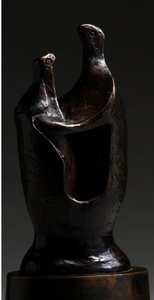
アーティストの略歴
Sergio Camargo: A Bridge Between Brazil and Modernism
Early Life and Education
Sergio Camargo (born Sergio Andrés Camargo Peñaranda in Rio de Janeiro, Brazil, 1930 – 1990) was a renowned sculptor and relief maker. He began his artistic journey at the Academia Altamira in Buenos Aires under the tutelage of Emilio Pettoruti. Camargo didn’t limit himself to visual arts; he also pursued philosophical studies at the Sorbonne in Paris, enriching his intellectual foundation.
Artistic Development and Influences
A pivotal moment in Camargo's artistic development was a trip through Europe in 1948. This journey exposed him to leading modernist artists who profoundly impacted his style. He had the opportunity to meet and learn from figures such as Constantin Brâncuși, Jean Arp, Henri Laurens, and Georges Vantongerloo. These encounters instilled in him a blend of modernist principles with an appreciation for traditional Brazilian aesthetics. His work evolved to become characterized by minimalist forms, geometric abstraction, and a focus on texture and spatial relationships.
Key Characteristics of Camargo’s Work
- Relief Sculptures: Camargo is best known for his relief sculptures, often constructed from wood or other materials.
- Geometric Abstraction: His work frequently employs geometric shapes and forms, reflecting a modernist sensibility.
- Minimalism: A strong emphasis on simplicity and essential forms defines much of his output.
- Texture & Spatiality: Camargo skillfully manipulated texture and explored the interplay between positive and negative space.
Major Achievements and Recognition
Camargo’s talent was widely recognized during his lifetime, earning him several prestigious awards and invitations to prominent exhibitions:
- 1965 São Paulo Biennial: Awarded a gold medal for his exceptional work.
- 1966 Venice Biennale: Participation solidified his international reputation.
- 1968 Documenta in Kassel: Further cemented his position within the global art community.
Legacy and Historical Significance
Sergio Camargo’s passing in 1990 marked the end of a significant artistic career, but his legacy continues to inspire. His work serves as an important bridge between traditional Brazilian art and modern European influences. The Tate Gallery in London proudly features one of his sculptures in its permanent collection, demonstrating his enduring impact on the international art world. Camargo’s contribution lies not only in his aesthetic innovations but also in his ability to synthesize diverse cultural traditions into a unique and compelling artistic vision.
Where to Explore His Work
You can find examples of Sergio Camargo's work at ArtsDot.com, as well as explore resources on his style and influences through links provided by the platform.

sergio andres camargo peñaranda
1930 - 1990 , Brazil
基本情報
- Birth Date: 1930
- Birth Place: Rio de Janeiro, Brazil
- Death Date: 1990
- Influenced By:
- Brâncuși
- Arp
- Henri Laurens
- Georges Vantongerloo
- Movement:
- Modernism
- Concrete art
- Name: Sergio Camargo
- Nationality: Brazilian
- Notable Works: Reliefs
関連記事

Bronze Sculptures That Defined Art History | ArtsDot
Journey through art history with our Top 10 bronze sculptures! Explore masterpieces by Rodin, Michelangelo & more. Discover stories behind iconic statues and find museum-quality reproductions for your home decor at ArtsDot.com.

The Enduring Form: Exploring Themes & Techniques in Sculpture Across Historical Periods
Explore the rich history of sculpture from ancient masterpieces to contemporary innovations. Discover key techniques, influential artists & investment potential for discerning art collectors.

Bronze Age to Modern Masters: 10 Sculptures That Redefined Art | ArtsDot
Journey through art history with 10 legendary bronze sculptures – from Michelangelo's David to Rodin’s Thinker. Explore the stories, techniques & timeless beauty of these masterpieces. Find museum-quality reproductions & elevate your home decor on ArtsDot.com.

The Enduring Form: Sculpture Across History, Technique & Emotional Resonance
Explore the rich history of sculpture with ArtsDot. Discover key techniques, influential artists & investment potential for discerning collectors. Expert insights into valuing and collecting timeless masterpieces.
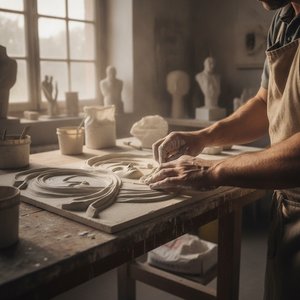
Sculpting with Soul: An Expert Guide to the Tactile Elegance of Plaster Relief Art
Discover the captivating world of plaster relief art. Our expert guide explores the history, techniques, and curation of textured bas-relief, helping collectors bring depth, light, and soulful dimension to their modern interiors through sophisticated sculptural masterpieces.

