

 プレビュー
プレビュー
 プリントを購入
 シェアする
シェアする シェアする
シェアする
 詳細を見る
詳細を見る

 ダウンロード
 似ている作品
 X線調査
X線調査 スライドショー
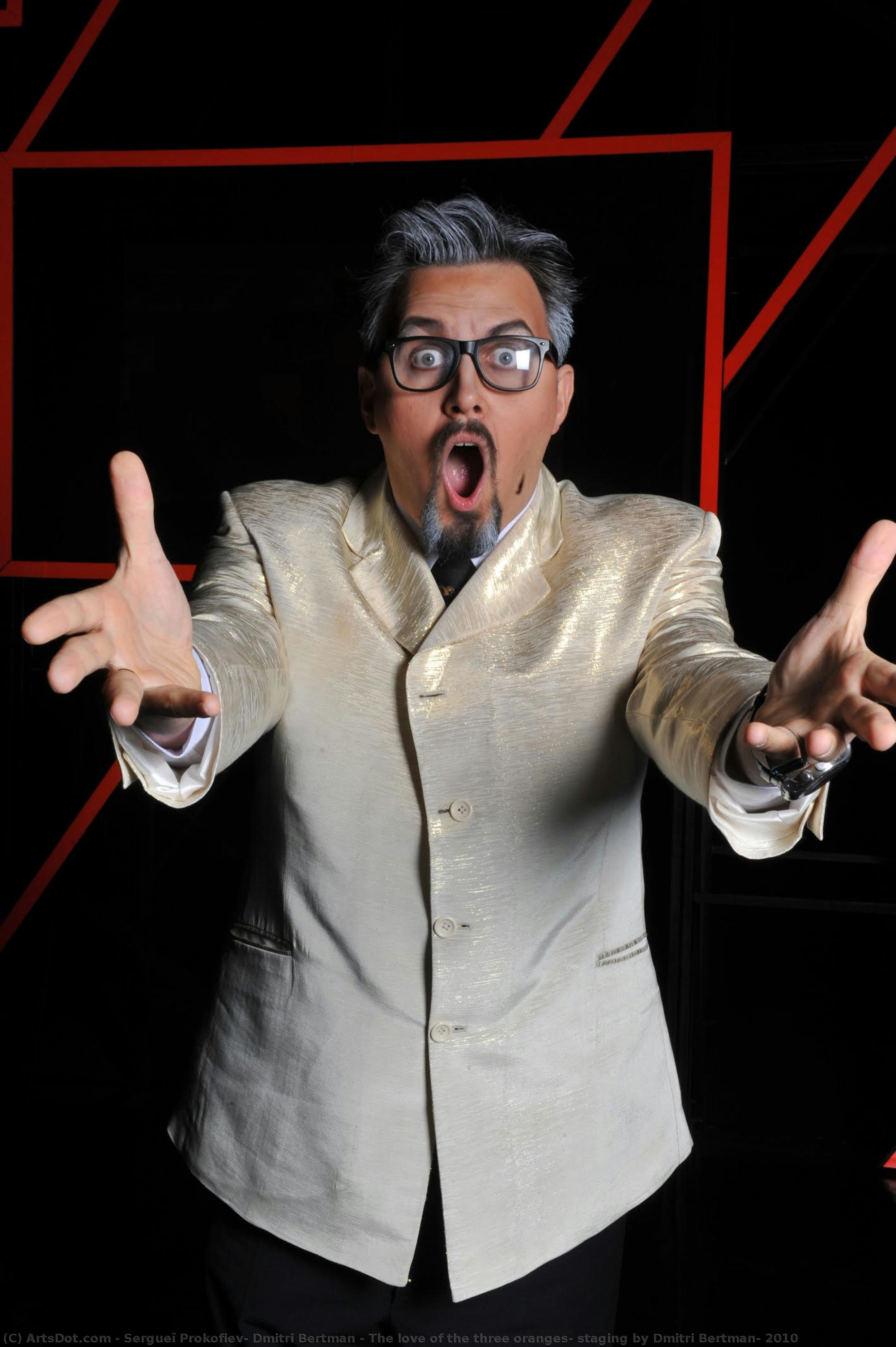
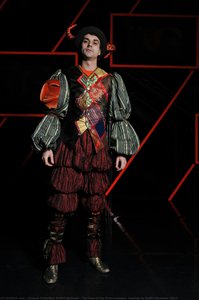
The love of the three oranges, staging by Dmitri Bertman, 2010


 詳細を見る
詳細を見る




































作品のオリジナル比率に合わせた、当店の規定サイズからお選びください。

特定のフレームやスペースに合わせて、ご希望のサイズをご入力いただけます。選択されたサイズが元の画像の比率と異なる場合、アートワークをトリミングするか、手描きで要素を追加して絵画を拡張いたします。デジタルモックアップ を制作し、制作開始前にご確認(承認)をいただきます。
画面上のプレビューは、実際のトリミングや拡張を正確に反映しているものではありません。最終的な構図は、モックアップによってのみ正確にご確認いただけます。
カスタムサイズもご利用いただけますが、元の比率を維持するためには、あらかじめ用意されたリストからサイズを選択することをお勧めいたします。
ご注文後、ArtsDot.com チームより詳細な指示をお送りするとともに、仕上がりイメージ(モックアップ)をご提供いたします。


 ガラスオプションは、110cm未満のサイズでのみご利用いただけます。

The love of the three oranges, staging by Dmitri Bertman, 2010
複製技法
複製画のサイズ
-


合計金額
$ 263
関連作品






アーティストの略歴
A Life Bridging Worlds: Sergei Prokofiev and the Theatrical Vision of Dmitri Bertman
Sergei Sergeyevich Prokofiev, born in 1891 in the small Ukrainian village of Sontsovka, was a titan of 20th-century music. His journey wasn’t one of simple progression but a fascinating negotiation between burgeoning modernism and enduring classical traditions. From his earliest childhood explorations at the piano – composing an opera by age nine – Prokofiev displayed a remarkable gift, a precocious talent that would soon challenge conventional musical boundaries. He was not merely a composer; he was a storyteller, a dramatist who believed deeply in music’s power to evoke vivid imagery and profound emotion. His initial training at the St. Petersburg Conservatory honed his formidable skills as both pianist and composer, but it also fostered a rebellious spirit that would define much of his early work.
Prokofiev emerged onto the scene with a distinctive voice – often dissonant, frequently percussive, always energetic. His compositions weren’t designed to soothe; they were intended to provoke, to challenge, and ultimately, to captivate through their sheer originality. Works like his first two piano concertos immediately established him as an iconoclast, a composer unafraid to push the boundaries of harmonic language and rhythmic complexity. However, this early notoriety didn’t translate into universal acclaim. He sought recognition not just for technical brilliance but for emotional depth, a quality that sometimes eluded audiences accustomed to more traditional forms.
The Operatic Impulse and Collaboration with Bertman
Throughout his career, Prokofiev harbored a deep passion for opera. It was in this genre that he felt most fully able to express his dramatic vision. While he composed seven completed operas, it was “The Love for Three Oranges” (1921) that truly cemented his reputation as an operatic innovator. The work, commissioned by the Chicago Opera, is a fantastical tale brimming with wit, satire, and musical inventiveness. It’s a story of Prince Calaf who must overcome the machinations of the sorcerer Truffaldino to find love, and it's a piece that demands both vocal virtuosity and theatrical flair.
This is where the collaboration with Dmitri Bertman becomes particularly significant. Bertman’s 2010 staging of “The Love for Three Oranges” wasn’t simply a revival; it was a radical reinterpretation that breathed new life into Prokofiev's masterpiece. Bertman, known for his bold and often provocative productions, understood the opera’s inherent theatricality – its blend of comedy, social commentary, and surreal imagery. His staging emphasized power dynamics and geometric precision, utilizing striking orange hues to create a visually arresting experience. The figures in formal attire, as depicted in ArtsDot's reproductions, are not merely characters but symbols representing broader societal forces.
Prokofiev’s Return to the Soviet Union and Mature Style
The 1930s marked a turning point for Prokofiev. The economic hardships of the Great Depression diminished opportunities in the West, leading him to increasingly seek commissions within the Soviet Union. His return to his homeland in 1936 was both a pragmatic decision and a reflection of his evolving artistic sensibilities. While navigating the complexities of Soviet cultural politics, he produced some of his most beloved works, including Lieutenant Kijé, Peter and the Wolf, and the ballet Romeo and Juliet. These pieces demonstrate a remarkable ability to blend accessibility with artistic integrity.
His later works, such as the Fifth Symphony (1944) and the operatic adaptation of Tolstoy’s War and Peace, reveal a composer at the height of his powers. The symphony, written during the tumultuous years of World War II, is a powerful statement of human resilience and hope. War and Peace, though fraught with challenges due to political pressures, remains a testament to Prokofiev’s ambition and dramatic vision.
Legacy and Enduring Influence
Sergei Prokofiev died in 1953, leaving behind a vast and diverse body of work that continues to inspire and challenge audiences today. His music is characterized by its unique blend of modernism and classical techniques, its lyrical beauty, and its dramatic power. He was a master orchestrator, capable of creating textures both delicate and overwhelming. His influence can be heard in the works of countless composers who followed him.
The collaborations with artists like Dmitri Bertman serve as a reminder that Prokofiev’s music is not static; it's open to interpretation and reinterpretation. Bertman’s staging of “The Love for Three Oranges” demonstrates how contemporary vision can illuminate the enduring relevance of Prokofiev’s work, revealing new layers of meaning and ensuring its continued vitality for generations to come. Prokofiev wasn’t just a composer; he was a theatrical visionary whose music continues to resonate with audiences worldwide.
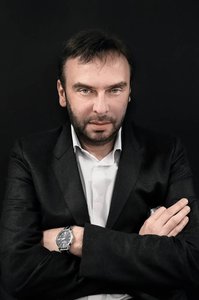
sergueï prokofiev, dmitri bertman
1891 - 1953 , Ukraine
基本情報
- Artistic Movement Or Style: Modernist music
- Date Of Birth: 1891
- Date Of Death: 1953
- Full Name: Sergei Prokofiev & Dmitri Bertman
- Nationality: Russian
- Notable Artworks: ['The Love for Three Oranges']
- Place Of Birth: Sontsovka, Ukraine

