

 プリントを購入
 シェアする
シェアする シェアする
シェアする
 詳細を見る
詳細を見る

 ダウンロード
 似ている作品
 スライドショー
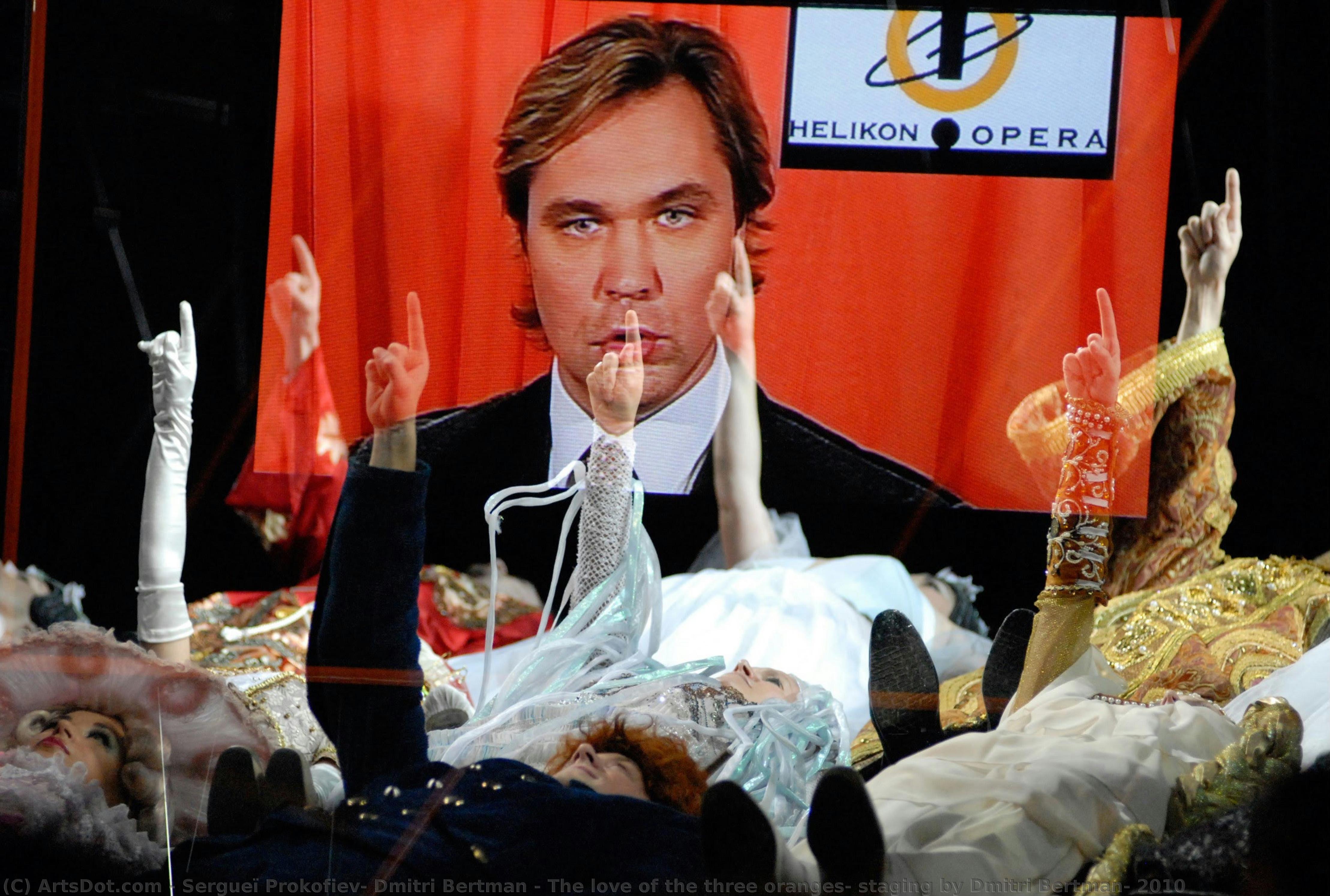
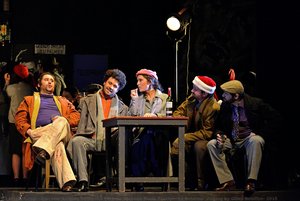
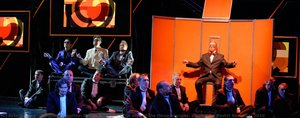
The love of the three oranges, staging by Dmitri Bertman, 2010


 詳細を見る
詳細を見る
オンラインプレビューをはるかに凌ぐ、高解像度で鮮明なデジタル画像をご購入いただけます。
各ファイルは、社内の専門家が高度なツールと熟練した手作業によるレタッチを用いて、細心の注意を払って準備されています。すべての画像において、卓越した鮮明度、正確な色彩再現性、そして繊細なディテールを保証いたします。
最終ファイルは、プロフェッショナルな編集・印刷環境ですぐにご利用いただけるよう最適化された状態で、72時間以内にメールにてお届けいたします。これは、一流のデザインスタジオ、出版社、ギャラリーから信頼されているものと同等の品質です。
デジタル画像のご注文に付随する特典
高品質なデジタル画像配信を、確かな品質で。
ArtsDot.com を選ぶことは、単に画像を手に入れることではありません。それは、プロの手によって精密に仕上げられ、満足保証が付いた高品質なデジタルアートワークを受け取ることを意味します。ご注文いただいた際に自動的に付随する内容は、以下の通りです:

メールですぐにお届け
ご注文から72時間以内に、高解像度のデジタル画像ファイルがメールでお手元に届きます。すぐにそのままご利用いただけます。

AI技術で最適化されたデジタルファイル
お客様の作品は、高度なAIツールと専門家による手作業の編集を組み合わせてプロフェッショナルに最適化されており、細部のディテール、鮮明さ、そして正確な色再現性を最大限に引き出しています。

一生涯無料の再送サービス
ファイルを誤って削除したり、紛失してしまったりしましたか?ご安心ください。いつでも無料で再送いたします。

輸入手数料は一切かかりません
関税や手数料、配送料を気にすることなく、お気に入りのアートワークをすぐにお楽しみいただけます。デジタルダウンロードは常に免税です。

色彩再現の保証
プロ仕様のツールとカラーマネジメント技術を用いることで、デジタル画像が元の色を最大限に忠実に再現することを保証いたします。

60日間満足保証
ご購入いただいたデジタル画像にご満足いただけない場合は、60日以内であれば、修正または100%の返金(理由を問う必要はありません)をさせていただきます。

100% 返金保証
ご満足いただけない場合は、デジタルファイルを受け取ってから60日以内であれば、理由を問わず全額返金いたします。

まとめ買い割引
3枚購入で10%OFF - 5枚購入で15%OFF - 10枚以上購入で20%OFF。クリエイティブなプロジェクト、ギャラリー、エージェンシーに最適です。
A Theatrical Vision of Surrealism and Sound
In the mesmerizing intersection of musical composition and visual staging, "The Love of the Three Oranges" emerges as a profound exploration of theatricality and surrealist imagery. This evocative work, stemming from the 2010 production directed by Dmitri Bertman and composed by the legendary Sergueï Prokofiev, transcends the boundaries of traditional opera to become a visual masterpiece. The scene captures a moment of heightened drama, where the boundary between reality and performance dissolves. A central figure, characterized by his striking blond hair, stands poised before a television screen that unexpectedly displays a human face, creating a jarring yet poetic juxtaposition of modern technology and classical stagecraft. This unexpected element introduces a layer of contemporary commentary into an otherwise operatic setting, inviting the viewer to question the nature of perception and the mediation of art through screens.
The composition is rich with the tension of a live performance, set against the deep, velvety textures of a red theatrical curtain that frames the stage. The presence of other figures—some partially obscured, others caught in moments of focused attention—adds a sense of depth and communal experience to the piece. As the man points toward the glowing screen, he directs not only the eyes of the audience but also our own curiosity toward the mystery contained within the digital frame. This gesture serves as a bridge between the physical space of the opera house and the ethereal, projected image, embodying the very essence of Prokofiev’s ability to blend the tangible with the fantastical.
Symbolism and the Palette of Emotion
Beyond its literal depiction of a stage production, the artwork is steeped in symbolic resonance. The recurring motif of oranges—scattered across the scene or central to the narrative—serves as a vibrant burst of color against the more somiment tones of the theater. These citrus elements act as symbols of fertility, unexpected joy, and perhaps the fragmented nature of desire within the operatic plot. The use of bold, striking orange hues creates a visual rhythm that guides the eye through the geometric staging, while the interplay of light and shadow evokes a sense of mystery and psychological depth.
For the discerning collector or interior designer, this piece offers more than mere decoration; it provides a focal point of intellectual and emotional intrigue. The technique, which blends elements of digital painting with the dramatic flair of classical staging, allows for a unique texture that feels both modern and timeless. The way the light catches the formal attire of the figures and the heavy folds of the crimson curtain creates an atmosphere of luxury and drama, making it an ideal centerpiece for spaces designed to inspire conversation and reflection. To possess a reproduction of this work is to bring a fragment of the grand operatic tradition into the contemporary home, celebrating the enduring power of storytelling through both sound and sight.
関連作品

作家の略歴
A Life Bridging Worlds: Sergei Prokofiev and the Theatrical Vision of Dmitri Bertman
Sergei Sergeyevich Prokofiev, born in 1891 in the small Ukrainian village of Sontsovka, was a titan of 20th-century music. His journey wasn’t one of simple progression but a fascinating negotiation between burgeoning modernism and enduring classical traditions. From his earliest childhood explorations at the piano – composing an opera by age nine – Prokofiev displayed a remarkable gift, a precocious talent that would soon challenge conventional musical boundaries. He was not merely a composer; he was a storyteller, a dramatist who believed deeply in music’s power to evoke vivid imagery and profound emotion. His initial training at the St. Petersburg Conservatory honed his formidable skills as both pianist and composer, but it also fostered a rebellious spirit that would define much of his early work.
Prokofiev emerged onto the scene with a distinctive voice – often dissonant, frequently percussive, always energetic. His compositions weren’t designed to soothe; they were intended to provoke, to challenge, and ultimately, to captivate through their sheer originality. Works like his first two piano concertos immediately established him as an iconoclast, a composer unafraid to push the boundaries of harmonic language and rhythmic complexity. However, this early notoriety didn’t translate into universal acclaim. He sought recognition not just for technical brilliance but for emotional depth, a quality that sometimes eluded audiences accustomed to more traditional forms.
The Operatic Impulse and Collaboration with Bertman
Throughout his career, Prokofiev harbored a deep passion for opera. It was in this genre that he felt most fully able to express his dramatic vision. While he composed seven completed operas, it was “The Love for Three Oranges” (1921) that truly cemented his reputation as an operatic innovator. The work, commissioned by the Chicago Opera, is a fantastical tale brimming with wit, satire, and musical inventiveness. It’s a story of Prince Calaf who must overcome the machinations of the sorcerer Truffaldino to find love, and it's a piece that demands both vocal virtuosity and theatrical flair.
This is where the collaboration with Dmitri Bertman becomes particularly significant. Bertman’s 2010 staging of “The Love for Three Oranges” wasn’t simply a revival; it was a radical reinterpretation that breathed new life into Prokofiev's masterpiece. Bertman, known for his bold and often provocative productions, understood the opera’s inherent theatricality – its blend of comedy, social commentary, and surreal imagery. His staging emphasized power dynamics and geometric precision, utilizing striking orange hues to create a visually arresting experience. The figures in formal attire, as depicted in ArtsDot's reproductions, are not merely characters but symbols representing broader societal forces.
Prokofiev’s Return to the Soviet Union and Mature Style
The 1930s marked a turning point for Prokofiev. The economic hardships of the Great Depression diminished opportunities in the West, leading him to increasingly seek commissions within the Soviet Union. His return to his homeland in 1936 was both a pragmatic decision and a reflection of his evolving artistic sensibilities. While navigating the complexities of Soviet cultural politics, he produced some of his most beloved works, including Lieutenant Kijé, Peter and the Wolf, and the ballet Romeo and Juliet. These pieces demonstrate a remarkable ability to blend accessibility with artistic integrity.
His later works, such as the Fifth Symphony (1944) and the operatic adaptation of Tolstoy’s War and Peace, reveal a composer at the height of his powers. The symphony, written during the tumultuous years of World War II, is a powerful statement of human resilience and hope. War and Peace, though fraught with challenges due to political pressures, remains a testament to Prokofiev’s ambition and dramatic vision.
Legacy and Enduring Influence
Sergei Prokofiev died in 1953, leaving behind a vast and diverse body of work that continues to inspire and challenge audiences today. His music is characterized by its unique blend of modernism and classical techniques, its lyrical beauty, and its dramatic power. He was a master orchestrator, capable of creating textures both delicate and overwhelming. His influence can be heard in the works of countless composers who followed him.
The collaborations with artists like Dmitri Bertman serve as a reminder that Prokofiev’s music is not static; it's open to interpretation and reinterpretation. Bertman’s staging of “The Love for Three Oranges” demonstrates how contemporary vision can illuminate the enduring relevance of Prokofiev’s work, revealing new layers of meaning and ensuring its continued vitality for generations to come. Prokofiev wasn’t just a composer; he was a theatrical visionary whose music continues to resonate with audiences worldwide.

sergueï prokofiev, dmitri bertman
1891 - 1953 , Ukraine
プロフィール概要
- Artistic Movement Or Style: Modernist music
- Date Of Birth: 1891
- Date Of Death: 1953
- Full Name: Sergei Prokofiev & Dmitri Bertman
- Nationality: Russian
- Notable Artworks: ['The Love for Three Oranges']
- Place Of Birth: Sontsovka, Ukraine

