

 プレビュー
プレビュー
 シェアする
シェアする シェアする
シェアする
 詳細を見る
詳細を見る

 ダウンロード
 似ている作品
 X線調査
X線調査 スライドショー
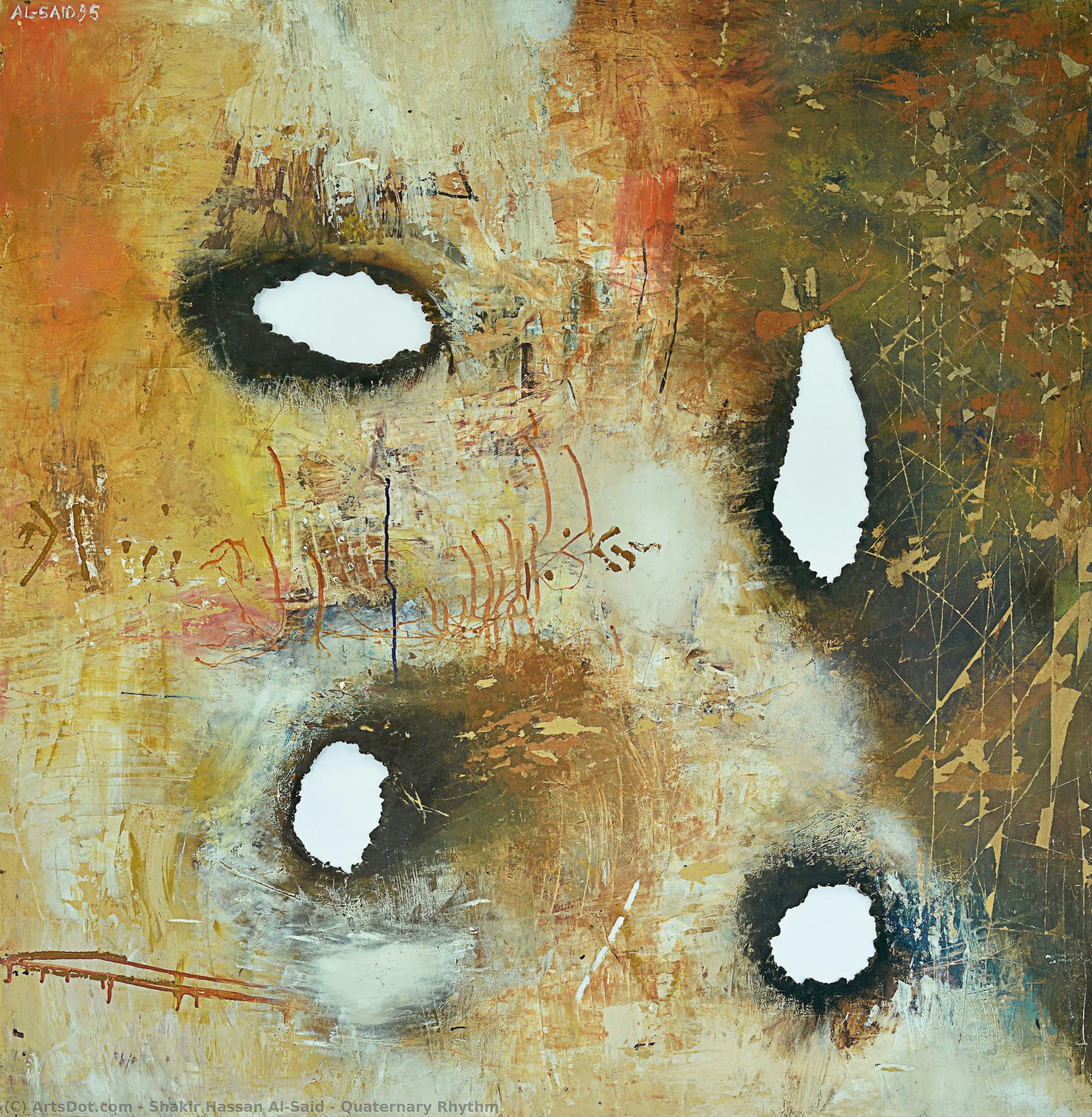
Quaternary Rhythm
 Painting
- Abstract Expressionism
 1995
1995- Modern
 125.0 x 125.0 cm
 Ibrahimi Collection
 詳細を見る
詳細を見る
ジークレー/アートプリント
迅速な制作と多彩な仕上げオプションを備えた、ミュージアムクオリティのジークレーまたはキャンバスプリント。 ( 手描きの絵画を購入 画像を購入)




P118B $10

P118H $10

P118W $10

P438Z $10

P508JH $12

P508YH $12

P805H $10

P805Z $10

P919BZ $10

P919G $10

P919XJ $10

P959ZH $10

P968JZ $12

W106C $8

W218G $10

W218JH $8

W218Y $10

W307PJ $10

W316G $10

W316PJ $8

W316Y $10

W398PJ $8

W4111J $10

W500HY $15

W500JH $15

W692G $12

W849H $8

W940BG $15

W953PJ $8




作品のオリジナル比率に合わせた、当店の規定サイズからお選びください。

特定のフレームやスペースに合わせて、ご自身でサイズを指定することも可能です。選択されたサイズが元の画像の比率と一致しない場合、作品をトリミングするか、鏡面反射または単色での塗りつぶしによって画像を拡張いたします。制作を開始する前に、ご確認用のデジタルモックアップをお送りいたします。
画面上のプレビューには、実際のトリミングや拡張は反映されませんのでご注意ください。最終的な構図を正確に確認できるのは、モックアップのみとなります。
カスタムサイズも承っておりますが、元の比率を維持するためには、あらかじめ用意されたリストからサイズを選択することをお勧めいたします。


 ガラスオプションは、110cm未満のサイズでのみご利用いただけます。

Quaternary Rhythm
ジークレー/アートプリント
複製画のサイズ
-


合計金額
$ 62
The Enigmatic Visage of Quaternary Rhythm
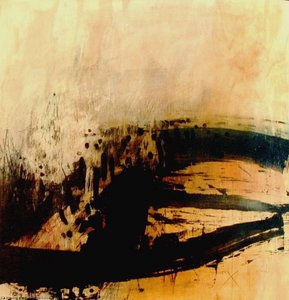
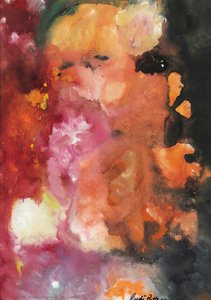
To stand before Quaternary Rhythm is to encounter not merely a painting, but a profound meditation on the self and the cosmos. Executed in 1995 by the visionary Iraqi master Shakir Hassan Al Said, this piece transcends simple representation. It presents an abstract yet hauntingly familiar face—a canvas upon which emotion itself seems to have been rendered visible. The composition centers around a visage featuring distinct eyes positioned thoughtfully on the left and a mouth anchoring the center. Yet, what grips the viewer is the deliberate ambiguity; it is a mask that speaks volumes without uttering a single word.
A Tapestry of Color and Mystical Depth
Al Said’s technique here is masterful in its apparent spontaneity. The surface pulses with a rich interplay of colors and textures, suggesting layers of history beneath the immediate glance. This is not a smooth, polished narrative; rather, it embraces the beautiful chaos inherent in existence. Scattered across the field are several small circles—two near the upper right quadrant, and others dispersed throughout the scene. These elements function like celestial markers or echoes in time, adding an undeniable sense of depth that pulls the eye inward, inviting contemplation into the very structure of the piece.
Echoes of Culture and Philosophy
Understanding Al Said requires acknowledging his deep roots in Iraqi artistic tradition while recognizing his global fluency. A pioneer who fused modern abstraction with the profound resonance of Arabic calligraphy and Sufi mysticism, his work is inherently philosophical. His journey, which saw him study both classical Islamic miniature painting and the avant-garde movements of Paris, allowed him to forge a unique visual language. Quaternary Rhythm seems steeped in this confluence—a dialogue between ancient spiritual yearning and modern formal experimentation.
Symbolism and Emotional Resonance
The title itself hints at a cyclical pattern or a measured beat, suggesting that the rhythm of life, emotion, and spirit is constantly cycling through phases. The face, with its abstracted features, becomes a universal symbol—the human condition itself. For the collector or designer, this piece offers more than mere decoration; it serves as an intellectual anchor for a space. It whispers of introspection, urging those who gaze upon it to find their own internal rhythm amidst the vibrant complexity.
Bringing the Art Home
Whether displayed in a gallery setting or integrated into a sophisticated interior design scheme, Quaternary Rhythm commands attention with its depth and intellectual weight. Owning a reproduction of this work allows one to connect tangibly with Al Said’s enduring legacy—a legacy that champions the dialogue between the spiritual and the contemporary. It is an artwork designed not just to be seen, but to be felt, sparking conversation and deep thought within any room it graces.
アーティストの略歴
Shakir Hassan Al Said: A Pioneer of Modern Iraqi Art
Early Life and Education
- Born: 1925 in Samawah, Iraq.
- Shakir Hassan Al Said was a multifaceted artist – painter, sculptor, writer, philosopher, art critic, and historian.
- He received his degree in Social Science from the Higher Institute of Teachers in Baghdad (1948).
- Furthered his artistic training with a diploma in painting from the Institute of Fine Arts in Baghdad (1954).
- Continued studies at the École Nationale Supérieure des Beaux-Arts in Paris until 1959, broadening his exposure to international art movements.
Artistic Development and Influences
- Upon returning to Baghdad, Al Said immersed himself in the study of Yahya ibn Mahmud al-Wasiti’s work, a significant figure in Islamic miniature painting.
- Sufism, with its mystical and philosophical underpinnings, profoundly influenced his artistic vision.
- The poetry and philosophy of Mansur al-Hallaj, a controversial Sufi mystic, also played a crucial role in shaping his aesthetic sensibilities.
- His early style was initially figurative but gradually transitioned towards an emphasis on Arabic calligraphy as a central artistic element.
Founding of Art Groups and Collaborative Efforts
- Jama'et Baghdad lil Fann al-Hadith (The Baghdad Modern Art Group) – Co-founded in 1951, this group aimed to synthesize modern artistic approaches with Iraq’s rich cultural heritage.
- Al Bu'd al Wahad (The One Dimension Group) – Established in 1971, this collective explored the expressive potential of Arabic script within a contemporary art context. It championed the Hurufiyya movement.
Key Artistic Contributions and Style
- Notable Works: Include “Quaternary Rhythm” (ibrahimi collection, Amman, Jordan), demonstrating his unique blend of modernity and tradition; “Woman in Profile (turned to the left)”, showcasing stylistic experimentation.
- Al Said’s work is characterized by a distinctive fusion of abstract forms, calligraphic elements, and symbolic imagery.
- He often employed earthy tones and textured surfaces, evoking a sense of history and cultural depth.
Legacy and Historical Significance
- Al Said’s theoretical writings and artistic practice charted a new course for Arabic art aesthetics.
- He advocated for evaluating regional art through uniquely Arabic lenses, challenging Western-centric perspectives.
- His contributions had a profound impact on the modern Iraqi art movement and continue to inspire artists today.
- His work is held in collections such as The Museum Ruskin Library (Lancaster, United States).
- Died in 2004, leaving behind a lasting legacy as a pivotal figure in the development of modern art in Iraq and beyond.
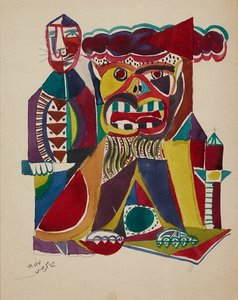
shakir hassan al-said
1925 - 2004 , Iraq
基本情報
- Birth Date: 1925
- Birth Place: Samawah, Iraq
- Death Date: 2004
- Influenced By:
- Yahya ibn Mahmud Al-Wasiti
- Sufism
- Mansur Al-Hallaj
- Movement:
- Modern Iraqi art
- Hurufiyya movement
- Name: Shakir Hassan Al Said
- Nationality: Iraqi
- Notable Works:
- Quaternary Rhythm
- Woman in Profile
- Unread Writings
- The Café
関連記事

Kandinsky's Masterpieces: 25 Paintings That Define Abstract Art | ArtsDot
Journey through Wassily Kandinsky's 25 most iconic abstract paintings. Explore his revolutionary use of color, form & spiritual expressionism. Find museum-quality Kandinsky reproductions and elevate your home decor with ArtsDot.com. Discover all masterpieces on ArtsDot.com!
抽象表現主義を定義する十大傑作:芸術と装飾の深遠な旅
抽象表現主義を定義する10の傑作。ポロック、ロスコら巨匠たちの情熱と色彩の世界へ。各作品に込められた物語と技法を紐解き、至高のアート体験を。ArtsDot.comで、ミュージアムクオリティの複製画や洗練されたインテリアアイデアを発見してください。

幾何学的抽象絵画を定義した傑作10選|アート、アーティスト、インテリア装飾
モンドリアン、マレーヴィチ…幾何学的抽象絵画を代表する傑作10選。各作品の背景や色彩構成、アーティストの情熱に迫ります。美術館品質の複製画はArtsDot.comで。オンラインでアートコレクションをご覧ください。
Beyond Sight: Exploring Tactile Dimensions and Illumination in Abstract Painting
Explore the captivating world of tactile abstraction! Discover impasto techniques, influential artists like Richter & Hoyland, and expert insights for collecting textured art. Elevate your space with museum-quality pieces.
マーク・ロスコ傑作25選:色彩が織りなす深遠な世界|ArtsDot
マーク・ロスコの傑作25選。抽象表現主義を代表する巨匠、色彩が織りなす深遠な世界を探求します。絵画の背景や技法、感動的なストーリーを紐解き、ArtsDotで高品質なアートプリントをお楽しみください。リビングやオフィスにモダンアートを飾るなら!