

 プレビュー
プレビュー
 シェアする
シェアする シェアする
シェアする
 詳細を見る
詳細を見る

 ダウンロード
 似ている作品
 X線調査
X線調査 スライドショー
 Stats
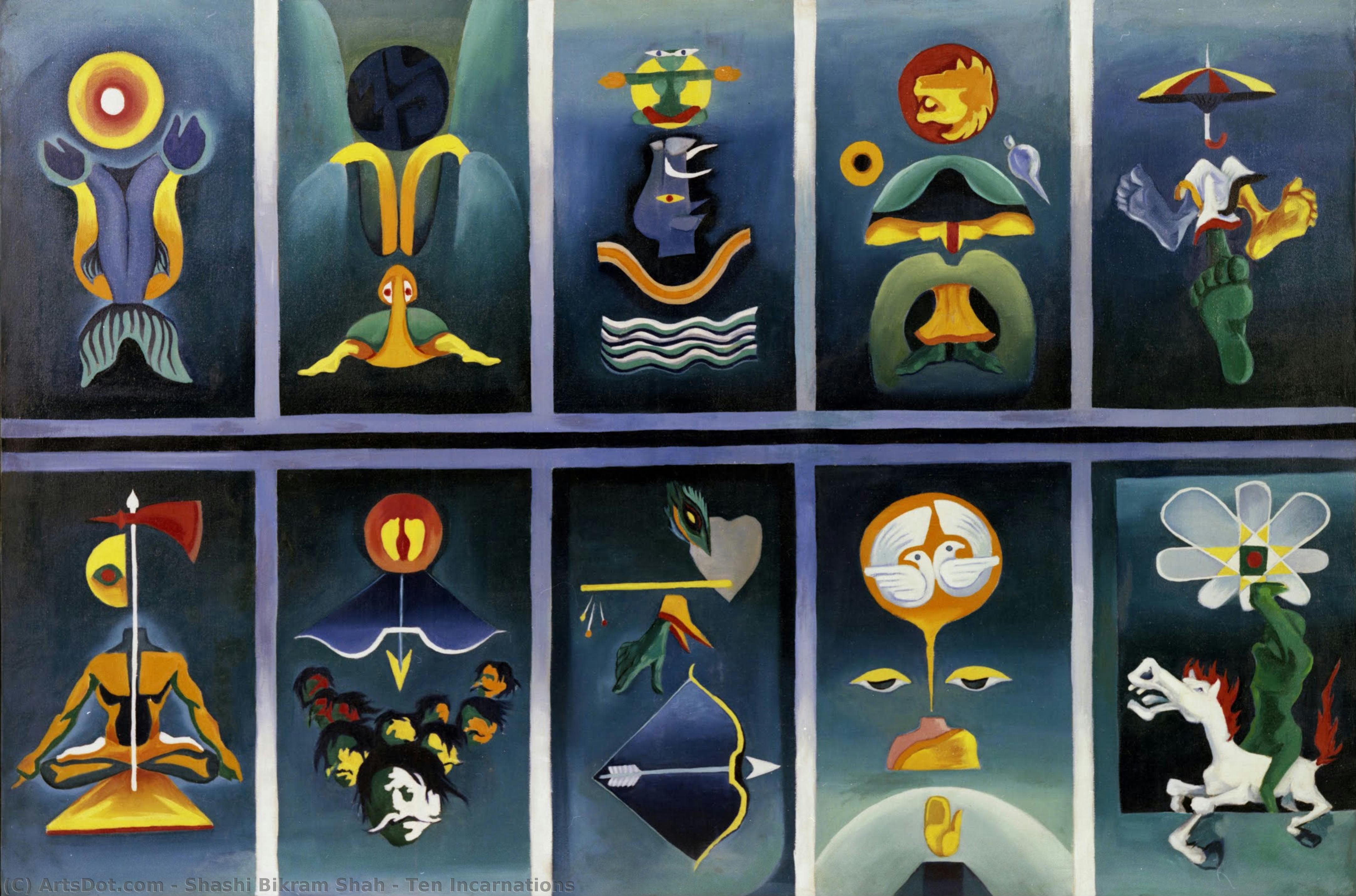
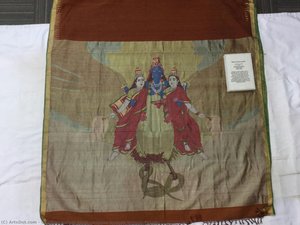
StatsTen Incarnations
 Surrealism
 153.0 x 103.0 cm
 福岡アジア美術館
 詳細を見る
詳細を見る
オンラインプレビューをはるかに凌ぐ、高解像度で鮮明なデジタル画像をご購入いただけます。
各ファイルは、社内の専門家が高度なツールと熟練した手作業によるレタッチを用いて、細心の注意を払って準備されています。すべての画像において、卓越した鮮明度、正確な色彩再現性、そして繊細なディテールを保証いたします。
最終ファイルは、プロフェッショナルな編集・印刷環境ですぐにご利用いただけるよう最適化された状態で、72時間以内にメールにてお届けいたします。これは、一流のデザインスタジオ、出版社、ギャラリーから信頼されているものと同等の品質です。
デジタルアート
個人での鑑賞、印刷、クリエイティブなプロジェクト用に、高解像度ファイルをダウンロードできます。 ( Switch to Print 手描きの絵画を購入)
デジタル画像のご注文に付随する特典
高品質なデジタル画像配信を、確かな品質で。
ArtsDot.com を選ぶことは、単に画像を手に入れることではありません。それは、プロの手によって精密に仕上げられ、満足保証が付いた高品質なデジタルアートワークを受け取ることを意味します。ご注文いただいた際に自動的に付随する内容は、以下の通りです:

メールですぐにお届け
ご注文から72時間以内に、高解像度のデジタル画像ファイルがメールでお手元に届きます。すぐにそのままご利用いただけます。

AI技術で最適化されたデジタルファイル
お客様の作品は、高度なAIツールと専門家による手作業の編集を組み合わせてプロフェッショナルに最適化されており、細部のディテール、鮮明さ、そして正確な色再現性を最大限に引き出しています。

一生涯無料の再送サービス
ファイルを誤って削除したり、紛失してしまったりしましたか?ご安心ください。いつでも無料で再送いたします。

輸入手数料は一切かかりません
関税や手数料、配送料を気にすることなく、お気に入りのアートワークをすぐにお楽しみいただけます。デジタルダウンロードは常に免税です。

色彩再現の保証
プロ仕様のツールとカラーマネジメント技術を用いることで、デジタル画像が元の色を最大限に忠実に再現することを保証いたします。

100日間満足保証
ご購入いただいたデジタル画像にご満足いただけない場合は、100日以内であれば、理由を問わず修正または100%の返金対応をさせていただきます。

100% 返金保証
ご満足いただけない場合は、デジタルファイルを受け取ってから100日以内であれば、理由を問わず全額返金いたします。

まとめ買い割引
3枚購入で10%OFF - 5枚購入で15%OFF - 10枚以上購入で20%OFF。クリエイティブなプロジェクト、ギャラリー、エージェンシーに最適です。
関連作品

作家の略歴
Shashi Bikram Shah: A Visionary Voice of Nepali Modernism
Shashi Bikram Shah (born 1940) stands as one of Nepal’s foremost contemporary artists, a beacon of modernist painting and a profound interpreter of Hindu mythology. His lifelong dedication to artistic exploration began in Kathmandu, nurtured by familial encouragement for creative pursuits and solidified by a scholarship to the Sir J.J. School of Art in Mumbai—a formative experience that exposed him to the groundbreaking works of Impressionists and Surrealists. This exposure irrevocably shaped his artistic vision, propelling him toward a singular path characterized by unwavering commitment to conveying suffering and distilling complex theological concepts into striking visual narratives.- Early Influences & Education: Shah’s initial artistic grounding occurred at Durbar High School in Kathmandu, where he cultivated an appreciation for art alongside fellow students who largely eschewed formal artistic training. However, his academic journey took a decisive turn when he secured a prestigious scholarship to Mumbai's Sir J.J. School of Art, immersing himself in the intellectual currents of Western art history and encountering influential teachers who broadened his perspective on artistic practice.
- The Surrealist Resonance: The influence of Surrealism was palpable in Shah’s early canvases—characterized by elongated human figures suspended in ethereal realms—demonstrating a deliberate departure from conventional Nepalese artistic traditions. This stylistic choice reflected a broader engagement with avant-garde movements and signaled an intention to transcend representational realism.
- Mythological Exploration & The Kalki Avatar: Shah’s artistic core revolves around the exploration of Hindu mythology, particularly the Dashavatar—the ten incarnations of Vishnu—and prominently features the Kalki avatar—a horse symbolizing the Kali Yuga, the current epoch marked by spiritual decline and moral decay. He consistently employs this imagery as a metaphor for confronting existential anxieties and grappling with universal themes of suffering and salvation.
The SKIB Collective & Kathmandu’s Artistic Renaissance
Shah's artistic trajectory gained momentum through his involvement in SKIB (Society for Kinetic Art), Nepal, established in 1971—a collective that spearheaded the revival of modernist art in Kathmandu. Alongside Krishna Manandhar, Indra Pradhan, Batsa Gopal Vaidya and others, Shah championed innovative artistic approaches and fostered a vibrant intellectual environment. The SKIB group’s ethos prioritized self-funding exhibitions and drew inspiration from the burgeoning cultural landscape of Nepal during the 1960s and 70s—a period characterized by significant liberalization and exposure to global influences. This collective served as a catalyst for disseminating new ideas across disciplines, including literature, art, music, and film, fundamentally reshaping Kathmandu’s artistic identity.- Notable Exhibitions: Shah's solo exhibitions began in 1968 at NAFA Gallery, followed by one at Triveni Kala Sangam in Delhi in 1971. A retrospective showcasing his oeuvre was held at Siddhartha Art gallery in 2001.
- International Recognition: His work gained international acclaim through participation in events such as EXPO Japan 1970, the National Art Exhibition organized by NAFA Gallery, and exhibitions at Triveni Kala Sangam, New Delhi; the Biennale Exhibition Dhaka Bangladesh; and Asian Art Shows in Fukuoka and Seoul.
- Institutional Roles: Shah served as Campus Chief of Fine Arts Campus and Sirjana College of Fine Arts, demonstrating his dedication to nurturing artistic talent and fostering educational excellence. He was also a member of Faculty Board-Institute of Humanities and Social Science T.U., Vice President of Artists’ Society of Nepal, Chairman of Subject Committee of Paintings and Sculpture, T.U., and served on the Advisory Board of Sirjana Contemporary Art Gallery.
A Legacy Defined by Symbolism & Reflection
Shah's artistic legacy extends beyond individual artworks; it embodies a profound engagement with Nepal’s cultural heritage and its evolving relationship with the wider world. His monumental series “Ten Incarnations,” depicting Vishnu’s avatars in a stark grid, exemplifies his masterful blend of surrealist aesthetics and mythological symbolism—a stylistic hallmark that distinguishes his oeuvre. Furthermore, Tate Etc recognized Shah's contribution to contemporary art by showcasing his Royal Massacre Series – 15 double-sided works on newspaper responding to the tragic assassination of Nepal’s royal family in June 2001. This series powerfully communicates Shah’s artistic vision and underscores his commitment to confronting complex social realities through evocative imagery rooted in Hindu iconography. His enduring influence continues to inspire artists and scholars alike, cementing his place as a pivotal figure in Nepal's artistic history.
shashi bikram shah
1940 - , Nepal
プロフィール概要
- Artistic Movement Or Style: Modernist Painting
- Artists Or Movements Influenced By This Artist: ['Hindu Mythology']
- Artists Who Influenced This Artist:
- Impressionists
- Surrealists
- Date Of Birth: 1940
- Full Name: Shashi Bikram Shah
- Nationality: Nepali
- Notable Artworks:
- Ten Incarnations
- Royal Massacre Series
- Place Of Birth: Kathmandu, Nepal