

 プレビュー
プレビュー
 シェアする
シェアする シェアする
シェアする
 詳細を見る
詳細を見る

 ダウンロード
 似ている作品
 X線調査
X線調査 スライドショー
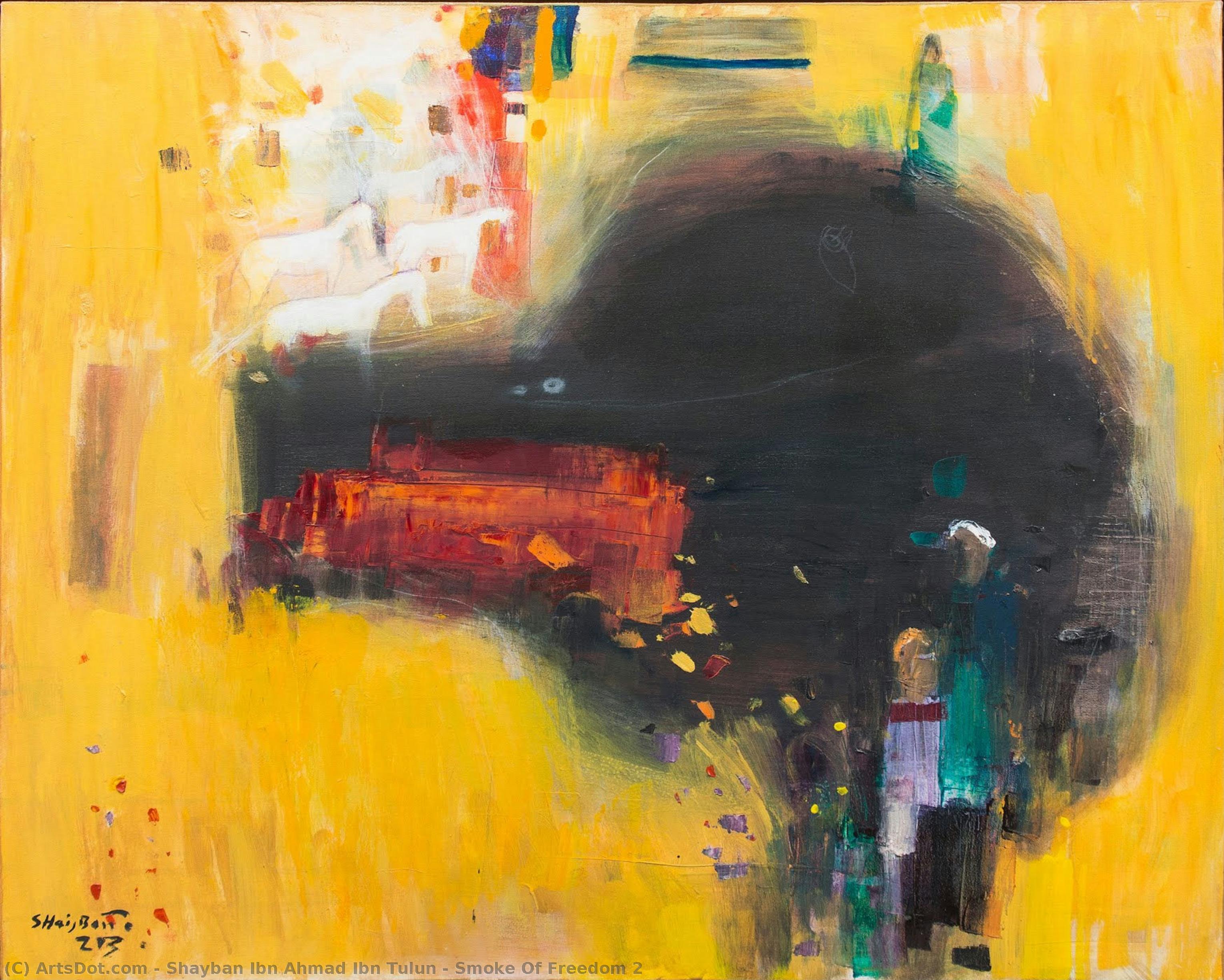
Smoke Of Freedom 2
 Painting
- Contemporary Art
 2003
2003- Contemporary
 85.0 x 105.0 cm
 Ibrahimi Collection
 詳細を見る
詳細を見る
ジークレー/アートプリント
迅速な制作と多彩な仕上げオプションを備えた、ミュージアムクオリティのジークレーまたはキャンバスプリント。 ( 手描きの絵画を購入 画像を購入)




P118B $10

P118H $10

P118W $10

P438Z $10

P508JH $12

P508YH $12

P805H $10

P805Z $10

P919BZ $10

P919G $10

P919XJ $10

P959ZH $10

P968JZ $12

W106C $8

W218G $10

W218JH $8

W218Y $10

W307PJ $10

W316G $10

W316PJ $8

W316Y $10

W398PJ $8

W4111J $10

W500HY $15

W500JH $15

W692G $12

W849H $8

W940BG $15

W953PJ $8




作品のオリジナル比率に合わせた、当店の規定サイズからお選びください。

特定のフレームやスペースに合わせて、ご自身でサイズを指定することも可能です。選択されたサイズが元の画像の比率と一致しない場合、作品をトリミングするか、鏡面反射または単色での塗りつぶしによって画像を拡張いたします。制作を開始する前に、ご確認用のデジタルモックアップをお送りいたします。
画面上のプレビューには、実際のトリミングや拡張は反映されませんのでご注意ください。最終的な構図を正確に確認できるのは、モックアップのみとなります。
カスタムサイズも承っておりますが、元の比率を維持するためには、あらかじめ用意されたリストからサイズを選択することをお勧めいたします。


 ガラスオプションは、110cm未満のサイズでのみご利用いただけます。

Smoke Of Freedom 2
ジークレー/アートプリント
複製画のサイズ
-


合計金額
$ 62
関連作品

アーティストの略歴
A Brief Reign, A Lasting Echo: The Story of Shayban Ibn Ahmad Ibn Tulun
The name Shayban Ibn Ahmad Ibn Tulun resonates as a poignant footnote in the annals of Egyptian history, less for an extensive artistic oeuvre and more for embodying the final chapter of the powerful Tulunid dynasty. Born into privilege within the opulent walls of 9th-century Cairo, his life was inextricably linked to the fate of a once-independent emirate carved from the vast Abbasid Caliphate. While historical records paint him primarily as a political figure – the fifth and last vassal emir ruling from 904 to 905 – understanding his context reveals a man who inherited not just power, but also a rich artistic legacy that likely shaped his worldview, even if direct attribution of artworks remains elusive. His story is one of inheritance, rapid decline, and ultimately, surrender—a dramatic conclusion to a period of flourishing culture in Egypt.The Weight of Legacy: Tulunid Art & Shayban’s Early Life
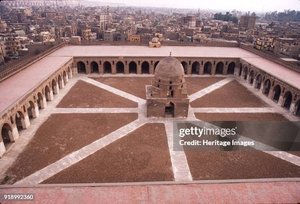
To grasp the significance of Shayban Ibn Ahmad's brief rule, we must first acknowledge the artistic brilliance that preceded him. His grandfather, Ahmad ibn Tulun, was not merely a military commander who established an autonomous Egypt; he was a visionary patron of the arts. The iconic Mosque of Ibn Tulun, with its spiraling minaret and innovative architectural design, stands as a testament to this patronage. This mosque wasn’t just a place of worship but a deliberate statement of power and cultural identity, incorporating elements from Samarran art and showcasing skilled craftsmanship in stucco, wood carving, and calligraphy. Shayban grew up surrounded by this aesthetic—a world where artistic expression was interwoven with political ambition. His father continued this tradition, fostering an environment where artisans thrived. It is reasonable to assume that Shayban received a comprehensive education steeped in the appreciation of these arts, even if he wasn’t actively involved in their creation. The very air he breathed was infused with the spirit of innovation and refinement that characterized the Tulunid period. The dynasty's support extended beyond architecture; manuscript illumination, textiles, and metalwork also flourished under their rule, creating a vibrant artistic ecosystem.A Tumultuous Succession & The End of an Era
Shayban’s ascent to power was far from smooth. He inherited the emirate following the assassination of his nephew, Harun ibn Khumarawayh, in December 904 amidst a growing mutiny fueled by years of administrative mismanagement and the looming threat of Abbasid intervention. The invasion of Egypt by the Caliphate’s forces cast a long shadow over his reign from the outset. Unlike his predecessors who skillfully navigated the complex political landscape, Shayban found himself facing insurmountable challenges. The army, disillusioned and fractured, proved difficult to control. Attempts at restoring order were hampered by internal dissent and external pressure. He was forced into a strategic retreat towards Fustat, the historical capital of Egypt, recognizing the futility of prolonged resistance. On January 10, 905, Shayban Ibn Ahmad surrendered unconditionally to Muhammad ibn Sulayman al-Katib, effectively ending the Tulunid dynasty’s independent rule after nearly four decades. This wasn't a defeat born of military incompetence but rather a pragmatic acknowledgement of overwhelming odds.Historical Significance & The Echoes of Smoke Of Freedom
While Shayban Ibn Ahmad’s reign was tragically short, his story serves as a powerful reminder of the fragility of power and the enduring impact of artistic legacy. Though he didn't leave behind a substantial body of work directly attributable to him, his name is now associated with a series of evocative paintings known as “Smoke Of Freedom.” These works, created much later, are not contemporary to Shayban’s life but rather modern interpretations inspired by his historical context—a symbolic representation of the lost independence and cultural flourishing of the Tulunid era. The "Smoke Of Freedom" series, often characterized by muted tones and melancholic imagery, captures the sense of loss and transition that defined Shayban's time. They are a testament to the enduring power of history to inspire contemporary artistic expression. His surrender marked not only the end of Tulunid rule but also a shift in Egypt’s political landscape, bringing it back under tighter Abbasid control. However, the artistic foundations laid by Ahmad ibn Tulun and continued by his successors—including Shayban's father—continued to influence Egyptian art for centuries to come. The architectural marvels and refined craftsmanship of the Tulunid period remained a source of pride and inspiration, ensuring that their legacy would not be entirely extinguished despite the political upheaval.Further Research & The Ongoing Quest for Understanding
Due to the limited historical documentation surrounding Shayban Ibn Ahmad Ibn Tulun’s life, much remains shrouded in mystery. Scholars continue to piece together fragments of information from contemporary chronicles and archaeological findings to gain a more complete understanding of his reign and its impact on Egyptian art and culture.- Further investigation into the administrative policies during Shayban's brief rule may shed light on the factors contributing to the dynasty’s downfall.
- Analyzing surviving examples of Tulunid-era artwork can provide valuable insights into the aesthetic environment that shaped Shayban’s worldview.
- Exploring the connections between the "Smoke Of Freedom" series and contemporary artistic movements can reveal deeper layers of meaning and symbolism.
基本情報
- Artistic Movement Or Style: Islamic Art
- Artists Or Movements Influenced By This Artist: ['Tulunids']
- Artists Who Influenced This Artist: ['Ahmad ibn Tulun']
- Date Of Birth: Cairo, Egypt ()
- Date Of Death: Living
- Full Name: Shaiban ibn Ahmad ibn Tulun
- Nationality: Egyptian
- Notable Artworks: ['Smoke Of Freedom']
- Place Of Birth: Egypt
関連記事

Kandinsky's Masterpieces: 25 Paintings That Define Abstract Art | ArtsDot
Journey through Wassily Kandinsky's 25 most iconic abstract paintings. Explore his revolutionary use of color, form & spiritual expressionism. Find museum-quality Kandinsky reproductions and elevate your home decor with ArtsDot.com. Discover all masterpieces on ArtsDot.com!
抽象表現主義を定義する十大傑作:芸術と装飾の深遠な旅
抽象表現主義を定義する10の傑作。ポロック、ロスコら巨匠たちの情熱と色彩の世界へ。各作品に込められた物語と技法を紐解き、至高のアート体験を。ArtsDot.comで、ミュージアムクオリティの複製画や洗練されたインテリアアイデアを発見してください。

幾何学的抽象絵画を定義した傑作10選|アート、アーティスト、インテリア装飾
モンドリアン、マレーヴィチ…幾何学的抽象絵画を代表する傑作10選。各作品の背景や色彩構成、アーティストの情熱に迫ります。美術館品質の複製画はArtsDot.comで。オンラインでアートコレクションをご覧ください。
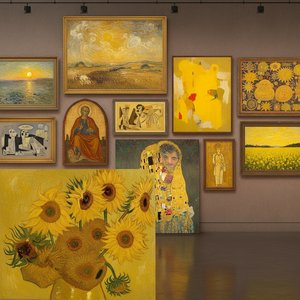
Golden Hues: 10 Masterpieces Dominated by Chrome Yellow | ArtsDot
Immerse yourself in golden light! Explore 10 famous paintings dominated by 'Chrome Yellow', from Van Gogh’s Sunflowers to Monet's Haystacks. Discover the stories behind these iconic Impressionist & Post-Impressionist masterpieces and find museum-quality art reproductions at ArtsDot.com.
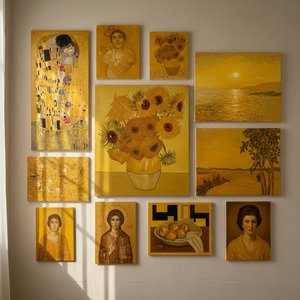
Golden Hues: Top 10 Paintings Dominated by Yellow Ochre |
Explore 10 iconic paintings bathed in golden yellow ochre! From Van Gogh's sunflowers to Monet’s haystacks, discover the stories behind these masterpieces. Find museum-quality art reproductions & elevate your home decor on .

