

 プレビュー
プレビュー
 シェアする
シェアする シェアする
シェアする
 詳細を見る
詳細を見る

 ダウンロード
 似ている作品
 X線調査
X線調査 スライドショー
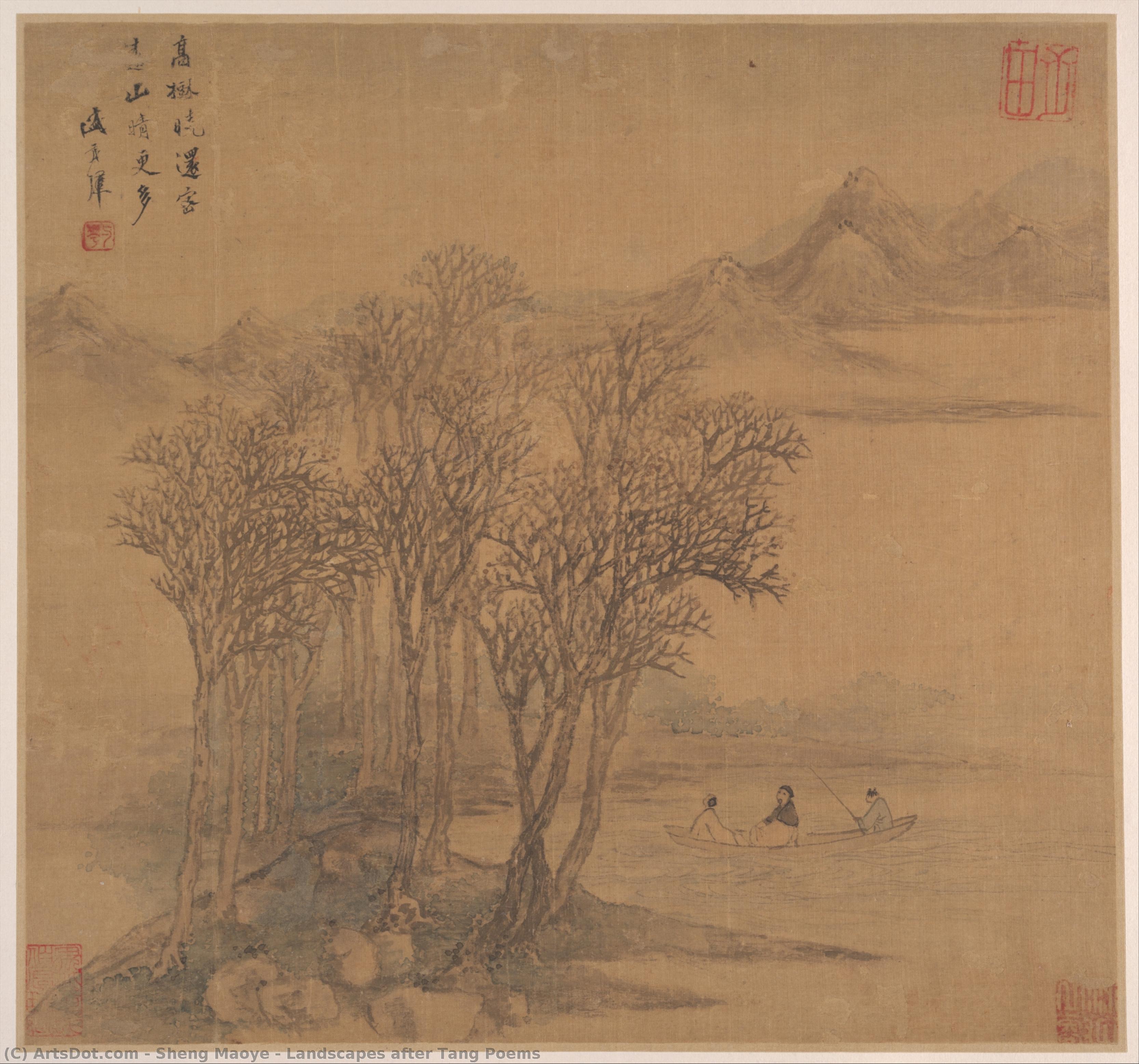
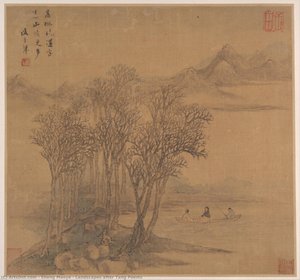
Landscapes after Tang Poems
 601
601 29.0cm x 30.0cm
 詳細を見る
詳細を見る
ジークレー/アートプリント
迅速な制作と多彩な仕上げオプションを備えた、ミュージアムクオリティのジークレーまたはキャンバスプリント。 ( 手描きの絵画を購入 画像を購入)




































作品のオリジナル比率に合わせた、当店の規定サイズからお選びください。

特定のフレームやスペースに合わせて、ご自身でサイズを指定することも可能です。選択されたサイズが元の画像の比率と一致しない場合、作品をトリミングするか、鏡面反射または単色での塗りつぶしによって画像を拡張いたします。制作を開始する前に、ご確認用のデジタルモックアップをお送りいたします。
画面上のプレビューには、実際のトリミングや拡張は反映されませんのでご注意ください。最終的な構図を正確に確認できるのは、モックアップのみとなります。
カスタムサイズも承っておりますが、元の比率を維持するためには、あらかじめ用意されたリストからサイズを選択することをお勧めいたします。


 ガラスオプションは、110cm未満のサイズでのみご利用いただけます。

Landscapes after Tang Poems
ジークレー/アートプリント
複製画のサイズ
-


合計金額
$ 62
作品詳細説明
Introduction to Suiboku ga Art Movement
Suiboku ga, also known as ink wash painting, is a type of Chinese ink brush painting that uses washes of black ink in different concentrations. It emerged during the Tang dynasty of China (618–907) and overturned earlier, more realistic techniques. Suiboku ga is typically monochrome, using only shades of black, with a great emphasis on virtuoso brushwork and conveying the perceived ''spirit'' of the subject matter rather than its outward appearance.Sheng Maoye's Landscapes After Tang Poems
Landscapes After Tang Poems is a stunning example of Suiboku ga art movement by Chinese artist Sheng Maoye. The painting features a series of landscapes inspired by the famous Tang dynasty poets, such as Li Bai and Du Fu. Each landscape is depicted with great attention to detail, using delicate brushstrokes and varying ink concentrations to create depth and texture. The use of monochrome ink wash technique in Landscapes After Tang Poems highlights the artist's mastery of the medium and his ability to convey the essence of each landscape through subtle variations in ink tone and brushwork. The painting also showcases Sheng Maoye's deep understanding and appreciation of Chinese poetry, as well as his skill in capturing the spirit of the Tang dynasty poets in visual form.The Significance of Landscapes After Tang Poems
Landscapes After Tang Poems is not only a beautiful work of art but also an important cultural artifact that reflects the rich literary and artistic heritage of China. The painting serves as a visual complement to the poetry of the Tang dynasty, providing a unique perspective on the works of Li Bai, Du Fu, and other famous poets. Furthermore, Landscapes After Tang Poems is an excellent example of the Suiboku ga art movement, showcasing the beauty and versatility of ink wash painting as a medium for artistic expression. The painting demonstrates the artist's mastery of the technique and his ability to convey complex emotions and ideas through simple yet powerful brushstrokes.Conclusion
In conclusion, Landscapes After Tang Poems by Sheng Maoye is a stunning work of art that showcases the beauty and versatility of Suiboku ga ink wash painting technique. The painting provides a unique perspective on the poetry of the Tang dynasty and serves as an important cultural artifact that reflects China's rich literary and artistic heritage. If you are interested in learning more about Chinese ink wash painting or other art movements, please visit our Suiboku ga Art Movement page on ArtsDot.com.References
Landscapes After Tang Poems by Sheng MaoyeThe Suiboku ga Art Movement
関連作品



アーティストの略歴
The Ethereal Brush of a Landscape Poet
In the twilight of the Ming Dynasty, a period marked by both cultural splendor and profound transition, the art of Sheng Mao-yeh emerged as a poignant bridge between the visual and the lyrical. Known by his contemplative sobriquet, Nian An, Sheng Mao (盛茂燁) was a master whose life and work were inextricably woven into the intellectual fabric of Suzhou. While the precise dates of his birth and passing remain shrouded in the mists of history, his presence in the annals of Chinese art is unmistakable. Born in Jiaxing, Zhejiang Province, but finding his true artistic home in the vibrant cultural landscape of Jiangsu, Sheng developed a style that did not merely depict nature, but rather translated the very soul of classical poetry into monochrome ink.
The essence of Sheng’s artistry lies in his profound connection to the Suiboku ga tradition, or ink wash painting. His work is characterized by a breathtakingly spacious and foggy atmosphere, creating a sense of infinite depth that invites the viewer into a meditative state. Rather than focusing on the rigid outlines of the physical world, Sheng utilized varying concentrations of black ink to simulate the ephemeral qualities of the natural realm—the dampness of a mountain mist, the weight of a heavy cloud, or the serene stillness of a hidden lake. This technique allowed him to capture what scholars call the spirit of the subject, prioritizing emotional resonance and atmospheric truth over mere topographical accuracy.
Poetic Resonance and Artistic Lineage
Sheng Mao’s development as an artist was deeply shaped by the prestigious lineage of Chinese masters. He drew significant inspiration from the refined aesthetics of Zhao Mengfu and Chen Lin, artists who championed a sophisticated approach to landscape that integrated philosophical depth with meticulous brushwork. From these influences, Sheng inherited a dedication to the idea that a painting should function as a visual poem. His most celebrated achievement is perhaps his ability to breathe life into the verses of the Tang Dynasty; his landscapes often serve as visual interpretations of the works of legendary poets such as Li Bai and Du Fu.
To observe a Sheng Mao-yeh landscape is to read a poem through the eyes. His mastery of the medium is evident in several key artistic elements:
- Moist Brushwork: The use of soft, saturated strokes on silk and fan panels to create textures that feel alive with moisture and light.
- Monochrome Mastery: A sophisticated command over the grayscale spectrum, using subtle shifts in ink tone to suggest distance, shadow, and atmosphere.
- Symbolic Landscapes: The deliberate inclusion of elements like towering pines, misty valleys, and tranquil waters that mirror the themes of nostalgia and permanence found in classical literature.
A Legacy Preserved in Ink
The historical significance of Sheng Mao-yeh extends far beyond the borders of Suzhou. His work embodies a pervasive sense of fin-de-siècle nostalgia, capturing a melancholic beauty that reflected the fading grandeur of the Ming era. This emotional depth has ensured his enduring relevance in the global art canon. Today, his masterpieces are not merely relics of a bygone age but are celebrated as pinnacle examples of the ink wash tradition, held in some of the world's most prestigious institutions.
The enduring legacy of Nian An is reflected in the permanent collections of several esteemed museums, including:
- The Metropolitan Museum of Art
- The British Museum
- The Indianapolis Museum of Art
- The Walters Art Museum
- The Nelson-Atkins Museum of Art
Through his delicate touch and profound sensitivity, Sheng Mao-yeh transformed the landscape into a vessel for memory and emotion. His ability to harmonize the ruggedness of nature with the elegance of classical verse ensures that his "landscape poetry" continues to resonate with anyone seeking beauty in the subtle nuances of the monochrome world.
sheng mao-yeh
China
基本情報
- Artistic Movement Or Style: Ming Dynasty Landscape Painting
- Artists Or Movements Influenced By This Artist: ['Tang Dynasty Art']
- Artists Who Influenced This Artist: ['Zhao Mengfu']
- Date Of Death: Living
- Full Name: sheng mao-yeh
- Nationality: Chinese
- Notable Artworks: ['Landscapes after Tang Poems']
- Place Of Birth: Suzhou, China


