

 プレビュー
プレビュー
 プリントを購入
 シェアする
シェアする シェアする
シェアする
 詳細を見る
詳細を見る

 ダウンロード
 似ている作品
 X線調査
X線調査 スライドショー
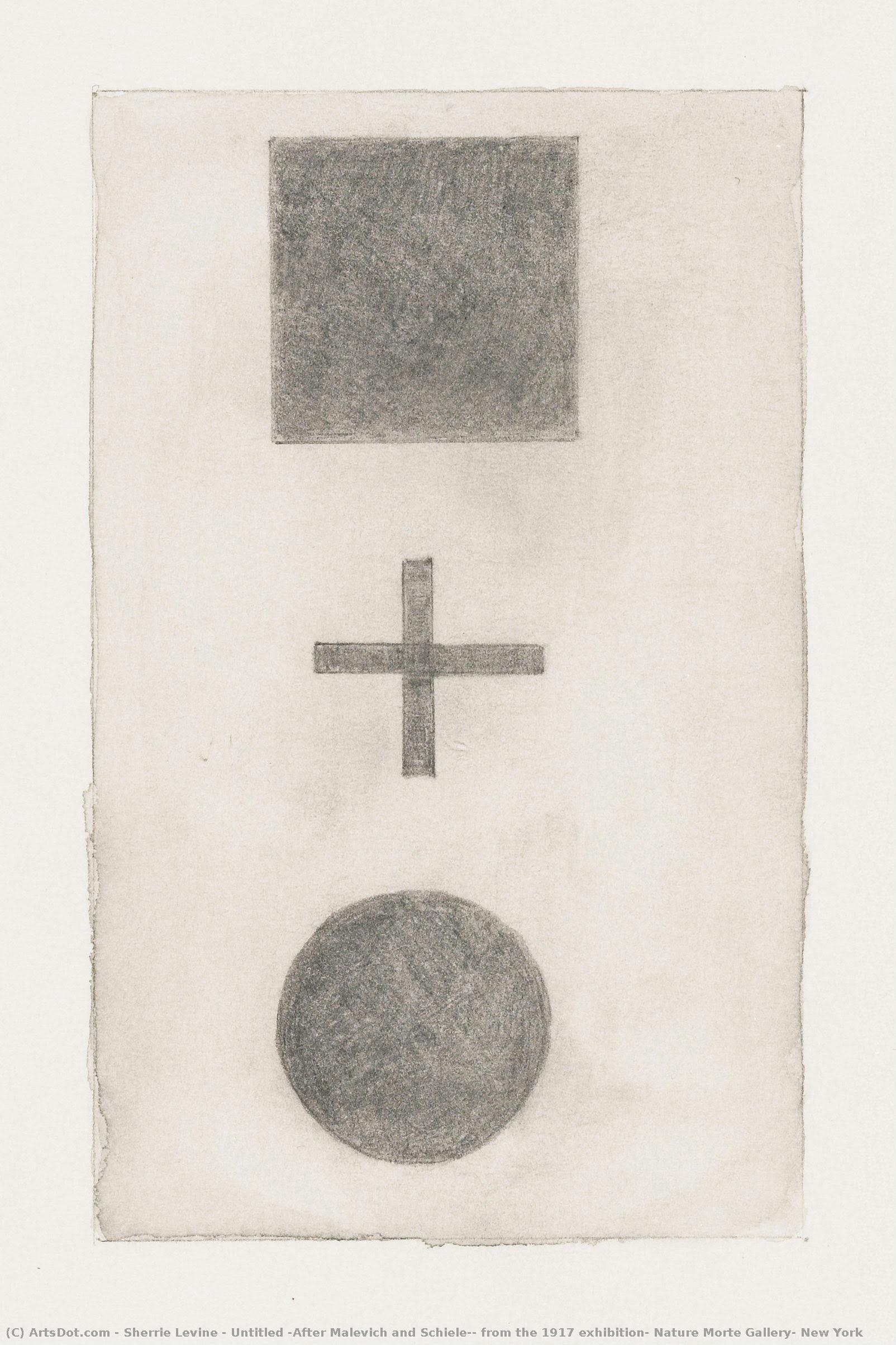
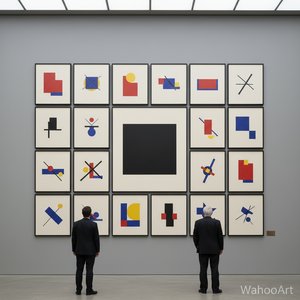
Untitled (After Malevich and Schiele), from the 1917 exhibition, Nature Morte Gallery, New York
 Acrylic On Canvas
- WallArt
- Contemporary Minimalism
 1984
1984 27.0 x 35.0 cm
 MoMA(ニューヨーク近代美術館)
 詳細を見る
詳細を見る




P118B $10

P118H $10

P118W $10

P438Z $10

P508JH $12

P508YH $12

P805H $10

P805Z $10

P919BZ $10

P919G $10

P919XJ $10

P959ZH $10

P968JZ $12

W106C $8

W218G $10

W218JH $8

W218Y $10

W307PJ $10

W316G $10

W316PJ $8

W316Y $10

W398PJ $8

W4111J $10

W500HY $15

W500JH $15

W692G $12

W849H $8

W940BG $15

W953PJ $8




作品のオリジナル比率に合わせた、当店の規定サイズからお選びください。

特定のフレームやスペースに合わせて、ご希望のサイズをご入力いただけます。選択されたサイズが元の画像の比率と異なる場合、アートワークをトリミングするか、手描きで要素を追加して絵画を拡張いたします。デジタルモックアップ を制作し、制作開始前にご確認(承認)をいただきます。
画面上のプレビューは、実際のトリミングや拡張を正確に反映しているものではありません。最終的な構図は、モックアップによってのみ正確にご確認いただけます。
カスタムサイズもご利用いただけますが、元の比率を維持するためには、あらかじめ用意されたリストからサイズを選択することをお勧めいたします。
ご注文後、ArtsDot.com チームより詳細な指示をお送りするとともに、仕上がりイメージ(モックアップ)をご提供いたします。


 ガラスオプションは、110cm未満のサイズでのみご利用いただけます。

Untitled (After Malevich and Schiele), from the 1917 exhibition, Nature Morte Gallery, New York
複製技法
複製画のサイズ
-


合計金額
$ 263
作品解説
Sherrie Levine’s Bold Appropriation: Echoes of Malevich and Schiele
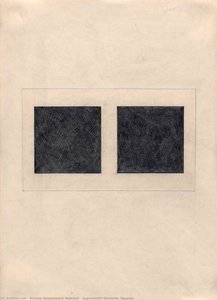
Sherrie Levine's "Untitled (After Malevich & Schiele)," created in 1984, stands as a cornerstone of postmodern art practice—a deliberate act of reimagining and redefining artistic originality. This deceptively simple drawing, housed within the Nature Morte Gallery’s collection in New York, isn’t merely a reproduction; it's an interrogation of the very concept of authorship and a profound engagement with the legacy of two monumental figures: Kazimir Malevich and Oskar Schiele. Levine’s masterful execution captures the essence of their pioneering visions while simultaneously asserting her own creative voice within a dialogue spanning artistic history.A Dialogue Across Generations
Levine's decision to revisit Malevich’s Suprematism – specifically his iconic “Black Square” – and Schiele’s expressive figurative art is not accidental. These artists, operating at the cusp of the 20th century, fundamentally challenged conventional aesthetic standards by prioritizing geometric abstraction and unflinching psychological realism respectively. Malevich stripped painting down to its purest form, rejecting representational imagery in favor of a single black square on white canvas—a radical statement about reducing art to its fundamental elements and questioning established notions of visual perception. Schiele, conversely, confronted the complexities of human emotion through unsettling portraits characterized by distorted figures and intense gaze, delving into themes of vulnerability and repressed desire. Levine recognized that confronting these seminal works would allow her to explore the broader implications of artistic influence and transformation.Technique and Reproduction: A Careful Consideration
The drawing itself is executed in graphite on paper—a technique chosen deliberately for its understated elegance and ability to convey subtle tonal variations. Levine meticulously recreated Schiele’s compositional arrangement, mirroring the placement of a smaller circle alongside a larger one – a motif frequently employed by Schiele to represent duality and inner turmoil. The resulting image possesses a remarkable clarity and precision, achieved through painstaking attention to detail—a testament to Levine's dedication to capturing the spirit of her chosen source material. Importantly, she acknowledges that reproduction inevitably alters the original artwork’s materiality and immediacy; therefore, this piece serves as an invitation to contemplate not just what is depicted but also how it communicates its message across mediums.Symbolism Beyond Imitation
While Levine's work undeniably borrows from Malevich and Schiele’s artistic vocabularies, she transcends mere imitation by injecting her own conceptual framework into the process. The circles themselves symbolize interconnectedness and opposing forces—a visual representation of the tensions inherent in human experience and mirroring Schiele’s preoccupation with psychological states. Furthermore, Levine's appropriation speaks to a larger critique of art history, questioning whether originality is truly attainable or if artistic creativity thrives on revisiting and reimagining established traditions. By confronting these questions head-on, she elevates her artwork beyond stylistic homage into a thoughtful meditation on the nature of artistic legacy.Emotional Resonance: A Quiet Intensity
Ultimately, “Untitled (After Malevich & Schiele)” resonates with an understated emotional depth—a subtle acknowledgment of the profound impact that art can have on our understanding of ourselves and the world around us. The drawing’s monochrome palette reinforces its contemplative mood, inviting viewers to engage in a quiet dialogue with the artistic heritage it embodies. Like Schiele's portraits, Levine’s piece compels us to confront uncomfortable truths about human vulnerability and psychological complexity—a reminder that art can illuminate hidden dimensions of experience and foster empathy for perspectives beyond our own. It is this enduring quality of reflection and emotional engagement that secures its place as a significant contribution to contemporary artistic discourse.関連作品

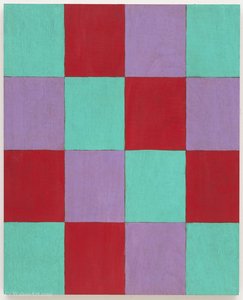
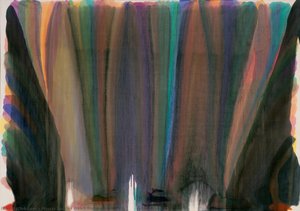
アーティストの略歴
The Architect of Appropriation: The Life and Legacy of Sherrie Levine
Sherrie Levine stands as a pivotal figure in contemporary art, recognized for her pioneering exploration of appropriation—a practice that fundamentally challenged notions of originality and authorship within the postmodern landscape. Born in 1947 in Hazleton, Pennsylvania, Levine’s formative years were shaped by experiences rooted in the American Midwest, notably spending her childhood and adolescence in the suburbs of St. Louis, Missouri. Early exposure to art fostered a lifelong fascination with visual culture, beginning with visits to the St. Louis Art Museum where she observed her mother—a passionate painter—introducing her to the transformative power of artistic expression at just eight years old. This familial influence extended beyond mere observation; Levine’s mother instilled in her a love for art house films and cinematic storytelling, shaping an aesthetic sensibility that would later inform her profound engagement with the layers of visual history.
Levine pursued formal education with rigorous dedication, earning her B.A. from the University of Wisconsin–Madison in 1969. Her academic pursuits solidified her understanding of art history and critical theory, preparing her for a career dedicated to conceptual exploration. Continuing her studies at UW-Madison, she earned an M.F.A. in 1973, honing her artistic skills and refining her approach to visual communication. It was during this period that Levine began to develop her signature style—a deliberate act of appropriation—drawing inspiration from the groundbreaking works of modernist masters such as Walker Evans, Edgar Degas, Marcel Duchamp, and Constantin Brancusi. By re-presenting existing images, she sought to interrogate the very essence of what it means to create in an age of infinite reproduction.
Challenging the Canon through Rephotography and Drawing
The late 1970s witnessed a surge of appropriation art within New York’s East Village scene, fueled by a desire to interrogate established artistic conventions. Alongside contemporaries like Louise Lawler and Barbara Kruger, Levine pushed the boundaries of creativity, establishing herself as a prominent voice in a movement that questioned the sanctity of the "original" masterpiece. Her work often utilizes rephotography—the act of photographing existing photographs—to create a dialogue between the past and the present. This technique allows her to strip away the traditional aura of the artist's hand, instead focusing on the way images circulate, persist, and transform through time.
Beyond her photographic interventions, Levine has explored the starkness of minimalist drawing to echo the movements of early modernism. Her 1984 work, Untitled (After Malevich and Schiele), serves as a profound example of this technique. In this piece, she utilizes minimalist graphite to create a geometric abstraction that references the pioneering spirits of Kazimir Malevich and Egon Schiele. Through these drawings, Levine does not merely copy; she inhabits the visual language of her predecessors, using stark lines and shadows to embody a bold challenge to artistic originality. This work showcases her ability to engage deeply with the history of art while simultaneously deconstructing its most fundamental myths.
Historical Significance and the Postmodern Dialogue
The enduring significance of Sherrie Levine lies in her ability to transform the act of looking into an act of critical critique. Her career has been a continuous investigation into the politics of representation, gender, and the ownership of imagery. By reclaiming the works of male masters, she has performed a feminist intervention, subtly shifting the gaze and questioning the patriarchal structures inherent in the art historical canon.
Her contributions can be summarized through several key artistic pillars:
- The Reconceptualization of Authorship: Levine’s practice forces the viewer to confront the blurred lines between the creator and the curator, making the act of selection a primary creative force.
- Engagement with Modernist Legacies: Through her appropriation of figures like Walker Evans and Malevich, she keeps the dialogue of modernism alive while simultaneously critiquing its foundations.
- The Power of the Image in Flux: Her work highlights how meaning is not fixed within an object but is instead generated through the context, repetition, and re-presentation of visual culture.
Today, Levine remains a vital presence in the art world, her work continuing to resonate within the ongoing debates regarding digital reproduction, intellectual property, and the ever-evolving nature of the image in the contemporary era.
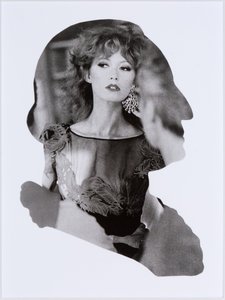
Sherrie Levine
1947 - , United States of America
基本情報
- Artistic Movement Or Style: Appropriation Art
- Artists Or Movements Influenced By This Artist:
- Louise Lawler
- Mike Bidlo
- Artists Who Influenced This Artist:
- Walker Evans
- Marcel Duchamp
- Date Of Birth: 1947
- Full Name: Sherrie Levine
- Nationality: American
- Notable Artworks:
- Untitled (After Walker Evans)
- Untitled (After Malevich & Schiele)
- Place Of Birth: Hazleton, United States
関連記事
エゴン・シーレ傑作25選:魂を揺さぶる表現主義の世界 | ArtsDot
エゴン・シーレの傑作25選。表現主義を代表するオーストリアの画家、その魂を揺さぶる人物画や自画像の世界へ。ArtsDotで名画の複製画とインテリアアートをお楽しみください。コレクションを見る▶
カジミール・マレーヴィチ:至高の25選 - 抽象芸術の革命とホームデコレーション
カジミール・マレーヴィチの至高の25選。シュプレマティズムを代表する「ブラックスクエア」をはじめ、抽象芸術の革命的作品群を紐解きます。ロシア構成主義からミニマリズムまで、美術史に輝く傑作をArtsDot.comで。高品質なアートプリントとホームデコレーションの世界へ。今すぐコレクションをご覧ください。

幾何学的抽象絵画を定義した傑作10選|アート、アーティスト、インテリア装飾
モンドリアン、マレーヴィチ…幾何学的抽象絵画を代表する傑作10選。各作品の背景や色彩構成、アーティストの情熱に迫ります。美術館品質の複製画はArtsDot.comで。オンラインでアートコレクションをご覧ください。

抽象表現主義を定義する十大傑作:芸術と装飾の深遠な旅
抽象表現主義を定義する10の傑作。ポロック、ロスコら巨匠たちの情熱と色彩の世界へ。各作品に込められた物語と技法を紐解き、至高のアート体験を。ArtsDot.comで、ミュージアムクオリティの複製画や洗練されたインテリアアイデアを発見してください。

Kandinsky's Masterpieces: 25 Paintings That Define Abstract Art | ArtsDot
Journey through Wassily Kandinsky's 25 most iconic abstract paintings. Explore his revolutionary use of color, form & spiritual expressionism. Find museum-quality Kandinsky reproductions and elevate your home decor with ArtsDot.com. Discover all masterpieces on ArtsDot.com!

