

 プレビュー
プレビュー
 プリントを購入
 シェアする
シェアする シェアする
シェアする
 詳細を見る
詳細を見る

 ダウンロード
 似ている作品
 X線調査
X線調査 スライドショー
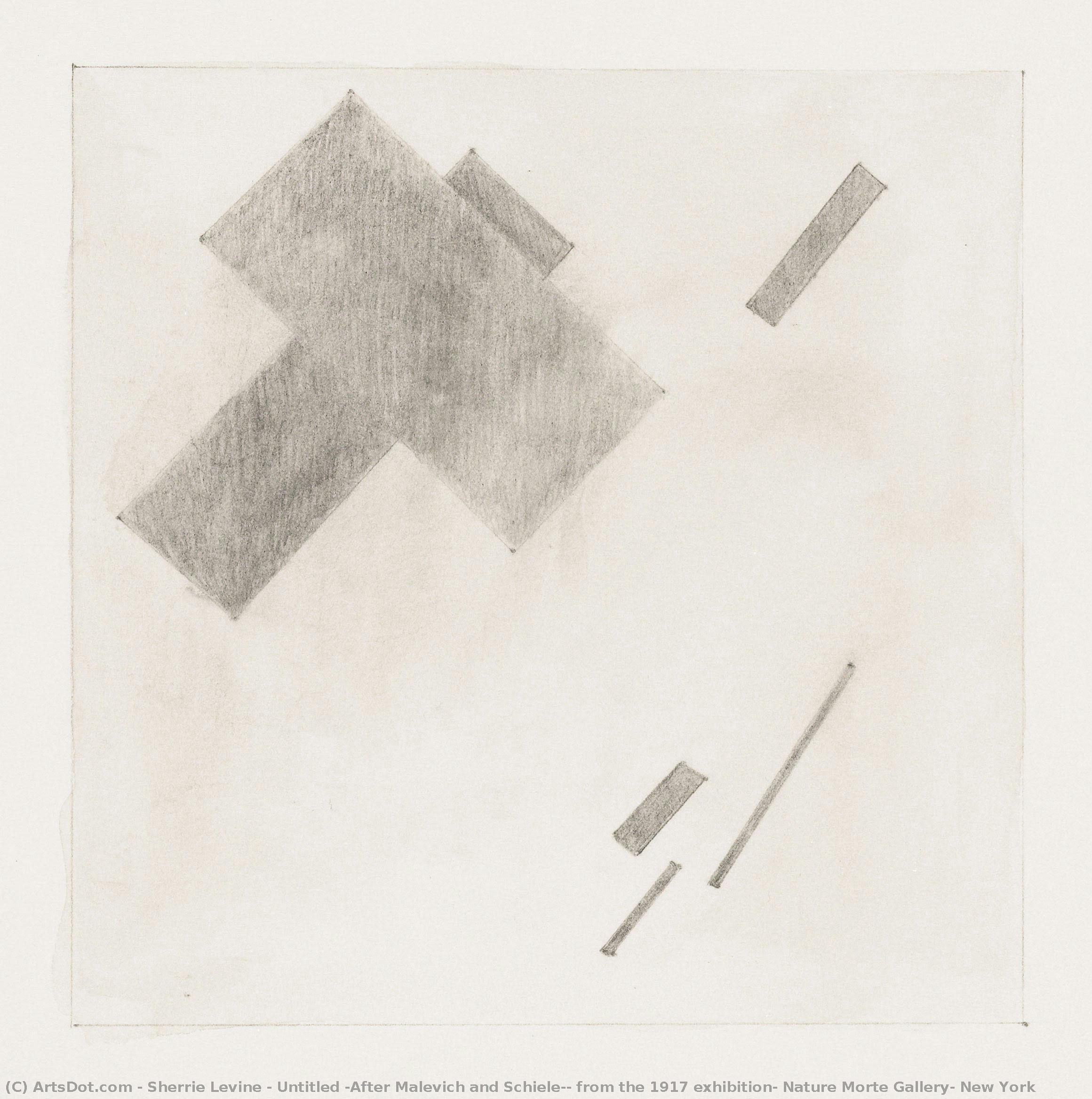
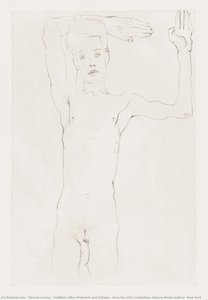
Untitled (After Malevich and Schiele), from the 1917 exhibition, Nature Morte Gallery, New York
 Acrylic On Canvas
- WallArt
- Postmodernism
 1984
1984- Contemporary
 27.0 x 35.0 cm
 MoMA(ニューヨーク近代美術館)
 詳細を見る
詳細を見る
オンラインプレビューをはるかに凌ぐ、高解像度で鮮明なデジタル画像をご購入いただけます。
各ファイルは、社内の専門家が高度なツールと熟練した手作業によるレタッチを用いて、細心の注意を払って準備されています。すべての画像において、卓越した鮮明度、正確な色彩再現性、そして繊細なディテールを保証いたします。
最終ファイルは、プロフェッショナルな編集・印刷環境ですぐにご利用いただけるよう最適化された状態で、72時間以内にメールにてお届けいたします。これは、一流のデザインスタジオ、出版社、ギャラリーから信頼されているものと同等の品質です。
デジタル画像のご注文に付随する特典
高品質なデジタル画像配信を、確かな品質で。
ArtsDot.com を選ぶことは、単に画像を手に入れることではありません。それは、プロの手によって精密に仕上げられ、満足保証が付いた高品質なデジタルアートワークを受け取ることを意味します。ご注文いただいた際に自動的に付随する内容は、以下の通りです:

メールですぐにお届け
ご注文から72時間以内に、高解像度のデジタル画像ファイルがメールでお手元に届きます。すぐにそのままご利用いただけます。

AI技術で最適化されたデジタルファイル
お客様の作品は、高度なAIツールと専門家による手作業の編集を組み合わせてプロフェッショナルに最適化されており、細部のディテール、鮮明さ、そして正確な色再現性を最大限に引き出しています。

一生涯無料の再送サービス
ファイルを誤って削除したり、紛失してしまったりしましたか?ご安心ください。いつでも無料で再送いたします。

輸入手数料は一切かかりません
関税や手数料、配送料を気にすることなく、お気に入りのアートワークをすぐにお楽しみいただけます。デジタルダウンロードは常に免税です。

色彩再現の保証
プロ仕様のツールとカラーマネジメント技術を用いることで、デジタル画像が元の色を最大限に忠実に再現することを保証いたします。

60日間満足保証
ご購入いただいたデジタル画像にご満足いただけない場合は、60日以内であれば、修正または100%の返金(理由を問う必要はありません)をさせていただきます。

100% 返金保証
ご満足いただけない場合は、デジタルファイルを受け取ってから60日以内であれば、理由を問わず全額返金いたします。

まとめ買い割引
3枚購入で10%OFF - 5枚購入で15%OFF - 10枚以上購入で20%OFF。クリエイティブなプロジェクト、ギャラリー、エージェンシーに最適です。
作品の詳細
A Dialogue with Modernism: Sherrie Levine’s “Untitled (After Malevich and Schiele)”
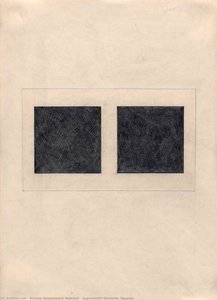
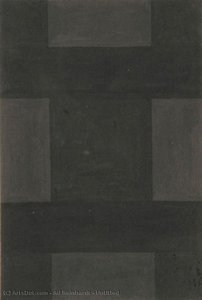
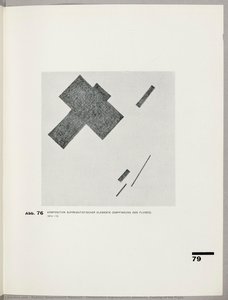
Sherrie Levine's "Untitled (After Malevich and Schiele)," created in 1984, isn’t merely a reproduction; it’s an interrogation. This deceptively simple black-and-white drawing, currently housed at the Museum of Modern Art in New York City, embodies the core tenets of Levine’s groundbreaking practice: appropriation as a means of challenging authorship and exploring the very nature of image-making. The piece immediately draws the eye with its stark geometry – a central square dominated by a bold, intersecting cross, flanked by two subtly offset shapes on either side. It feels both familiar and unsettling, echoing the reductive aesthetic of early modernism while simultaneously hinting at a deeper psychological resonance.
Echoes of Malevich and Schiele: A Compositional Conversation
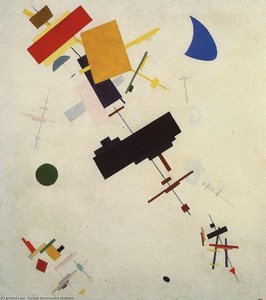
The title itself reveals the work’s deliberate lineage. Levine consciously references Kazimir Malevich's “Black Square” (1915), a seminal work of abstract art that stripped painting down to its most fundamental elements – form and color. Malevich’s square, a radical rejection of representational imagery, served as a springboard for countless artists who followed. Simultaneously, the drawing subtly incorporates elements reminiscent of Egon Schiele's expressive portraits, particularly in the dynamic lines and slightly off-kilter arrangement of the secondary shapes. This juxtaposition—the austere precision of Malevich against the raw emotion of Schiele – creates a compelling tension within the composition. It’s not simply a copy; it’s a conversation between two artistic giants, filtered through Levine's own critical lens.
The Process of Appropriation: Deconstructing and Recontextualizing
Levine’s method is crucial to understanding the work’s significance. She meticulously photographs existing artworks – in this case, a drawing by Malevich and Schiele – and then creates faithful reproductions using photographic techniques. This process isn't about replicating the original; it’s about stripping away the aura of originality and exposing the mechanics of image production. The slight imperfections introduced through the reproduction process—minor shifts in tone, subtle variations in line weight—serve as a constant reminder that the artwork is not an autonomous creation but rather a mediated representation. This deliberate act of deconstruction forces us to reconsider our assumptions about art’s value and the role of the artist.
Symbolism and Emotional Resonance: A Fragmented Psyche
Despite its minimalist appearance, “Untitled (After Malevich and Schiele)” is rich in symbolic potential. The central square, reminiscent of a cell or a stage, can be interpreted as representing the self – fragmented and contained within its own boundaries. The intersecting cross suggests both spiritual and psychological crossroads, hinting at internal conflict and the search for meaning. The offset shapes introduce an element of instability and unease, mirroring the complexities of human experience. Levine herself has described her work as exploring “memory through appropriation,” suggesting that these reproductions are not simply copies but rather echoes of past artistic encounters, imbued with their own emotional weight.
A Timeless Dialogue for the Contemporary Viewer
“Untitled (After Malevich and Schiele)” remains a powerfully relevant work today. Levine’s exploration of appropriation continues to resonate in an age dominated by digital reproduction and mass media. The drawing invites us to question the authenticity of images, the nature of originality, and the role of the artist in shaping our understanding of the world. Its stark beauty and intellectual depth make it a compelling addition to any collection, offering both aesthetic pleasure and profound reflection. Reproductions of this piece provide an accessible entry point into Levine’s groundbreaking body of work, allowing viewers to engage with these complex ideas on a personal level.
関連作品
作家の略歴
The Architect of Appropriation: The Life and Legacy of Sherrie Levine
Sherrie Levine stands as a pivotal figure in contemporary art, recognized for her pioneering exploration of appropriation—a practice that fundamentally challenged notions of originality and authorship within the postmodern landscape. Born in 1947 in Hazleton, Pennsylvania, Levine’s formative years were shaped by experiences rooted in the American Midwest, notably spending her childhood and adolescence in the suburbs of St. Louis, Missouri. Early exposure to art fostered a lifelong fascination with visual culture, beginning with visits to the St. Louis Art Museum where she observed her mother—a passionate painter—introducing her to the transformative power of artistic expression at just eight years old. This familial influence extended beyond mere observation; Levine’s mother instilled in her a love for art house films and cinematic storytelling, shaping an aesthetic sensibility that would later inform her profound engagement with the layers of visual history.
Levine pursued formal education with rigorous dedication, earning her B.A. from the University of Wisconsin–Madison in 1969. Her academic pursuits solidified her understanding of art history and critical theory, preparing her for a career dedicated to conceptual exploration. Continuing her studies at UW-Madison, she earned an M.F.A. in 1973, honing her artistic skills and refining her approach to visual communication. It was during this period that Levine began to develop her signature style—a deliberate act of appropriation—drawing inspiration from the groundbreaking works of modernist masters such as Walker Evans, Edgar Degas, Marcel Duchamp, and Constantin Brancusi. By re-presenting existing images, she sought to interrogate the very essence of what it means to create in an age of infinite reproduction.
Challenging the Canon through Rephotography and Drawing
The late 1970s witnessed a surge of appropriation art within New York’s East Village scene, fueled by a desire to interrogate established artistic conventions. Alongside contemporaries like Louise Lawler and Barbara Kruger, Levine pushed the boundaries of creativity, establishing herself as a prominent voice in a movement that questioned the sanctity of the "original" masterpiece. Her work often utilizes rephotography—the act of photographing existing photographs—to create a dialogue between the past and the present. This technique allows her to strip away the traditional aura of the artist's hand, instead focusing on the way images circulate, persist, and transform through time.
Beyond her photographic interventions, Levine has explored the starkness of minimalist drawing to echo the movements of early modernism. Her 1984 work, Untitled (After Malevich and Schiele), serves as a profound example of this technique. In this piece, she utilizes minimalist graphite to create a geometric abstraction that references the pioneering spirits of Kazimir Malevich and Egon Schiele. Through these drawings, Levine does not merely copy; she inhabits the visual language of her predecessors, using stark lines and shadows to embody a bold challenge to artistic originality. This work showcases her ability to engage deeply with the history of art while simultaneously deconstructing its most fundamental myths.
Historical Significance and the Postmodern Dialogue
The enduring significance of Sherrie Levine lies in her ability to transform the act of looking into an act of critical critique. Her career has been a continuous investigation into the politics of representation, gender, and the ownership of imagery. By reclaiming the works of male masters, she has performed a feminist intervention, subtly shifting the gaze and questioning the patriarchal structures inherent in the art historical canon.
Her contributions can be summarized through several key artistic pillars:
- The Reconceptualization of Authorship: Levine’s practice forces the viewer to confront the blurred lines between the creator and the curator, making the act of selection a primary creative force.
- Engagement with Modernist Legacies: Through her appropriation of figures like Walker Evans and Malevich, she keeps the dialogue of modernism alive while simultaneously critiquing its foundations.
- The Power of the Image in Flux: Her work highlights how meaning is not fixed within an object but is instead generated through the context, repetition, and re-presentation of visual culture.
Today, Levine remains a vital presence in the art world, her work continuing to resonate within the ongoing debates regarding digital reproduction, intellectual property, and the ever-evolving nature of the image in the contemporary era.
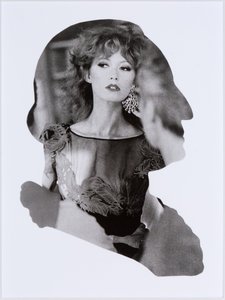
Sherrie Levine
1947 - , United States of America
プロフィール概要
- Artistic Movement Or Style: Appropriation Art
- Artists Or Movements Influenced By This Artist:
- Louise Lawler
- Mike Bidlo
- Artists Who Influenced This Artist:
- Walker Evans
- Marcel Duchamp
- Date Of Birth: 1947
- Full Name: Sherrie Levine
- Nationality: American
- Notable Artworks:
- Untitled (After Walker Evans)
- Untitled (After Malevich & Schiele)
- Place Of Birth: Hazleton, United States

