

 プレビュー
プレビュー
 プリントを購入
 シェアする
シェアする シェアする
シェアする
 詳細を見る
詳細を見る

 ダウンロード
 似ている作品
 X線調査
X線調査 スライドショー
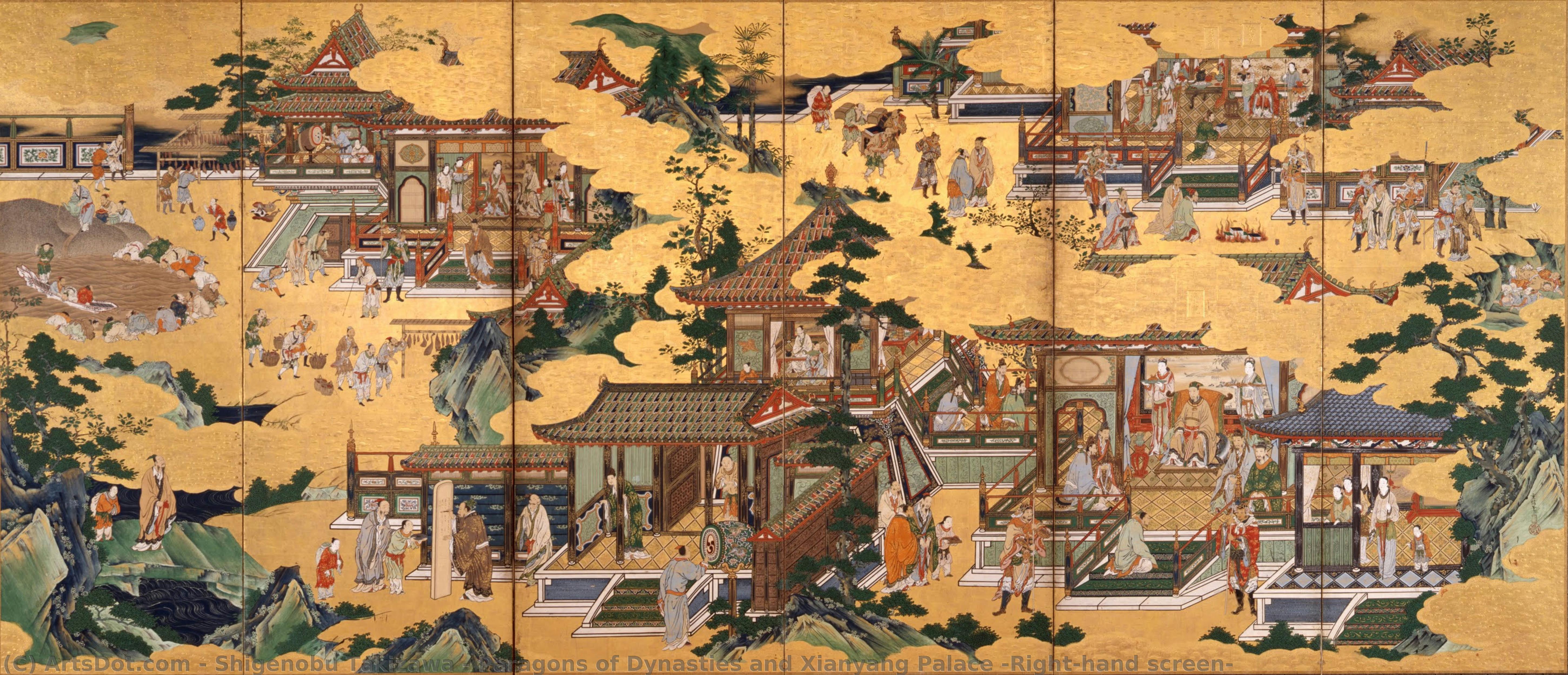
Paragons of Dynasties and Xianyang Palace (Right-hand screen)

 詳細を見る
詳細を見る
オンラインプレビューをはるかに凌ぐ、高解像度で鮮明なデジタル画像をご購入いただけます。
各ファイルは、社内の専門家が高度なツールと熟練した手作業によるレタッチを用いて、細心の注意を払って準備されています。すべての画像において、卓越した鮮明度、正確な色彩再現性、そして繊細なディテールを保証いたします。
最終ファイルは、プロフェッショナルな編集・印刷環境ですぐにご利用いただけるよう最適化された状態で、72時間以内にメールにてお届けいたします。これは、一流のデザインスタジオ、出版社、ギャラリーから信頼されているものと同等の品質です。
デジタル画像のご注文に付随する特典
高品質なデジタル画像配信を、確かな品質で。
ArtsDot.com を選ぶことは、単に画像を手に入れることではありません。それは、プロの手によって精密に仕上げられ、満足保証が付いた高品質なデジタルアートワークを受け取ることを意味します。ご注文いただいた際に自動的に付随する内容は、以下の通りです:

メールですぐにお届け
ご注文から72時間以内に、高解像度のデジタル画像ファイルがメールでお手元に届きます。すぐにそのままご利用いただけます。

AI技術で最適化されたデジタルファイル
お客様の作品は、高度なAIツールと専門家による手作業の編集を組み合わせてプロフェッショナルに最適化されており、細部のディテール、鮮明さ、そして正確な色再現性を最大限に引き出しています。

一生涯無料の再送サービス
ファイルを誤って削除したり、紛失してしまったりしましたか?ご安心ください。いつでも無料で再送いたします。

輸入手数料は一切かかりません
関税や手数料、配送料を気にすることなく、お気に入りのアートワークをすぐにお楽しみいただけます。デジタルダウンロードは常に免税です。

色彩再現の保証
プロ仕様のツールとカラーマネジメント技術を用いることで、デジタル画像が元の色を最大限に忠実に再現することを保証いたします。

60日間満足保証
ご購入いただいたデジタル画像にご満足いただけない場合は、60日以内であれば、修正または100%の返金(理由を問う必要はありません)をさせていただきます。

100% 返金保証
ご満足いただけない場合は、デジタルファイルを受け取ってから60日以内であれば、理由を問わず全額返金いたします。

まとめ買い割引
3枚購入で10%OFF - 5枚購入で15%OFF - 10枚以上購入で20%OFF。クリエイティブなプロジェクト、ギャラリー、エージェンシーに最適です。
関連作品

作家の略歴
A Brushstroke in the Edo: The Life and Art of Takizawa Shigenobu
Takizawa Shigenobu, a name perhaps less celebrated than his master Katsushika Hokusai, nevertheless occupies a vital space within the vibrant tapestry of Edo period Japanese art. Born in Tokyo during an era defined by flourishing woodblock printing and a burgeoning merchant class eager for visual delights, Takizawa’s life was deeply interwoven with the artistic currents that shaped Japan's aesthetic landscape. He wasn’t merely a follower in Hokusai’s considerable shadow; he carved his own niche as a prolific creator of *surimono*, exquisitely detailed illustrated books, and captivating depictions of *bijin* – beautiful women – becoming a significant figure in the world of ukiyo-e. His story is one of artistic lineage, dedicated practice, and a distinctive style that, while sometimes criticized for its formality, nonetheless resonated with the tastes of his time.From Pupil to Prolific Artist: The Foundations of a Style
The foundational element of Takizawa’s artistic journey was undoubtedly his apprenticeship under Hokusai. This relationship wasn't simply one of technical instruction; it was an immersion into a revolutionary approach to art, characterized by bold compositions, dynamic lines, and a keen observation of everyday life. Further cementing his place within the Hokusai orbit was his marriage to Hokusai’s eldest daughter, a union that speaks volumes about the close-knit nature of artistic circles in Edo Japan. However, Takizawa didn't simply replicate his master’s style. While he absorbed Hokusai’s technical prowess, he developed a unique aesthetic sensibility. He became particularly renowned for his work as an artist of *surimono* – privately commissioned prints often given as New Year’s greetings or celebratory gifts. These weren’t mass-produced images; they were miniature works of art, showcasing intricate designs and luxurious materials, reflecting the refined tastes of a sophisticated clientele. His dedication to this format allowed him to hone his skills in detail and color, qualities that would become hallmarks of his *bijin* paintings.The Allure of Bijin: Capturing Beauty with Bold Lines
Takizawa Shigenobu’s depictions of beautiful women – the *bijin-ga* genre – are arguably his most recognizable contribution to ukiyo-e. Unlike some artists who sought a more naturalistic portrayal, Takizawa's women often possess a striking formality. They are presented with thick, defined lines and vibrant, complex patterns adorning their kimonos. This approach, while sometimes described as “stereotyped,” wasn’t necessarily a lack of skill but rather a deliberate stylistic choice. His figures exude an elegance and poise that appealed to the sensibilities of his patrons. The elaborate kimono designs weren't merely decorative; they were statements of wealth, status, and cultural awareness. The sheer abundance of detail in these patterns – flowers, geometric shapes, auspicious symbols – speaks to Takizawa’s meticulous craftsmanship and his understanding of visual symbolism. His work often draws comparisons to the Torii school, famed for its theatrical signboards, a connection rooted in their shared emphasis on bold outlines and striking imagery. However, where the Torii school focused on capturing dramatic moments, Takizawa prioritized a more refined and idealized representation of beauty.A Legacy Diminished: The Shadow of Banishment
Despite his prolific output and established reputation during his lifetime, Takizawa Shigenobu’s artistic legacy experienced a decline following his banishment to ōshima in 1714. The reasons for this exile remain somewhat obscure, but it undoubtedly disrupted the continuity of his artistic lineage. His direct disciples, lacking their master's guidance, saw their work fall into relative obscurity. This isn’t to say that Takizawa was forgotten entirely; his prints continued to circulate and influence subsequent generations of artists. However, he never regained the prominence he enjoyed before his banishment. Today, Takizawa Shigenobu is increasingly recognized as a significant figure in Edo period art, not simply as a student of Hokusai but as an artist who developed a distinctive style that reflects the aesthetic preferences of his time and contributed to the rich diversity of ukiyo-e. His *surimono* prints and *bijin-ga* paintings offer a fascinating glimpse into the world of Edo Japan, revealing a society captivated by beauty, elegance, and the power of visual representation.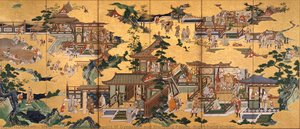
shigenobu takizawa
Japan
プロフィール概要
- Artistic Movement Or Style: Ukiyo-e, Surimono
- Artists Who Influenced This Artist: ['Katsushika Hokusai']
- Date Of Death: Living
- Full Name: Shigenobu Takizawa
- Nationality: Japanese
- Notable Artworks:
- Bijin prints
- Illustrated books
- Place Of Birth: Tokyo, Japan

