

 プレビュー
プレビュー
 シェアする
シェアする シェアする
シェアする
 詳細を見る
詳細を見る

 ダウンロード
 似ている作品
 X線調査
X線調査 スライドショー
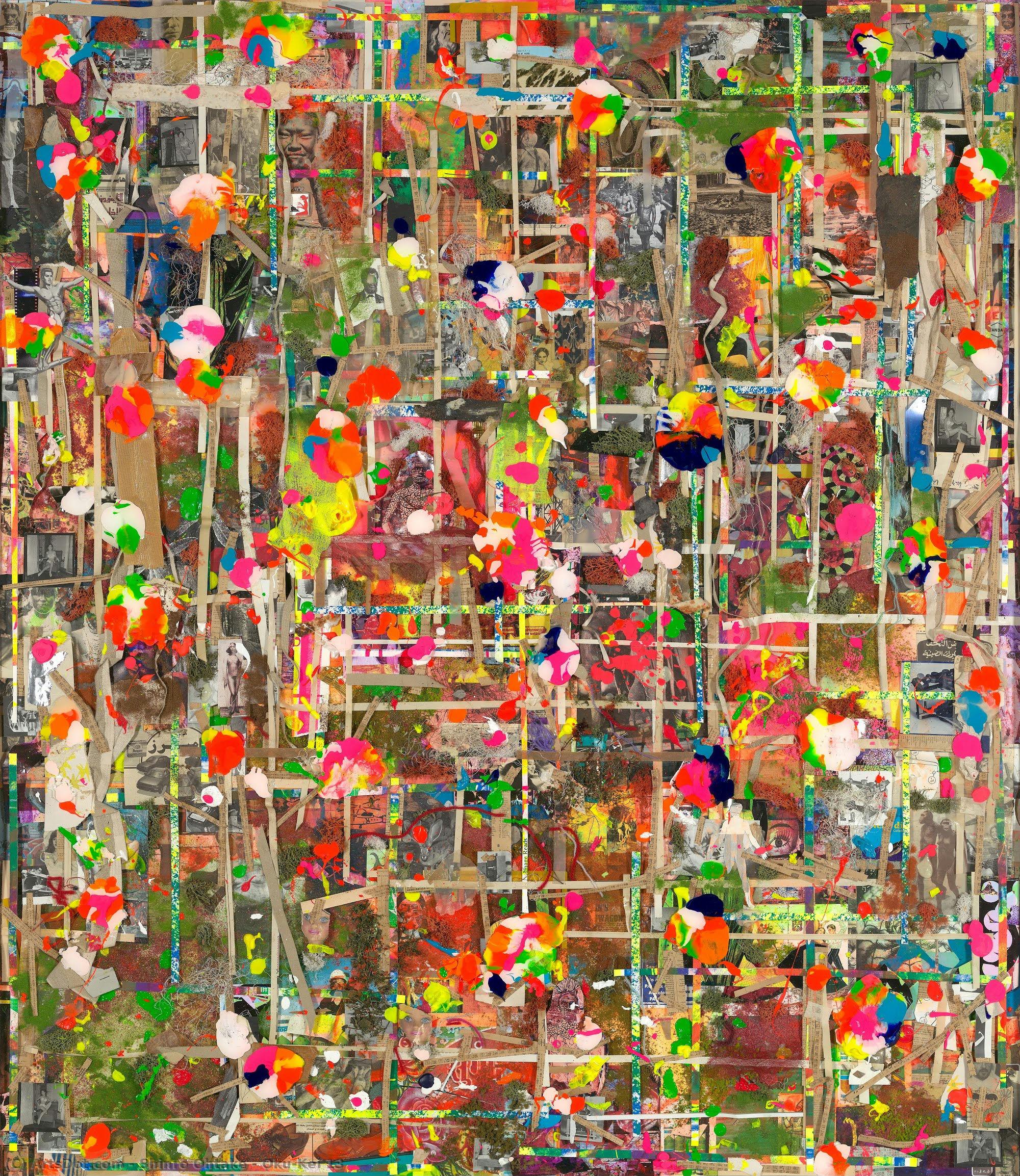
Oku-Kei 13
 Acrylic On Canvas
- WallArt
- Contemporary Abstract
 2017
2017- Contemporary
 153.0 x 133.0 cm
 クイーンズランド美術館 | ゴマ(ギャラリー・オブ・モダン・アート)
 詳細を見る
詳細を見る
ジークレー/アートプリント
迅速な制作と多彩な仕上げオプションを備えた、ミュージアムクオリティのジークレーまたはキャンバスプリント。 ( 手描きの絵画を購入 画像を購入)




P118B $10

P118H $10

P118W $10

P438Z $10

P508JH $12

P508YH $12

P805H $10

P805Z $10

P919BZ $10

P919G $10

P919XJ $10

P959ZH $10

P968JZ $12

W106C $8

W218G $10

W218JH $8

W218Y $10

W307PJ $10

W316G $10

W316PJ $8

W316Y $10

W398PJ $8

W4111J $10

W500HY $15

W500JH $15

W692G $12

W849H $8

W940BG $15

W953PJ $8




作品のオリジナル比率に合わせた、当店の規定サイズからお選びください。

特定のフレームやスペースに合わせて、ご自身でサイズを指定することも可能です。選択されたサイズが元の画像の比率と一致しない場合、作品をトリミングするか、鏡面反射または単色での塗りつぶしによって画像を拡張いたします。制作を開始する前に、ご確認用のデジタルモックアップをお送りいたします。
画面上のプレビューには、実際のトリミングや拡張は反映されませんのでご注意ください。最終的な構図を正確に確認できるのは、モックアップのみとなります。
カスタムサイズも承っておりますが、元の比率を維持するためには、あらかじめ用意されたリストからサイズを選択することをお勧めいたします。


 ガラスオプションは、110cm未満のサイズでのみご利用いただけます。

Oku-Kei 13
ジークレー/アートプリント
複製画のサイズ
-


合計金額
$ 62
A Labyrinth of Memory: Exploring Shinro Ohtake’s ‘Oku-Kei 13’
Shinro Ohtake's 'Oku-Kei 13,' created in 2017, isn’t merely a painting; it’s an immersive experience, a carefully constructed dreamscape built from the detritus of modern life. This arresting collage demands attention, pulling the viewer into its densely layered surface – a world where fragments of history, eroticism, and commercial imagery collide with bursts of iridescent color. Ohtake, a pioneer in plastic collage and a master of manipulating perception, invites us to contemplate the nature of memory, the relentless flow of information, and the elusive quality of experience itself.
At its core, ‘Oku-Kei 13’ is rooted in Ohtake's signature technique: meticulously layering disparate materials. He begins with a base of brown tones – hinting at aged paper and forgotten photographs – upon which he builds an intricate mosaic. This foundation incorporates not just printed images but also found objects: scraps of fabric, strips of tape, fragments of film stills, and even elements like lichen and plastic sheeting. These seemingly random components are then meticulously overlaid with sheets of clear acrylic, painted with vibrant, almost hallucinatory hues – yellows, greens, blues, and pinks that shimmer and pulse across the surface. The effect is akin to peering through a prism, refracting reality into a kaleidoscope of color and texture.
Deconstructing Reality: Technique and Materials
Ohtake’s process is one of deliberate chaos, a carefully orchestrated rebellion against traditional artistic conventions. He doesn't seek to create a cohesive narrative; instead, he embraces the inherent ambiguity of his materials. The use of plastic, particularly in its translucent form, is crucial. It acts as a filter, transforming the underlying images and adding an ethereal quality to the work. The layering itself – a technique reminiscent of geological strata – suggests a deep history, a palimpsest of forgotten moments. He employs a variety of adhesives, allowing some elements to peek through others, creating a sense of depth and movement that defies easy interpretation. The inclusion of materials like silk thread, cotton yarn, and even packing tape adds tactile dimension, inviting the viewer to almost reach out and touch the artwork.
Echoes of the Past: Symbolism and Context
The imagery within ‘Oku-Kei 13’ is deliberately fragmented and evocative rather than explicitly symbolic. Ohtake himself describes his preference for images that are “emotionless attempts to communicate reality,” suggesting a deliberate distancing from direct representation. We glimpse fragments of erotic photographs, commercial drawings – often sourced from product catalogues and illustrated textbooks – alongside faded film stills and snippets of media reportage. These elements, seemingly disconnected, contribute to a sense of disorientation and unease, mirroring the fragmented nature of memory itself. The inclusion of materials like lichen and plastic hints at the passage of time and the impact of human intervention on the natural world.
A Dreamlike Resonance: Emotional Impact
Despite its chaotic composition, ‘Oku-Kei 13’ possesses a remarkable emotional resonance. It evokes a sense of energetic chaos, a feeling of being overwhelmed by information – mirroring the sensory overload of modern urban life. Yet, within this apparent disorder lies a subtle beauty, a captivating allure that draws the viewer in. The luminous colors and layered textures create an almost hypnotic effect, inviting contemplation and introspection. Ohtake’s work is not simply visually stimulating; it's profoundly evocative, prompting us to consider our own memories, perceptions, and the way we construct meaning from the fragments of experience that shape our lives. It stands as a testament to his unique vision – a celebration of imperfection, a meditation on memory, and a bold exploration of the boundaries between reality and illusion.
関連作品



アーティストの略歴
A Tapestry of Memory: The Visionary World of Shinro Ohtake
In the vibrant, often chaotic landscape of contemporary Japanese art, few figures command as much fascination as Shinro Ohtake. Born in Tokyo in 1955, Ohtake has cultivated a creative existence that defies easy categorization, operating at the intersection of painting, installation, music, and design. His artistic journey is not merely a progression of styles but an accumulation of layers—much like his physical works—where every fragment of found material, every splash of color, and every sonic texture contributes to a larger, dreamlike narrative. Moving away from the dense urban energy of Tokyo to the more tranquil setting of Uwajima on Shikoku Island, Ohtake sought a freedom that allowed him to work at an unimaginable scale, transforming his surroundings into a laboratory for what he calls "what’s already there."
Ohtake’s formal education at Musashino Art University, from which he graduated in 1980, provided the essential scaffolding for his later radical experiments. While his academic training focused on oil painting, his spirit was deeply influenced by the expressive power of Western movements such as Abstract Expressionism and Surrealism. The raw, gestural energy of artists like Willem de Kooning and Franz Kline can be felt in the rhythmic intensity of his compositions. However, Ohtake quickly moved beyond the traditional canvas, seeking to bridge the gap between high art and the ephemeral debris of everyday life. This evolution led to the birth of his signature "Plastic Collage," a revolutionary technique where he layers translucent or iridescent sheets of plastic over photographic imagery and acrylic paint, creating a sense of depth that mimics the fragmented nature of human memory.
The Alchemy of Assemblage and Sound
To encounter an Ohtake work is to enter a sensory labyrinth. His practice is characterized by an insatiable urge to collect and reassemble, treating the world as a vast archive of textures and traces. This process of assemblage extends far beyond the visual; Ohtake is equally at home designing record covers, publishing dream diaries, and composing noise music. He often collaborates across disciplines, notably forming the music and art group Puzzle Punks with Yamatsuka Eye of the Boredoms. This multidisciplinary approach allows him to explore themes of mnemoscape—a landscape of memory—where sound, sight, and touch coalesce into a singular experience.
His ability to find beauty in the discarded is perhaps his greatest achievement. Whether he is constructing massive installations from the weathered wood of old ships or creating intricate, sculptural artist books, Ohtake imbues every material with new life. His work often features:
- Layered Imagery: The use of collage to evoke urban memories and subconscious dreamscapes.
- Material Innovation: The integration of plastic, found objects, and organic elements to create tactile surfaces.
- Sonic Dimensions: A deep connection between visual rhythm and experimental audio landscapes.
Legacy and the Architecture of Dreams
The historical significance of Shinro Ohtake lies in his refusal to adhere to the boundaries of a single medium. He has successfully challenged the distinction between fine art and popular culture, bringing the aesthetic of the street and the studio into the hallowed halls of museums like the National Museum of Modern Art, Tokyo. His influence can be seen in the way contemporary artists approach the concept of the archive, treating history not as a static record but as a living, breathing entity that can be rearranged and reimagined.
Beyond the gallery walls, Ohtake’s touch is felt in the very architecture of Japanese cultural landmarks, such as his design for the Naoshima Bathhouse "I Love Yu" on the art island of Naoshima. This project exemplifies his ability to translate his complex, layered aesthetic into a functional, communal space. As he continues to produce work that explores the intersection of reality and fantasy, Ohtake remains a vital force in contemporary art—a pioneer who reminds us that within the fragments of our daily existence lies the potential for infinite, kaleidoscopic beauty.
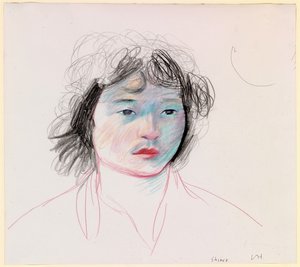
shinro ohtake
1955 - , Japan
基本情報
- Artistic Movement Or Style: Neo-expressionism
- Artists Or Movements Influenced By This Artist: ['Puzzle Punks']
- Artists Who Influenced This Artist: ['Yamatsuka Eye']
- Date Of Birth: Tokyo, Japan (1955)
- Full Name: Shinro Ohtake
- Nationality: Japanese
- Notable Artworks: ['Retina #9(Brown Head)']
- Place Of Birth: Tokyo
関連記事
Neo-Classicism's Greatest Hits: 10 Masterpieces for Your Home |
Journey through Neo-Classicism's finest! Explore 10 iconic masterpieces by David, Ingres & Canova. Discover art history, techniques & timeless beauty – perfect for inspiring your home decor. Find museum-quality reproductions at

Serenity on Canvas: A Guide to the Timeless Beauty of Japanese Landscape Painting
Discover the serene beauty of Japanese landscape painting. From Hokusai's iconic woodblock prints to meditative sumi-e ink washes, explore a visual journey through the 'floating world' and learn how to bring this timeless Zen aesthetic into your modern home decor.

葛飾北斎:25の傑作が語る浮世絵の世界 - ArtsDot
葛飾北斎の25選:『神奈川沖浪裏』や『富嶽三十六景』など、浮世絵の世界を深く探求。木版画の技法と日本美術の美をArtsDotで。高品質なアートプリントで空間に感動を。コレクションはこちら。

Floating World: The Captivating Art and Legacy of Japanese Ukiyo-e
Explore the profound beauty of Japanese Ukiyo-e. Discover the history, masters like Hokusai, and the enduring legacy of the 'Floating World' through an expert art-historical lens.
Léonard Foujita: A Poetic Synthesis of Japanese Sensibility & European Modernism
Discover the captivating world of Léonard Foujita, a master bridging Japanese aesthetics & European Modernism. Explore his signature style, diverse works, and enduring legacy – essential reading for discerning art collectors.