

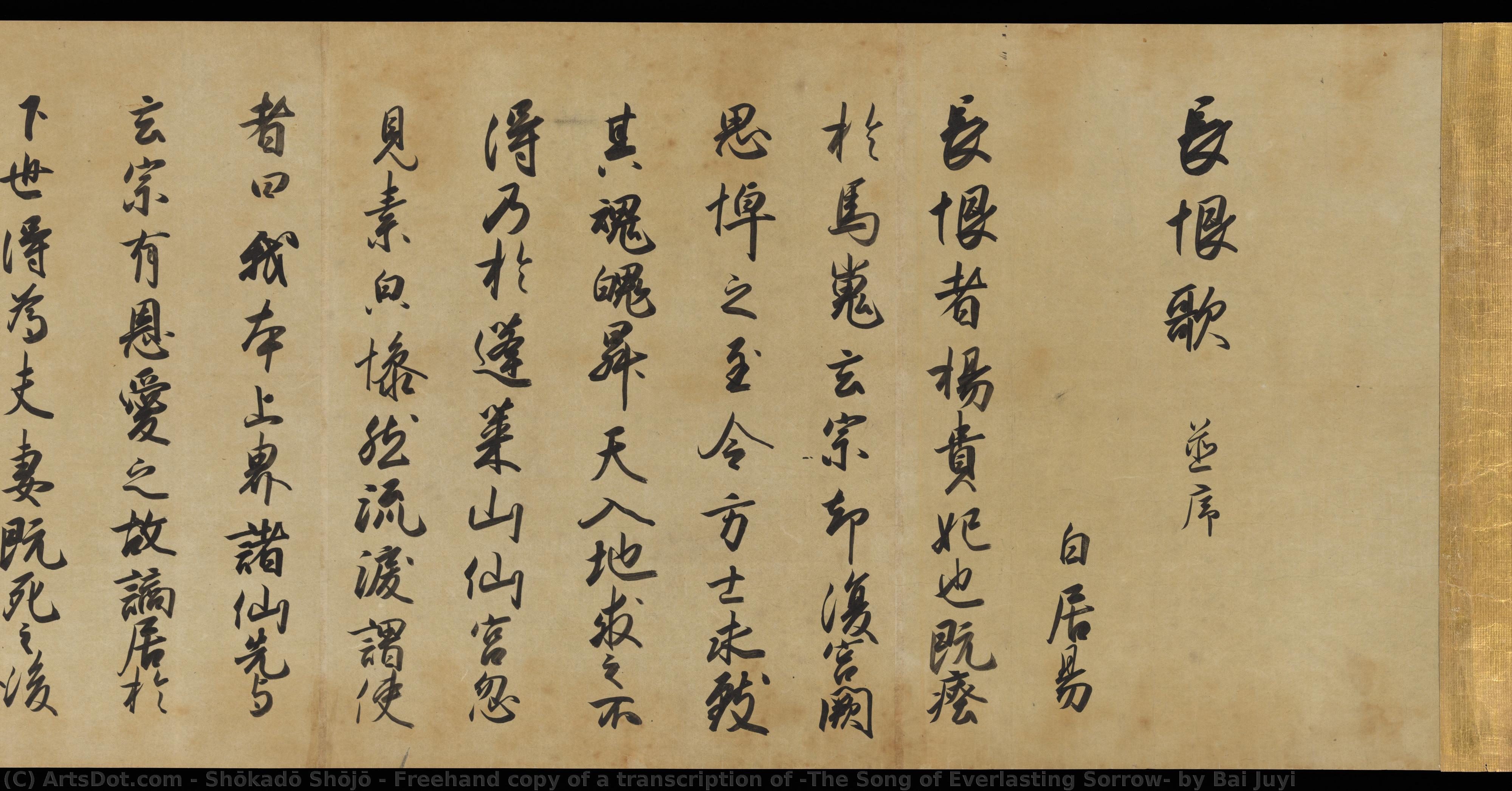
 プレビュー
プレビュー
 シェアする
シェアする シェアする
シェアする
 詳細を見る
詳細を見る

 ダウンロード
 似ている作品
 X線調査
X線調査 スライドショー
Freehand copy of a transcription of “The Song of Everlasting Sorrow” by Bai Juyi
 1614
1614 35.0 x 785.0 cm
 詳細を見る
詳細を見る
ジークレー/アートプリント
迅速な制作と多彩な仕上げオプションを備えた、ミュージアムクオリティのジークレーまたはキャンバスプリント。 ( 手描きの絵画を購入 画像を購入)




































作品のオリジナル比率に合わせた、当店の規定サイズからお選びください。

特定のフレームやスペースに合わせて、ご自身でサイズを指定することも可能です。選択されたサイズが元の画像の比率と一致しない場合、作品をトリミングするか、鏡面反射または単色での塗りつぶしによって画像を拡張いたします。制作を開始する前に、ご確認用のデジタルモックアップをお送りいたします。
画面上のプレビューには、実際のトリミングや拡張は反映されませんのでご注意ください。最終的な構図を正確に確認できるのは、モックアップのみとなります。
カスタムサイズも承っておりますが、元の比率を維持するためには、あらかじめ用意されたリストからサイズを選択することをお勧めいたします。


 ガラスオプションは、110cm未満のサイズでのみご利用いただけます。

Freehand copy of a transcription of “The Song of Everlasting Sorrow” by Bai Juyi
ジークレー/アートプリント
複製画のサイズ
-


合計金額
$ 62
関連作品



アーティストの略歴
early life and spiritual pursuits
shōjō shōkadō, a prominent figure in japan's edo period, was born in 1584 in the yamato province. his life took a significant turn when he entered the hachiman shrine on otoko-yama (yawata) near kyoto, where he received his buddhist name, shōjō. this marked the beginning of his spiritual journey as a buddhist monk.artistic pursuits and mastery
shōjō's artistic talents extended to painting, calligraphy, and mastery of the tea ceremony. he is notably recognized as one of the 'three brushes of the kan'ei period' (寛永三筆, kan'ei sanpitsu), a testament to his exceptional skill in the art world.artistic style and influences
shōjō's painting style was characterized by the use of monochromatic ink, influenced by the works of mu-ch’i fa-ch’ang and yin-t’o-lo, a 13th-century chinese monk-artist. his adherence to traditional japanese painting styles, such as yamato-e, further solidified his reputation as a versatile artist.notable works and legacy
though specific paintings by shōjō are not widely documented, his influence on the development of japanese art is undeniable. as part of the kanō school style art movement, his work contributed to the evolution of a distinctly japanese aesthetic.- explore shōjō shōkadō's profile on ArtsDot
- discover the ukiyo-e art movement, which influenced many japanese artists, including those from the kanō school.
- learn more about the new medievialism art movement, a contemporary movement inspired by medieval artistic techniques.
conclusion
shōjō shōkadō's legacy, though shrouded in mystery, remains an integral part of japan's rich cultural heritage. his contributions to the world of art and spirituality continue to inspire artists and scholars alike. important dates: - born: 1584, yamato province, japan - died: 1639 museum collections: though specific works by shōjō are not listed here, explore his profile on ArtsDot for more information on his artistic contributions.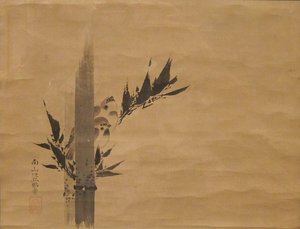
shōjō shōkadō
1584 - 1639 , Japan
基本情報
- Artistic Movement Or Style: Dutch Golden Age painting
- Artists Or Movements Influenced By This Artist: ['Later artists in Leiden']
- Artists Who Influenced This Artist:
- Jacques de Gheyn II
- Cornelius van der Voort
- Date Of Birth: 1584
- Date Of Death: 1657
- Full Name: David Bailly
- Nationality: Dutch
- Notable Artworks:
- Boy with a Basket of Fruit
- The Musicians
- Self-portraits
- Place Of Birth: Leiden, Netherlands