

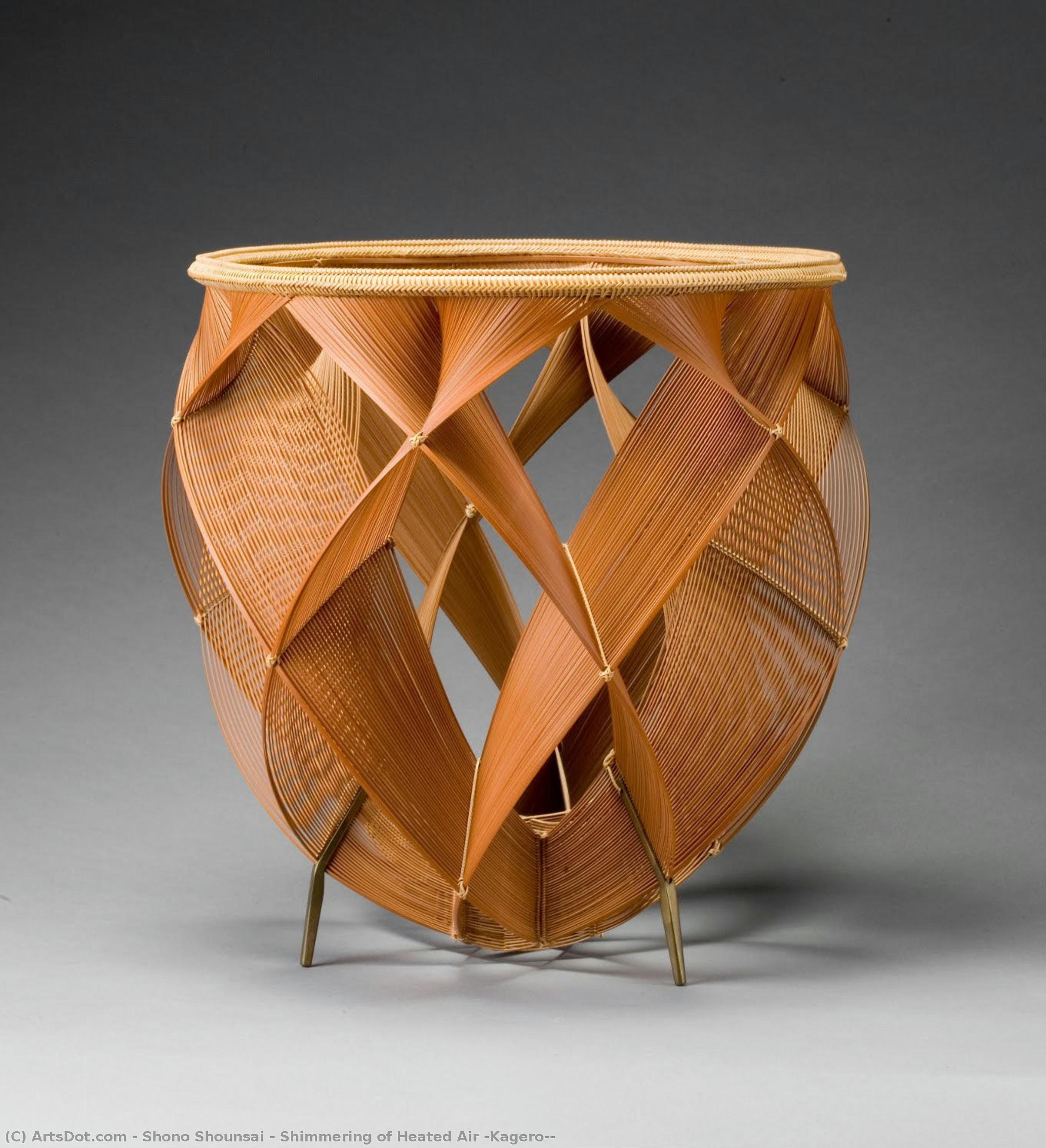
 プレビュー
プレビュー
 シェアする
シェアする シェアする
シェアする
 詳細を見る
詳細を見る

 ダウンロード
 似ている作品
 X線調査
X線調査 スライドショー
 Stats
StatsShimmering of Heated Air (Kagero),

 詳細を見る
詳細を見る
オンラインプレビューをはるかに凌ぐ、高解像度で鮮明なデジタル画像をご購入いただけます。
各ファイルは、社内の専門家が高度なツールと熟練した手作業によるレタッチを用いて、細心の注意を払って準備されています。すべての画像において、卓越した鮮明度、正確な色彩再現性、そして繊細なディテールを保証いたします。
最終ファイルは、プロフェッショナルな編集・印刷環境ですぐにご利用いただけるよう最適化された状態で、72時間以内にメールにてお届けいたします。これは、一流のデザインスタジオ、出版社、ギャラリーから信頼されているものと同等の品質です。
デジタルアート
個人での鑑賞、印刷、クリエイティブなプロジェクト用に、高解像度ファイルをダウンロードできます。 ( Switch to Print 手描きの絵画を購入)
デジタル画像のご注文に付随する特典
高品質なデジタル画像配信を、確かな品質で。
ArtsDot.com を選ぶことは、単に画像を手に入れることではありません。それは、プロの手によって精密に仕上げられ、満足保証が付いた高品質なデジタルアートワークを受け取ることを意味します。ご注文いただいた際に自動的に付随する内容は、以下の通りです:

メールですぐにお届け
ご注文から72時間以内に、高解像度のデジタル画像ファイルがメールでお手元に届きます。すぐにそのままご利用いただけます。

AI技術で最適化されたデジタルファイル
お客様の作品は、高度なAIツールと専門家による手作業の編集を組み合わせてプロフェッショナルに最適化されており、細部のディテール、鮮明さ、そして正確な色再現性を最大限に引き出しています。

一生涯無料の再送サービス
ファイルを誤って削除したり、紛失してしまったりしましたか?ご安心ください。いつでも無料で再送いたします。

輸入手数料は一切かかりません
関税や手数料、配送料を気にすることなく、お気に入りのアートワークをすぐにお楽しみいただけます。デジタルダウンロードは常に免税です。

色彩再現の保証
プロ仕様のツールとカラーマネジメント技術を用いることで、デジタル画像が元の色を最大限に忠実に再現することを保証いたします。

100日間満足保証
ご購入いただいたデジタル画像にご満足いただけない場合は、100日以内であれば、理由を問わず修正または100%の返金対応をさせていただきます。

100% 返金保証
ご満足いただけない場合は、デジタルファイルを受け取ってから100日以内であれば、理由を問わず全額返金いたします。

まとめ買い割引
3枚購入で10%OFF - 5枚購入で15%OFF - 10枚以上購入で20%OFF。クリエイティブなプロジェクト、ギャラリー、エージェンシーに最適です。
関連作品










作家の略歴
The Pioneering Spirit of Shono Shounsai: Elevating Bamboo Basketry to Fine Art
Shono Shounsai (1904-1974) stands as a pivotal figure in the history of Japanese craft, a master artisan who transcended traditional bamboo weaving to establish it as a recognized and respected fine art form. Born in Japan, his life’s work was dedicated to the exploration and refinement of *kokedama*, or floral baskets crafted from woven bamboo. While basketry had long been a functional element of Japanese daily life, Shounsai elevated it beyond utility, imbuing each piece with a profound sense of aesthetic beauty, philosophical depth, and technical mastery. He wasn’t merely creating containers for flowers; he was sculpting living forms, capturing the ephemeral grace of nature within enduring structures.Early Life and Artistic Development
Details surrounding Shounsai's early life remain somewhat elusive, a characteristic often found in the biographies of dedicated craftspeople whose focus lay primarily on their work rather than self-promotion. However, it is known that he possessed an innate sensitivity to natural materials from a young age. He began his journey with bamboo not as a formal student but through intuitive experimentation, learning to understand its inherent properties – its strength, flexibility, and the subtle variations in tone and texture found within different species. This self-directed study formed the foundation of his unique approach. He didn't initially seek to revolutionize basketry; rather, he sought to unlock its hidden potential, pushing the boundaries of what was considered possible with this ancient medium. His early works, while demonstrating a clear technical skill, were marked by a growing desire to move beyond conventional forms and embrace a more expressive aesthetic.The Essence of Wabi-Sabi: A Philosophical Foundation
Shounsai’s artistic philosophy was deeply rooted in the Japanese concept of *wabi-sabi* – an appreciation for imperfection, impermanence, and simplicity. This ethos permeated every aspect of his work. Unlike many traditional crafts that strive for flawless execution, Shounsai deliberately incorporated irregularities into his baskets: uneven weaves, naturally occurring blemishes in the bamboo, and asymmetrical forms. These weren’t flaws to be corrected but rather integral elements that spoke to the organic nature of the material and the passage of time. His baskets were not meant to be pristine objects; they were intended to reflect the beauty found in transience and the inherent character of the natural world. This embrace of imperfection resonated deeply with a growing appreciation for traditional Japanese aesthetics, both within Japan and internationally.Recognition and Legacy: A Living National Treasure
Shounsai’s dedication and innovative spirit did not go unnoticed. He was eventually recognized as a Living National Treasure in Japan – a prestigious honor bestowed upon artisans who have achieved the highest level of mastery in their respective fields and are deemed essential to preserving traditional Japanese arts. This recognition brought his work to wider attention, leading to exhibitions in numerous museums and galleries, including the Museum of Folk Art in Los Angeles and Tai Modern in Santa Fe. Beyond his own creations, Shounsai was a dedicated teacher, inspiring generations of students to explore the possibilities of bamboo weaving. He fostered an environment that encouraged experimentation and individual expression, emphasizing the importance of understanding the material’s inherent qualities rather than simply replicating established techniques. His influence continues to be felt today through the work of countless artists who carry on his legacy.Major Achievements & Historical Significance
Shono Shounsai's most significant achievement lies in his transformation of bamboo basketry from a functional craft into a respected fine art form. He demonstrated that baskets could be more than just containers; they could be powerful expressions of artistic vision, philosophical thought, and cultural identity. His work challenged conventional notions of beauty, embracing imperfection and celebrating the natural world.- Pioneering *Kokedama* Art: He is credited with significantly advancing the art of floral bamboo baskets (*kokedama*) beyond its traditional uses.
- Embodiment of Wabi-Sabi: His work became synonymous with the aesthetic principles of *wabi-sabi*, influencing a broader appreciation for imperfection in Japanese art and design.
- Elevating Craft to Fine Art: He successfully bridged the gap between traditional craft and fine art, gaining recognition for bamboo weaving as a legitimate artistic medium.
- Inspiring Future Generations: As an educator, he nurtured countless students, ensuring the continuation of his techniques and philosophical approach.
shono shounsai
1904 - 1974 , Japan
プロフィール概要
- Artistic Movement Or Style: Wabi-Sabi
- Date Of Birth: 1904
- Full Name: Shono Shounsai
- Nationality: Japanese
- Notable Artworks: ['Shimmering of Heated Air (Kagero)']
- Place Of Birth: Japan