

 プレビュー
プレビュー
 プリントを購入
 シェアする
シェアする シェアする
シェアする
 詳細を見る
詳細を見る

 ダウンロード
 似ている作品
 X線調査
X線調査 スライドショー
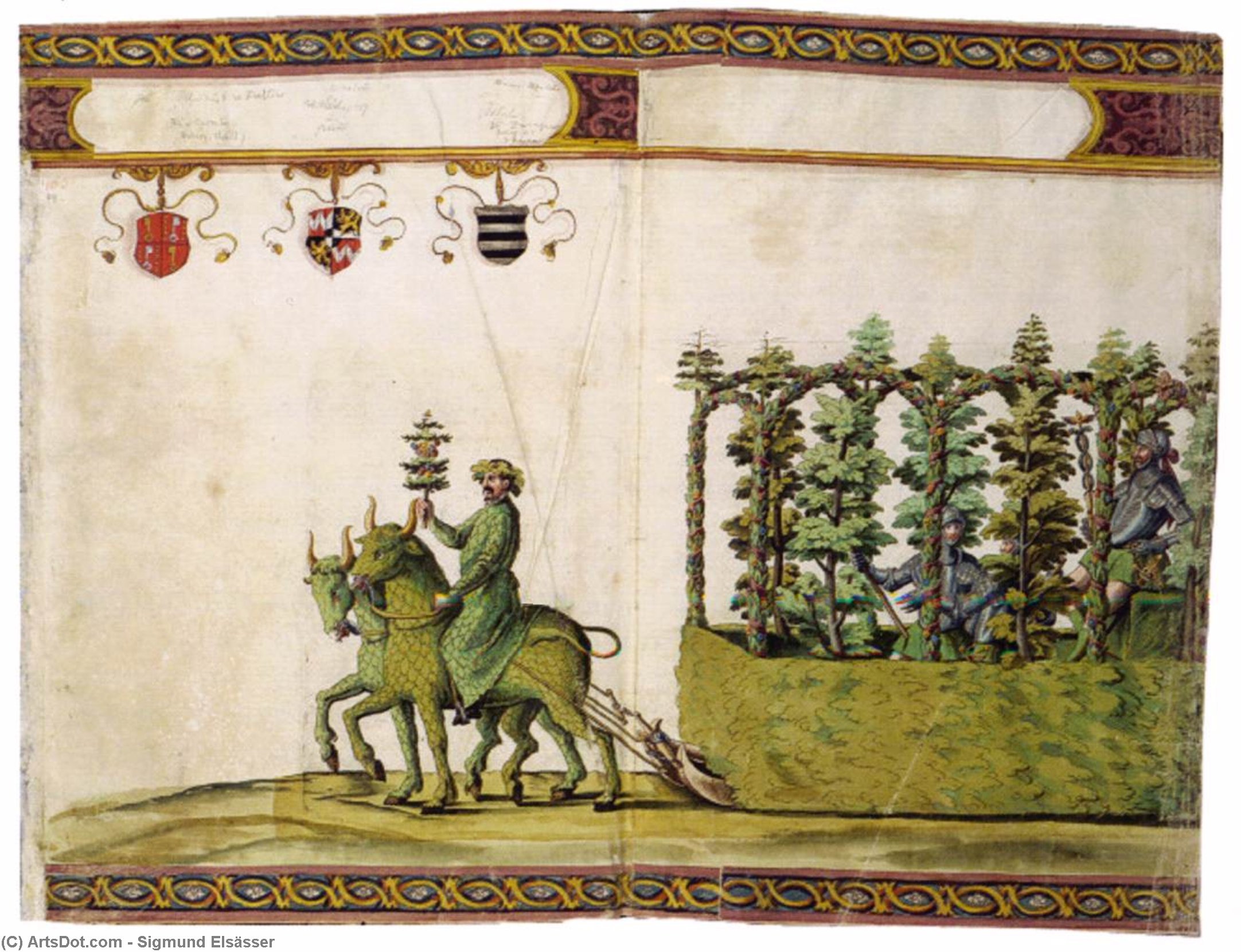
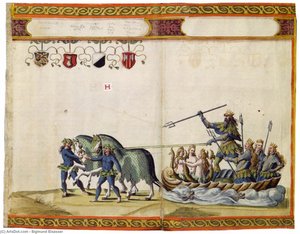
Wedding Festival Book of Archduke Ferdinand II: Mercury and Carriage
 Oil On Canvas
- WallArt
- Baroque
 1582
1582- Renaissance
 430.0 x 545.0 cm
 Kunsthistorisches Museum
 詳細を見る
詳細を見る
オンラインプレビューをはるかに凌ぐ、高解像度で鮮明なデジタル画像をご購入いただけます。
各ファイルは、社内の専門家が高度なツールと熟練した手作業によるレタッチを用いて、細心の注意を払って準備されています。すべての画像において、卓越した鮮明度、正確な色彩再現性、そして繊細なディテールを保証いたします。
最終ファイルは、プロフェッショナルな編集・印刷環境ですぐにご利用いただけるよう最適化された状態で、72時間以内にメールにてお届けいたします。これは、一流のデザインスタジオ、出版社、ギャラリーから信頼されているものと同等の品質です。
デジタル画像のご注文に付随する特典
高品質なデジタル画像配信を、確かな品質で。
ArtsDot.com を選ぶことは、単に画像を手に入れることではありません。それは、プロの手によって精密に仕上げられ、満足保証が付いた高品質なデジタルアートワークを受け取ることを意味します。ご注文いただいた際に自動的に付随する内容は、以下の通りです:

メールですぐにお届け
ご注文から72時間以内に、高解像度のデジタル画像ファイルがメールでお手元に届きます。すぐにそのままご利用いただけます。

AI技術で最適化されたデジタルファイル
お客様の作品は、高度なAIツールと専門家による手作業の編集を組み合わせてプロフェッショナルに最適化されており、細部のディテール、鮮明さ、そして正確な色再現性を最大限に引き出しています。

一生涯無料の再送サービス
ファイルを誤って削除したり、紛失してしまったりしましたか?ご安心ください。いつでも無料で再送いたします。

輸入手数料は一切かかりません
関税や手数料、配送料を気にすることなく、お気に入りのアートワークをすぐにお楽しみいただけます。デジタルダウンロードは常に免税です。

色彩再現の保証
プロ仕様のツールとカラーマネジメント技術を用いることで、デジタル画像が元の色を最大限に忠実に再現することを保証いたします。

100日間満足保証
ご購入いただいたデジタル画像にご満足いただけない場合は、100日以内であれば、修正または100%の返金(理由を問う必要はありません)をさせていただきます。

100% 返金保証
ご満足いただけない場合は、デジタルファイルを受け取ってから100日以内であれば、理由を問わず全額返金いたします。

まとめ買い割引
3枚購入で10%OFF - 5枚購入で15%OFF - 10枚以上購入で20%OFF。クリエイティブなプロジェクト、ギャラリー、エージェンシーに最適です。
A Celebration Frozen in Time: The Grandeur of the Wedding Festival
To gaze upon this magnificent depiction from the Wedding Festival Book of Archduke Ferdinand II is to step directly into the vibrant heart of an aristocratic celebration from 1582. It is a scene brimming with kinetic energy, capturing not merely an event, but a moment of profound cultural efflorescence. The composition immediately draws the eye to the central procession—a man mounted upon a magnificent horse, flanked by others in motion. One can almost hear the joyous clamor, the rhythmic pounding of hooves against cobblestones, and the murmur of conversation drifting through the assembled crowd. This painting is far more than a mere record of festivities; it is a carefully orchestrated tableau vivant, rich with the opulence and structured gaiety characteristic of late Renaissance court life.
Mastery in Movement: Technique and Composition
The technical skill displayed by Sigmund Elsässer is breathtaking, allowing him to convey both the solidity of the architecture implied in the background and the fleeting grace of human movement. Notice the meticulous detail applied to the textiles, the rich folds of the garments, and the sheen on the horses' coats—each element speaks to a high level of craftsmanship. The artist employs a masterful handling of light, which seems to emanate from an unseen source, illuminating the central figures while allowing the background activity to recede into a warm, atmospheric depth. Even the small detail, such as the bird perched in the upper left corner, is placed with deliberate consideration, adding a touch of natural life to the human spectacle.
The Context of Courtly Life and Symbolism
Dating from 1582, this work situates itself within a period of immense cultural transition in Austria. The patronage suggested by its inclusion in an Archduke's private book speaks volumes about the elevated status of both the commissioner and the artist. Beyond the surface gaiety, these festivals were highly symbolic events—they served to reinforce social hierarchies, celebrate dynastic alliances, and display wealth through elaborate pageantry. The procession itself embodies a controlled narrative: order amidst exuberance, nobility presiding over merriment. For the modern collector or designer, this piece offers an unparalleled window into the visual language of Habsburg courtly life.
Bringing Renaissance Grandeur Home
Owning a reproduction of this monumental work is to invite a piece of historical grandeur into your own space. The sheer scale and narrative depth make it a breathtaking focal point for any grand hall, library, or formal reception area. While the original captures the ephemeral joy of a single day, its enduring quality allows it to imbue a room with an atmosphere of timeless sophistication. It whispers tales of courtly intrigue, artistic patronage, and the enduring human desire to celebrate life’s most joyous moments.
関連作品






作家の略歴
The Visionary Chronicles of Sigmund Elsässer
To step into the world of Sigmund Elsässer is to enter a period of profound transition, where the structured elegance of the Renaissance began to dance with the dramatic intensity of the Baroque. An artist whose name resonates through the corridors of Austrian art history, Elsässer was far more than a mere chronicler of courtly life; he was a master of capturing the ephemeral pulse of an era. Born in Salzburg, his early years were shaped by the intellectual and religious fervor of a region caught between tradition and upheaval. His formative training at the Salzburg Cathedral School under the guidance of Johann Baptist Sturm provided him with a rigorous foundation in technical precision, yet it was his innate ability to infuse these classical techniques with a sense of spiritual and narrative movement that would eventually define his legacy.
As Elsässer moved toward the vibrant epicenter of Vienna in 1613, his career underwent a transformative evolution. The imperial atmosphere of the Habsburg court offered him an unparalleled stage upon which to display his burgeoning mastery. He became a favored painter for the nobility, particularly through his role as a court painter for Archduke Ferdinand II. This patronage allowed him to document the very essence of aristocratic splendor, turning fleeting moments of celebration into enduring visual legacies. His work often functioned as a tableau vivant, where the opulence of textiles, the sheen of equine coats, and the rhythmic energy of processions were rendered with such meticulous detail that the viewer can almost hear the clamor of the festivities and the pounding of hooves against cobblestones.
Mastery of Light and Mythic Symbolism
The technical brilliance of Elsässer lies in his sophisticated command of light and atmosphere. Utilizing the masterful glazing techniques characteristic of the Austrian Baroque, he achieved a luminous quality that seems to emanate from within the canvas itself. This ethereal glow was not merely a decorative feat but a vital tool for conveying deep theological and mythological truths. In his depictions of classical figures, such as those found in his celebrated etchings for the Wedding Festival Book of Archduke Ferdinand II, he breathes life into deities like Neptune and Mercury. Through these works, he bridged the gap between the human and the divine, using the turbulent seas or the swift motion of a carriage to symbolize the larger cosmic struggles of his time.
His artistic language was deeply influenced by the humanist revival, drawing inspiration from the intellectual currents championed by figures such as Erasmus. This influence is evident in how he balanced the grandeur of his subjects with a profound respect for human dignity and contemplation. Whether he was executing a delicate copperplate etching with watercolor or composing monumental religious altarpieces like The Visitation, Elsässer maintained a signature clarity. He avoided the chaotic excess often found in later Baroque works, opting instead for a precision that allowed every symbolic element—from a solitary bird in a corner to the intricate folds of a liturgical garment—to contribute to a cohesive, spiritual narrative.
A Lasting Legacy in Austrian Art
The historical significance of Sigmund Elsässer extends far beyond his role as a court documentarian. He stands as a pivotal figure who helped navigate the stylistic shift from the late Renaissance into the early Baroque period in Central Europe. His ability to synthesize the meticulousness of his Salzburg training with the dramatic, emotive requirements of the Habsburg era created a unique aesthetic that was both grounded in reality and elevated by myth.
Today, his contributions are preserved as vital windows into the cultural efflorescence of 16th and 17th-century Austria. His works serve as:
- Historical Records: Providing an unparalleled visual archive of Habsburg courtly pageants, weddings, and aristocratic rituals.
- Technical Milestones: Demonstrating the sophisticated use of glazing and etching techniques that defined the era's aesthetic standards.
- Cultural Bridges: Representing the intersection of humanist philosophy and religious devotion through symbolic imagery.
sigmund elsässer
1587 , Austria
プロフィール概要
- Artistic Movement Or Style: Renaissance Painting
- Artists Who Influenced This Artist:
- Antonius van Dyck
- Albrecht Dürer
- Date Of Death: 1587
- Full Name: Sigmund Elsässer
- Nationality: Austrian
- Notable Artworks: ['Wedding Festival Book of Archduke Ferdinand II']
- Place Of Birth: Vienna, Austria