

 プレビュー
プレビュー
 プリントを購入
 シェアする
シェアする シェアする
シェアする
 詳細を見る
詳細を見る

 ダウンロード
 似ている作品
 X線調査
X線調査 スライドショー
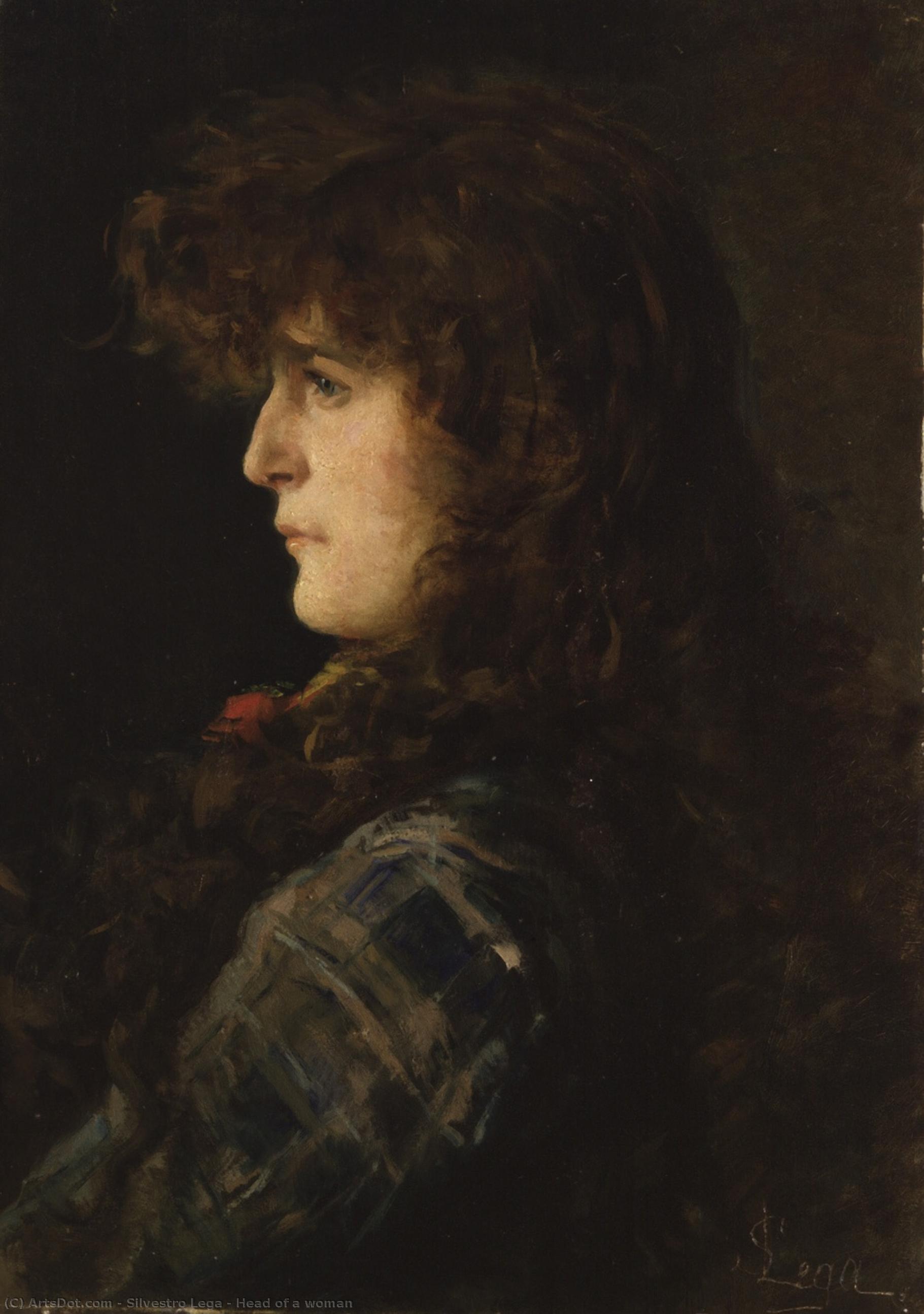
Head of a woman
 Acrylic On Canvas
- WallArt
- Macchiaioli
 1885
1885 51.0 x 37.0 cm
 ピナコテカ・ディ・ブレラ
 詳細を見る
詳細を見る




P118B $10

P118H $10

P118W $10

P438Z $10

P508JH $12

P508YH $12

P805H $10

P805Z $10

P919BZ $10

P919G $10

P919XJ $10

P959ZH $10

P968JZ $12

W106C $8

W218G $10

W218JH $8

W218Y $10

W307PJ $10

W316G $10

W316PJ $8

W316Y $10

W398PJ $8

W4111J $10

W500HY $15

W500JH $15

W692G $12

W849H $8

W940BG $15

W953PJ $8




作品のオリジナル比率に合わせた、当店の規定サイズからお選びください。

特定のフレームやスペースに合わせて、ご希望のサイズをご入力いただけます。選択されたサイズが元の画像の比率と異なる場合、アートワークをトリミングするか、手描きで要素を追加して絵画を拡張いたします。デジタルモックアップ を制作し、制作開始前にご確認(承認)をいただきます。
画面上のプレビューは、実際のトリミングや拡張を正確に反映しているものではありません。最終的な構図は、モックアップによってのみ正確にご確認いただけます。
カスタムサイズもご利用いただけますが、元の比率を維持するためには、あらかじめ用意されたリストからサイズを選択することをお勧めいたします。
ご注文後、ArtsDot.com チームより詳細な指示をお送りするとともに、仕上がりイメージ(モックアップ)をご提供いたします。


 ガラスオプションは、110cm未満のサイズでのみご利用いただけます。

Head of a woman
複製技法
複製画のサイズ
-


合計金額
$ 263
作品解説
Silvestro Lega’s “Head of a Woman” – A Study in Introspection
Silvestro Lega's "Head of a Woman," painted in 1885, is not merely a portrait; it’s a profound meditation on solitude and the quiet depths of human emotion. Created during a pivotal period in Lega’s artistic development—a transition from academic training to the expressive realism championed by the Macchiaioli movement – this small yet intensely evocative work offers a glimpse into the artist's evolving sensibility. The painting, measuring just 37 x 51 cm, immediately draws the viewer in with its intimate scale and the subject’s direct, almost challenging gaze.
The central figure is an unidentified woman, her features rendered with remarkable sensitivity – a subtle modeling of the cheekbones, the delicate curve of her lips, and the gentle fall of her long, dark curls. Lega masterfully employs *sfumato*, that characteristic smoky haziness perfected by Leonardo da Vinci, to soften the edges of the face and create an atmosphere of veiled mystery. This technique isn’t simply decorative; it serves to heighten the sense of introspection, as if the woman is shielded from the outside world, lost in her own thoughts.
The Macchiaioli and a Shift in Perspective
To fully appreciate “Head of a Woman,” one must understand Lega's association with the Macchiaioli – a group of Italian painters who revolutionized art by embracing *en plein air* painting and rejecting the polished, idealized portraits favored by the academic establishment. The Macchiaioli sought to capture the immediacy of experience, prioritizing direct observation over meticulous detail. Lega’s work reflects this commitment; he moved away from the studio, venturing outdoors to paint directly from life, a practice that profoundly influenced his style.
This shift in perspective is particularly evident in “Head of a Woman.” Lega doesn't attempt to impose a specific narrative or emotion onto the subject. Instead, he presents her as an enigmatic presence, inviting the viewer to contemplate her inner world. The dark background—a carefully rendered void—further emphasizes the woman’s isolation and intensifies the painting’s contemplative mood.
Symbolism and Emotional Resonance
While the identity of the model remains unknown, many art historians believe that “Head of a Woman” is more than just a likeness. The downward gaze suggests a sense of melancholy or introspection—a quiet sadness that permeates the entire composition. Some interpret the painting as a reflection of Lega’s own personal struggles following the loss of his beloved wife, Virginia Batelli, in 1870. This profound grief undoubtedly shaped his artistic vision during this period.
The loose, flowing hair—a hallmark of Lega's style—adds to the painting’s ethereal quality. It seems to ripple and dance around the woman’s face, creating a sense of movement and suggesting an inner turbulence. The overall effect is one of poignant beauty and quiet sorrow – a testament to Lega’s ability to capture the complexities of human emotion with remarkable subtlety.
A Legacy in Reproduction
Today, “Head of a Woman” resides in the Pinacoteca di Brera in Milan, Italy. ArtsDot offers high-quality reproductions that allow art lovers worldwide to experience the painting’s captivating beauty and profound emotional resonance. Whether displayed as a statement piece in a contemporary interior or cherished as a timeless work of art, Lega's portrait continues to resonate with viewers who appreciate its quiet intensity and enduring mystery.
関連作品

アーティストの略歴
シルヴェストロ・レガ:イタリア・リアリズムの光と影
19世紀イタリア美術を代表する画家の一人、シルヴェストロ・レガ(Silvestro Lega)。彼の名は、マッキアイオーリ運動を牽引した芸術家として広く知られている。しかし、レガの真価は、単なるリアリズムの追求にとどまらず、その作品に息づく繊細な人間観察と、激動する時代精神との深い結びつきにあると言えるだろう。フォールーリ近郊のモディリアナに生まれた彼は、豊かな自然と家族の温かさに包まれた幼少期を過ごし、それが後の彼の絵画における穏やかな情景描写へと繋がっていく。
芸術への目覚めと初期の修練
- 生い立ち: レガはモディリアナ近郊の裕福な家庭に生まれた。
- 教育: 1838年からはピアリスト神学校に通い、その才能が開花し始める。その後、フィレンツェ美術アカデミー(1843-1847)でベネデット・セルヴォリーニやトマッソ・ガッツァリーニに絵画を学び、ジョゼッペ・ベッズオーリからも指導を受けた。
- ルイジ・ムッシーニの影響: ムッシーニの下での研鑽は、15世紀フィレンツェの古典的なデッサンと構図の原則をレガに植え付けた。この基礎が、彼の初期の芸術的アプローチを形作る上で重要な役割を果たした。
- 軍役とリスオルジメントへの参加: 1848年から1849年にかけて、イタリア統一運動(リスオルジメント)に参加し、ガルバルディ志願兵として戦った。この経験は、彼の作品に社会的な意識をもたらすきっかけとなった。
- アントニオ・チゼリからの影響: その後、アントニオ・チゼリからも指導を受け、さらなる技術の向上を目指した。
マッキアイオーリ運動と芸術的転換
当初、レガの作風はアカデミックな様式から大きく逸脱することはなかった。同時代のディエゴ・マルテッリが指摘するように、彼はカフェ・ミケランジェロでの活発な議論に積極的に参加するタイプではなかった。しかし、1859年頃から彼の作品には変化が現れ始め、ムッシーニの厳格な様式から脱却し、より写実的な表現へと移行していく。この転換は、モディリアナの聖母マリア礼拝堂のために描かれた一連の壁画(1858-1863)に顕著に見られる。
- 戸外制作への傾倒: レガはオドアルド・ボラーニ、ジュゼッペ・アバティ、テレマコ・シニョリーニ、ラファエロ・セルネージといったマッキアイオーリの仲間たちと共に、plein air(屋外制作)を積極的に行った。直接自然を観察し、光と色彩の変化を捉える試みは、彼の絵画に新たな生命力を吹き込んだ。
- バテッリ家との出会い: 1861年から1870年までの期間、レガはアフリーコ川沿いのバテッリ家と親交を深めた。この時期に描かれた家族の子供たちや女性たちの肖像画は、家庭的な安らぎと穏やかな日常を描き出し、彼の作品における重要なテーマとなる。
代表作と芸術的特徴
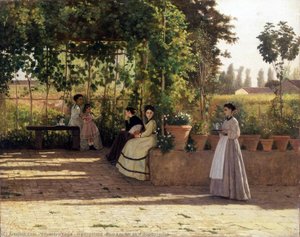
レガの代表作としては、「庭での散歩」(1870年)、"Il Pergolato”(「食後のひととき」としても知られる)(1864年)、「ドン・ジョヴァンニ・ヴェリタ邸宅」(1885年)、「庭にて」(1883年)、そして「ベッラリーヴァの庭」(1884年)などが挙げられる。彼の作風は、伝統的な構図と現代的な色彩感覚のバランスが特徴的である。直接観察に基づいた緻密な描写と、透明感のある色彩表現によって、イタリアの風景や人々の生活を生き生きと描き出した。
- テーマ: レガの絵画は、農村生活、家族の集まり、肖像画など、日常的な題材を多く取り上げている。平凡な人々の生活に焦点を当てたことは、19世紀ヨーロッパ美術における写実主義の潮流に貢献したと言えるだろう。
晩年と芸術的遺産
レガの人生には悲劇も訪れた。1870年に同棲していたヴィルジニア・バテッリを亡くし、さらに3人の兄弟を失ったことで、深い悲しみと絶望に打ちひしがれ、4年間の沈黙(1874-1878)を余儀なくされた。しかし、彼は芸術への情熱を諦めなかった。カミーユ・ピサロの作品に感銘を受け、フィレンツェでオドアルド・ボラーニと共に画廊を開設したが、短期間で閉鎖してしまった。晩年にはトマッシ家の息子たちの家庭教師として生活を安定させ、新たな創作意欲を見出した。彼の最後の作品である「ガバッリジャーネ」は、視力の低下にもかかわらず、写実主義への揺るぎない姿勢を示している。
シルヴェストロ・レガの功績は、伝統的な構図技法とマッキアイオーリ運動の新しい写実主義的感覚を融合させた点にある。彼はイタリアの生活の本質を繊細な筆致で捉え、今日でも多くの人々に感動を与え続けている。彼の日常的な題材への着目によって、それまで芸術的に評価されていなかった人々や風景が新たな価値を見出し、19世紀ヨーロッパ美術における写実主義の発展に大きく貢献した。
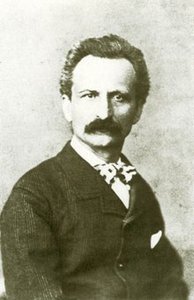
シルヴェストロ・レガ
1826 - 1895 , イタリア
基本情報
- Artistic Movement Or Style: 写実主義、マッキアイオーリ派
- Artists Or Movements Influenced By This Artist: ['印象派']
- Artists Who Influenced This Artist:
- ルイージ・ムッシーニ
- アントニオ・チセーリ
- Date Of Birth: 1826年
- Date Of Death: 1895年
- Full Name: シルヴェストロ・レガ
- Nationality: イタリア人
- Notable Artworks (List Of Titles):
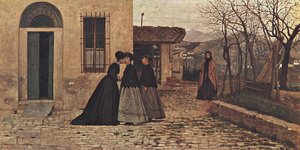
- 散歩道
- パーゴラ
- 庭にて
- Place Of Birth (City And Country): モディリアーナ、イタリア
関連記事

Romantic Realism's Finest: 10 Masterpieces for Your Home | ArtsDot
Explore 10 defining masterpieces of Romantic Realism! Discover Courbet, Millet & Daumier's powerful paintings—capturing emotion and social realities. Find museum-quality reproductions for your home at ArtsDot.com.

Realism's Masters: 10 Artworks That Capture Life's Essence | ArtsDot
Explore 10 iconic realism artworks by Courbet, Millet & more! Discover the stories behind these masterpieces of 19th-century painting. Find museum-quality art reproductions and elevate your home decor with ArtsDot.com.
Giovanni Fattori: Realism, Identity & the Tuscan Landscape – A Macchiaioli Master
Explore the life & art of Giovanni Fattori, a leading figure of the Macchiaioli movement. Discover his revolutionary realism, captivating Tuscan landscapes, and lasting impact on Italian painting. Learn more at ArtsDot.

Echoes of Society: Exploring Social Realism's Enduring Legacy in Art
Explore the powerful world of Social Realism art! Discover key artists, masterpieces & its profound social commentary. Expert insights into this influential movement's history and enduring legacy.
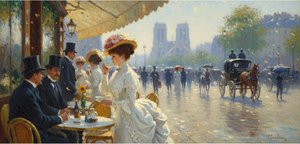
Impressionistic Realism's Finest: 10 Masterpieces for Your Home | ArtsDot
Journey through Impressionistic Realism with 10 iconic masterpieces by Monet, Renoir & Van Gogh. Explore art history, techniques & find museum-quality reproductions for your home at ArtsDot.com. Discover all masterpieces online!

