

 プレビュー
プレビュー
 プリントを購入
 シェアする
シェアする シェアする
シェアする
 詳細を見る
詳細を見る

 ダウンロード
 似ている作品
 X線調査
X線調査 スライドショー
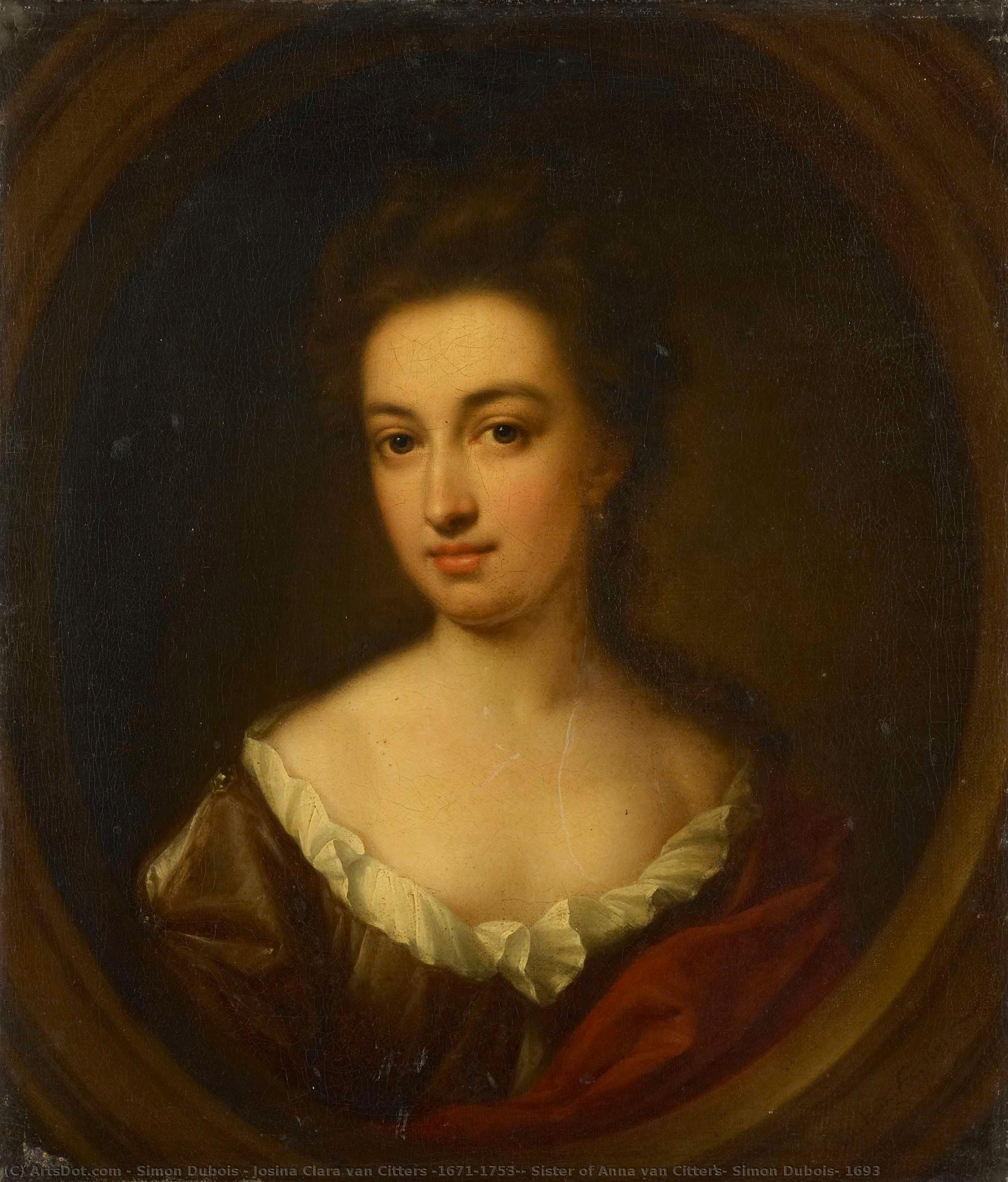
Josina Clara van Citters (1671-1753), Sister of Anna van Citters, Simon Dubois, 1693
 1693
1693 37.0 x 32.0 cm
 詳細を見る
詳細を見る
オンラインプレビューをはるかに凌ぐ、高解像度で鮮明なデジタル画像をご購入いただけます。
各ファイルは、社内の専門家が高度なツールと熟練した手作業によるレタッチを用いて、細心の注意を払って準備されています。すべての画像において、卓越した鮮明度、正確な色彩再現性、そして繊細なディテールを保証いたします。
最終ファイルは、プロフェッショナルな編集・印刷環境ですぐにご利用いただけるよう最適化された状態で、72時間以内にメールにてお届けいたします。これは、一流のデザインスタジオ、出版社、ギャラリーから信頼されているものと同等の品質です。
デジタル画像のご注文に付随する特典
高品質なデジタル画像配信を、確かな品質で。
ArtsDot.com を選ぶことは、単に画像を手に入れることではありません。それは、プロの手によって精密に仕上げられ、満足保証が付いた高品質なデジタルアートワークを受け取ることを意味します。ご注文いただいた際に自動的に付随する内容は、以下の通りです:

メールですぐにお届け
ご注文から72時間以内に、高解像度のデジタル画像ファイルがメールでお手元に届きます。すぐにそのままご利用いただけます。

AI技術で最適化されたデジタルファイル
お客様の作品は、高度なAIツールと専門家による手作業の編集を組み合わせてプロフェッショナルに最適化されており、細部のディテール、鮮明さ、そして正確な色再現性を最大限に引き出しています。

一生涯無料の再送サービス
ファイルを誤って削除したり、紛失してしまったりしましたか?ご安心ください。いつでも無料で再送いたします。

輸入手数料は一切かかりません
関税や手数料、配送料を気にすることなく、お気に入りのアートワークをすぐにお楽しみいただけます。デジタルダウンロードは常に免税です。

色彩再現の保証
プロ仕様のツールとカラーマネジメント技術を用いることで、デジタル画像が元の色を最大限に忠実に再現することを保証いたします。

100日間満足保証
ご購入いただいたデジタル画像にご満足いただけない場合は、100日以内であれば、修正または100%の返金(理由を問う必要はありません)をさせていただきます。

100% 返金保証
ご満足いただけない場合は、デジタルファイルを受け取ってから100日以内であれば、理由を問わず全額返金いたします。

まとめ買い割引
3枚購入で10%OFF - 5枚購入で15%OFF - 10枚以上購入で20%OFF。クリエイティブなプロジェクト、ギャラリー、エージェンシーに最適です。
関連作品








作家の略歴
Simon Dubois: A Master of Biblical Drama and Courtly Portraiture
Born in Antwerp during a period of artistic ferment, Simon Dubois (1632-1708) emerged as a significant figure in 17th-century European painting. His career spanned continents – from the bustling art scene of his native Flanders to the refined courts of England and Italy – and encompassed a remarkable range of styles, ultimately solidifying his reputation as a skilled portraitist and a master of dramatic biblical scenes. Dubois’s life was marked by both professional success and personal tragedy, shaping the trajectory of his artistic vision and leaving behind a legacy of evocative works that continue to captivate viewers today.
Dubois' early years were steeped in the traditions of Flemish painting. He received his initial training from Jan van Berchem and Philips Wouwermans in Haarlem, absorbing their techniques for rendering dynamic movement and capturing the essence of animal subjects – a skill that would later inform his depictions of cavalry charges and battle scenes. However, Dubois quickly distinguished himself by embracing the burgeoning Italianate style, characterized by dramatic lighting, theatrical compositions, and an emphasis on emotional intensity. This shift was partly influenced by his travels to Venice and Rome, where he encountered the works of Caravaggio and other masters who pioneered a new approach to painting – one that prioritized psychological realism and intense visual drama.
His arrival in England in 1680 proved pivotal. Dubois quickly gained favor with Lord-Chancellor Somers, securing a lucrative commission for a portrait that established his reputation among the English aristocracy. This patronage opened doors to further opportunities, allowing him to establish himself as a leading court painter and decorate several notable residences. His work during this period is characterized by its elegance, meticulous detail, and a subtle yet powerful sense of drama – qualities he honed through years of studying the works of Van Dyke and other masters.
The Biblical Narratives: A Dramatic Palette
Dubois’s most enduring contribution to art lies in his series of biblical paintings. These works, often commissioned by religious institutions or wealthy patrons, are not mere illustrations but rather dramatic interpretations of key stories from the Old and New Testaments. He eschewed the traditional, static depictions favored by many of his contemporaries, instead opting for dynamic compositions that capture the energy and emotion of the narratives. His scenes are filled with movement, gesture, and a keen awareness of human psychology – reflecting Caravaggio’s influence.
Notable examples include “The Conversion of Cornelius” and “The Raising of Lazarus,” both characterized by their dramatic lighting, intense expressions, and carefully rendered details. Dubois masterfully employed color to heighten the emotional impact of his scenes, using deep reds and blues to evoke feelings of passion and sorrow, while employing lighter tones to suggest hope and redemption. His depictions of biblical figures are remarkably humanistic, imbuing them with a sense of vulnerability and moral complexity – qualities that resonated deeply with audiences of his time.
It’s important to note the controversy surrounding these works. Dubois cleverly exploited the prevailing admiration for the paintings of Van Dyke, often signing his own pieces as those of the celebrated master, thereby elevating their perceived value and securing commissions. This practice, while ethically questionable, undoubtedly contributed to his success and allowed him to develop his distinctive style.
Portraiture: A Refined Art
Alongside his biblical paintings, Dubois was a highly sought-after portraitist. His portraits of prominent figures – including Lord Somers, Archbishop Tenison, and various members of the English aristocracy – are renowned for their elegance, psychological insight, and technical skill. He possessed an uncanny ability to capture not only the physical likeness of his subjects but also their personalities and inner lives.
Dubois’s portraiture reflects the prevailing trends of the era, incorporating elements of both Flemish realism and Italianate drama. His compositions are often carefully arranged, with attention paid to detail in the rendering of clothing, jewelry, and other accessories. He skillfully used light and shadow to create a sense of depth and volume, while employing subtle gestures and expressions to convey his subjects’ emotions.
Legacy and Historical Significance
Simon Dubois died in London in 1708, leaving behind a substantial body of work that continues to be admired for its dramatic intensity, technical skill, and psychological insight. His influence can be seen in the works of later artists, including William Hogarth, who drew inspiration from his dynamic compositions and theatrical lighting.
Dubois’s paintings played a significant role in shaping the visual culture of 17th-century Europe, demonstrating the power of art to convey religious narratives and capture the complexities of human experience. His legacy endures today, as viewers continue to be captivated by his evocative biblical scenes and refined portraits – testaments to the enduring genius of this remarkable artist.
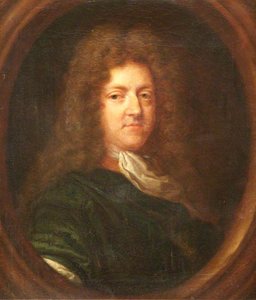
simon dubois
1632 - 1708
プロフィール概要
- Artistic Movement Or Style: Baroque Portraiture
- Artists Or Movements Influenced By This Artist:
- Vandyck
- International Gothic
- Artists Who Influenced This Artist:
- Van Berchem
- Wouwermans
- Date Of Birth: July 26, 1632
- Date Of Death: May 26, 1708
- Full Name: Simon Dubois
- Nationality: Flemish/Dutch
- Notable Artworks:
- Portrait of Alexander VII
- Lord Somers' portrait
- Place Of Birth: Antwerp, Belgium