 プレビュー
プレビュー
 シェアする
シェアする シェアする
シェアする
 詳細を見る
詳細を見る

 ダウンロード
 似ている作品
 X線調査
X線調査 スライドショー
 Stats
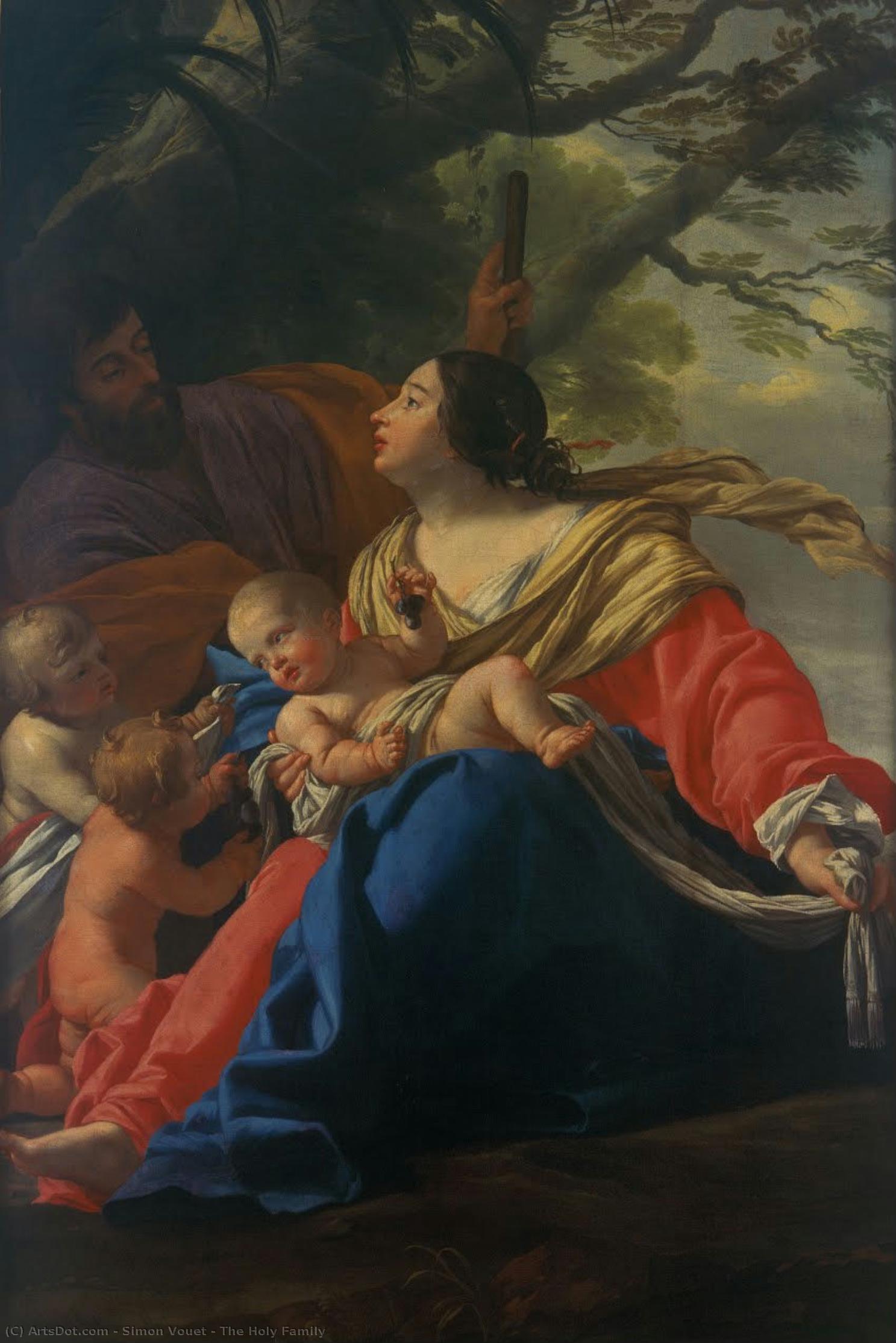
StatsThe Holy Family
 Acrylic On Canvas
- WallArt
- Baroque Painting
 1630
1630 178.0 x 118.0 cm
 クンストハレ・ブレーメン
 詳細を見る
詳細を見る
手描き油彩複製画
当社のアーティストが、お客様のご希望のサイズと額縁に合わせて、キャンバスに手描きで制作する油彩画です。 ( Switch to Print Switch to Digital Image)




P118B $10

P118H $10

P118W $10

P438Z $10

P508JH $12

P508YH $12

P805H $10

P805Z $10

P919BZ $10

P919G $10

P919XJ $10

P959ZH $10

P968JZ $12

W106C $8

W218G $10

W218JH $8

W218Y $10

W307PJ $10

W316G $10

W316PJ $8

W316Y $10

W398PJ $8

W4111J $10

W500HY $15

W500JH $15

W692G $12

W849H $8

W940BG $15

W953PJ $8




作品のオリジナル比率に合わせた、当店の規定サイズからお選びください。

特定のフレームやスペースに合わせて、ご希望のサイズをご入力いただけます。選択されたサイズが元の画像の比率と異なる場合、アートワークをトリミングするか、手描きで要素を追加して絵画を拡張いたします。デジタルモックアップ を制作し、制作開始前にご確認(承認)をいただきます。
画面上のプレビューは、実際のトリミングや拡張を正確に反映しているものではありません。最終的な構図は、モックアップによってのみ正確にご確認いただけます。
カスタムサイズもご利用いただけますが、元の比率を維持するためには、あらかじめ用意されたリストからサイズを選択することをお勧めいたします。
ご注文後、ArtsDot.com チームより詳細な指示をお送りするとともに、仕上がりイメージ(モックアップ)をご提供いたします。


 ガラスオプションは、110cm未満のサイズでのみご利用いただけます。

The Holy Family
複製技法
複製画のサイズ
-


合計金額
$ 263
A Baroque Vision of Faith: Simon Vouet’s “The Holy Family”
Simon Vouet's "The Holy Family," completed in 1630, stands as a cornerstone of French Baroque painting—a testament to artistic innovation and spiritual contemplation. Executed during Louis XIII’s reign, the artwork embodies the stylistic fervor that swept across Europe following the Renaissance, marking a decisive break from Mannerist formalism and embracing dramatic chiaroscuro, opulent color palettes, and idealized figures imbued with profound emotion. This monumental canvas captures a pivotal moment in Christian iconography: Mary, Joseph, and Jesus embarking on their pilgrimage to Egypt—a journey laden with symbolic significance that Vouet skillfully conveys through masterful technique and compositional brilliance.Style and Technique: Caravaggio’s Influence
The painting's aesthetic is undeniably indebted to the revolutionary style pioneered by Michelangelo Merisi da Caravaggio. Vouet meticulously adopted Caravaggio’s dramatic chiaroscuro—the stark contrast between light and dark—to sculpt the scene with breathtaking realism. Light emanates from a divine source, illuminating Mary at the center of the composition, bathing her in an ethereal glow that underscores her sanctity and devotion. This radiant luminescence casts Joseph's form into shadow, emphasizing his role as protector and grounding the narrative within earthly reality. Vouet’s brushstrokes are deliberate and expressive, capturing subtle nuances of texture and movement—a hallmark of Baroque painting aimed at eliciting visceral responses from the viewer. The artist skillfully employs glazing techniques to achieve luminous colors and create depth, mirroring Caravaggio's masterful use of light to heighten emotional impact.Historical Context: Louis XIII’s Court
“The Holy Family” emerged during a period of significant artistic patronage under Louis XIII—a monarch determined to elevate French culture and solidify royal prestige. Vouet was appointed court painter, tasked with adorning the royal palaces and disseminating images that reinforced religious piety and aristocratic grandeur. The painting reflects the prevailing intellectual climate of the time, characterized by humanist ideals blended with Catholic dogma. It served as a visual embodiment of Louis XIII’s aspirations for France to be recognized as a beacon of artistic excellence—a legacy that continues to resonate today.Symbolism: Madonna and Vine Imagery
Beyond its technical prowess and historical context, “The Holy Family” is rich in symbolic references. The depiction of Mary holding her child Jesus alongside St Elizabeth and John the Baptist harkens back to biblical narratives celebrating divine motherhood and prophetic grace. Furthermore, Vouet’s ingenious use of imagery—specifically the grapes adorning the Child’s hand—references the Madonna della Vite (“Madonna of the Vine”), a popular Marian devotion symbolizing Mary's role as the mother of Christ and the source of spiritual nourishment. The wind whipping around the Holy Family serves as a poignant reminder of their arduous journey, representing both physical hardship and divine providence—a visual metaphor for faith’s perseverance amidst adversity.Emotional Impact: A Moment of Serenity Amidst Pilgrimage
Ultimately, Vouet's masterpiece succeeds in conveying an overwhelming sense of serenity and spiritual contemplation. Despite the implied challenges of their pilgrimage, Mary, Joseph, and Jesus radiate tranquility—their gaze fixed upward toward the divine light—suggesting unwavering faith and acceptance of God’s plan. The painting invites viewers to contemplate themes of humility, compassion, and grace—capturing the essence of Christian piety in a visually stunning composition that continues to inspire admiration centuries later. Its enduring appeal lies in its ability to evoke profound emotion while simultaneously demonstrating the highest standards of Baroque artistic achievement.関連作品
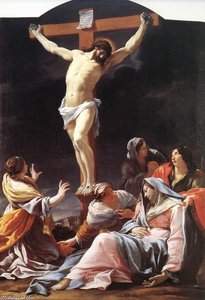
アーティストの略歴
シモン・ヴーエ:フランス・バロック絵画の先駆者
- 生没年: 1590年1月9日、フランス、パリ
- 没年: 1649年6月30日、フランス、パリ
シモン・ヴーエは、フランス絵画がマニエリスムからバロック様式へと移行する過程において極めて重要な人物でした。画家であった父ローランと芸術を志した兄オーバンという芸術家一家に生まれ、幼少期からの訓練が彼の将来の成功の礎を築きました。彼の孫であるルドヴィコ・ドリニーは、この家の芸術的な系譜を受け継ぐことになります。
初期のキャリアとイタリアの影響(1608年~1627年)
- 肖像画による出発: ヴーエは肖像画家としてキャリアをスタートさせ、早い段階からその才能を発揮しました。
- イングランドへの渡航(1608年): わずか14歳の若さでイングランドへ渡り、依頼された肖像画を描き、その芽生え始めた名声を世に示します。
- オスマン帝国とヴェネツィア: 1611年、ヴーエはオスマン帝国駐在のフランス大使バロン・ド・サンシーの随行員となり、再び肖像画制作のために旅に出ます。この旅路はコンスタンティノープルを通り、やがて1612年にヴェネツィアへと彼を導きました。
- ローマでの研鑽(1614年~1627年): ローマでの日々は彼の人生を変貌させました。彼はこの地に十三年間留まり、勃興しつつあったバロック期の活気に満ちた芸術の光景に身を浸したのです。
イタリア滞在中、ヴーエは多岐にわたる影響を吸収しました。彼はカラヴァッジョが切り開いた劇的な光の技法を研究し、イタリア・マニエリスムの要素を取り入れました。また、パオロ・ヴェロネーゼが用いた色彩パレットやdi sotto in su(下方から上方への遠近法)を丹念に分析しました。さらに、カラッチ、グエルチーノ、ランフランコ、グイド・レニらの作品からもインスピレーションを得て、これら多様な様式を独自の芸術的ビジョンへと昇華させていったのです。
ヴーエ独自の様式の確立
- サン・ルカ美術アカデミーへの選出(1624年): ローマでの成功は、彼が権威あるサン・ルカ美術アカデミーの会長に選出されるという形で結実し、イタリア美術界における彼の技量と評価を証明しました。
- 影響の統合: ヴーエの様式を特徴づけていたのは、様々な芸術的影響を受け入れ、それを精髄として抽出する能力でした。彼は単に模倣したのではなく、それらの要素を調和のとれた、紛れもなくイタリア的なバロック美学へと統合させたのです。
- フランスへのバロック様式の導入: 1627年にフランスへ帰国した後、ヴーエはイタリアのバロック様式をフランス絵画にもたらす上で決定的な役割を果たし、この国の芸術景観に大きな影響を与えました。
主要な功績と遺産
- 王宮首席画家: ヴーエはPremier peintre du Roi(国王首席画家)という、計り知れない威信と影響力を持つ地位に任命されました。
- 活発な工房の維持: 彼は大規模で活動的な工房を維持し、後の世代のフランス絵画の巨匠たちを育成しました。
- 著名な弟子たち: 最も影響力の大きかった弟子たちには、ヴェルサイユ宮殿の装飾絵画全般を組織したシャルル・ルブラン、ヴァランタン・ド・ブローニュ、シャルル=アルフォンス・デュフレノワ、ピエール・ミニャール、ユスタッシュ・ルシュール、クロード・メランらが名を連ねます。
- フランス美術への影響: ヴーエの影響は彼自身の作品に留まりませんでした。彼の弟子たちはその様式と技法をフランス全土に広め、独特のバロック絵画学派を確立しました。特にルイ14世が命じた壮大な装飾計画の中に、その影響は明白に見出されます。
歴史的意義
シモン・ヴーエの遺産は、イタリアとフランスという二つの芸術文化を結ぶ架け橋としての彼の役割に根ざしています。彼はイタリアバロックの持つ躍動感と壮大さを巧みに輸入し、それをフランス宮廷や貴族の嗜好に響く様式へと昇華させたのです。17世紀のフランス絵画の発展における彼の影響力は否定できず、その貢献は今日に至るまで美術史家たちから認められ続けています。
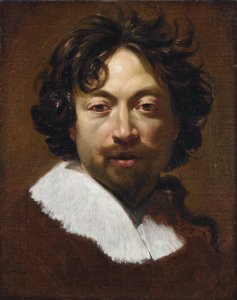
シモン・ヴーエ
1590 - 1649 , フランス
基本情報
- Artistic Movement Or Style: バロック絵画
- Artists Or Movements Influenced By This Artist:
- シャルル・ルブラン
- ヴァランタン・ド・ブローニュ
- フランスのバロック絵画
- Artists Who Influenced This Artist:
- カラヴァッジオ
- パオロ・ヴェロネーゼ
- カラッチ
- ゲルチーノ
- ランフランコ
- グイド・リニ
- Date Of Birth: 1590年1月9日
- Date Of Death: 1649年6月30日
- Full Name: シモン・ヴーエ
- Nationality: フランス人
- Place Of Birth: パリ、フランス
関連記事

The Visceral Stage: Exploring Dramatic Narratives & Emotional Intensity in Baroque Art
Explore the dramatic world of Baroque art! Discover iconic masters like Caravaggio & Rembrandt, their techniques, and the movement's lasting impact. Expert insights for collectors & enthusiasts at ArtsDot.
Simon Vouet: A Baroque Master's Journey from Italian Influence to French Classicism
Explore the life & art of Simon Vouet, a pivotal French Baroque painter who introduced Italian styles to France. Discover his masterpieces and lasting influence on 17th-century art.

The Dramatic Flourish: Exploring the Baroque Movement's Enduring Legacy in Art History
Explore the dramatic world of Baroque art! Discover iconic artists like Caravaggio & Rubens, defining techniques, and its lasting impact on art history. Expert insights for collectors & enthusiasts at ArtsDot.

バロック美術を極めた至宝:時代を彩る10大名作の世界
バロック美術の華!カラヴァッジョ、ベルニーニら巨匠が創り上げた10大名作を徹底解剖。ドラマチックな色彩と豪華絢爛の世界観に触れ、至宝のアートプリントで空間を彩ろう。ArtsDot.comで美術館品質の複製と洗練されたインテリアを見つけましょう!
Baroque Painting's Greatest Hits: 10 Masterpieces for Your Home | ArtsDot
Journey through Baroque painting's glory! Explore 10 masterpieces by Caravaggio, Rembrandt & Vermeer. Discover dramatic lighting, rich colors & timeless stories. Find museum-quality art reproductions for your home at ArtsDot.com.