

 プレビュー
プレビュー
 プリントを購入
 シェアする
シェアする シェアする
シェアする
 詳細を見る
詳細を見る

 ダウンロード
 似ている作品
 X線調査
X線調査 スライドショー
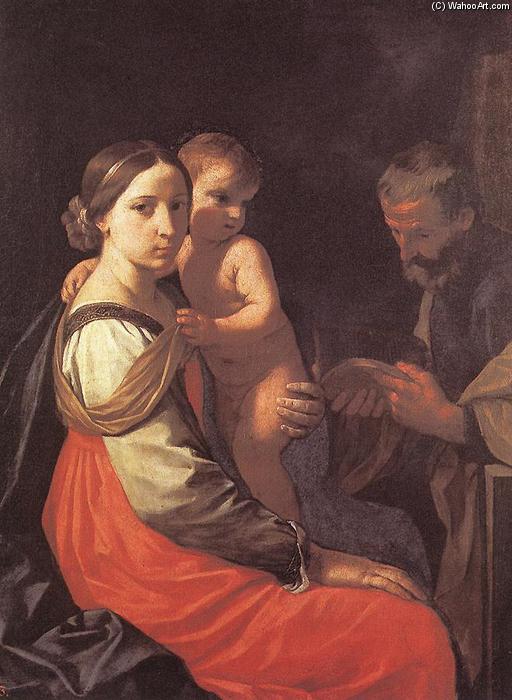
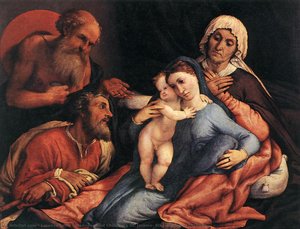
Holy Family
 Oil On Canvas
- WallArt
- Italian Baroque
 Early Modern
 72.0 x 55.0 cm
 プラド美術館
 詳細を見る
詳細を見る




P118B $10

P118H $10

P118W $10

P438Z $10

P508JH $12

P508YH $12

P805H $10

P805Z $10

P919BZ $10

P919G $10

P919XJ $10

P959ZH $10

P968JZ $12

W106C $8

W218G $10

W218JH $8

W218Y $10

W307PJ $10

W316G $10

W316PJ $8

W316Y $10

W398PJ $8

W4111J $10

W500HY $15

W500JH $15

W692G $12

W849H $8

W940BG $15

W953PJ $8




作品のオリジナル比率に合わせた、当店の規定サイズからお選びください。

特定のフレームやスペースに合わせて、ご希望のサイズをご入力いただけます。選択されたサイズが元の画像の比率と異なる場合、アートワークをトリミングするか、手描きで要素を追加して絵画を拡張いたします。デジタルモックアップ を制作し、制作開始前にご確認(承認)をいただきます。
画面上のプレビューは、実際のトリミングや拡張を正確に反映しているものではありません。最終的な構図は、モックアップによってのみ正確にご確認いただけます。
カスタムサイズもご利用いただけますが、元の比率を維持するためには、あらかじめ用意されたリストからサイズを選択することをお勧めいたします。
ご注文後、ArtsDot.com チームより詳細な指示をお送りするとともに、仕上がりイメージ(モックアップ)をご提供いたします。


 ガラスオプションは、110cm未満のサイズでのみご利用いただけます。

Holy Family
複製技法
複製画のサイズ
-


合計金額
$ 263
A Synthesis of Styles: Simone Cantarini’s Holy Family
Simone Cantarini (1612-1648), a Florentine painter whose tragically premature death in Mantua cast a shadow over his burgeoning career, stands as an emblem of the Italian Baroque's dynamism and artistic experimentation. Often referred to as Simone da Pesaro or *il Pesarese*, he defied easy categorization, forging a distinctive style that skillfully blended Bolognese classicism’s serene elegance with Venice’s vibrant naturalism and Caravaggismo’s dramatic fervor—a testament to his engagement with the intellectual currents of his time. His father, Girolamo, a prosperous merchant, fostered Simone's artistic inclinations, though biographical details remain sparse, highlighting the elusive nature of documenting artists during this period. What is undeniable is Simone’s innate talent and unwavering dedication to mastering his craft; he pursued formal training diligently, absorbing influences from prominent masters like Federico Barocci and Guido Reni.The Painting's Visual Language: Baroque Influence and Dramatic Light
Canarini’s oeuvre reveals a profound understanding of artistic principles honed through meticulous observation and study. Unlike many contemporaries who slavishly imitated established conventions, Cantarini actively interrogated them, seeking to imbue his canvases with emotional depth and visual splendor. The Holy Family depicted here exemplifies this approach perfectly. Dominating the composition is a masterful use of chiaroscuro—the interplay of light and shadow—a technique championed by Caravaggio and embraced throughout the Baroque era. This dramatic illumination sculpts the figures, emphasizing their contours and conveying an atmosphere of solemn contemplation. Notice how the light falls upon Mary’s face, casting shadows that accentuate her serene expression and highlighting the tenderness of her embrace with Jesus. The dark background serves to heighten the impact of this luminous central figure, drawing the viewer's gaze inward toward the intimate tableau unfolding before them.Historical Context: Bolognese Classicism Meets Venetian Naturalism
The Holy Family’s stylistic choices resonate deeply within the broader artistic landscape of its time. Cantarini’s formative years were spent in Bologna, where he absorbed the refined aesthetic sensibilities of Bolognese classicism—characterized by balanced compositions and idealized forms—from artists like Guido Reni. Simultaneously, his travels exposed him to Venice's burgeoning naturalistic tradition, influencing his depiction of figures with an unprecedented degree of realism. This fusion of influences is palpable in Cantarini’s meticulous attention to detail, evident in the drapery folds and the subtle nuances of expression conveyed by each character. The painting’s provenance—held at the Museo del Prado in Madrid—further underscores its significance as a cornerstone of Baroque art history.Symbolism: Faith, Innocence, and Maternal Love
Beyond its technical brilliance, The Holy Family carries profound symbolic weight. Representing Jesus Christ, Mary, and Joseph, it embodies core tenets of Christian faith—the incarnation, divine grace, and familial devotion. The posture of Mary, seated with quiet dignity, symbolizes maternal compassion and spiritual serenity. Her gaze directs towards the viewer, inviting contemplation on themes of humility and piety. Similarly, Jesus’s tender embrace of his mother underscores the sanctity of familial love and reinforces the image of Christ as the embodiment of divine mercy. The inclusion of Saint John the Baptist—a symbol of innocence and prophetic witness—completes this harmonious ensemble, enriching its narrative dimension.Concluding Remarks: An Artist's Legacy
Simone Cantarini’s Holy Family stands as a testament to his artistic vision—a synthesis of classical ideals and Baroque dynamism that continues to captivate audiences centuries later. Its enduring appeal lies not only in its masterful execution but also in its ability to evoke profound emotions, prompting viewers to reflect on themes of faith, compassion, and familial bonds. A remarkable achievement for his brief career, Cantarini’s legacy persists through reproductions like those offered by ArtsDot.com, allowing admirers worldwide to experience the beauty and intellectual depth of this iconic Baroque masterpiece.関連作品


関連記事

バロック美術を極めた至宝:時代を彩る10大名作の世界
バロック美術の華!カラヴァッジョ、ベルニーニら巨匠が創り上げた10大名作を徹底解剖。ドラマチックな色彩と豪華絢爛の世界観に触れ、至宝のアートプリントで空間を彩ろう。ArtsDot.comで美術館品質の複製と洗練されたインテリアを見つけましょう!

The Visceral Stage: Exploring Dramatic Narratives & Emotional Intensity in Baroque Art
Explore the dramatic world of Baroque art! Discover iconic masters like Caravaggio & Rembrandt, their techniques, and the movement's lasting impact. Expert insights for collectors & enthusiasts at ArtsDot.

The Dramatic Flourish: Exploring the Baroque Movement's Enduring Legacy in Art History
Explore the dramatic world of Baroque art! Discover iconic artists like Caravaggio & Rubens, defining techniques, and its lasting impact on art history. Expert insights for collectors & enthusiasts at ArtsDot.
Decoding Baroque Grandeur: A Guide to the Drama and Emotion of 17th-Century Art
Explore the breathtaking drama of 17th-century Baroque art. Our expert guide decodes the use of chiaroscuro, emotional intensity, and historical grandeur to help you appreciate and curate timeless masterpieces for your collection.
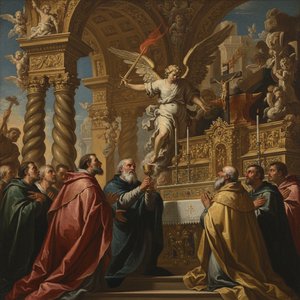
The Golden Age Reforged: Dramatic Realism & Religious Zeal in Spanish Baroque Art
Explore the dramatic world of Spanish Baroque art! Discover masters like Zurbarán & the powerful influence of religious zeal on painting techniques – a guide for collectors and enthusiasts.

