 プレビュー
プレビュー
 プリントを購入
 シェアする
シェアする シェアする
シェアする
 詳細を見る
詳細を見る

 ダウンロード
 似ている作品
 X線調査
X線調査 スライドショー
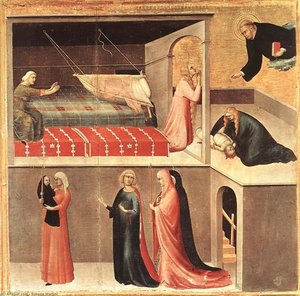
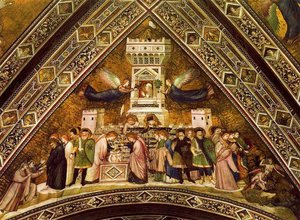
Altar of St Louis of Toulouse. predella


 詳細を見る
詳細を見る




P118B $10

P118H $10

P118W $10

P438Z $10

P508JH $12

P508YH $12

P805H $10

P805Z $10

P919BZ $10

P919G $10

P919XJ $10

P959ZH $10

P968JZ $12

W106C $8

W218G $10

W218JH $8

W218Y $10

W307PJ $10

W316G $10

W316PJ $8

W316Y $10

W398PJ $8

W4111J $10

W500HY $15

W500JH $15

W692G $12

W849H $8

W940BG $15

W953PJ $8




作品のオリジナル比率に合わせた、当店の規定サイズからお選びください。

特定のフレームやスペースに合わせて、ご希望のサイズをご入力いただけます。選択されたサイズが元の画像の比率と異なる場合、アートワークをトリミングするか、手描きで要素を追加して絵画を拡張いたします。デジタルモックアップ を制作し、制作開始前にご確認(承認)をいただきます。
画面上のプレビューは、実際のトリミングや拡張を正確に反映しているものではありません。最終的な構図は、モックアップによってのみ正確にご確認いただけます。
カスタムサイズもご利用いただけますが、元の比率を維持するためには、あらかじめ用意されたリストからサイズを選択することをお勧めいたします。
ご注文後、ArtsDot.com チームより詳細な指示をお送りするとともに、仕上がりイメージ(モックアップ)をご提供いたします。


 ガラスオプションは、110cm未満のサイズでのみご利用いただけます。

Altar of St Louis of Toulouse. predella
複製技法
複製画のサイズ
-


合計金額
$ 263
The Majesty of Simone Martini: Unveiling the Altar of St Louis of Toulouse
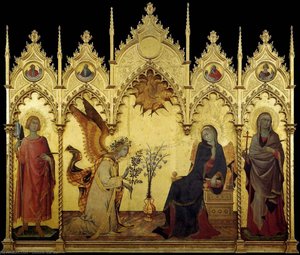
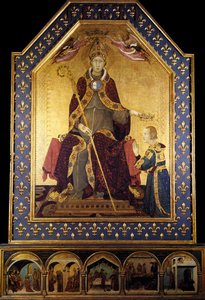
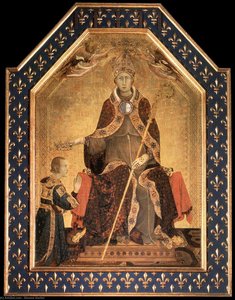
Simone Martini’s 1317 tempera painting, “Altar of St Louis of Toulouse,” isn't merely a devotional artwork; it’s a meticulously crafted window into the heart of the Angevin court in Naples. Commissioned for Robert of Anjou, King of Sicily, this monumental panel represents far more than just a saintly figure; it embodies dynastic ambition, international exchange, and the burgeoning artistic sensibilities of 14th-century Italy. Measuring approximately five feet tall, the altar’s scale immediately commands attention, drawing the viewer into a world of shimmering gold, intricate detail, and profound symbolism. Martini, a master of the International Gothic style – a movement characterized by its elegance, refined lines, and lavish ornamentation – seamlessly blended elements of French manuscript illumination with emerging Italian artistic trends, creating a work that is both profoundly beautiful and historically significant.

The central figure, Saint Louis of Toulouse, is depicted in a pose of serene authority, seated and crowned by two angels. His youthful countenance exudes both piety and regal bearing – a deliberate juxtaposition reflecting his dual roles as a Franciscan saint and a powerful Angevin prince. Notice the rich fabrics of his cope and robes, adorned with heraldic emblems—a testament to his royal lineage and the importance of family succession within the Angevin dynasty. The meticulous rendering of textures, from the velvet of his garments to the polished metal of his crown, speaks volumes about Martini’s technical skill and his dedication to capturing the essence of material wealth and status.
A Royal Narrative: Symbolism and Historical Context
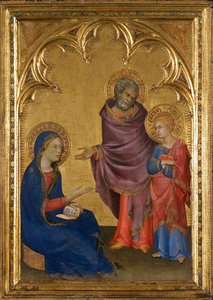
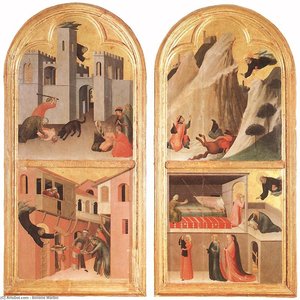
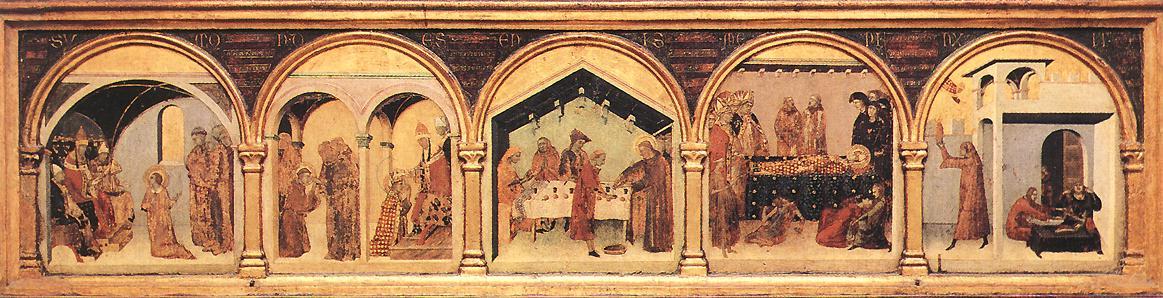
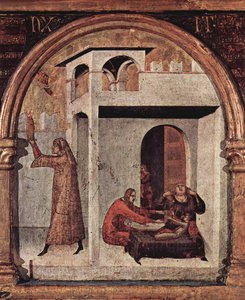
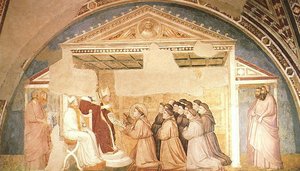
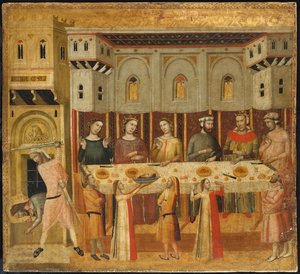
Beyond its aesthetic beauty, the “Altar of St Louis of Toulouse” is a complex narrative woven with layers of symbolism. The presence of two kneeling figures – Saint Louis and his brother Robert – underscores the dynastic succession that was central to the Angevin claim to power in Southern Italy. The act of crowning represents not just religious devotion but also political legitimacy, solidifying Robert’s position as heir to the throne. The predella beneath the main panel further expands this narrative, presenting a series of vignettes from Saint Louis's life—his acceptance into the Franciscan order, his ordination, acts of charity, and even a miraculous resurrection. These scenes are not simply decorative; they serve to legitimize Robert’s rule by associating him with the saintly lineage of his brother.
The altar’s creation coincided with a period of intense political maneuvering within the Angevin court. Robert of Anjou, eager to secure his claim to Naples and Sicily, commissioned this lavish artwork as a powerful symbol of his authority and divine right to rule. The inclusion of elements borrowed from Roman sculpture—the king's regal attire and lion-headed curule seat—further emphasized his connection to the legacy of the Roman Empire, bolstering his image as a strong and capable leader.
Technique and Artistic Influences
Martini’s masterful use of tempera paint on wood is evident in the painting's luminous colors and delicate details. Tempera, known for its slow drying time, allowed Martini to build up layers of color gradually, achieving a remarkable level of depth and richness. The artist’s meticulous attention to detail—from the intricate folds of the drapery to the subtle expressions on the faces—demonstrates his exceptional skill and artistic vision. The influence of French manuscript illumination is particularly striking, evident in the painting's elegant lines, stylized figures, and decorative borders. However, Martini also incorporated elements of Italian art, such as a greater emphasis on naturalism and a more dynamic composition.

A Legacy of Elegance: Reproduction and Appreciation
ArtsDot is proud to offer meticulously crafted hand-painted reproductions of Simone Martini’s “Altar of St Louis of Toulouse.” These reproductions capture the essence of the original artwork, faithfully recreating its exquisite detail, vibrant colors, and profound symbolism. Whether you are an art enthusiast, a collector seeking to expand your collection, or simply someone who appreciates timeless beauty, our reproduction offers a stunning way to bring this masterpiece into your home or office. Each reproduction is created by skilled artists using archival-quality materials, ensuring that it will retain its brilliance for generations to come. Experience the majesty of Simone Martini’s “Altar of St Louis of Toulouse” – a testament to artistic genius and a window into a fascinating era of European history.
関連作品
アーティストの略歴
Simone Martini:イタリアの優雅さを紡ぐ芸術家
シモーネ・マルティニは、イタリアで活躍した芸術家でありました。彼は約1284年にシエナで生まれ、ドゥッチョ・ディ・ブオニンセグナの影響を受けながら、シエナにおける美術の中心として独自の道を歩みました。彼の兄弟の妻であるリッポ・メムミとの協力関係は、シエナ美術界をさらに豊かにしました。シエナという都市は、マルティニの美意識を形成する上で重要な役割を果たし、宗教的な信仰と世俗的な洗練さを融合させた環境を提供しました。
国際ゴシック様式への影響
マルティニのスタイルは、フィレンツェのような壮大な形式とは異なり、優雅さと洗練さを特徴としていました。彼は繊細な感覚を追求し、流れるような線と柔らかな装飾的な詳細に注目しました。この美意識は単独で生まれたものではなく、フランスからの芸術潮流の影響を受けていました。特にフランスの写本や象牙彫刻における洗練された優雅さは、マルティニの作品に現れました。彼はこれらのスタイルを模倣するのではなく、既存のシエナ伝統と融合させ、全く新しいものを創造しました。彼の絵画は宗教的な場面を描いたものではなく、感情的な深みと視覚的な詩情が込められた物語でした。
サンフランチェスコ・ダッシにおいて卓越した技術を披露
マルティニの最も重要な業績の一つは、サンフランチェスコ・ダッシで制作されたフレスコ画です。彼はこの作品で国際ゴシック様式の特徴である優雅さと洗練さを表現し、広大な空間に美しい色彩と形状を配置しました。彼の技術は単なる技巧ではなく、当時の美意識に共鳴する視覚的な言語を作り出すことでした。特にサンフランチェスコ・ダッシの聖母マリアフレスコは、マルティニの卓越したフレスコ画技術を示すとともに、宗教的な信仰と芸術的表現を融合させた傑作です。
ペトラルカとの交流と芸術へのインスピレーション
マルティニはイタリア文学の巨匠ペトラルカと深い友情を築き、彼の詩に影響を与えました。ペトラルカとの関係は特に感動的なものであり、マルティニの作品は単なる技術的なスキルだけでなく、美しさやインスピレーションという人間の精神の本質を捉える能力を示しました。彼は国際ゴシック様式の影響を受けながらも、シエナ美術界における独自の道を歩み、芸術家としての地位を高めました。
後世への遺産と永続的な影響
シモーネ・マルティニはイタリア美術の発展に大きな貢献を果たしました。彼は国際ゴシック様式をヨーロッパ大陸に広める上で重要な役割を果たし、そのスタイルは後の世代の芸術家に影響を与え続けました。彼の作品は単なる技術的なスキルではなく、美しさ、優雅さ、そして宗教的な信仰という当時の美意識に共鳴する視覚的な言語を作り出すことでした。マルティニの聖母マリアフレスコは特に優れた技術と美しい色彩で知られ、彼の芸術家としての地位を証明しています。彼はイタリア美術における重要な人物であり続けました。
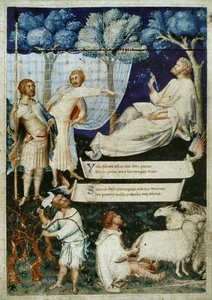
シモーヌ・マルティニ
1284 - 1344 , イタリア
基本情報
- Artistic Movement Or Style: 国際ゴシック美術
- Artists Or Movements Influenced By This Artist: ['国際ゴシックスタイル']
- Artists Who Influenced This Artist:
- ドゥオーチェ・ディ・ブオニンセグナ
- ジョット
- Date Of Death: 1344年
- Full Name: Simone Martini
- Nationality: イタリア人
- Notable Artworks: ['聖ルイのロバート王擁立']
- Place Of Birth: シエナ、イタリア
関連記事
Simone Martini: Innovation, Spirituality & Courtly Refinement in Sienese Painting
Explore the captivating world of Simone Martini, a pivotal figure in Sienese painting & the International Gothic style. Discover his innovative techniques, spiritual depth, and lasting influence on early Renaissance art.

エル・グレコの傑作25選:魂を揺さぶる宗教画と芸術の深淵 | ArtsDot
エル・グレコの傑作25選:魂を揺さぶる宗教画の世界へ。スペイン絵画の巨匠、マニエリスム様式と Toledo の光彩を紐解きます。ArtsDot.com で名画のアートプリントや複製画をお楽しみください。コレクションはこちら →

Morris Louis: Pioneering Color Field Painting & Abstract Expressionism's Legacy
Explore the groundbreaking abstract expressionism of Morris Louis, a pioneer of Color Field painting. Discover his innovative techniques, influential series & lasting legacy in post-war American art. Learn more at ArtsDot.
Simon Vouet: A Baroque Master's Journey from Italian Influence to French Classicism
Explore the life & art of Simon Vouet, a pivotal French Baroque painter who introduced Italian styles to France. Discover his masterpieces and lasting influence on 17th-century art.
Anne-Louis Girodet: Bridging Neoclassicism & Romanticism with Emotional Truth
Explore the captivating world of Anne-Louis Girodet, a pivotal figure bridging Neoclassicism & Romanticism. Discover his masterpieces and unique artistic vision with ArtsDot.