 プレビュー
プレビュー
 プリントを購入
 シェアする
シェアする シェアする
シェアする
 詳細を見る
詳細を見る

 ダウンロード
 似ている作品
 X線調査
X線調査 スライドショー
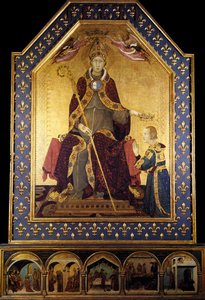
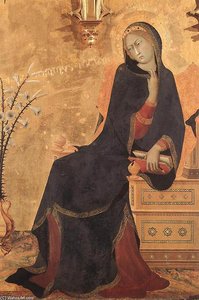
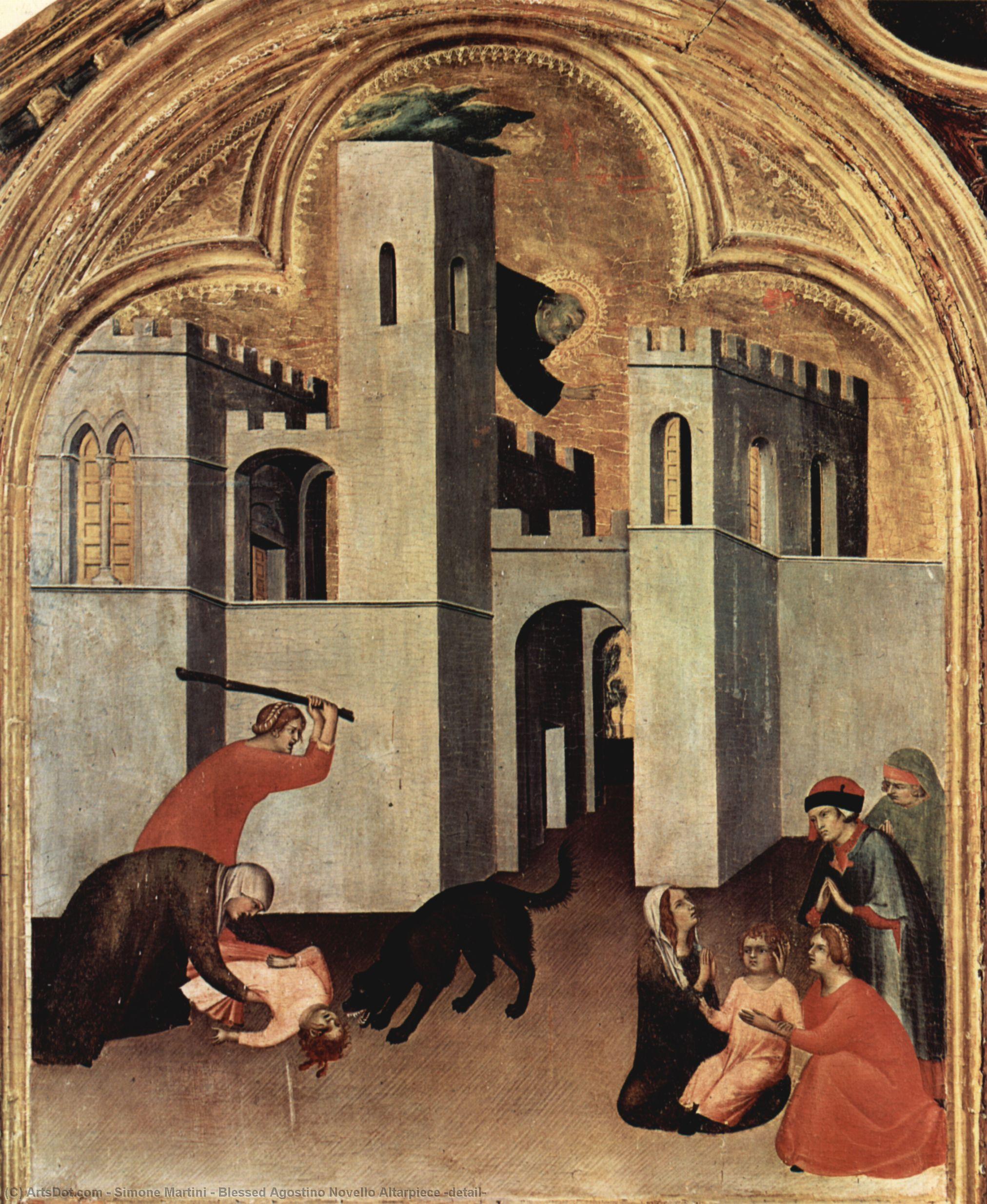
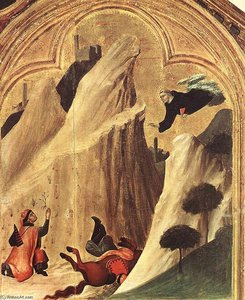
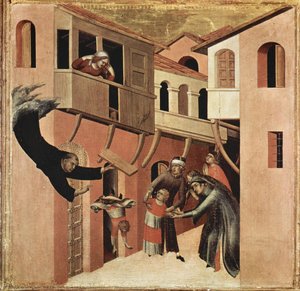
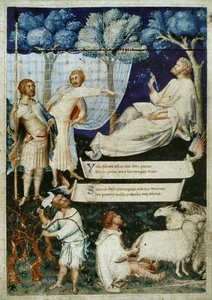
Blessed Agostino Novello Altarpiece (detail)
 Acrylic On Canvas
- WallArt
- Early Renaissance Religious
 1324
1324- Renaissance
 82.0 x 67.0 cm
 Pinacoteca Nazionale
 詳細を見る
詳細を見る




P118B $10

P118H $10

P118W $10

P438Z $10

P508JH $12

P508YH $12

P805H $10

P805Z $10

P919BZ $10

P919G $10

P919XJ $10

P959ZH $10

P968JZ $12

W106C $8

W218G $10

W218JH $8

W218Y $10

W307PJ $10

W316G $10

W316PJ $8

W316Y $10

W398PJ $8

W4111J $10

W500HY $15

W500JH $15

W692G $12

W849H $8

W940BG $15

W953PJ $8




作品のオリジナル比率に合わせた、当店の規定サイズからお選びください。

特定のフレームやスペースに合わせて、ご希望のサイズをご入力いただけます。選択されたサイズが元の画像の比率と異なる場合、アートワークをトリミングするか、手描きで要素を追加して絵画を拡張いたします。デジタルモックアップ を制作し、制作開始前にご確認(承認)をいただきます。
画面上のプレビューは、実際のトリミングや拡張を正確に反映しているものではありません。最終的な構図は、モックアップによってのみ正確にご確認いただけます。
カスタムサイズもご利用いただけますが、元の比率を維持するためには、あらかじめ用意されたリストからサイズを選択することをお勧めいたします。
ご注文後、ArtsDot.com チームより詳細な指示をお送りするとともに、仕上がりイメージ(モックアップ)をご提供いたします。


 ガラスオプションは、110cm未満のサイズでのみご利用いただけます。

Blessed Agostino Novello Altarpiece (detail)
複製技法
複製画のサイズ
-


合計金額
$ 263
作品解説
Subject and Narrative Depth
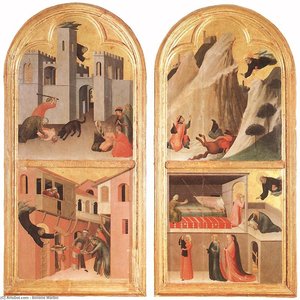
This exquisite altarpiece captures a profound religious scene imbued with moral symbolism and spiritual reflection. Set within a meticulously detailed architectural framework, the composition depicts a moment of divine judgment or moral choice, featuring figures engaged in acts of mercy, prayer, and supplication. The celestial figure above, possibly an angel or divine messenger, oversees the scene, emphasizing the divine oversight and moral significance. Symbolic elements such as the black dog, representing temptation or evil, and the gestures of humility and penitence, invite viewers to contemplate themes of virtue, sin, and redemption. This narrative-driven artwork offers a window into medieval spiritual life, inspiring reflection on divine justice and human virtue.Artistic Style and Technique
Created in 1324, this work exemplifies early Renaissance religious art with its balanced yet dynamic composition. The artist employs tempera or early oil paints on wood, achieving fine detail and subtle shading through meticulous brushwork. The use of geometric architectural forms—arches, towers, and rectangles—provides a stable framework that guides the viewer’s eye toward the central figures. Organic curves of the human figures contrast with the rigid architecture, adding a sense of life and movement. The subdued yet rich color palette, dominated by earthy ochres, browns, and muted reds, enhances the contemplative mood, while the precise lines and textures evoke a tactile sense of stone, plaster, and fabric.Historical Context and Artistic Significance
Produced during the early 14th century, this altarpiece reflects the transition from medieval to early Renaissance artistic ideals. It embodies the spiritual and moral concerns of its time, emphasizing clarity, symbolism, and narrative clarity. The work is characteristic of the Sienese school, influenced by the Gothic style but beginning to explore more naturalistic forms and emotional expression. Its detailed storytelling and symbolic richness make it a valuable example of the period’s devotion to religious themes, serving both as a devotional object and a didactic tool for moral instruction.Symbolism and Emotional Impact
Every element in this piece is carefully chosen to evoke emotional and spiritual reflection. The celestial figure above signifies divine oversight, while the figures below embody human virtues and vices. The act of prayer, mercy, and penitence depicted invites viewers to connect personally with the moral message. The somber color palette and detailed textures evoke a contemplative mood, encouraging viewers to ponder their own moral choices and spiritual journey. This artwork’s emotional depth and symbolic complexity make it a compelling centerpiece for any collection or interior space seeking to inspire reflection and reverence.Perfect for Collection and Interior Design
This high-quality reproduction offers art lovers, collectors, and interior designers an opportunity to bring a piece of early Renaissance spirituality into their space. Its timeless subject matter and masterful execution make it an ideal focal point in a gallery, study, or sophisticated living area. Whether displayed as a standalone masterpiece or part of a curated collection, this altarpiece adds historical depth, artistic beauty, and moral resonance to any environment, inspiring contemplation and admiration for centuries to come.関連作品
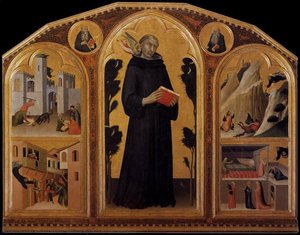
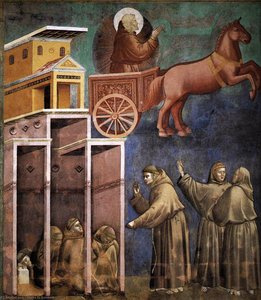
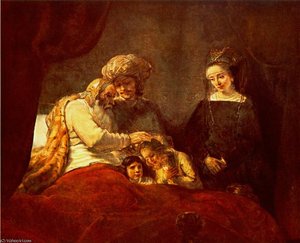
![Legend Of St Francis - [21] - Apparition To Fra Agostino And To Bishop Guido Of Arezzo — ジョット, Proto-renaissance](/media/artworks/images-thumb/8a/06/8a0632ef03ba49f12919faa78718a88b.jpg)
アーティストの略歴
Simone Martini:イタリアの優雅さを紡ぐ芸術家
シモーネ・マルティニは、イタリアで活躍した芸術家でありました。彼は約1284年にシエナで生まれ、ドゥッチョ・ディ・ブオニンセグナの影響を受けながら、シエナにおける美術の中心として独自の道を歩みました。彼の兄弟の妻であるリッポ・メムミとの協力関係は、シエナ美術界をさらに豊かにしました。シエナという都市は、マルティニの美意識を形成する上で重要な役割を果たし、宗教的な信仰と世俗的な洗練さを融合させた環境を提供しました。
国際ゴシック様式への影響
マルティニのスタイルは、フィレンツェのような壮大な形式とは異なり、優雅さと洗練さを特徴としていました。彼は繊細な感覚を追求し、流れるような線と柔らかな装飾的な詳細に注目しました。この美意識は単独で生まれたものではなく、フランスからの芸術潮流の影響を受けていました。特にフランスの写本や象牙彫刻における洗練された優雅さは、マルティニの作品に現れました。彼はこれらのスタイルを模倣するのではなく、既存のシエナ伝統と融合させ、全く新しいものを創造しました。彼の絵画は宗教的な場面を描いたものではなく、感情的な深みと視覚的な詩情が込められた物語でした。
サンフランチェスコ・ダッシにおいて卓越した技術を披露
マルティニの最も重要な業績の一つは、サンフランチェスコ・ダッシで制作されたフレスコ画です。彼はこの作品で国際ゴシック様式の特徴である優雅さと洗練さを表現し、広大な空間に美しい色彩と形状を配置しました。彼の技術は単なる技巧ではなく、当時の美意識に共鳴する視覚的な言語を作り出すことでした。特にサンフランチェスコ・ダッシの聖母マリアフレスコは、マルティニの卓越したフレスコ画技術を示すとともに、宗教的な信仰と芸術的表現を融合させた傑作です。
ペトラルカとの交流と芸術へのインスピレーション
マルティニはイタリア文学の巨匠ペトラルカと深い友情を築き、彼の詩に影響を与えました。ペトラルカとの関係は特に感動的なものであり、マルティニの作品は単なる技術的なスキルだけでなく、美しさやインスピレーションという人間の精神の本質を捉える能力を示しました。彼は国際ゴシック様式の影響を受けながらも、シエナ美術界における独自の道を歩み、芸術家としての地位を高めました。
後世への遺産と永続的な影響
シモーネ・マルティニはイタリア美術の発展に大きな貢献を果たしました。彼は国際ゴシック様式をヨーロッパ大陸に広める上で重要な役割を果たし、そのスタイルは後の世代の芸術家に影響を与え続けました。彼の作品は単なる技術的なスキルではなく、美しさ、優雅さ、そして宗教的な信仰という当時の美意識に共鳴する視覚的な言語を作り出すことでした。マルティニの聖母マリアフレスコは特に優れた技術と美しい色彩で知られ、彼の芸術家としての地位を証明しています。彼はイタリア美術における重要な人物であり続けました。
シモーヌ・マルティニ
1284 - 1344 , イタリア
基本情報
- Artistic Movement Or Style: 国際ゴシック美術
- Artists Or Movements Influenced By This Artist: ['国際ゴシックスタイル']
- Artists Who Influenced This Artist:
- ドゥオーチェ・ディ・ブオニンセグナ
- ジョット
- Date Of Death: 1344年
- Full Name: Simone Martini
- Nationality: イタリア人
- Notable Artworks: ['聖ルイのロバート王擁立']
- Place Of Birth: シエナ、イタリア
関連記事
Sacred Narratives Embodied: A Comprehensive Exploration of Religious Iconography in Art History
Explore the rich history of religious iconography in art! Discover symbolism, movements & masterpieces from Byzantine to Renaissance periods. Expert insights for collectors and enthusiasts at ArtsDot.

Sacred Narratives on Canvas: Exploring Religious Painting Through History
Explore the rich history of religious painting with ArtsDot.com! Discover iconic artworks, symbolism & techniques from antiquity to the Renaissance. Enhance your art appreciation today.

Sacred Narratives on Canvas: Exploring Devotional Imagery Across Art History
Explore the rich history of devotional art! Discover iconic masterpieces, symbolism & techniques from antiquity to the Renaissance. Expert insights for collectors & enthusiasts at ArtsDot.
Illuminating Belief: A Visual Exploration of Faith Across Artistic Movements & Historical Contexts
Explore the rich history of faith through art! Discover Renaissance masterpieces, iconic artists & religious symbolism with expert analysis from ArtsDot. Perfect for collectors and enthusiasts.
Sacred Narratives on Canvas: Exploring Religious Scenes & Their Enduring Influence
Explore the rich history of religious art from Giotto to the Renaissance masters with ArtsDot. Discover symbolism, techniques & enduring legacies. Museum-quality reproductions available.