 シェアする
シェアする シェアする
シェアする
 詳細を見る
詳細を見る

 ダウンロード
 似ている作品
 スライドショー
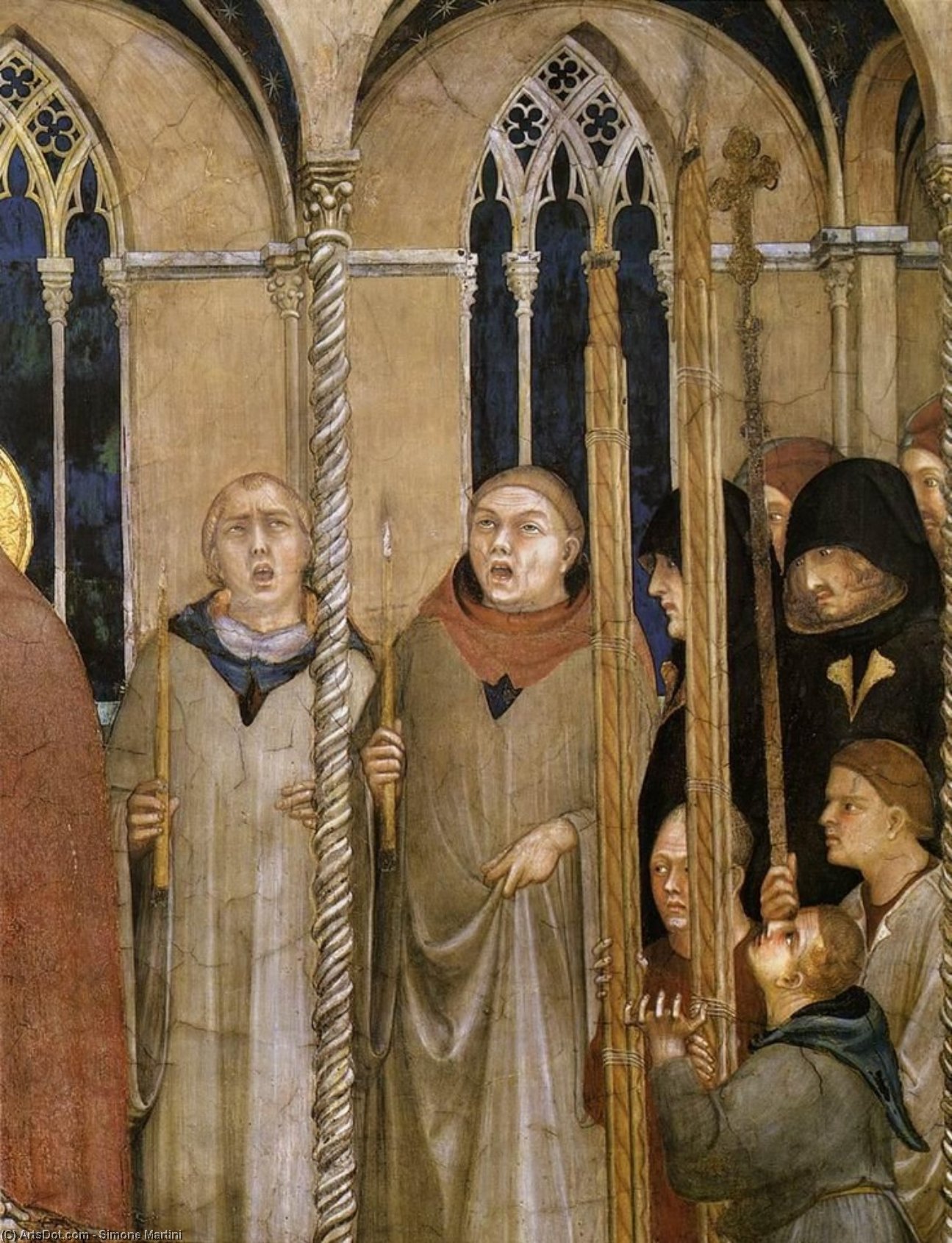
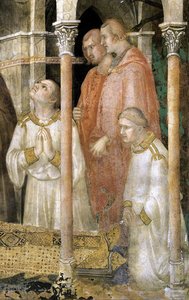
Burial of St Martin (detail)
 フレスコ画
フレスコ画- International Gothic
 1312
1312- Late Medieval
 140.0 x 78.0 cm
 詳細を見る
詳細を見る
ジークレー/アートプリント
迅速な制作と多彩な仕上げオプションを備えた、ミュージアムクオリティのジークレーまたはキャンバスプリント。 ( 手描きの絵画を購入 画像を購入)




































作品のオリジナル比率に合わせた、当店の規定サイズからお選びください。

特定のフレームやスペースに合わせて、ご自身でサイズを指定することも可能です。選択されたサイズが元の画像の比率と一致しない場合、作品をトリミングするか、鏡面反射または単色での塗りつぶしによって画像を拡張いたします。制作を開始する前に、ご確認用のデジタルモックアップをお送りいたします。
画面上のプレビューには、実際のトリミングや拡張は反映されませんのでご注意ください。最終的な構図を正確に確認できるのは、モックアップのみとなります。
カスタムサイズも承っておりますが、元の比率を維持するためには、あらかじめ用意されたリストからサイズを選択することをお勧めいたします。


 ガラスオプションは、110cm未満のサイズでのみご利用いただけます。

Burial of St Martin (detail)
ジークレー/アートプリント
複製画のサイズ
-


合計金額
$ 62
作品詳細説明
A Window into Fourteenth-Century Devotion
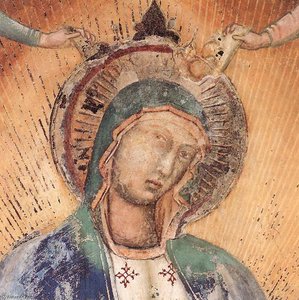
Simone Martini’s *Burial of St. Martin (detail)* isn't merely a fragment of a larger fresco; it is a poignant distillation of faith, grief, and artistic innovation from the dawn of the 14th century. Created in 1312 for the chapel of Saint Martin within the Basilica of San Francesco d’Assisi, this section offers an intimate glimpse into the religious sensibilities that permeated Italy during a period poised between the Gothic tradition and the burgeoning Renaissance. The work embodies the elegance and refined aesthetic of what would become known as International Gothic—a style destined to sweep across Europe, influencing generations of artists with its delicate beauty and courtly grace.The Weight of Loss and Reverence
The scene itself is a deeply moving portrayal of the entombment of Saint Martin of Tours, a bishop revered for his humility and dedication. Though only a portion of the complete narrative survives in this detail, it powerfully conveys the sorrow and reverence felt by those gathered to witness the saint’s final rites. A cluster of monks and religious figures are depicted, their faces etched with expressions of profound loss as they attend to the solemn occasion. Martini masterfully focuses on the emotional core of the event—the shared human experience of mourning and the solace found in faith. The tightly framed composition draws the viewer into this intimate moment, fostering a sense of empathetic connection with those present. It’s not simply an observation of grief; it's an invitation to participate in it.Technique and Artistic Lineage
Martini’s artistic approach represents a fascinating bridge between the late Gothic styles inherited from masters like Duccio di Buoninsegna—with whom he likely trained—and the emerging sensibilities that would characterize the Renaissance. The artist employed *fresco secco*, or “dry fresco,” allowing for subtle color variations and a slightly matte finish that enhances the scene’s somber mood. Notice the remarkable linearity of the work; crisp, defined lines delineate both architectural elements and figures, contributing to a sense of clarity and order. Martini's skill is also evident in his masterful use of layering and *impasto* techniques, creating rich textures in the robes and walls that add depth and visual interest. This attention to detail, combined with elongated figures and refined facial features, exemplifies the elegance that defines Martini’s style. He was a leading figure within the Sienese school of painting, renowned for its emphasis on narrative clarity, emotional expressiveness, and an overall aesthetic refinement. His work also reflects his time as court painter to Robert of Anjou in Naples, further solidifying his reputation and broadening his artistic horizons.Symbolism and Enduring Resonance
Every element within the composition carries symbolic weight, enriching the scene’s meaning beyond its immediate depiction of grief. The robes worn by the figures likely denote their specific monastic orders, signifying devotion and spiritual commitment. The arched interior space—a church or chapel—reinforces the sacredness of the event. The postures of lamentation and prayer, combined with the sorrowful expressions on the faces, evoke a profound sense of religious fervor. Even the earthy color palette—dominated by browns, ochres, and muted reds—contributes to the solemnity and contemplative atmosphere. This detail from *The Burial of Saint Martin* transcends its status as a beautiful image; it stands as a powerful testament to enduring human experiences – faith, loss, remembrance – inviting viewers to contemplate the spiritual significance of death and the comfort found in devotion. It is a work that resonates across centuries, offering both aesthetic pleasure and profound emotional depth, making it an ideal addition for collectors seeking pieces of historical importance or interior designers aiming to create spaces that inspire contemplation and reverence.関連作品
アーティストの略歴
Simone Martini:イタリアの優雅さを紡ぐ芸術家
シモーネ・マルティニは、イタリアで活躍した芸術家でありました。彼は約1284年にシエナで生まれ、ドゥッチョ・ディ・ブオニンセグナの影響を受けながら、シエナにおける美術の中心として独自の道を歩みました。彼の兄弟の妻であるリッポ・メムミとの協力関係は、シエナ美術界をさらに豊かにしました。シエナという都市は、マルティニの美意識を形成する上で重要な役割を果たし、宗教的な信仰と世俗的な洗練さを融合させた環境を提供しました。
国際ゴシック様式への影響
マルティニのスタイルは、フィレンツェのような壮大な形式とは異なり、優雅さと洗練さを特徴としていました。彼は繊細な感覚を追求し、流れるような線と柔らかな装飾的な詳細に注目しました。この美意識は単独で生まれたものではなく、フランスからの芸術潮流の影響を受けていました。特にフランスの写本や象牙彫刻における洗練された優雅さは、マルティニの作品に現れました。彼はこれらのスタイルを模倣するのではなく、既存のシエナ伝統と融合させ、全く新しいものを創造しました。彼の絵画は宗教的な場面を描いたものではなく、感情的な深みと視覚的な詩情が込められた物語でした。
サンフランチェスコ・ダッシにおいて卓越した技術を披露
マルティニの最も重要な業績の一つは、サンフランチェスコ・ダッシで制作されたフレスコ画です。彼はこの作品で国際ゴシック様式の特徴である優雅さと洗練さを表現し、広大な空間に美しい色彩と形状を配置しました。彼の技術は単なる技巧ではなく、当時の美意識に共鳴する視覚的な言語を作り出すことでした。特にサンフランチェスコ・ダッシの聖母マリアフレスコは、マルティニの卓越したフレスコ画技術を示すとともに、宗教的な信仰と芸術的表現を融合させた傑作です。
ペトラルカとの交流と芸術へのインスピレーション
マルティニはイタリア文学の巨匠ペトラルカと深い友情を築き、彼の詩に影響を与えました。ペトラルカとの関係は特に感動的なものであり、マルティニの作品は単なる技術的なスキルだけでなく、美しさやインスピレーションという人間の精神の本質を捉える能力を示しました。彼は国際ゴシック様式の影響を受けながらも、シエナ美術界における独自の道を歩み、芸術家としての地位を高めました。
後世への遺産と永続的な影響
シモーネ・マルティニはイタリア美術の発展に大きな貢献を果たしました。彼は国際ゴシック様式をヨーロッパ大陸に広める上で重要な役割を果たし、そのスタイルは後の世代の芸術家に影響を与え続けました。彼の作品は単なる技術的なスキルではなく、美しさ、優雅さ、そして宗教的な信仰という当時の美意識に共鳴する視覚的な言語を作り出すことでした。マルティニの聖母マリアフレスコは特に優れた技術と美しい色彩で知られ、彼の芸術家としての地位を証明しています。彼はイタリア美術における重要な人物であり続けました。

シモーヌ・マルティニ
1284 - 1344 , イタリア
基本情報
- Artistic Movement Or Style: 国際ゴシック美術
- Artists Or Movements Influenced By This Artist: ['国際ゴシックスタイル']
- Artists Who Influenced This Artist:
- ドゥオーチェ・ディ・ブオニンセグナ
- ジョット
- Date Of Death: 1344年
- Full Name: Simone Martini
- Nationality: イタリア人
- Notable Artworks: ['聖ルイのロバート王擁立']
- Place Of Birth: シエナ、イタリア
関連記事
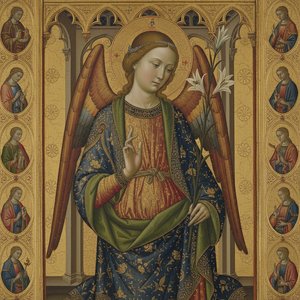
Simone Martini: Innovation, Spirituality & Courtly Refinement in Sienese Painting
Explore the captivating world of Simone Martini, a pivotal figure in Sienese painting & the International Gothic style. Discover his innovative techniques, spiritual depth, and lasting influence on early Renaissance art.
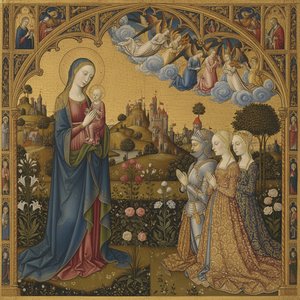
Beyond Borders: The Spiritual & Stylistic Innovations of International Gothic Art
Explore the exquisite beauty & spiritual depth of International Gothic art. Discover key artists like Simone Martini & Pol de Limbourg, its origins, symbolism, and lasting influence on European painting. Expert insights at ArtsDot.

The Radiant Dusk of Medieval Vision: Exploring Late Gothic Art's Synthesis of Faith, Form & Emotionality (c. 1300-1500)
Explore the exquisite beauty & spiritual depth of Late Gothic art (c. 1300-1500). Discover key artists, symbolism, and its lasting influence on the Renaissance. Expert insights at ArtsDot.
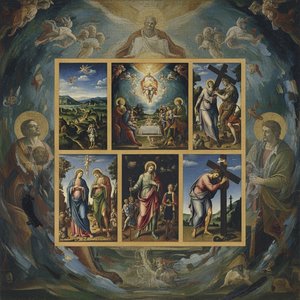
エル・グレコの傑作25選:魂を揺さぶる宗教画と芸術の深淵 | ArtsDot
エル・グレコの傑作25選:魂を揺さぶる宗教画の世界へ。スペイン絵画の巨匠、マニエリスム様式と Toledo の光彩を紐解きます。ArtsDot.com で名画のアートプリントや複製画をお楽しみください。コレクションはこちら →
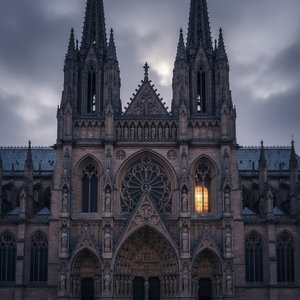
The Shadow of Faith: Exploring Gothic Art's Spiritual Intensity & Architectural Innovation
Explore the spiritual intensity & architectural innovation of Gothic art! Discover the symbolism behind cathedrals, stained glass & master artists like Giotto and Monet. A deep dive into medieval history & artistic expression.