

 プレビュー
プレビュー
 プリントを購入
 シェアする
シェアする シェアする
シェアする
 詳細を見る
詳細を見る

 ダウンロード
 似ている作品
 X線調査
X線調査 スライドショー
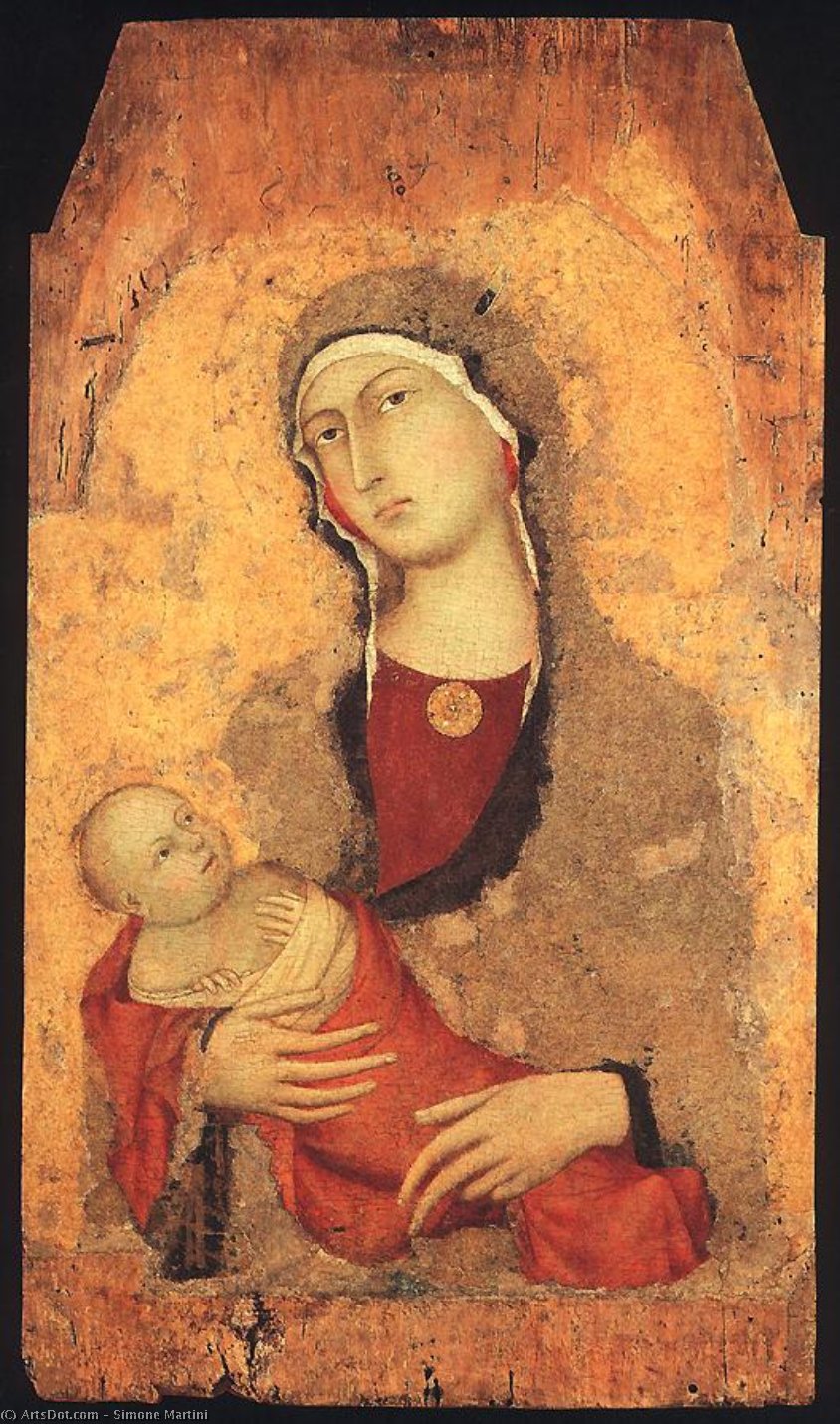
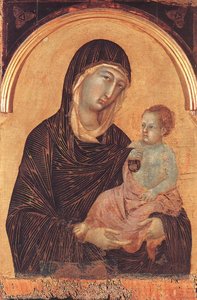
Madonna and Child (from Lucignano d'Arbia)
 Acrylic On Canvas
- WallArt
- Late Medieval Gothic
 1321
1321 88.0 x 51.0 cm
 Pinacoteca Nazionale
 詳細を見る
詳細を見る
オンラインプレビューをはるかに凌ぐ、高解像度で鮮明なデジタル画像をご購入いただけます。
各ファイルは、社内の専門家が高度なツールと熟練した手作業によるレタッチを用いて、細心の注意を払って準備されています。すべての画像において、卓越した鮮明度、正確な色彩再現性、そして繊細なディテールを保証いたします。
最終ファイルは、プロフェッショナルな編集・印刷環境ですぐにご利用いただけるよう最適化された状態で、72時間以内にメールにてお届けいたします。これは、一流のデザインスタジオ、出版社、ギャラリーから信頼されているものと同等の品質です。
デジタル画像のご注文に付随する特典
高品質なデジタル画像配信を、確かな品質で。
ArtsDot.com を選ぶことは、単に画像を手に入れることではありません。それは、プロの手によって精密に仕上げられ、満足保証が付いた高品質なデジタルアートワークを受け取ることを意味します。ご注文いただいた際に自動的に付随する内容は、以下の通りです:

メールですぐにお届け
ご注文から72時間以内に、高解像度のデジタル画像ファイルがメールでお手元に届きます。すぐにそのままご利用いただけます。

AI技術で最適化されたデジタルファイル
お客様の作品は、高度なAIツールと専門家による手作業の編集を組み合わせてプロフェッショナルに最適化されており、細部のディテール、鮮明さ、そして正確な色再現性を最大限に引き出しています。

一生涯無料の再送サービス
ファイルを誤って削除したり、紛失してしまったりしましたか?ご安心ください。いつでも無料で再送いたします。

輸入手数料は一切かかりません
関税や手数料、配送料を気にすることなく、お気に入りのアートワークをすぐにお楽しみいただけます。デジタルダウンロードは常に免税です。

色彩再現の保証
プロ仕様のツールとカラーマネジメント技術を用いることで、デジタル画像が元の色を最大限に忠実に再現することを保証いたします。

60日間満足保証
ご購入いただいたデジタル画像にご満足いただけない場合は、60日以内であれば、修正または100%の返金(理由を問う必要はありません)をさせていただきます。

100% 返金保証
ご満足いただけない場合は、デジタルファイルを受け取ってから60日以内であれば、理由を問わず全額返金いたします。

まとめ買い割引
3枚購入で10%OFF - 5枚購入で15%OFF - 10枚以上購入で20%OFF。クリエイティブなプロジェクト、ギャラリー、エージェンシーに最適です。
作品の詳細
A Moment Frozen in Grace: Simone Martini’s “Madonna and Child (from Lucignano d'Arbia)”
The year is 1321, and within the burgeoning artistic landscape of Siena, Italy, a master craftsman named Simone Martini was meticulously bringing to life an image that would resonate through the centuries – "Madonna and Child (from Lucignano d’Arbia)." This isn’t merely a depiction of Mary cradling her infant son; it's a profound meditation on faith, motherhood, and the delicate balance between earthly beauty and divine grace. Martini, born in 1284, was a pivotal figure bridging the medieval and Renaissance periods, and this painting exemplifies his signature style: an exquisite blend of elegance, meticulous detail, and a deeply felt spirituality.
The scene unfolds with breathtaking clarity. Mary, rendered with a serene dignity, holds the Christ Child close to her breast. Her posture is remarkably naturalistic for its time – not stiff or idealized, but imbued with a gentle warmth that invites immediate connection. The red of her gown and the baby’s clothing draws the eye, creating a vibrant focal point against the muted tones of the wooden backdrop, likely representing the chapel where the painting originated. Martini's use of color is masterful; he employs rich pigments to create depth and luminosity, particularly in the folds of Mary’s robe and the soft glow surrounding the infant Jesus.
The Language of Line and Detail: Martini’s Technique
Martini’s technical prowess is immediately apparent. He was renowned for his incredibly detailed rendering of fabrics – a hallmark of Sienese painting during this period. Observe closely the intricate patterns woven into Mary's dress, the delicate folds of her sleeves, and the subtle textures of the baby’s garments. This painstaking attention to detail wasn’t simply decorative; it served to elevate the image, imbuing it with a sense of luxuriousness and preciousness. His mastery of line is equally striking – each contour meticulously drawn, creating a sense of three-dimensionality that pulls the viewer into the scene. The use of *grisaille*, or monochrome underpainting, would have allowed him to establish values and forms before applying color, ensuring a harmonious balance within the composition.
- Line Weight Variation: Notice how Martini uses thicker lines for outlines and contours, particularly in the figures’ drapery, creating a sense of solidity and presence.
- Color Palette: The painting relies on a restrained yet sophisticated palette – predominantly reds, blues, and browns – accented by gold leaf highlights that draw attention to key elements like Mary's halo and the infant Jesus’ face.
- Perspective: While not employing linear perspective in the Renaissance sense, Martini skillfully creates depth through careful placement of figures and the use of atmospheric shading.
Symbolism Woven into the Fabric
Beyond its aesthetic beauty, “Madonna and Child” is rich with symbolic meaning. The red garments traditionally symbolize royalty and sacrifice – referencing both Mary’s role as Queen of Heaven and Christ's future crucifixion. The halo above Mary’s head signifies her divine status and purity. The wooden background, a common feature in Sienese devotional paintings, represents the earthly realm from which the sacred is revealed. The pose itself—Mary nursing the infant—is deeply rooted in biblical imagery, evoking the story of Eve and the Garden of Eden, subtly suggesting Mary’s role as the Mother of Humanity and the antidote to original sin.
A Timeless Expression of Devotion: Emotional Impact
Despite its age, “Madonna and Child (from Lucignano d’Arbia)” retains a remarkable emotional resonance. The painting doesn't preach or impose; it simply offers a quiet moment of contemplation – a glimpse into the intimate bond between mother and child, imbued with spiritual significance. It speaks to universal themes of love, faith, and hope, inviting viewers to connect with the image on a deeply personal level. A reproduction captures this essence beautifully, allowing you to bring this timeless expression of devotion into your home or office – a testament to Martini’s enduring legacy as one of the greatest artists of the Middle Ages.
関連作品

作家の略歴
Simone Martini:イタリアの優雅さを紡ぐ芸術家
シモーネ・マルティニは、イタリアで活躍した芸術家でありました。彼は約1284年にシエナで生まれ、ドゥッチョ・ディ・ブオニンセグナの影響を受けながら、シエナにおける美術の中心として独自の道を歩みました。彼の兄弟の妻であるリッポ・メムミとの協力関係は、シエナ美術界をさらに豊かにしました。シエナという都市は、マルティニの美意識を形成する上で重要な役割を果たし、宗教的な信仰と世俗的な洗練さを融合させた環境を提供しました。
国際ゴシック様式への影響
マルティニのスタイルは、フィレンツェのような壮大な形式とは異なり、優雅さと洗練さを特徴としていました。彼は繊細な感覚を追求し、流れるような線と柔らかな装飾的な詳細に注目しました。この美意識は単独で生まれたものではなく、フランスからの芸術潮流の影響を受けていました。特にフランスの写本や象牙彫刻における洗練された優雅さは、マルティニの作品に現れました。彼はこれらのスタイルを模倣するのではなく、既存のシエナ伝統と融合させ、全く新しいものを創造しました。彼の絵画は宗教的な場面を描いたものではなく、感情的な深みと視覚的な詩情が込められた物語でした。
サンフランチェスコ・ダッシにおいて卓越した技術を披露
マルティニの最も重要な業績の一つは、サンフランチェスコ・ダッシで制作されたフレスコ画です。彼はこの作品で国際ゴシック様式の特徴である優雅さと洗練さを表現し、広大な空間に美しい色彩と形状を配置しました。彼の技術は単なる技巧ではなく、当時の美意識に共鳴する視覚的な言語を作り出すことでした。特にサンフランチェスコ・ダッシの聖母マリアフレスコは、マルティニの卓越したフレスコ画技術を示すとともに、宗教的な信仰と芸術的表現を融合させた傑作です。
ペトラルカとの交流と芸術へのインスピレーション
マルティニはイタリア文学の巨匠ペトラルカと深い友情を築き、彼の詩に影響を与えました。ペトラルカとの関係は特に感動的なものであり、マルティニの作品は単なる技術的なスキルだけでなく、美しさやインスピレーションという人間の精神の本質を捉える能力を示しました。彼は国際ゴシック様式の影響を受けながらも、シエナ美術界における独自の道を歩み、芸術家としての地位を高めました。
後世への遺産と永続的な影響
シモーネ・マルティニはイタリア美術の発展に大きな貢献を果たしました。彼は国際ゴシック様式をヨーロッパ大陸に広める上で重要な役割を果たし、そのスタイルは後の世代の芸術家に影響を与え続けました。彼の作品は単なる技術的なスキルではなく、美しさ、優雅さ、そして宗教的な信仰という当時の美意識に共鳴する視覚的な言語を作り出すことでした。マルティニの聖母マリアフレスコは特に優れた技術と美しい色彩で知られ、彼の芸術家としての地位を証明しています。彼はイタリア美術における重要な人物であり続けました。

シモーヌ・マルティニ
1284 - 1344 , イタリア
プロフィール概要
- Artistic Movement Or Style: 国際ゴシック美術
- Artists Or Movements Influenced By This Artist: ['国際ゴシックスタイル']
- Artists Who Influenced This Artist:
- ドゥオーチェ・ディ・ブオニンセグナ
- ジョット
- Date Of Death: 1344年
- Full Name: Simone Martini
- Nationality: イタリア人
- Notable Artworks: ['聖ルイのロバート王擁立']
- Place Of Birth: シエナ、イタリア

