 シェアする
シェアする シェアする
シェアする
 詳細を見る
詳細を見る

 ダウンロード
 似ている作品
 スライドショー
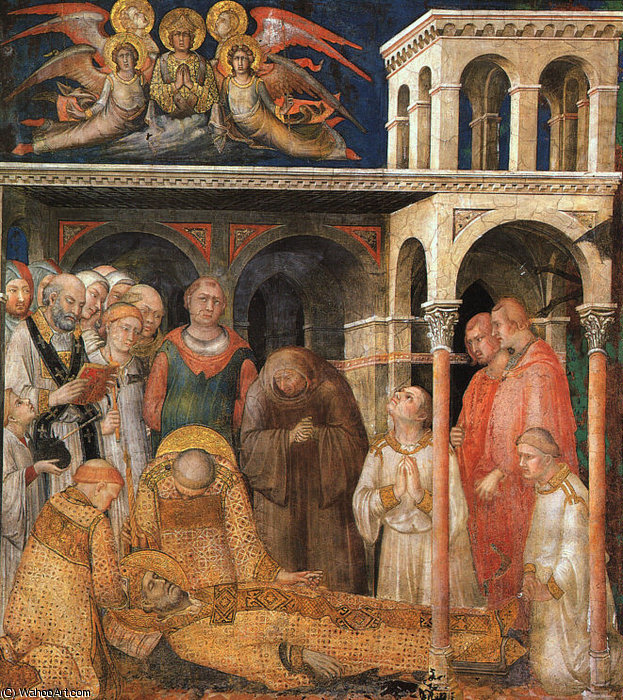
The Death of St. Martin, approx. 1321, fresco, Lower


 詳細を見る
詳細を見る
ジークレー/アートプリント
迅速な制作と多彩な仕上げオプションを備えた、ミュージアムクオリティのジークレーまたはキャンバスプリント。 ( 手描きの絵画を購入 画像を購入)




































作品のオリジナル比率に合わせた、当店の規定サイズからお選びください。

特定のフレームやスペースに合わせて、ご自身でサイズを指定することも可能です。選択されたサイズが元の画像の比率と一致しない場合、作品をトリミングするか、鏡面反射または単色での塗りつぶしによって画像を拡張いたします。制作を開始する前に、ご確認用のデジタルモックアップをお送りいたします。
画面上のプレビューには、実際のトリミングや拡張は反映されませんのでご注意ください。最終的な構図を正確に確認できるのは、モックアップのみとなります。
カスタムサイズも承っておりますが、元の比率を維持するためには、あらかじめ用意されたリストからサイズを選択することをお勧めいたします。


 ガラスオプションは、110cm未満のサイズでのみご利用いただけます。

The Death of St. Martin, approx. 1321, fresco, Lower
ジークレー/アートプリント
複製画のサイズ
-


合計金額
$ 62
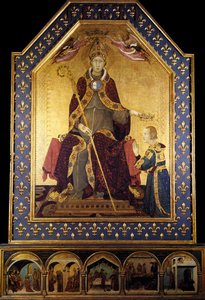
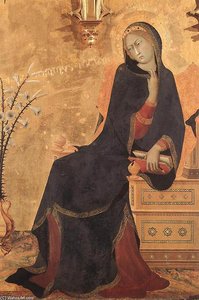
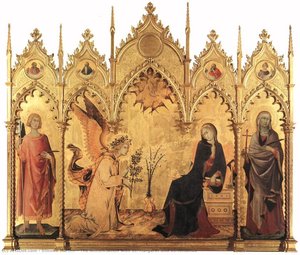
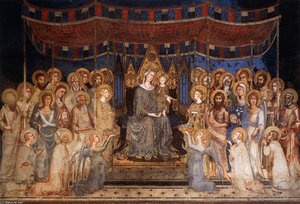
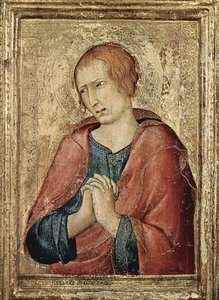
A Scene of Devotion: Simone Martini’s *The Death of St. Martin* (c. 1321)
This exquisite fresco fragment, *The Death of St. Martin*, by the Sienese master Simone Martini, offers a captivating glimpse into the evolving artistic landscape of early 14th-century Italy. Painted around 1321, this work is not merely a religious depiction; it’s a testament to Martini's skill in blending Byzantine elegance with burgeoning Renaissance naturalism – characteristics that define the International Gothic style he so powerfully influenced.Subject and Narrative
The scene portrays the poignant moment surrounding the death of St. Martin of Tours, a 4th-century bishop renowned for his humility and compassion. While often depicted as a solitary figure sharing his cloak with a beggar, Martini focuses on the aftermath – the solemn gathering around his bier. The composition isn’t a literal depiction of his passing but rather a carefully orchestrated scene of mourning and reverence. We see clergy, monks, and angelic figures attending to the saint's body, creating an atmosphere charged with grief and spiritual significance.Style & Technique: A Bridge Between Worlds
Martini’s style is immediately recognizable for its refined elegance and decorative quality. He skillfully balances the flattened perspective and symbolic representation characteristic of Byzantine art with a growing interest in naturalism – evident in the attempts to render drapery folds and facial expressions with greater realism. The fresco technique itself, applying pigment to wet plaster, demanded precision and speed. Martini masterfully employed tempera paint alongside shimmering gold leaf, enhancing the luminosity and richness of the scene. Notice how the gold bier elevates St. Martin’s body, symbolizing his sanctity. The use of line is particularly striking, defining architectural elements and figures with graceful contours.Historical Context & Artistic Innovation
Simone Martini (c. 1284-1344) was a pivotal figure in Sienese painting, likely trained initially under the influence of Duccio di Buoninsegna. However, he quickly developed his own distinctive style, moving away from Duccio’s more conservative approach and embracing a greater degree of elegance and sophistication. Martini's work coincided with a period of significant cultural change – a transition between the medieval and Renaissance eras. He served as court painter to Robert of Anjou in Naples, exposing him to new artistic influences and further solidifying his reputation throughout Italy. His influence extended beyond painting, impacting manuscript illumination and other decorative arts.Symbolism & Emotional Resonance
Every element within the fresco carries symbolic weight. The angels represent divine presence and consolation, while the grieving figures embody human sorrow and faith. The architectural setting – a portico with arches – provides a sense of sacred space. The rich color palette—deep reds, blues, browns, and golds—is not merely decorative; it’s imbued with religious meaning. Red symbolizes passion and sacrifice, blue represents heaven and divinity, and gold signifies the divine light and eternal glory. The overall effect is one of profound solemnity and spiritual contemplation.For Collectors & Designers
*The Death of St. Martin* offers a compelling subject for both art collectors and interior designers. Its rich colors and elegant composition lend themselves beautifully to a variety of settings, from traditional to contemporary spaces. A high-quality reproduction captures the emotional depth and artistic mastery of Martini’s original work, providing a timeless focal point that invites reflection and appreciation.- Ideal for: Libraries, studies, dining rooms, or contemplative spaces.
- Complements: Antique furniture, rich textiles, and warm lighting.
- Evokes: A sense of history, spirituality, and artistic refinement.
関連作品
アーティストの略歴
Simone Martini:イタリアの優雅さを紡ぐ芸術家
シモーネ・マルティニは、イタリアで活躍した芸術家でありました。彼は約1284年にシエナで生まれ、ドゥッチョ・ディ・ブオニンセグナの影響を受けながら、シエナにおける美術の中心として独自の道を歩みました。彼の兄弟の妻であるリッポ・メムミとの協力関係は、シエナ美術界をさらに豊かにしました。シエナという都市は、マルティニの美意識を形成する上で重要な役割を果たし、宗教的な信仰と世俗的な洗練さを融合させた環境を提供しました。
国際ゴシック様式への影響
マルティニのスタイルは、フィレンツェのような壮大な形式とは異なり、優雅さと洗練さを特徴としていました。彼は繊細な感覚を追求し、流れるような線と柔らかな装飾的な詳細に注目しました。この美意識は単独で生まれたものではなく、フランスからの芸術潮流の影響を受けていました。特にフランスの写本や象牙彫刻における洗練された優雅さは、マルティニの作品に現れました。彼はこれらのスタイルを模倣するのではなく、既存のシエナ伝統と融合させ、全く新しいものを創造しました。彼の絵画は宗教的な場面を描いたものではなく、感情的な深みと視覚的な詩情が込められた物語でした。
サンフランチェスコ・ダッシにおいて卓越した技術を披露
マルティニの最も重要な業績の一つは、サンフランチェスコ・ダッシで制作されたフレスコ画です。彼はこの作品で国際ゴシック様式の特徴である優雅さと洗練さを表現し、広大な空間に美しい色彩と形状を配置しました。彼の技術は単なる技巧ではなく、当時の美意識に共鳴する視覚的な言語を作り出すことでした。特にサンフランチェスコ・ダッシの聖母マリアフレスコは、マルティニの卓越したフレスコ画技術を示すとともに、宗教的な信仰と芸術的表現を融合させた傑作です。
ペトラルカとの交流と芸術へのインスピレーション
マルティニはイタリア文学の巨匠ペトラルカと深い友情を築き、彼の詩に影響を与えました。ペトラルカとの関係は特に感動的なものであり、マルティニの作品は単なる技術的なスキルだけでなく、美しさやインスピレーションという人間の精神の本質を捉える能力を示しました。彼は国際ゴシック様式の影響を受けながらも、シエナ美術界における独自の道を歩み、芸術家としての地位を高めました。
後世への遺産と永続的な影響
シモーネ・マルティニはイタリア美術の発展に大きな貢献を果たしました。彼は国際ゴシック様式をヨーロッパ大陸に広める上で重要な役割を果たし、そのスタイルは後の世代の芸術家に影響を与え続けました。彼の作品は単なる技術的なスキルではなく、美しさ、優雅さ、そして宗教的な信仰という当時の美意識に共鳴する視覚的な言語を作り出すことでした。マルティニの聖母マリアフレスコは特に優れた技術と美しい色彩で知られ、彼の芸術家としての地位を証明しています。彼はイタリア美術における重要な人物であり続けました。
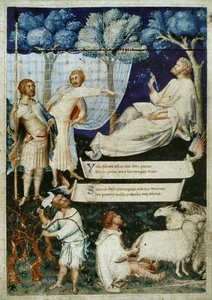
シモーヌ・マルティニ
1284 - 1344 , イタリア
基本情報
- Artistic Movement Or Style: 国際ゴシック美術
- Artists Or Movements Influenced By This Artist: ['国際ゴシックスタイル']
- Artists Who Influenced This Artist:
- ドゥオーチェ・ディ・ブオニンセグナ
- ジョット
- Date Of Death: 1344年
- Full Name: Simone Martini
- Nationality: イタリア人
- Notable Artworks: ['聖ルイのロバート王擁立']
- Place Of Birth: シエナ、イタリア
関連記事

家族の遺産を壁画で彩る:伝統技法が紡ぐ、時を超越する美と記憶
古代から現代までの壁画の歴史と技法を解説。日本の壁画文化やカスタムオーダーによる家族の遺産表現、保存・修復技術まで網羅。専門家が時を超越する美と記憶を紡ぐ芸術的価値をご案内します。
Simone Martini: Innovation, Spirituality & Courtly Refinement in Sienese Painting
Explore the captivating world of Simone Martini, a pivotal figure in Sienese painting & the International Gothic style. Discover his innovative techniques, spiritual depth, and lasting influence on early Renaissance art.

The Enduring Legacy of Fresco Painting: Techniques, History & Contemporary Relevance
Explore the rich history & enduring artistry of fresco painting – from Giotto to Michelangelo! Discover techniques, conservation efforts, & modern applications. Learn how ArtsDot brings this timeless art form to your home.

The Enduring Legacy of Fresco: Technique, History & Artistic Expression Across Cultures
Explore the rich history & enduring legacy of fresco painting! Discover ancient techniques, Giotto's masterpieces, and modern applications. Expert insights for art lovers & professionals.

ジョット・ディ・ボンドーネ:至高の25選 - ルネサンスの夜明けを彩る傑作たち | ArtsDot
ジョット・ディ・ボンドーネの至高の25選。ルネサンス美術を牽引した巨匠の傑作と、その感動的な物語を紐解きます。高品質な絵画複製やインテリアアートで、名画の世界をあなたの空間に。ArtsDot.com でコレクションをご覧ください。