

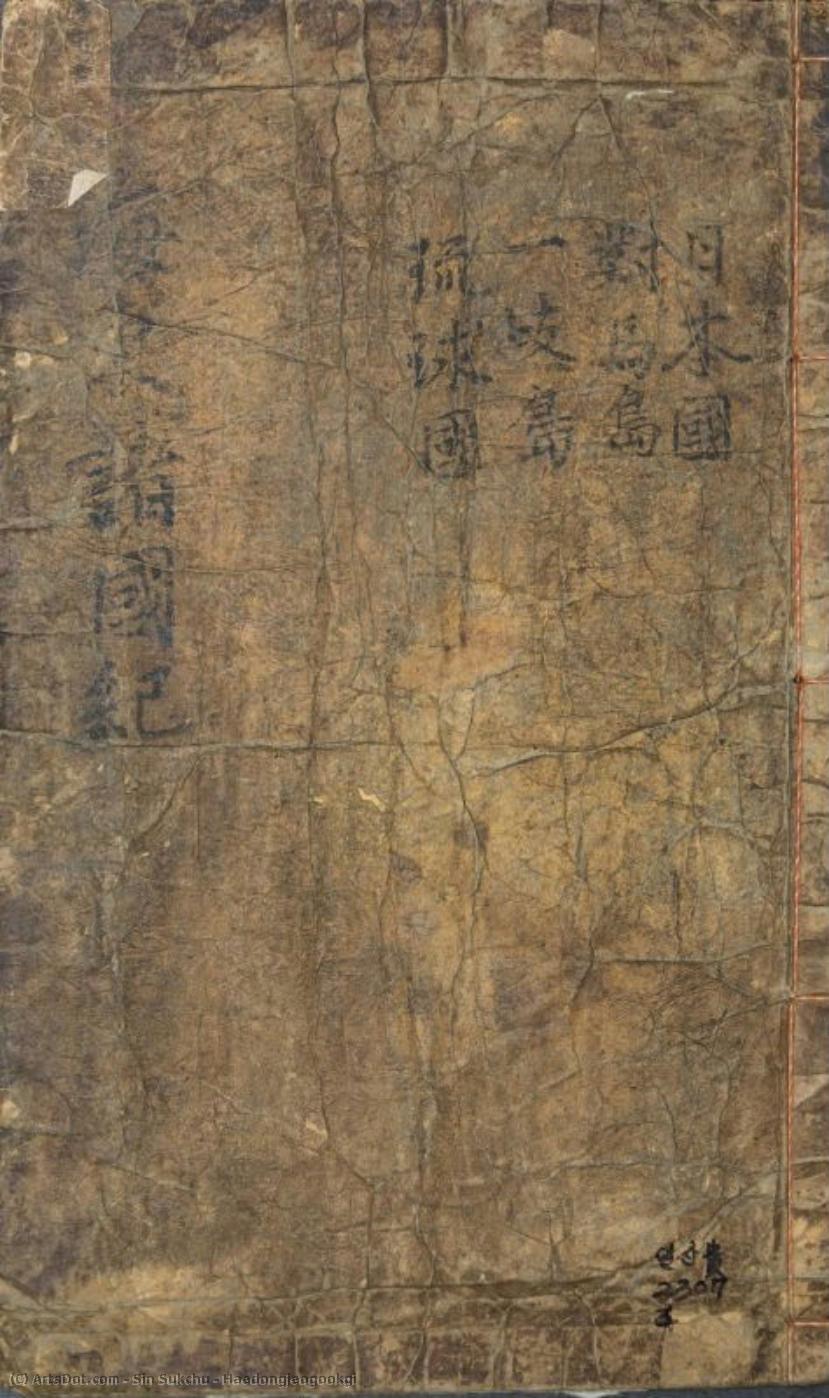
 プレビュー
プレビュー
 シェアする
シェアする シェアする
シェアする
 詳細を見る
詳細を見る

 ダウンロード
 似ている作品
 X線調査
X線調査 スライドショー
 統計情報
統計情報Haedongjeogookgi
 22.0 x 36.0 cm
 韓国国立中央図書館
 詳細を見る
詳細を見る
ジークレー/アートプリント
迅速な制作と多彩な仕上げオプションを備えた、ミュージアムクオリティのジークレーまたはキャンバスプリント。 ( 手描きの絵画を購入 デジタル画像販売へ切り替え)




































作品のオリジナル比率に合わせた、当店の規定サイズからお選びください。

特定のフレームやスペースに合わせて、ご自身でサイズを指定することも可能です。選択されたサイズが元の画像の比率と一致しない場合、作品をトリミングするか、鏡面反射または単色での塗りつぶしによって画像を拡張いたします。制作を開始する前に、ご確認用のデジタルモックアップをお送りいたします。
画面上のプレビューには、実際のトリミングや拡張は反映されませんのでご注意ください。最終的な構図を正確に確認できるのは、モックアップのみとなります。
カスタムサイズも承っておりますが、元の比率を維持するためには、あらかじめ用意されたリストからサイズを選択することをお勧めいたします。


 ガラスオプションは、110cm未満のサイズでのみご利用いただけます。

Haedongjeogookgi
ジークレー/アートプリント
複製画のサイズ
-


合計金額
$ 62
関連作品








アーティストの略歴
Sin Sukchu: Bridging Chinese Scholarship and Joseon Dynasty Culture
Sin Sukchu (신숙주; Hanja: 申叔舟; August 2, 1417 – July 23, 1475) stands as a pivotal figure in Korean art history—specifically recognized for his monumental work, *Haedongjeogookgi*, which cemented his legacy as a diplomat, scholar, and arguably the most influential linguist of his era. Born in Goryeong-si, South Korea, he ascended to prominence during the Joseon Dynasty (1392–1910), serving as Prime Minister from 1461 to 1466 and again from 1471 to 1475—positions that underscored his considerable political acumen. His lineage traced back to the Goryeong Shin clan, a family known for its dedication to education and intellectual pursuits.- Early Life & Education: Sin Sukchu’s formative years were marked by an unparalleled immersion in Chinese scholarship. Recognizing the importance of mastering classical texts for governance and diplomacy, he diligently studied Confucian classics and excelled in calligraphy—skills that would serve him faithfully throughout his life. This profound understanding of Chinese thought profoundly shaped his worldview and informed his artistic sensibilities.
- The Creation of Haedongjeogookgi: Sin Sukchu’s most enduring contribution to Korean art is undoubtedly *Haedongjeogookgi* (해동지옥기), a comprehensive treatise on Korean geography, history, and culture. Commissioned by King Sejong the Great—the visionary ruler who spearheaded the creation of Hangul—this monumental work represents an unprecedented effort to synthesize Chinese scholarship with indigenous Korean knowledge.
Haedongjeogookgi: A Synthesis of Tradition
The *Haedongjeogookgi* wasn’t merely a geographical survey; it was a deliberate attempt to establish Korea's intellectual standing on the global stage. Prior to Sejong’s reign, Korean scholarship largely relied on translations from Chinese texts—a system that inherently favored Confucian interpretations of history and cosmology. Sin Sukchu recognized this limitation and championed the adoption of Hangul—the Korean alphabet—as a tool for disseminating knowledge and fostering national unity.
- Hangul’s Significance: Before Hangul, Koreans utilized Chinese characters (Hanja) to represent their language—a cumbersome system that hindered literacy and limited access to scholarly discourse. Sin Sukchu fervently advocated for Hangul's implementation, arguing that it would liberate Korean intellectuals from the constraints of Hanja and empower them to engage in more nuanced discussions about Korean identity.
The Role of Patronage & Artistic Influences
Sin Sukchu’s influence extended beyond scholarly pursuits into the realm of artistic patronage. He actively supported artists affiliated with the Royal Bureau of Painting—a government agency tasked with producing official portraits and disseminating cultural knowledge. This support fostered a vibrant artistic environment characterized by adherence to established conventions while simultaneously embracing innovation.
- Portrait Conventions: Joseon Dynasty portraiture adhered to strict stylistic guidelines designed to convey honorific status and demonstrate loyalty to the king. Artists meticulously crafted images of officials seated in full-length poses—often with heads turned slightly—employing precise lines and subtle gradations of color to capture likeness and symbolic meaning.
Legacy & Historical Significance
Sin Sukchu’s unwavering commitment to education, his advocacy for Hangul, and his patronage of the arts solidified his place as a transformative figure in Korean history. *Haedongjeogookgi* stands as a testament to his intellectual brilliance—a groundbreaking achievement that reshaped Korea's understanding of its own past and future. His legacy continues to inspire scholars and artists alike, reminding us of the enduring power of knowledge and cultural exchange.
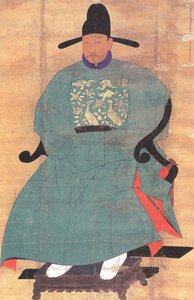
sin sukchu
1417 - 1475 , South Korea
基本情報
- Artistic Movement Or Style: Joseon Dynasty Art
- Artists Or Movements Influenced By This Artist: ['Ming dynasty']
- Artists Who Influenced This Artist: ['Chinese Scholars']
- Date Of Birth: August 2, 1417
- Date Of Death: July 23, 1475
- Full Name: Sin Sukchu
- Nationality: Korean
- Notable Artworks: ['Haedongjeogookgi']
- Place Of Birth: Goryeong-si, South Korea