 プレビュー
プレビュー
 シェアする
シェアする シェアする
シェアする
 詳細を見る
詳細を見る

 ダウンロード
 似ている作品
 X線調査
X線調査 スライドショー
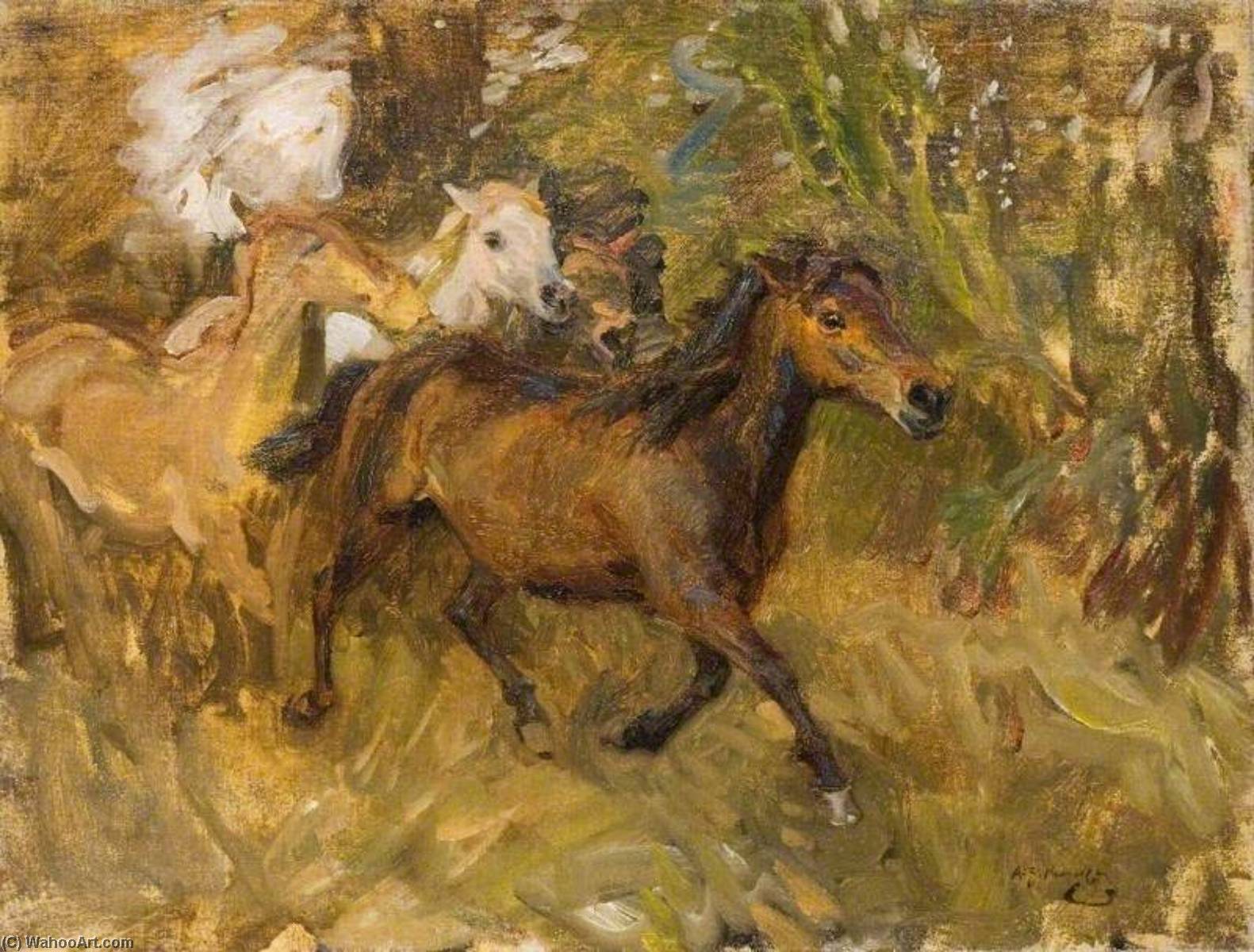
Crossing the Ford
 Oil On Canvas
- WallArt
- Impressionism
 43.0 x 57.0 cm
 The Munnings Art Museum
 詳細を見る
詳細を見る
ジークレー/アートプリント
迅速な制作と多彩な仕上げオプションを備えた、ミュージアムクオリティのジークレーまたはキャンバスプリント。 ( 手描きの絵画を購入 画像を購入)




P118B $10

P118H $10

P118W $10

P438Z $10

P508JH $12

P508YH $12

P805H $10

P805Z $10

P919BZ $10

P919G $10

P919XJ $10

P959ZH $10

P968JZ $12

W106C $8

W218G $10

W218JH $8

W218Y $10

W307PJ $10

W316G $10

W316PJ $8

W316Y $10

W398PJ $8

W4111J $10

W500HY $15

W500JH $15

W692G $12

W849H $8

W940BG $15

W953PJ $8




作品のオリジナル比率に合わせた、当店の規定サイズからお選びください。

特定のフレームやスペースに合わせて、ご自身でサイズを指定することも可能です。選択されたサイズが元の画像の比率と一致しない場合、作品をトリミングするか、鏡面反射または単色での塗りつぶしによって画像を拡張いたします。制作を開始する前に、ご確認用のデジタルモックアップをお送りいたします。
画面上のプレビューには、実際のトリミングや拡張は反映されませんのでご注意ください。最終的な構図を正確に確認できるのは、モックアップのみとなります。
カスタムサイズも承っておりますが、元の比率を維持するためには、あらかじめ用意されたリストからサイズを選択することをお勧めいたします。


 ガラスオプションは、110cm未満のサイズでのみご利用いただけます。

Crossing the Ford
ジークレー/アートプリント
複製画のサイズ
-


合計金額
$ 62
A Moment Frozen in Motion: Munnings’ “Crossing the Ford”
Sir Alfred James Munnings' "Crossing the Ford" isn’t merely a depiction of horses traversing a stream; it’s a vibrant distillation of rural England, a fleeting moment captured with an artist’s profound understanding of light, movement, and the enduring spirit of the countryside. Painted in 1908, this oil on canvas transports us to a world where man and beast are inextricably linked, where the rhythms of daily life are dictated by the seasons and the land itself. Munnings, a master of equine art, wasn’t simply aiming for realism; he sought to evoke the *feeling* of being present in that specific place and time – a romanticized vision of England on the cusp of profound change. The painting's immediate impact lies in its dynamic energy, a sense of forward momentum conveyed through the powerful strides of the horses and the swirling brushstrokes that define the surrounding foliage. It’s a scene brimming with life, yet imbued with a quiet dignity and timelessness.The Impressionistic Palette and Munnings’ Technique
Munnings' distinctive style is immediately recognizable in "Crossing the Ford." He employs an impressionistic approach, prioritizing atmosphere and light over meticulous detail. Thick impasto – layers of paint applied directly to the canvas – creates a tactile surface, lending volume and texture to the horses’ coats and the dense undergrowth. Notice how he uses short, broken brushstrokes to capture the dappled sunlight filtering through the trees, creating an almost shimmering effect. The color palette is rich and earthy—deep greens, browns, and ochres dominate, punctuated by flashes of white in the horses' manes and the occasional burst of brighter hues in the distant landscape. This deliberate use of color isn’t about photographic accuracy; it’s about conveying a specific mood and atmosphere – a golden hour glow that feels both familiar and deeply evocative. The slightly flattened perspective, characteristic of impressionism, further enhances this sense of immediacy, drawing the viewer directly into the scene.A Glimpse into Rural Life and Equestrian Tradition
Understanding "Crossing the Ford" requires appreciating Munnings’ deep connection to British equestrian tradition. He wasn't just an artist; he was a participant in that world – a keen observer of hunting, racing, and rural life. The painting is often interpreted as a celebration of this heritage, a tribute to the vital role horses played in shaping the landscape and the lives of its inhabitants. The presence of the two young men carrying the woman across the ford suggests a courtship ritual, a symbolic journey towards commitment. This detail adds a layer of narrative complexity, inviting us to contemplate themes of choice, destiny, and the enduring bonds between people and animals. The painting also reflects the changing social landscape of Edwardian England, where traditional rural pursuits were increasingly challenged by industrialization and urbanization. Munnings’ work serves as a poignant reminder of a vanishing way of life.Symbolism and the Ford Itself
The ford itself holds significant symbolic weight. In medieval times, fords were crucial crossing points on rivers, often serving as meeting places and centers of trade. They represented access – access to resources, access to markets, and access to different communities. Munnings’ choice to depict a ford as the focal point of his painting underscores this historical importance. The very act of crossing a ford was an adventure, a test of skill and courage, and a connection with nature. It's a powerful metaphor for navigating life’s challenges – requiring strength, resilience, and a willingness to embrace the unknown. The specific location depicted—a nameless stream in rural England—adds to the painting’s universality; it could be any ford, anywhere, representing the timeless human experience of traversing obstacles and forging ahead.Collecting a Legacy: Reproductions and Beyond
Today, "Crossing the Ford" stands as a testament to Munnings' artistic vision and his enduring legacy. High-quality reproductions capture much of the painting’s original vibrancy and emotional impact, offering a beautiful addition to any home or office. When considering a reproduction, look for prints that accurately reproduce the thick impasto and rich color palette – details that are crucial to appreciating Munnings’ distinctive style. The painting's timeless appeal ensures its continued relevance as a symbol of British rural life and a celebration of the enduring bond between humans and horses. It is a piece that invites contemplation, sparking memories of simpler times and reminding us of the beauty and resilience found in the natural world.関連作品
アーティストの略歴
アルフレッド・ミュニングス:馬と風景の詩人
1878年、イギリスのサフォーク州メンダムで生まれたアルフレッド・ジェームズ・ミュニングスは、その生涯を馬と田園風景への深い愛情とともに歩んだ画家である。彼の作品は、単なる写実的な描写を超え、英国の伝統、狩猟文化、そして過ぎ去りゆく時代の美しさを捉えた詩的な表現として高く評価されている。ミュニングスの絵画は、光と色彩を巧みに操り、見る者の心に温かい郷愁と感動を呼び起こす。
農村地での生い立ちと芸術的成長
ミュニングスは、印刷所の見習いとしてキャリアをスタートさせたが、その才能はすぐに明らかになり、ノリッジ美術学校で学びながら絵画に情熱を注いだ。初期の作品には、サフォーク州の風景や、ジプシー、そして自由に駆け回る馬たちが描かれており、ロマンティックな雰囲気が漂っている。ニューリン・スクールの影響を受け、彼は自然光の中で直接絵を描くことで、印象派的な技法を習得し、その後の作品に大きな影響を与えた。彼の初期の作品は、単なる風景描写ではなく、土地とそこに暮らす人々への深い愛情が込められた表現となっている。
第一次世界大戦と名声への道
第一次世界大戦中、ミュニングスはカナダ騎兵旅団の公式画家としてフランスに派遣され、戦争の記録を残した。この経験は、彼の芸術的視点に大きな変化をもたらし、犠牲や喪失、そして人間と動物との深い絆をテーマにした作品を生み出した。戦後の彼は、その才能が広く認められ、貴族や競馬界の有力者からの依頼が相次ぐようになり、経済的な安定を得た。1926年には王立芸術アカデミーの会員に選出され、その地位を確立した。
伝統を守る画家と論争
ミュニングスは、伝統的な絵画の価値観を重んじ、モダニズム美術への批判として知られる。1949年のBBCラジオでの発言は、キュビスムやシュルレアリスムといった前衛芸術を痛烈に非難し、大きな論争を巻き起こした。しかし、彼の言葉は伝統的な絵画の美徳を支持する人々からの共感を集め、その姿勢は王立芸術アカデミーの議長就任(1944年~1949年)という名誉へと繋がった。彼は騎士団叙勲を受け、英国文化に貢献した画家として広く認められた。
ミュニングスの遺産
アルフレッド・ミュニングスは、その生涯を通じて300点以上の作品を王立芸術アカデミーの夏季展覧会に出品し、数々の栄誉を積み重ねた。彼の作品は、英国の田園風景や馬の世界を鮮やかに描き出し、時代を超えて多くの人々に感動を与え続けている。現在、彼の作品はミュニングス美術館に収蔵されており、その芸術的遺産は後世へと受け継がれている。ミュニングスの絵画は、単なる美しい風景描写にとどまらず、過ぎ去りゆく時代の空気感や、そこに生きる人々の感情を繊細に表現した、貴重な文化的財産である。
主な功績
- 王立芸術アカデミー議長: 1944年から1949年まで王立芸術アカデミーの議長を務めた。
- 騎士団叙勲: 1944年にナイト爵位、1947年にはロイヤル・ヴィクトリア勲章を受章した。
- 第一次世界大戦における公式画家: 第一次世界大戦中にカナダ騎兵旅団の活動を記録した。
- 彫刻作品: エドワード・ホーナーの騎馬像など、彫刻作品も制作した。
ミュニングスの遺産は、彼の卓越した絵画技術だけでなく、急速に近代化が進む世界において、芸術的な伝統を守り抜いた情熱的な姿勢によっても支えられている。
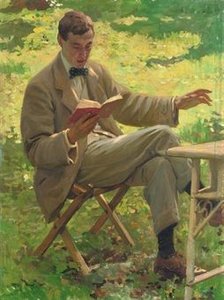
アルフレッド・ミュニングス
1878 - 1959 , イギリス
基本情報
- フルネーム: アルフレッド・ジェームズ・マニングス
- 主な作品:
- ファンシー・ドレス・ボール
- パイパー
- 空の研究
- 出身地: メンドハム (イギリス)
- 国籍: イギリス
- 影響を受けたアーティスト: ['ニューリン学校の画家']
- 没年月日: 1959年7月17日
- 生年月日: 1878年10月8日
- 芸術運動/スタイル: 印象派
関連記事
Sir Alfred Munnings' Masterpieces: 25 Paintings That Define Equine Art | ArtsDot
Explore 25 iconic Sir Alfred Munnings paintings! Discover the beauty of British Impressionism, equine art & rural England. Find museum-quality reproductions and elevate your home decor with ArtsDot. Explore the full collection online.

Impressionistic Landscapes: 10 Masterpieces That Changed Art & Decor
Journey into the heart of Impressionism! Explore 10 masterpieces by Monet, Renoir & Degas that revolutionized landscape art. Discover their stories, techniques & find museum-quality reproductions to elevate your home decor on ArtsDot.com.

印象派風景を彩った至宝:アート史に名を刻む10選
印象派風景の革新を彩った10選。モネ、ルノワールら巨匠の名作を紐解き、色彩と光が生み出す感動の世界へ。アートの歴史とインテリアのインスピレーションをArtsDot.comで。高品質な複製画で、あなただけの空間を創造しましょう。

Evocations of Place: A Historical Journey Through Landscape Art
Explore the rich history of landscape art with ArtsDot. Discover renowned artists, movements like Impressionism & Romanticism, and expert guidance for collecting timeless pieces. Find your perfect serene escape today!

ジョン・コンスタブルの傑作25選:英国風景画の巨匠が描く自然と光の詩 | ArtsDot
ジョン・コンスタブルの傑作25選。英国風景画の巨匠が描く自然と光の詩の世界へ。ロマン主義を代表する絵画、デダム・ヴェールやヘイ・ウェインなど、ArtsDotで高品質なアートプリントをお楽しみください。インテリアに深みと感動を。コレクションはこちら。