 プレビュー
プレビュー
 シェアする
シェアする シェアする
シェアする
 詳細を見る
詳細を見る

 ダウンロード
 似ている作品
 X線調査
X線調査 スライドショー
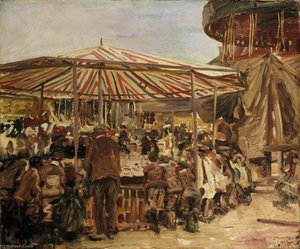
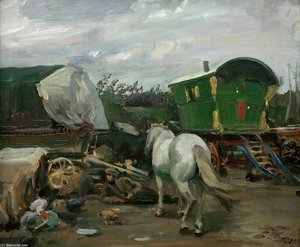
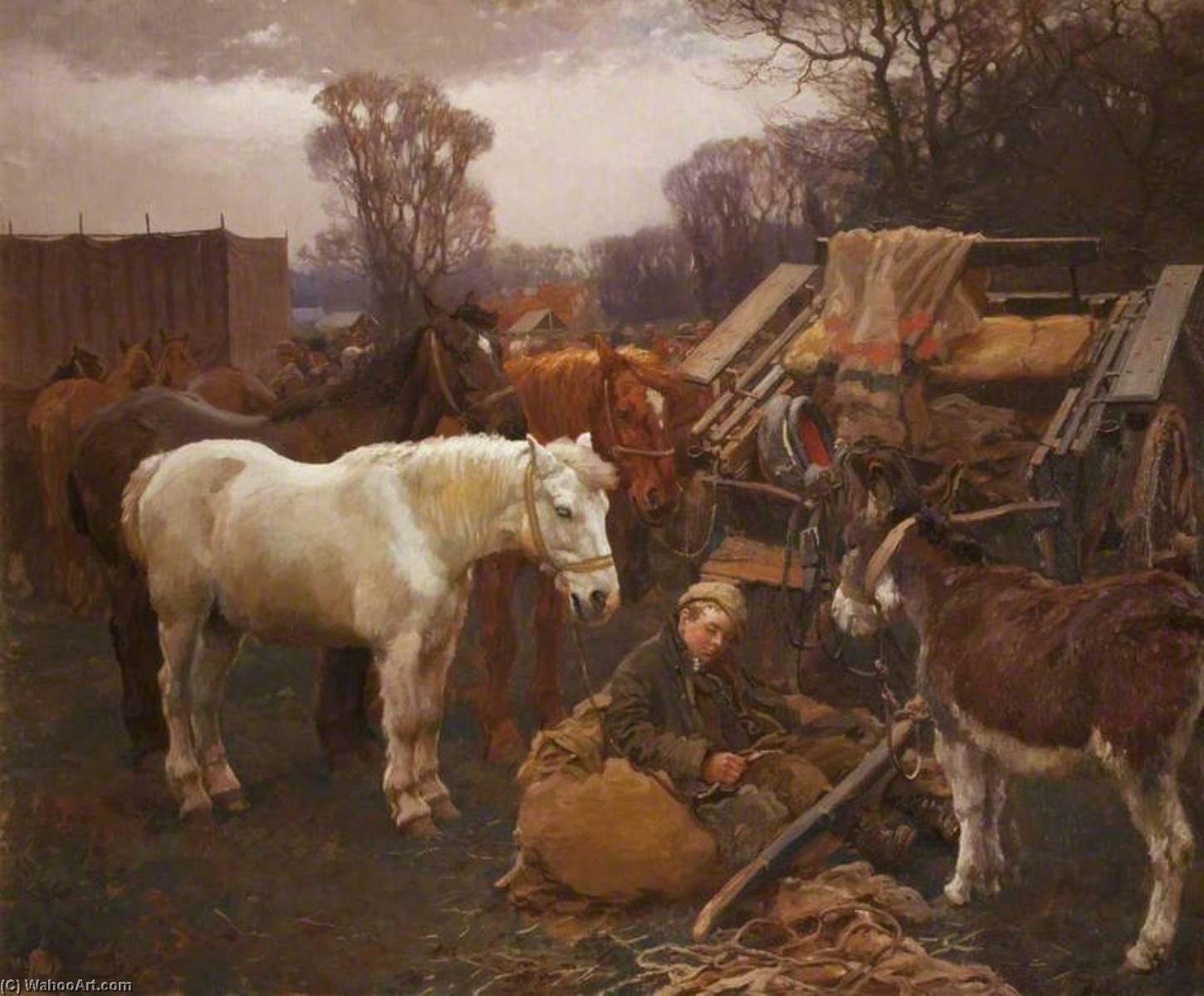
The Last of the Fair
 Oil On Canvas
- WallArt
- Impressionistic Landscape
 1903
1903 94.0 x 115.0 cm
 Harris Museum - Art Gallery
 詳細を見る
詳細を見る
ジークレー/アートプリント
迅速な制作と多彩な仕上げオプションを備えた、ミュージアムクオリティのジークレーまたはキャンバスプリント。 ( 手描きの絵画を購入 画像を購入)




P118B $10

P118H $10

P118W $10

P438Z $10

P508JH $12

P508YH $12

P805H $10

P805Z $10

P919BZ $10

P919G $10

P919XJ $10

P959ZH $10

P968JZ $12

W106C $8

W218G $10

W218JH $8

W218Y $10

W307PJ $10

W316G $10

W316PJ $8

W316Y $10

W398PJ $8

W4111J $10

W500HY $15

W500JH $15

W692G $12

W849H $8

W940BG $15

W953PJ $8




作品のオリジナル比率に合わせた、当店の規定サイズからお選びください。

特定のフレームやスペースに合わせて、ご自身でサイズを指定することも可能です。選択されたサイズが元の画像の比率と一致しない場合、作品をトリミングするか、鏡面反射または単色での塗りつぶしによって画像を拡張いたします。制作を開始する前に、ご確認用のデジタルモックアップをお送りいたします。
画面上のプレビューには、実際のトリミングや拡張は反映されませんのでご注意ください。最終的な構図を正確に確認できるのは、モックアップのみとなります。
カスタムサイズも承っておりますが、元の比率を維持するためには、あらかじめ用意されたリストからサイズを選択することをお勧めいたします。


 ガラスオプションは、110cm未満のサイズでのみご利用いただけます。

The Last of the Fair
ジークレー/アートプリント
複製画のサイズ
-


合計金額
$ 62
作品詳細説明
The Last of the Fair: A Winter’s Embrace by Alfred Munnings
Alfred James Munnings' "The Last of the Fair," painted in 1903, isn’t merely a depiction of a rural winter scene; it’s a poignant distillation of a vanishing way of life – a fleeting moment captured before the relentless march of modernity irrevocably altered the landscape of England. The painting immediately draws the eye to its central figure: a young boy, likely Jimmy Betts as identified by Munnings himself, slumped against a horse-drawn carriage, his face etched with exhaustion and contentment. He’s not actively participating in the bustling fair; instead, he embodies the quiet dignity of observation, a silent witness to the vibrant activity swirling around him. The scene unfolds within a meticulously rendered winter landscape – a snow-dusted field dotted with the remnants of a horse fair, its tents and stalls now deserted, suggesting the day’s energetic conclusion.
Munnings' signature style is powerfully evident here: an intensely realistic yet deeply impressionistic approach. He masterfully employs short, broken brushstrokes to convey the texture of the snow, the rough wool of the boy’s clothing, and the weathered surfaces of the horse-drawn carriages. The color palette is restrained – muted blues, greys, and browns dominate, punctuated by flashes of warm ochre and crimson from the remaining fair paraphernalia. This deliberate use of color contributes to a sense of quiet melancholy, emphasizing the transient nature of the event and the boy’s solitary state. Munnings wasn't interested in grand spectacle; he sought instead to capture the essence of a specific moment, imbued with atmosphere and emotion.
A Window into Rural England
To fully appreciate "The Last of the Fair," it’s crucial to understand its historical context. At the turn of the 20th century, rural life in England was undergoing profound transformation. The rise of industrialization, urbanization, and agricultural advancements were steadily eroding traditional farming practices and displacing countless families. Munnings, deeply rooted in the Suffolk countryside, felt a strong sense of urgency to document this disappearing world before it vanished entirely. His paintings became powerful testaments to a bygone era – a romanticized yet undeniably authentic portrayal of rural life, hunting traditions, and the close relationship between people and their horses.
The horse fair itself was a significant social event in East Anglia, offering farmers an opportunity to sell livestock, trade goods, and socialize. Munnings frequently depicted these fairs, capturing not just the visual spectacle but also the underlying sense of community and shared experience. The inclusion of the cows – one grazing peacefully near the right side of the canvas, another further back – adds a layer of domesticity to the scene, grounding it in the everyday rhythms of rural life. The presence of these animals underscores the central role they played in the lives of those who lived and worked on the land.
Symbolism and Emotional Resonance
Beyond its straightforward depiction of a winter fair, "The Last of the Fair" is rich with symbolic meaning. The boy’s posture – slumped against the carriage, seemingly lost in thought – suggests a sense of loneliness and isolation amidst the bustling activity. He represents the younger generation, perhaps already disconnected from the traditions of his elders. His quiet contemplation invites us to consider the loss of innocence and the inevitable passage of time. The painting's title itself reinforces this theme—"the last," implying that this particular moment is a final glimpse into a fading world.
Furthermore, the painting’s muted color palette and somber mood evoke a feeling of nostalgia – a wistful longing for a simpler past. Munnings wasn’t simply recording a scene; he was conveying an emotional response to it. The overall effect is profoundly moving, prompting viewers to reflect on the beauty and fragility of rural England and the enduring power of memory.
Technical Details & Reproduction
“The Last of the Fair” measures 94 x 115 cm (37 x 45 inches) and was executed in oil on canvas. Munnings’s masterful use of impasto – applying paint thickly to create texture and depth – is particularly evident in the depiction of the snow and the horse-drawn carriages. The painting's rich, layered surface invites close examination, revealing the artist’s meticulous attention to detail and his expressive brushwork. High-quality reproductions capture much of this tactile quality, allowing viewers to appreciate Munnings’s remarkable technique.
Reproductions of “The Last of the Fair” are available in a variety of sizes and formats, making it accessible for both private collectors and interior designers seeking to infuse their spaces with a touch of timeless British charm. Whether displayed as a statement piece or incorporated into a more subtle composition, this painting’s evocative imagery and emotional resonance will undoubtedly captivate viewers for generations to come.
関連作品
アーティストの略歴
アルフレッド・ミュニングス:馬と風景の詩人
1878年、イギリスのサフォーク州メンダムで生まれたアルフレッド・ジェームズ・ミュニングスは、その生涯を馬と田園風景への深い愛情とともに歩んだ画家である。彼の作品は、単なる写実的な描写を超え、英国の伝統、狩猟文化、そして過ぎ去りゆく時代の美しさを捉えた詩的な表現として高く評価されている。ミュニングスの絵画は、光と色彩を巧みに操り、見る者の心に温かい郷愁と感動を呼び起こす。
農村地での生い立ちと芸術的成長
ミュニングスは、印刷所の見習いとしてキャリアをスタートさせたが、その才能はすぐに明らかになり、ノリッジ美術学校で学びながら絵画に情熱を注いだ。初期の作品には、サフォーク州の風景や、ジプシー、そして自由に駆け回る馬たちが描かれており、ロマンティックな雰囲気が漂っている。ニューリン・スクールの影響を受け、彼は自然光の中で直接絵を描くことで、印象派的な技法を習得し、その後の作品に大きな影響を与えた。彼の初期の作品は、単なる風景描写ではなく、土地とそこに暮らす人々への深い愛情が込められた表現となっている。
第一次世界大戦と名声への道
第一次世界大戦中、ミュニングスはカナダ騎兵旅団の公式画家としてフランスに派遣され、戦争の記録を残した。この経験は、彼の芸術的視点に大きな変化をもたらし、犠牲や喪失、そして人間と動物との深い絆をテーマにした作品を生み出した。戦後の彼は、その才能が広く認められ、貴族や競馬界の有力者からの依頼が相次ぐようになり、経済的な安定を得た。1926年には王立芸術アカデミーの会員に選出され、その地位を確立した。
伝統を守る画家と論争
ミュニングスは、伝統的な絵画の価値観を重んじ、モダニズム美術への批判として知られる。1949年のBBCラジオでの発言は、キュビスムやシュルレアリスムといった前衛芸術を痛烈に非難し、大きな論争を巻き起こした。しかし、彼の言葉は伝統的な絵画の美徳を支持する人々からの共感を集め、その姿勢は王立芸術アカデミーの議長就任(1944年~1949年)という名誉へと繋がった。彼は騎士団叙勲を受け、英国文化に貢献した画家として広く認められた。
ミュニングスの遺産
アルフレッド・ミュニングスは、その生涯を通じて300点以上の作品を王立芸術アカデミーの夏季展覧会に出品し、数々の栄誉を積み重ねた。彼の作品は、英国の田園風景や馬の世界を鮮やかに描き出し、時代を超えて多くの人々に感動を与え続けている。現在、彼の作品はミュニングス美術館に収蔵されており、その芸術的遺産は後世へと受け継がれている。ミュニングスの絵画は、単なる美しい風景描写にとどまらず、過ぎ去りゆく時代の空気感や、そこに生きる人々の感情を繊細に表現した、貴重な文化的財産である。
主な功績
- 王立芸術アカデミー議長: 1944年から1949年まで王立芸術アカデミーの議長を務めた。
- 騎士団叙勲: 1944年にナイト爵位、1947年にはロイヤル・ヴィクトリア勲章を受章した。
- 第一次世界大戦における公式画家: 第一次世界大戦中にカナダ騎兵旅団の活動を記録した。
- 彫刻作品: エドワード・ホーナーの騎馬像など、彫刻作品も制作した。
ミュニングスの遺産は、彼の卓越した絵画技術だけでなく、急速に近代化が進む世界において、芸術的な伝統を守り抜いた情熱的な姿勢によっても支えられている。
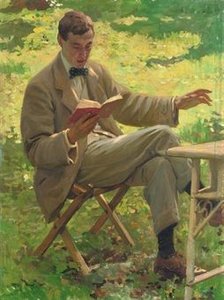
アルフレッド・ミュニングス
1878 - 1959 , イギリス
基本情報
- フルネーム: アルフレッド・ジェームズ・マニングス
- 主な作品:
- ファンシー・ドレス・ボール
- パイパー
- 空の研究
- 出身地: メンドハム (イギリス)
- 国籍: イギリス
- 影響を受けたアーティスト: ['ニューリン学校の画家']
- 没年月日: 1959年7月17日
- 生年月日: 1878年10月8日
- 芸術運動/スタイル: 印象派
関連記事
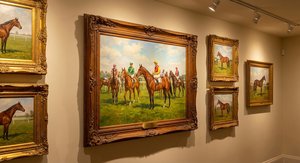
Sir Alfred Munnings' Masterpieces: 25 Paintings That Define Equine Art | ArtsDot
Explore 25 iconic Sir Alfred Munnings paintings! Discover the beauty of British Impressionism, equine art & rural England. Find museum-quality reproductions and elevate your home decor with ArtsDot. Explore the full collection online.
ジェームズ・マクニール・ホイストラー:至高の25選 - 美と調和を求めた芸術家の軌跡 | ArtsDot
ジェームズ・マクニール・ホイストラーの至高の25選。ノクターン、印象派、美しい色彩に満ちた作品群を紐解きます。ArtsDotで高品質なアートプリントとインテリアをお楽しみください。名画の世界へ – ArtsDot.com
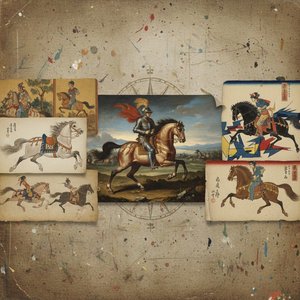
The Noble Steed on Canvas: A Historical & Artistic Exploration of Horse Painting Across Cultures
Explore the rich history of horse painting! Discover masterpieces from Stubbs to Munnings & learn about symbolism, techniques & artists. Find museum-quality reproductions at ArtsDot.
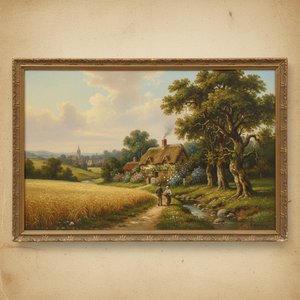
Alfred I. Glendening: Capturing Rural England's Poetic Essence
Explore the captivating rural landscapes of Alfred I. Glendening, a master of British sporting paintings. Discover his life, artistic style, and place within the American Regionalist movement. Expert insights & high-quality reproductions at ArtsDot.
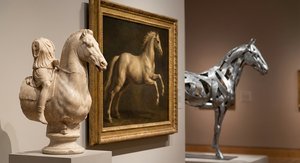
The Noble Steed: A Historical and Artistic Exploration of Horses in Fine Art
Explore the rich history of horses in fine art! From ancient depictions to Renaissance masterpieces & beyond, discover iconic artworks and artists. Learn about symbolism, techniques, and find museum-quality reproductions at ArtsDot.