 プレビュー
プレビュー
 プリントを購入
 シェアする
シェアする シェアする
シェアする
 詳細を見る
詳細を見る

 ダウンロード
 似ている作品
 X線調査
X線調査 スライドショー
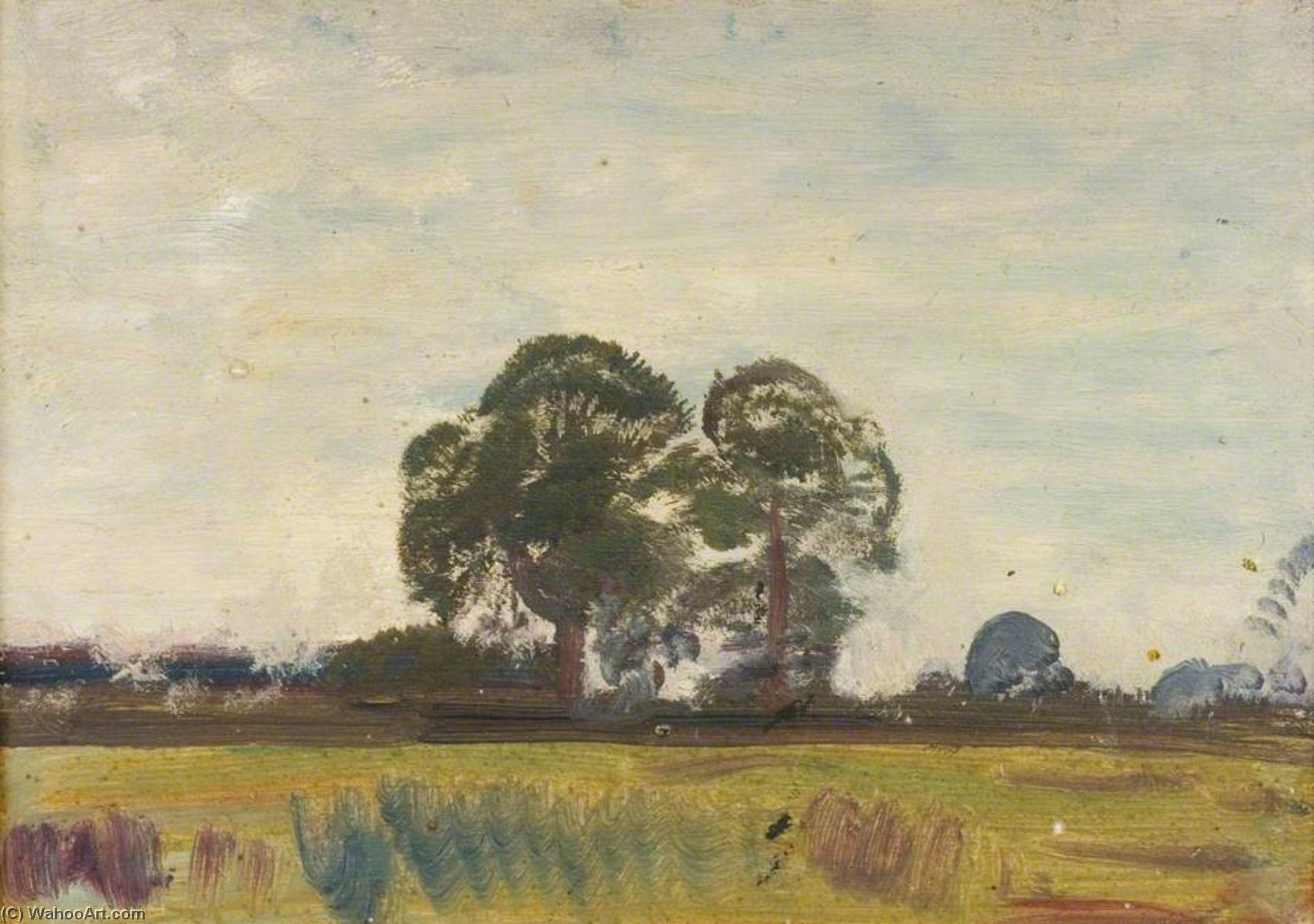
Trees by the Edge of a Field (recto)
 Oil
Oil- WallArt
- Impressionistic Landscape
 25.0 x 36.0 cm
 The Munnings Art Museum
 詳細を見る
詳細を見る




P118B $10

P118H $10

P118W $10

P438Z $10

P508JH $12

P508YH $12

P805H $10

P805Z $10

P919BZ $10

P919G $10

P919XJ $10

P959ZH $10

P968JZ $12

W106C $8

W218G $10

W218JH $8

W218Y $10

W307PJ $10

W316G $10

W316PJ $8

W316Y $10

W398PJ $8

W4111J $10

W500HY $15

W500JH $15

W692G $12

W849H $8

W940BG $15

W953PJ $8




作品のオリジナル比率に合わせた、当店の規定サイズからお選びください。

特定のフレームやスペースに合わせて、ご希望のサイズをご入力いただけます。選択されたサイズが元の画像の比率と異なる場合、アートワークをトリミングするか、手描きで要素を追加して絵画を拡張いたします。デジタルモックアップ を制作し、制作開始前にご確認(承認)をいただきます。
画面上のプレビューは、実際のトリミングや拡張を正確に反映しているものではありません。最終的な構図は、モックアップによってのみ正確にご確認いただけます。
カスタムサイズもご利用いただけますが、元の比率を維持するためには、あらかじめ用意されたリストからサイズを選択することをお勧めいたします。
ご注文後、ArtsDot.com チームより詳細な指示をお送りするとともに、仕上がりイメージ(モックアップ)をご提供いたします。


 ガラスオプションは、110cm未満のサイズでのみご利用いただけます。

Trees by the Edge of a Field (recto)
複製技法
複製画のサイズ
-


合計金額
$ 263
A Moment Frozen in Time: Munnings’s “Trees by the Edge of a Field”
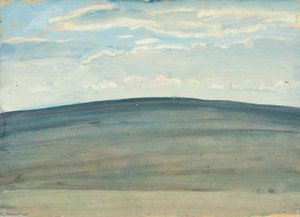
Sir Alfred James Munnings's "Trees by the Edge of a Field (recto)" isn’t merely a landscape painting; it’s a distillation of rural England, a poignant snapshot of a vanishing way of life captured with an Impressionistic fervor. Painted around 1920, this work embodies Munnings’s lifelong dedication to portraying the dynamism and beauty of the British countryside, particularly its equestrian traditions and the lives intertwined with horses. The canvas presents a deceptively simple scene – a field punctuated by three substantial trees bordering a distant treeline – yet within that apparent stillness lies a wealth of observation and emotional resonance. It's a testament to Munnings’s ability to imbue even the most commonplace subject matter with profound depth and feeling.The Impressionistic Dance of Light and Brushstroke
Munnings was a master of capturing fleeting moments, and “Trees by the Edge of a Field” exemplifies this approach perfectly. The painting is executed in oil on canvas, utilizing short, broken brushstrokes – a hallmark of his style – to build up layers of color and texture. These aren’t carefully blended or smoothed; instead, they retain their individual character, creating a vibrant, almost tactile surface. Notice how the light seems to shimmer across the field, not through precise rendering but through the deliberate application of color. The muted palette—dominated by earthy greens, yellows, browns, and grays—suggests an overcast day, lending the scene a sense of quiet contemplation. The lack of sharp outlines contributes significantly to the painting’s atmospheric quality; edges soften and blur, creating a dreamlike effect that invites the viewer to lose themselves in the landscape. The technique itself speaks volumes about Munnings's process – he wasn’t aiming for photographic realism but rather an impression of the scene as it presented itself to his eye at a particular moment.A Window into a Disappearing World
Understanding “Trees by the Edge of a Field” requires acknowledging the historical context in which it was created. Munnings, deeply rooted in rural Suffolk, witnessed firsthand the decline of traditional farming practices and the fading influence of horse-drawn agriculture. His art became a passionate defense of this disappearing world, a celebration of its rhythms and values. The trees themselves are not simply decorative elements; they represent the enduring strength and resilience of nature, standing as silent witnesses to centuries of rural life. The distant treeline hints at a broader landscape, suggesting the vastness and isolation of the countryside – themes that were increasingly relevant in an era of rapid industrialization and urbanization. The painting is more than just a depiction of trees; it’s a meditation on change and loss.Symbolism of Form and Space
The composition of the painting is carefully considered, utilizing principles of perspective to create a sense of depth. The three prominent trees in the foreground anchor the scene, while their rounded forms contrast subtly with the flatter expanse of the field. The distant treeline recedes into the horizon, diminishing in size and color saturation – a technique known as atmospheric perspective—further reinforcing the illusion of distance. The arrangement isn’t rigidly symmetrical; instead, it feels organic and spontaneous, mirroring the natural irregularity of the landscape. Even the placement of the trees suggests a narrative: they stand guard over the field, offering shelter and framing the view. The overall effect is one of harmonious balance, reflecting Munnings's deep appreciation for the beauty and order inherent in nature.An Echo of Tranquility
Ultimately, “Trees by the Edge of a Field” evokes a profound sense of tranquility and quiet observation. It’s a painting that invites the viewer to slow down, breathe deeply, and connect with the natural world. The muted colors, soft lighting, and loose brushwork combine to create an atmosphere of peace and serenity—a welcome respite from the complexities of modern life. Munnings's masterful ability to capture not just what he saw but also *how* he felt about it ensures that this painting continues to resonate with audiences today, serving as a timeless reminder of the enduring beauty and value of the rural landscape.関連作品
アーティストの略歴
アルフレッド・ミュニングス:馬と風景の詩人
1878年、イギリスのサフォーク州メンダムで生まれたアルフレッド・ジェームズ・ミュニングスは、その生涯を馬と田園風景への深い愛情とともに歩んだ画家である。彼の作品は、単なる写実的な描写を超え、英国の伝統、狩猟文化、そして過ぎ去りゆく時代の美しさを捉えた詩的な表現として高く評価されている。ミュニングスの絵画は、光と色彩を巧みに操り、見る者の心に温かい郷愁と感動を呼び起こす。
農村地での生い立ちと芸術的成長
ミュニングスは、印刷所の見習いとしてキャリアをスタートさせたが、その才能はすぐに明らかになり、ノリッジ美術学校で学びながら絵画に情熱を注いだ。初期の作品には、サフォーク州の風景や、ジプシー、そして自由に駆け回る馬たちが描かれており、ロマンティックな雰囲気が漂っている。ニューリン・スクールの影響を受け、彼は自然光の中で直接絵を描くことで、印象派的な技法を習得し、その後の作品に大きな影響を与えた。彼の初期の作品は、単なる風景描写ではなく、土地とそこに暮らす人々への深い愛情が込められた表現となっている。
第一次世界大戦と名声への道
第一次世界大戦中、ミュニングスはカナダ騎兵旅団の公式画家としてフランスに派遣され、戦争の記録を残した。この経験は、彼の芸術的視点に大きな変化をもたらし、犠牲や喪失、そして人間と動物との深い絆をテーマにした作品を生み出した。戦後の彼は、その才能が広く認められ、貴族や競馬界の有力者からの依頼が相次ぐようになり、経済的な安定を得た。1926年には王立芸術アカデミーの会員に選出され、その地位を確立した。
伝統を守る画家と論争
ミュニングスは、伝統的な絵画の価値観を重んじ、モダニズム美術への批判として知られる。1949年のBBCラジオでの発言は、キュビスムやシュルレアリスムといった前衛芸術を痛烈に非難し、大きな論争を巻き起こした。しかし、彼の言葉は伝統的な絵画の美徳を支持する人々からの共感を集め、その姿勢は王立芸術アカデミーの議長就任(1944年~1949年)という名誉へと繋がった。彼は騎士団叙勲を受け、英国文化に貢献した画家として広く認められた。
ミュニングスの遺産
アルフレッド・ミュニングスは、その生涯を通じて300点以上の作品を王立芸術アカデミーの夏季展覧会に出品し、数々の栄誉を積み重ねた。彼の作品は、英国の田園風景や馬の世界を鮮やかに描き出し、時代を超えて多くの人々に感動を与え続けている。現在、彼の作品はミュニングス美術館に収蔵されており、その芸術的遺産は後世へと受け継がれている。ミュニングスの絵画は、単なる美しい風景描写にとどまらず、過ぎ去りゆく時代の空気感や、そこに生きる人々の感情を繊細に表現した、貴重な文化的財産である。
主な功績
- 王立芸術アカデミー議長: 1944年から1949年まで王立芸術アカデミーの議長を務めた。
- 騎士団叙勲: 1944年にナイト爵位、1947年にはロイヤル・ヴィクトリア勲章を受章した。
- 第一次世界大戦における公式画家: 第一次世界大戦中にカナダ騎兵旅団の活動を記録した。
- 彫刻作品: エドワード・ホーナーの騎馬像など、彫刻作品も制作した。
ミュニングスの遺産は、彼の卓越した絵画技術だけでなく、急速に近代化が進む世界において、芸術的な伝統を守り抜いた情熱的な姿勢によっても支えられている。
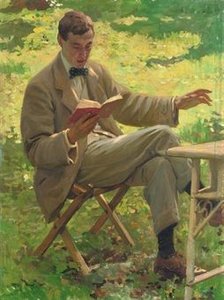
アルフレッド・ミュニングス
1878 - 1959 , イギリス
基本情報
- フルネーム: アルフレッド・ジェームズ・マニングス
- 主な作品:
- ファンシー・ドレス・ボール
- パイパー
- 空の研究
- 出身地: メンドハム (イギリス)
- 国籍: イギリス
- 影響を受けたアーティスト: ['ニューリン学校の画家']
- 没年月日: 1959年7月17日
- 生年月日: 1878年10月8日
- 芸術運動/スタイル: 印象派
関連記事

Sir Alfred Munnings' Masterpieces: 25 Paintings That Define Equine Art | ArtsDot
Explore 25 iconic Sir Alfred Munnings paintings! Discover the beauty of British Impressionism, equine art & rural England. Find museum-quality reproductions and elevate your home decor with ArtsDot. Explore the full collection online.

ポール・セザンヌ:至高の25選 - 傑作と革新の軌跡 | ArtsDot
ポール・セザンヌの至高の25選。ポスト印象派を代表する画家、セザンヌの傑作と革新的な技法を紐解きます。ArtsDotで高品質な複製画やインテリアアートを見つけ、芸術の世界をご自宅に。今すぐコレクションをご覧ください。

ジョン・コンスタブルの傑作25選:英国風景画の巨匠が描く自然と光の詩 | ArtsDot
ジョン・コンスタブルの傑作25選。英国風景画の巨匠が描く自然と光の詩の世界へ。ロマン主義を代表する絵画、デダム・ヴェールやヘイ・ウェインなど、ArtsDotで高品質なアートプリントをお楽しみください。インテリアに深みと感動を。コレクションはこちら。

Cultivating Visions: A Historical Journey Through Rural Landscapes in Art
Explore the rich history of rural landscape painting with ArtsDot. Discover Impressionist masterpieces, key artists & movements. Find your perfect serene artwork and bring nature's beauty home.
ジェームズ・マクニール・ホイストラー:至高の25選 - 美と調和を求めた芸術家の軌跡 | ArtsDot
ジェームズ・マクニール・ホイストラーの至高の25選。ノクターン、印象派、美しい色彩に満ちた作品群を紐解きます。ArtsDotで高品質なアートプリントとインテリアをお楽しみください。名画の世界へ – ArtsDot.com