

 プレビュー
プレビュー
 シェアする
シェアする シェアする
シェアする
 詳細を見る
詳細を見る

 ダウンロード
 似ている作品
 X線調査
X線調査 スライドショー
 Stats
StatsPortrait of Archbishop William Laud


 詳細を見る
詳細を見る
オンラインプレビューをはるかに凌ぐ、高解像度で鮮明なデジタル画像をご購入いただけます。
各ファイルは、社内の専門家が高度なツールと熟練した手作業によるレタッチを用いて、細心の注意を払って準備されています。すべての画像において、卓越した鮮明度、正確な色彩再現性、そして繊細なディテールを保証いたします。
最終ファイルは、プロフェッショナルな編集・印刷環境ですぐにご利用いただけるよう最適化された状態で、72時間以内にメールにてお届けいたします。これは、一流のデザインスタジオ、出版社、ギャラリーから信頼されているものと同等の品質です。
デジタルアート
個人での鑑賞、印刷、クリエイティブなプロジェクト用に、高解像度ファイルをダウンロードできます。 ( Switch to Print 手描きの絵画を購入)
デジタル画像のご注文に付随する特典
高品質なデジタル画像配信を、確かな品質で。
ArtsDot.com を選ぶことは、単に画像を手に入れることではありません。それは、プロの手によって精密に仕上げられ、満足保証が付いた高品質なデジタルアートワークを受け取ることを意味します。ご注文いただいた際に自動的に付随する内容は、以下の通りです:

メールですぐにお届け
ご注文から72時間以内に、高解像度のデジタル画像ファイルがメールでお手元に届きます。すぐにそのままご利用いただけます。

AI技術で最適化されたデジタルファイル
お客様の作品は、高度なAIツールと専門家による手作業の編集を組み合わせてプロフェッショナルに最適化されており、細部のディテール、鮮明さ、そして正確な色再現性を最大限に引き出しています。

一生涯無料の再送サービス
ファイルを誤って削除したり、紛失してしまったりしましたか?ご安心ください。いつでも無料で再送いたします。

輸入手数料は一切かかりません
関税や手数料、配送料を気にすることなく、お気に入りのアートワークをすぐにお楽しみいただけます。デジタルダウンロードは常に免税です。

色彩再現の保証
プロ仕様のツールとカラーマネジメント技術を用いることで、デジタル画像が元の色を最大限に忠実に再現することを保証いたします。

100日間満足保証
ご購入いただいたデジタル画像にご満足いただけない場合は、100日以内であれば、理由を問わず修正または100%の返金対応をさせていただきます。

100% 返金保証
ご満足いただけない場合は、デジタルファイルを受け取ってから100日以内であれば、理由を問わず全額返金いたします。

まとめ買い割引
3枚購入で10%OFF - 5枚購入で15%OFF - 10枚以上購入で20%OFF。クリエイティブなプロジェクト、ギャラリー、エージェンシーに最適です。
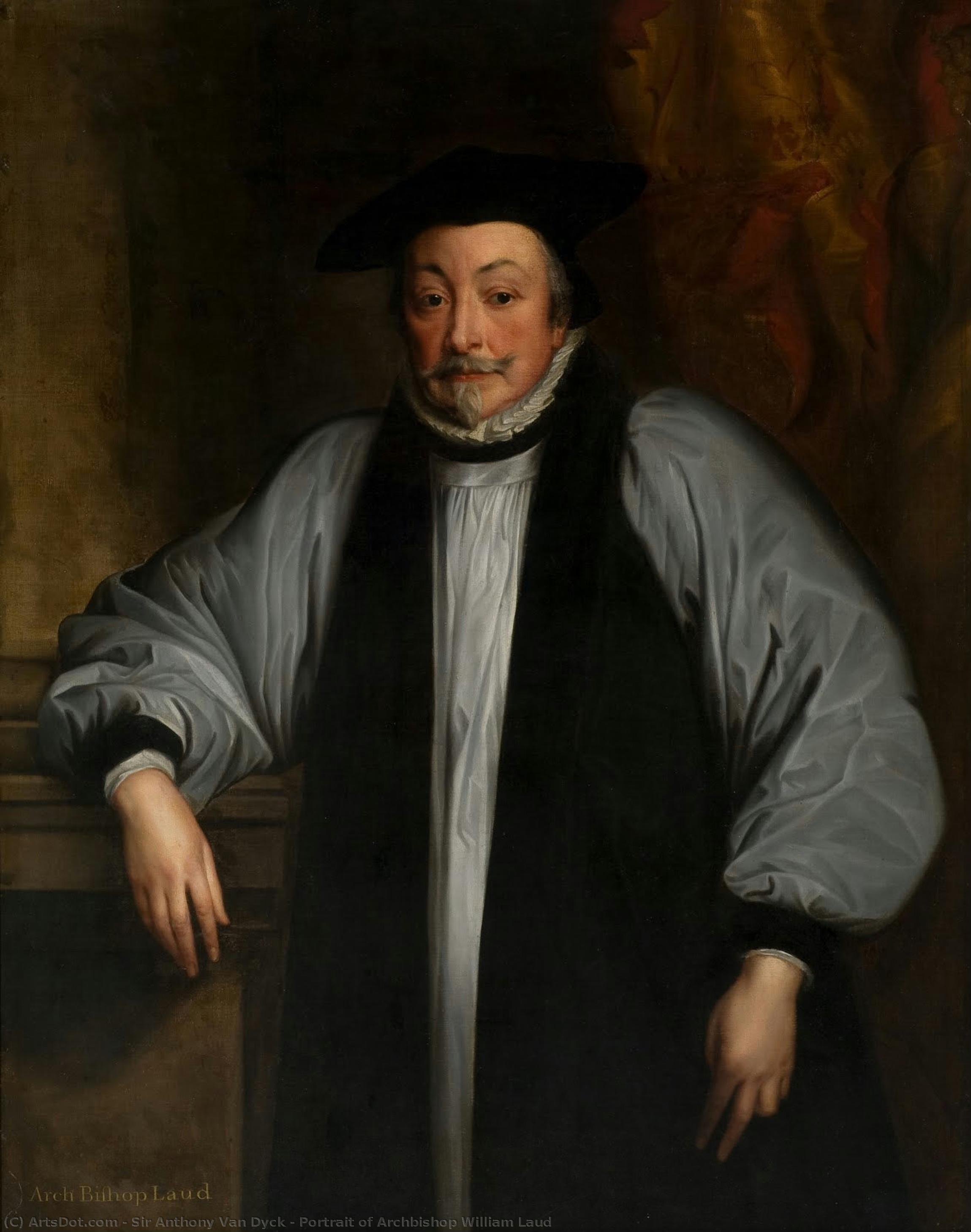
Portrait of Archbishop William Laud
This arresting portrait captures the solemn dignity of William Laud (1573–1645), Archbishop of Canterbury from 1633 to 1640, a figure pivotal in shaping the religious landscape of Elizabethan and Jacobean England. Painted circa 1638 by Sir Anthony van Dyck’s studio – though likely featuring Van Dyck's direct involvement in the depiction of hands and face – this artwork exemplifies the grandeur and meticulous detail characteristic of Baroque portraiture. Its enduring appeal lies not only in its visual beauty but also in its reflection of a turbulent era defined by religious conflict and royal ambition.- Subject Matter: The sitter is presented head and shoulders, bathed in dramatic chiaroscuro lighting that emphasizes Laud’s facial features—his gaze direct and unwavering—and sculpts the folds of his richly embroidered robe with masterful precision.
- Style & Technique: Van Dyck's studio adhered to established conventions of portraiture, prioritizing realism and conveying status through opulent attire. The artist skillfully employed brushwork to achieve textural depth, particularly evident in the fabric’s surface, creating a palpable sense of materiality. Lines delineate contours with exacting accuracy, contributing to an overall impression of formal elegance.
- Historical Context: Laud's reign coincided with escalating tensions between King Charles I and Parliament over religious policy. His staunch advocacy for Puritan orthodoxy fueled the outbreak of civil war in 1642, marking a decisive turning point in English history. This portrait serves as a visual record of Laud’s position at the apex of power during this tumultuous period.
- Symbolism: The Archbishop's attire—a bishop’s robe—immediately signifies his ecclesiastical role and authority. The drapery is rendered with meticulous attention to detail, reflecting the prevailing artistic ideals of the Baroque era, where grandeur and ornamentation were employed to convey prestige and spiritual significance.
- Emotional Impact: Despite its formal pose, the portrait conveys a profound sense of gravitas and introspection. Laud’s gaze commands respect, inviting contemplation on his leadership during a period of intense religious upheaval. The subdued palette—dominated by blues, whites, and browns—creates an atmosphere of solemn dignity, mirroring the seriousness of Laud's convictions.
A remarkable specimen of Baroque artistry, this portrait resides in the Fitzwilliam Museum’s collection at Cambridge University, where it continues to inspire admiration for its technical brilliance and historical resonance.
Photographic Analysis
The image depicts a portrait of an elderly man, likely an archbishop, rendered in the style of a classical oil painting. The composition is centered on the subject’s face and upper body, with a dark, draped background suggesting a rich interior setting. The lighting is dramatic, highlighting the man's features while casting shadows that add depth to the image. The technique appears to be meticulous brushwork, creating a sense of texture in the clothing and skin tones. Lines are used to define the folds of the robe, the contours of his face, and the details of his attire. Shapes are predominantly organic – flowing robes, rounded facial features – contributing to a traditional portrait style. The color palette is dominated by muted blues, whites, and browns, creating a somber yet dignified atmosphere. The perspective is frontal, offering a direct gaze from the subject. Depth is achieved through layering and shading. The subject matter is clearly an individual of high status, represented in a formal pose. Symbolically, the attire – bishop’s robes – indicates his religious role. The style aligns with 17th-century portraiture, characterized by realism and attention to detail.Material Composition
The artwork is executed in oil paints on canvas—a technique favored during the Baroque period for its ability to capture luminosity and textural nuance. The pigments employed contribute to the subdued color palette characteristic of the piece, emphasizing the solemn mood conveyed by the portrait. Careful layering and blending techniques ensure that light interacts realistically with surfaces, enhancing the visual impact and conveying a sense of depth.Provenance & Significance
Scholarly research suggests that this portrait originates from the Fitzwilliam Museum’s collection at Cambridge University—a testament to its enduring artistic merit. Its inclusion in prominent exhibitions underscores its importance as a representative work of Baroque art and a compelling visual record of a pivotal moment in English history.関連作品
作家の略歴
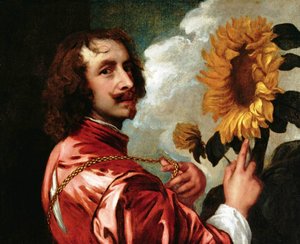
アントニ・ヴァン・ダイク:ヨーロッパ宮廷を彩るフランドルの巨匠
アントニ・ヴァン・ダイクは、1599年にアントワープで生まれ、夭折の天才としてバロック美術史にその名を刻んだフランドル出身の画家です。彼の短い生涯は、故郷であるフラマン地方からイタリア、そしてイングランド宮廷へと続く芸術探求と華麗な依頼の連続でした。幼い頃から並外れた才能を発揮し、ヘンドリック・ヴァン・バーレンの工房に入門して主流の様式を吸収すると同時に、すぐにピーター・パウル・ルーベンスとの共同作業を通して、その芸術的基盤を築き上げました。ルーベンスからダイナミックな構図、豊かな色彩、光と影の巧みな扱い方を学びましたが、ヴァン・ダイクは独自の道を切り開き、優雅さと洗練さを特徴とする独自のスタイルを確立しました。イタリアでの研鑽と様式の誕生
1621年頃から始まるイタリアへの滞在は、ヴァン・ダイクの芸術的成長にとって決定的な時期となりました。特にジェノヴァに長く滞在し、その地の貴族たちの庇護を受けながら、彼を特徴づける洗練されたスタイルを磨き上げました。優美なポーズ、豪華な衣装、そして高貴な気品が漂う彼のイタリア絵画は、単なる肖像画を超え、被写体の内面的な性格や社会的地位までも捉えています。ルーベンスの作品に見られるような力強いエネルギーとは対照的に、ヴァン・ダイクの肖像画からは抑制された落ち着きと優雅さがにじみ出ています。この時期には、著名な芸術家、学者、君主たちをモデルにした精緻な肖像版画群『Iconography』にも取り組み、その卓越した技術力を世界に示すとともに、版画家としての地位も確立しました。これらの版画は単なる記録ではなく、被写体の名声と知性を伝えるために細心の注意を払って制作された芸術作品でした。イングランド宮廷の画家:チャールズ1世の肖像
1632年、ヴァン・ダイクはチャールズ1世からの招聘を受け、イングランド宮廷の画家となります。この任命は、彼自身のキャリアだけでなく、イギリスの肖像画にも大きな変革をもたらしました。すでに名声が高まっていた彼は、王室に不可欠な存在となり、権力、威厳、そして神授による正統性を投影するイメージを制作するという重要な任務を担いました。特にチャールズ1世の肖像は特筆すべきものであり、それまでの硬直した形式的な表現から脱却し、ダイナミックでカリスマ的な指導者としての王の姿を描き出しました。ドラマチックな光の使い方、流れるようなジェスチャー、そして慎重に選び抜かれた背景を用いることで、視覚的に魅力的であると同時に政治的にも力強いイメージを作り上げました。彼の影響は王室にとどまらず、イギリス貴族の美的感覚を何世代にもわたって形作りました。ヴァン・ダイクは肖像画を描くだけでなく、王位のイメージを構築し、その後の1世紀以上にわたり王室に対する人々の認識に影響を与えました。遺産と不朽の影響
1641年の若き日の死によって、芸術界は才能あふれる巨匠を失いましたが、彼の遺産は今日に至るまで生き続けています。イギリスの肖像画への影響は計り知れず、後進の画家たちが模倣しようとした優雅さと洗練さの基準を確立しました。- 技術革新: 油絵と版画の両方に精通し、常に新しい技法を実験していました。
- 様式の洗練: 彼の肖像画は、優美なポーズ、豪華な衣装、そして微妙な心理描写によって特徴づけられています。
- 宮廷への影響: イギリスの王室のイメージを変革し、権力と威厳の視覚的言語を創造しました。
アントニ・ヴァン・ダイク
1599 - 1641 , ベルギー
プロフィール概要
- フルネーム: アンソニー・ヴァン・ダイク
- 主な作品:
- バルビ家の子供たち
- チャールズ1世の肖像
- ジョン・ウォートン卿
- 慈善
- 三位一体
- リナルドとアルミダ
- 出生地: アントワープ(ベルギー)
- 国籍: フランドル人
- 影響を与えたアーティストまたは運動: ['イギリスの肖像画']
- 影響を受けたアーティスト: ['ピーター・パウル・ルーベンス']
- 死亡年月日: 1641年12月9日
- 生年月日: 1599年3月22日
- 芸術運動またはスタイル: バロック美術