

 プレビュー
プレビュー
 プリントを購入
 シェアする
シェアする シェアする
シェアする
 詳細を見る
詳細を見る

 ダウンロード
 似ている作品
 X線調査
X線調査 スライドショー
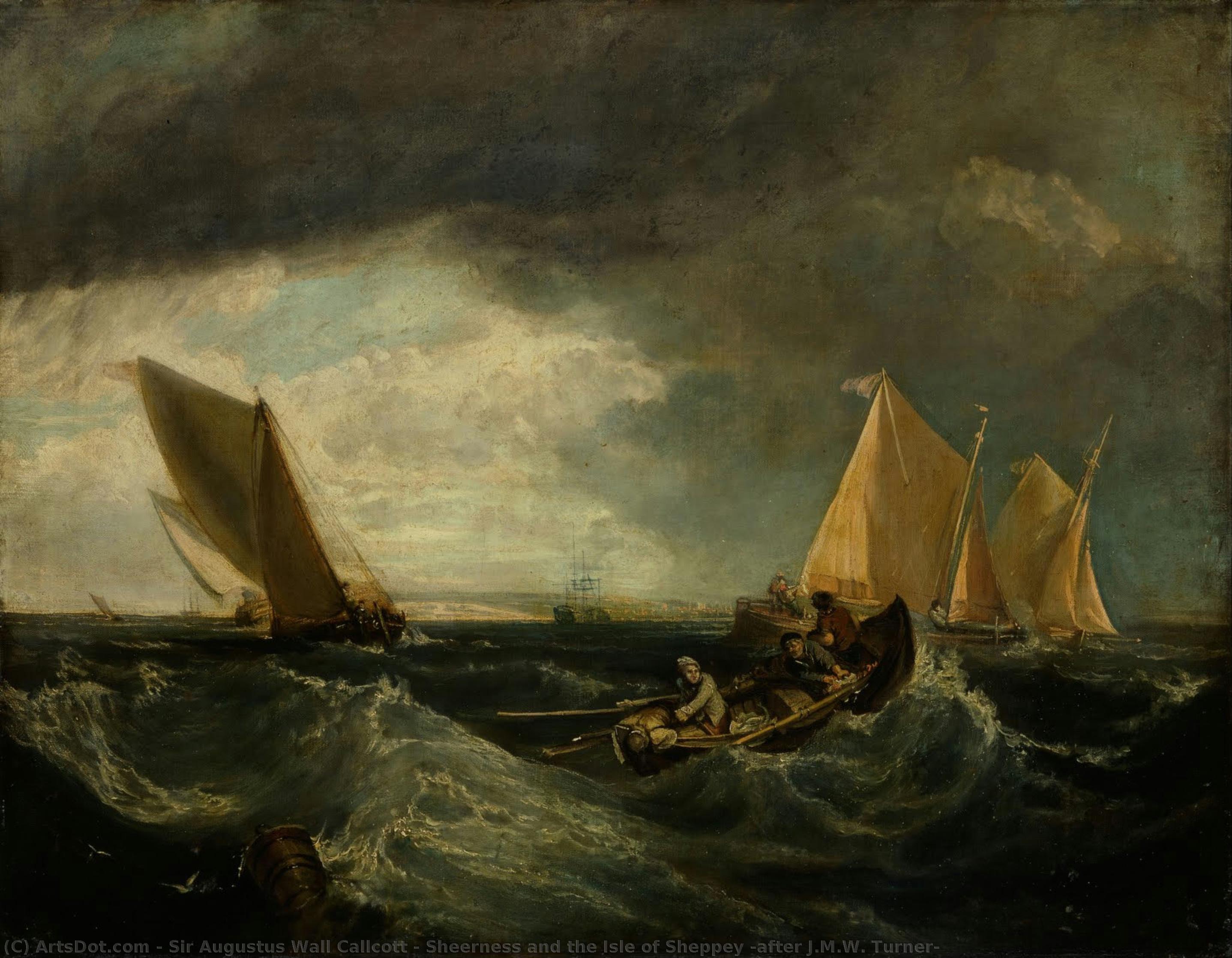
Sheerness and the Isle of Sheppey (after J.M.W. Turner)
 Acrylic On Canvas
- WallArt
- Romantic Landscape
 1807
1807 89.0 x 69.0 cm
 テート・ブリテン
 詳細を見る
詳細を見る




P118B $10

P118H $10

P118W $10

P438Z $10

P508JH $12

P508YH $12

P805H $10

P805Z $10

P919BZ $10

P919G $10

P919XJ $10

P959ZH $10

P968JZ $12

W106C $8

W218G $10

W218JH $8

W218Y $10

W307PJ $10

W316G $10

W316PJ $8

W316Y $10

W398PJ $8

W4111J $10

W500HY $15

W500JH $15

W692G $12

W849H $8

W940BG $15

W953PJ $8




作品のオリジナル比率に合わせた、当店の規定サイズからお選びください。

特定のフレームやスペースに合わせて、ご希望のサイズをご入力いただけます。選択されたサイズが元の画像の比率と異なる場合、アートワークをトリミングするか、手描きで要素を追加して絵画を拡張いたします。デジタルモックアップ を制作し、制作開始前にご確認(承認)をいただきます。
画面上のプレビューは、実際のトリミングや拡張を正確に反映しているものではありません。最終的な構図は、モックアップによってのみ正確にご確認いただけます。
カスタムサイズもご利用いただけますが、元の比率を維持するためには、あらかじめ用意されたリストからサイズを選択することをお勧めいたします。
ご注文後、ArtsDot.com チームより詳細な指示をお送りするとともに、仕上がりイメージ(モックアップ)をご提供いたします。


 ガラスオプションは、110cm未満のサイズでのみご利用いただけます。

Sheerness and the Isle of Sheppey (after J.M.W. Turner)
複製技法
複製画のサイズ
-


合計金額
$ 263
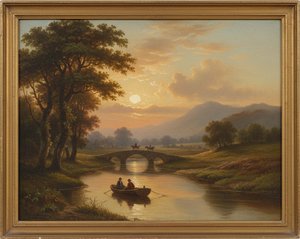
Sheerness and the Isle of Sheppey (after J.M.W. Turner) – A Tranquil Reflection on Romantic Landscape
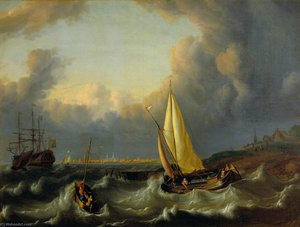
Augustus Wall Callcott’s “Sheerness and the Isle of Sheppey,” painted circa 1807-8, stands as a testament to the burgeoning Romantic movement's fascination with capturing sublime beauty in nature. Executed by Callcott, a student of John Hoppner at the Royal Academy, this serene seascape embodies Turner’s influence—a hallmark of British art during his formative years—and offers a glimpse into the artistic sensibilities of the era. The painting depicts sailboats gliding across calm waters off the coast of Sheppey Island in Kent, England, capturing a moment of tranquil repose amidst the grandeur of the English countryside.Composition and Technique: Turner’s Legacy
Callcott skillfully adopted Turner's approach to landscape painting, prioritizing atmospheric perspective and tonal modulation to convey mood rather than precise topographical accuracy. Like Turner himself, Callcott employed loose brushstrokes—a technique characteristic of Romanticism—to depict the shimmering surface of the water and the hazy sky. The artist’s masterful use of color contributes significantly to the painting's emotional impact; muted blues and greens dominate the palette, reflecting the cool hues of the sea and shoreline, while subtle gradations of tone create a sense of depth and luminosity. This deliberate blurring of lines mimics Turner’s signature style, emphasizing feeling over factual representation.Historical Context: The Romantic Ideal
“Sheerness and the Isle of Sheppey” emerged during a period marked by intellectual upheaval and artistic experimentation—the Romantic era (roughly 1800-1850). Philosophers like Edmund Burke championed the concept of ‘sublime,’ arguing that confronting overwhelming natural beauty could inspire awe and terror, simultaneously elevating the human spirit. Turner’s paintings frequently explored these themes, portraying dramatic landscapes imbued with spiritual significance. Callcott's depiction aligns perfectly with this aesthetic ideal, presenting a scene designed to evoke contemplation and admiration for the unspoiled majesty of Britain’s coastline.Symbolism: Light and Tranquility
Beyond its visual beauty, “Sheerness and the Isle of Sheppey” carries symbolic weight. The calm waters represent serenity and peace—a deliberate contrast to the turbulent political climate of the time. Furthermore, the sailboats symbolize human endeavor harmoniously integrated with the natural world. Turner’s influence is palpable in Callcott's portrayal of light; the diffused sunlight filtering through the mist creates an ethereal glow, suggesting divine presence and reinforcing the painting’s contemplative mood. The scene invites viewers to consider the relationship between humanity and nature—a central preoccupation of Romantic artists.Emotional Impact: A Moment Frozen in Time
Ultimately, “Sheerness and the Isle of Sheppey” succeeds in transporting the viewer to a place of profound stillness. Callcott's careful attention to detail—the subtle reflections on the water’s surface, the delicate rendering of the sails—combined with Turner’s masterful tonal palette creates an experience that resonates with tranquility and wonder. It is a painting that speaks to our innate desire for connection with the natural world and reminds us of the enduring power of beauty to inspire contemplation and elevate the soul. This exquisite reproduction captures the essence of Callcott's vision, allowing collectors and interior designers alike to appreciate the timeless elegance of Romantic landscape art.関連作品

アーティストの略歴
生い立ちと修行時代
サー・オーガスタス・ウォール・カルコットは、イギリスを代表する風景画家としてその名を馳せました。1779年2月20日、ロンドンの西端に位置するケンジントン・グラベル・ピッツの村に生を受けた彼の幼少期は、音楽への情熱によって彩られていました。その美しい歌声は、数年もの間、ウェストミンスター寺院の聖歌隊において響き渡っていました。その後、彼はロイヤル・アカデミーの門を叩き、ジョン・ホップナーの指導のもと、肖像画家としての芸術的キャリアを歩み始めました。名声への軌跡
カルコットの心は、次第に風景画へと傾いていきました。1804年以降、彼は風景画のみを展示するようになり、その卓越した技術、優美な構図、そして人々を魅了する情緒豊かな色彩表現によって、その名声は着実に高まっていきました。1806年にはロイヤル・アカデプリの準会員に選出され、1810年には正会員としての地位を確立しました。代表作と展覧会
カルコットが遺した傑作には、以下のようなものがあります:- ロンドン・プールへの入り口 (1816)
- タイン川の河口 (1818)
- メドウェイ川の凪 (1820)
- ロチェスター (1824)
- ラファエロとフォルナリーナ (1837) — これは彼の人物画の中でも極めて稀な例であり、現在はV&A美術館の一部であるサウス・ケンジントン博物館(シーパンクス・コレクション)に収蔵されています
遺産と晩年
ヴィクトリア女王の即位に伴い、1837年にカルコットは騎士の称号を授与されました。1843年にはウィリアム・セギュエの後継として女王の絵画監察官に就任しました。しかし、その生涯は長くは続かず、1844年11月25日にこの世を去り、ケンサル・グリーン墓地に埋葬されました。 ArtsDot.comでサー・オーガスタス・ウォール・カルコットの他の作品を見る: Wikipediaでさらに詳しく: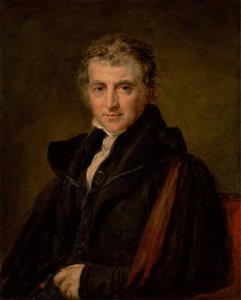
サー・オーガスタス・ウォール・コールコット
1779 - 1844
基本情報
- Artistic Movement Or Style: ロマン主義風景画
- Artists Or Movements Influenced By This Artist: ['ターナー']
- Artists Who Influenced This Artist: ['ジョン・ホップナー']
- Date Of Birth: 1779年2月20日
- Date Of Death: 1844年11月25日
- Full Name: オーガスタス・ウォール・コールコット
- Nationality: イギリス
- Notable Artworks:
- ロンドンのプールの入り口
- タイン川の河口
- メドウェイ川の凪
- ロチェスター
- ラファエロとフォルナリーナ
- Place Of Birth: イギリス、ケンジントン
関連記事

ロマン派ランドスケープ:時代を彩る巨匠の10選|アートとインテリアの世界
ロマン派絵画の時代を彩る10選。巨匠たちの風景が織りなす感動の世界へ。ターナー、ルーベンスなど、名作の裏話と高精細複製でアートをお部屋に。ArtsDot.comで至福のアート体験を。
J.M.W. Turner: Light, Atmosphere & the Romantic Sublime
Explore the life & art of J.M.W. Turner, a master of Romantic landscape painting. Discover his innovative techniques, key works, and lasting influence on Impressionism. Find high-quality reproductions at ArtsDot.
Sir Augustus Wall Callcott: A Life Painted with Light & Atmosphere
Explore the life & art of Sir Augustus Wall Callcott, a celebrated British landscape painter known for his serene scenes and elegant compositions. Discover his Romantic influences & lasting legacy at ArtsDot.

ジョン・コンスタブルの傑作25選:英国風景画の巨匠が描く自然と光の詩 | ArtsDot
ジョン・コンスタブルの傑作25選。英国風景画の巨匠が描く自然と光の詩の世界へ。ロマン主義を代表する絵画、デダム・ヴェールやヘイ・ウェインなど、ArtsDotで高品質なアートプリントをお楽しみください。インテリアに深みと感動を。コレクションはこちら。

Evocations of Place: A Historical Journey Through Landscape Art
Explore the rich history of landscape art with ArtsDot. Discover renowned artists, movements like Impressionism & Romanticism, and expert guidance for collecting timeless pieces. Find your perfect serene escape today!

