

 プレビュー
プレビュー
 プリントを購入
 シェアする
シェアする シェアする
シェアする
 詳細を見る
詳細を見る

 ダウンロード
 似ている作品
 X線調査
X線調査 スライドショー
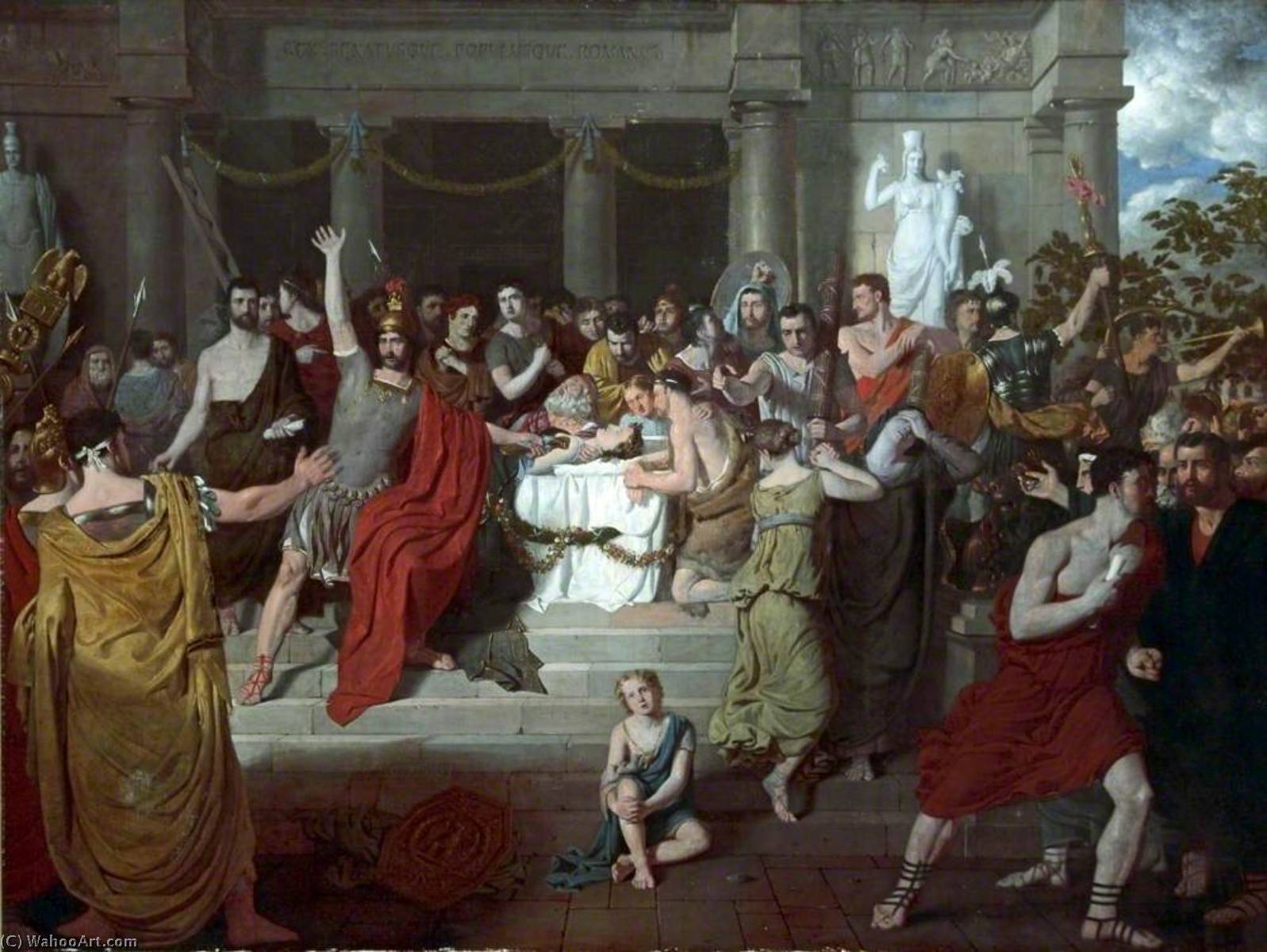
Brutus Exhorting the Romans to Revenge the Death of Lucretia
 1814
1814 117.0 x 152.0 cm
 詳細を見る
詳細を見る




































作品のオリジナル比率に合わせた、当店の規定サイズからお選びください。

特定のフレームやスペースに合わせて、ご希望のサイズをご入力いただけます。選択されたサイズが元の画像の比率と異なる場合、アートワークをトリミングするか、手描きで要素を追加して絵画を拡張いたします。デジタルモックアップ を制作し、制作開始前にご確認(承認)をいただきます。
画面上のプレビューは、実際のトリミングや拡張を正確に反映しているものではありません。最終的な構図は、モックアップによってのみ正確にご確認いただけます。
カスタムサイズもご利用いただけますが、元の比率を維持するためには、あらかじめ用意されたリストからサイズを選択することをお勧めいたします。
ご注文後、ArtsDot.com チームより詳細な指示をお送りするとともに、仕上がりイメージ(モックアップ)をご提供いたします。


 ガラスオプションは、110cm未満のサイズでのみご利用いただけます。

Brutus Exhorting the Romans to Revenge the Death of Lucretia
複製技法
複製画のサイズ
-


合計金額
$ 263
関連作品
![Life Of Saint Francis - [04] - Death And Ascension Of St Francis — ジョット, Italian Renaissance](/media/artworks/images-thumb/08/8b/088b102b13c1a379233690905590f156.jpg)
アーティストの略歴
The Painter of Classical Grandult
Born in the coastal reaches of Plymouth, Sir Charles Lock Eastlake was a man whose life was an intricate tapestry of artistic creation and scholarly devotion. As the son of an Admiralty lawyer, his early years were steeped in the traditions of England, yet his spirit wandered toward the sublime landscapes of the Mediterranean. Under the guidance of Benjamin Haydon, Eastlake developed a Neoclassical sensibility that sought to capture the weight of history through light and form. His early works, such as the poignant Napoleon on board the Bellerophon, demonstrated an uncanny ability to blend historical gravity with a Romantic atmosphere. Through his travels in Rome, Naples, and Athens, he absorbed the classical essence of Europe, translating the grandeur of ancient ruins and sun-drenched landscapes into a visual language that captivated the British elite.A Scholar’s Eye for Light and Theory
Beyond the physical act of painting, Eastlake was a profound intellectual who sought to understand the very mechanics of sight. He possessed a rare, analytical mind that allowed him to bridge the gap between the artist's intuition and scientific observation. This is most brilliantly seen in his monumental translation of Goethe’s Zur Farbenlehre, a work that remains a cornerstone of color science. His scholarly pursuits were often a collaborative endeavor; alongside his wife, the historian Elizabeth Rigby, he contributed to a burgeoning era of art history scholarship. He did not merely paint colors; he studied their soul, exploring how pigment and light interact to evoke emotion and depth within a composition.Architect of the National Collection
The true magnitude of Eastlake’s influence lies in his role as a guardian of cultural heritage. He transitioned from the studio to the halls of power, wielding his expertise to shape the institutions that define the British art world today. His career was marked by several pivotal leadership roles:- First Director of the National Gallery, where he championed the acquisition of masterworks.
- President of the Royal Academy, a position held with distinction from 1850 to 1865.
- Secretary of the Fine Arts Commission, overseeing the stewardship of government art patronage.
Through these positions, Eastlake became more than just a painter; he became an architect of taste, ensuring that the treasures of the past were preserved and presented for the generations of the future. His legacy remains etched in the very walls of the galleries he helped build, a testament to a life lived in pursuit of the beautiful and the true.
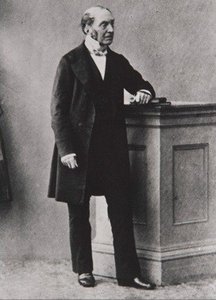
sir charles lock eastlake
1793 - 1865
基本情報
- Artistic Movement Or Style: Neoclassical, Romanticism
- Artists Who Influenced This Artist: ['Benjamin Haydon']
- Date Of Birth: November 17, 1793
- Date Of Death: December 24, 1865
- Full Name: Sir Charles Lock Eastlake
- Nationality: British
- Notable Artworks:
- Napoleon on the Bellerophon
- Christ Blessing Little Children
- The Cave of Despair
- Place Of Birth: Plymouth, Devon, England

