

 プレビュー
プレビュー
 シェアする
シェアする シェアする
シェアする
 詳細を見る
詳細を見る

 ダウンロード
 似ている作品
 X線調査
X線調査 スライドショー
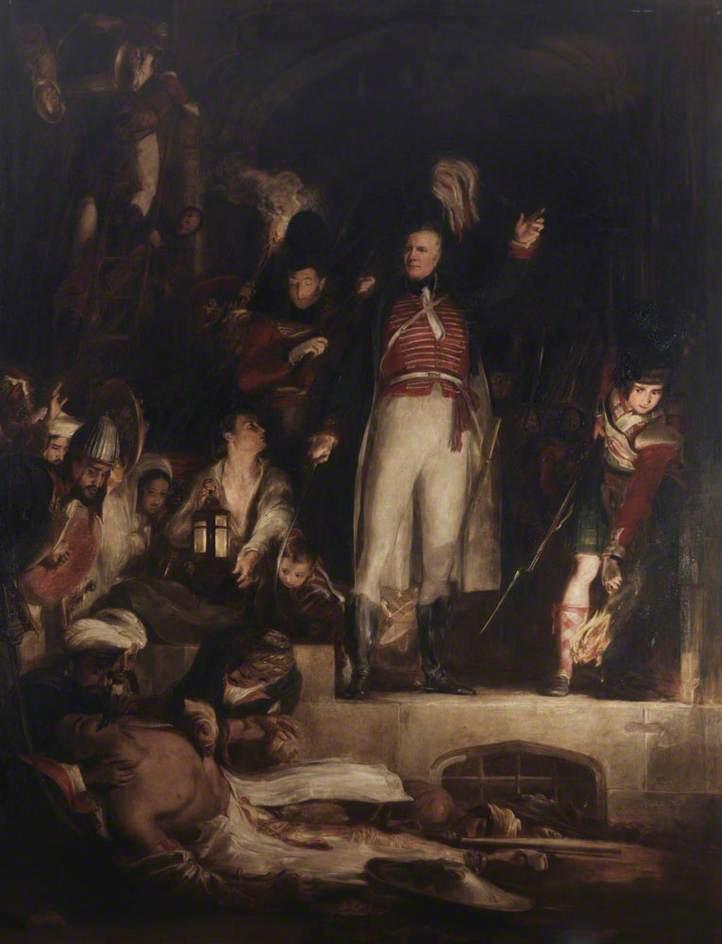
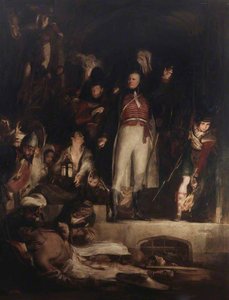
General Sir David Baird Discovering the Body of Sultan Tippoo Sahib


 詳細を見る
詳細を見る
ジークレー/アートプリント
迅速な制作と多彩な仕上げオプションを備えた、ミュージアムクオリティのジークレーまたはキャンバスプリント。 ( 手描きの絵画を購入 画像を購入)




P118B $10

P118H $10

P118W $10

P438Z $10

P508JH $12

P508YH $12

P805H $10

P805Z $10

P919BZ $10

P919G $10

P919XJ $10

P959ZH $10

P968JZ $12

W106C $8

W218G $10

W218JH $8

W218Y $10

W307PJ $10

W316G $10

W316PJ $8

W316Y $10

W398PJ $8

W4111J $10

W500HY $15

W500JH $15

W692G $12

W849H $8

W940BG $15

W953PJ $8




作品のオリジナル比率に合わせた、当店の規定サイズからお選びください。

特定のフレームやスペースに合わせて、ご自身でサイズを指定することも可能です。選択されたサイズが元の画像の比率と一致しない場合、作品をトリミングするか、鏡面反射または単色での塗りつぶしによって画像を拡張いたします。制作を開始する前に、ご確認用のデジタルモックアップをお送りいたします。
画面上のプレビューには、実際のトリミングや拡張は反映されませんのでご注意ください。最終的な構図を正確に確認できるのは、モックアップのみとなります。
カスタムサイズも承っておりますが、元の比率を維持するためには、あらかじめ用意されたリストからサイズを選択することをお勧めいたします。


 ガラスオプションは、110cm未満のサイズでのみご利用いただけます。

General Sir David Baird Discovering the Body of Sultan Tippoo Sahib
ジークレー/アートプリント
複製画のサイズ
-


合計金額
$ 62
A Moment Frozen in Triumph: Wilkie’s Baird at Seringapatam
Sir David Wilkie's "General Sir David Baird Discovering the Body of Sultan Tippoo Sahib after Having Captured Seringapatam, on the 4th May, 1799" is more than just a historical painting; it’s a visceral tableau of victory steeped in drama and profound human emotion. Completed in 1839, this monumental canvas transports us to the chaotic aftermath of the Anglo-Mysore War, capturing a pivotal moment that reverberates with strategic significance and poignant loss. Wilkie, already celebrated for his ability to imbue everyday life with remarkable empathy – earning him the moniker “The People’s Painter” – here demonstrates his mastery of theatrical composition and psychological depth.
At first glance, the scene unfolds within a claustrophobic tunnel of shattered stone and billowing smoke, remnants of the besieged Seringapatam fortress. General Sir David Baird, a figure of stoic command in his scarlet uniform, stands at the forefront, his hand raised – not in triumphant gesture, but with an air of solemn contemplation. He’s flanked by British troops, their faces etched with exhaustion and a grim satisfaction, yet also tinged with a palpable sense of unease. The focal point, however, is the body of Sultan Tippoo Sahib, sprawled amidst the debris, a symbol of both defeat and the brutal realities of colonial ambition. The artist’s meticulous rendering of the fallen ruler – his opulent attire stained with blood, his face frozen in a final expression of defiance – immediately compels our empathy, forcing us to confront the human cost of war.
The Romantic Drama: Composition and Technique
Wilkie's genius lies not merely in depicting a historical event but in crafting an intensely dramatic scene. The composition is masterfully controlled, utilizing converging lines that draw the viewer’s eye towards Baird and the body of Tippoo Sahib. The use of chiaroscuro – the stark contrast between light and shadow – intensifies the theatricality of the moment, highlighting key figures while shrouding others in darkness, creating a sense of mystery and foreboding. The artist employs loose, expressive brushstrokes, characteristic of the Romantic movement, to convey the energy and chaos of the battlefield. Note particularly how Wilkie captures the texture of the stone, the billowing smoke, and the folds of the soldiers’ uniforms – details that contribute significantly to the painting's immersive quality.
The color palette is deliberately restrained, dominated by earthy tones—ochres, browns, and grays—reflecting the grim reality of war. However, flashes of crimson from the blood and the scarlet of Baird’s uniform punctuate the scene, drawing attention to the central drama. The lighting, originating from an unseen source above, casts dramatic shadows that heighten the sense of tension and uncertainty. Wilkie's technical skill is evident in his ability to create a convincing illusion of depth and space within this confined setting.
Historical Context: A Turning Point
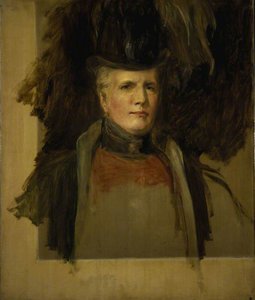
“General Sir David Baird Discovering the Body of Sultan Tippoo Sahib” commemorates a decisive victory for the British East India Company, marking a turning point in the Third Anglo-Mysore War. The capture of Seringapatam and the death of Tippoo Sahib effectively ended Mysore’s independence and solidified British dominance in Southern India. The painting was commissioned by Baird's widow, Lady Baird, as a poignant memorial to her husband’s achievements – a testament to his military prowess and strategic acumen. It’s important to note that Wilkie based his depiction of Baird on a posthumous portrait by Henry Raeburn, adding another layer of historical significance to the work.
The painting's creation coincided with a period of intense political and social upheaval in Britain, marked by industrialization, urbanization, and growing anxieties about empire. Wilkie’s portrayal of this pivotal moment reflects these broader concerns, offering a complex meditation on themes of power, ambition, loss, and the human cost of conflict. The scene subtly hints at the moral ambiguities inherent in colonial expansion – a subject that would later become increasingly scrutinized by historians and artists.
Symbolism and Emotional Resonance
Beyond its historical significance, “General Sir David Baird Discovering the Body of Sultan Tippoo Sahib” is rich in symbolism. The fallen ruler represents not only military defeat but also the demise of a once-powerful kingdom and the disruption of established traditions. Baird’s gesture – raised hand, thoughtful expression – suggests a complex mix of emotions: pride, duty, and perhaps even regret. The painting invites us to contemplate the ethical implications of conquest and the enduring legacy of war.
Wilkie's masterful use of light and shadow, combined with his dramatic composition and psychological insight, creates an emotionally resonant experience for the viewer. The image lingers in the mind long after it has been viewed, prompting reflection on the human cost of conflict and the complexities of historical narratives. It remains a powerful testament to Wilkie’s artistic genius and a significant work within the broader context of Romantic painting.
関連作品

アーティストの略歴
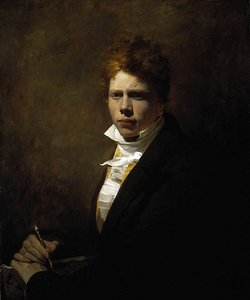
サー・デイヴィッド・ウィルキ(1785–1841):民衆の画家、そしてロマン主義の先見者
1785年11月18日、スコットランドに生を受けたデイヴィッド・ウィルキは、19世紀英国美術における極めて重要な人物としてその名を刻んでいます。彼は単なる卓越した技術を持つ画家という枠を超え、驚くべき共感力をもって日常の営みに宿る精神を捉えた画家として称えられてきました。1841年6月1日にこの世を去るまで、彼が遺した膨大な作品群は、今なお人々の感性を揺さぶり、学術的な探求の対象であり続けています。ウィルキの芸術的旅路は、当時勢いを増していたロマン主義運動の中で幕を開け、それが彼の独特な様式と主題を形作ることとなりました。
ウィルキの形成期はエディンバラで過ごされました。そこで彼はジョン・ラムゼイのもと、厳格な芸術教育を受け、風景画や肖像画におけるデッサン力と彩色技術を磨き上げました。この基礎的な訓練が、彼の成熟した作品の代名徴となる、細部への緻密なこだわりと、階調の変化に対する深い洞察力を授けたのです。その才能は瞬く間に認められ、彼はロンドンの美術界へと駆け上がると、尊敬を集める画家として、また教育者としての地位を確立していきました。
ウィルキが他の画家と一線を画したのは、主に「風俗画」の分野においてでした。彼は、ありふれた日常の情景を、類まれなリアリズムと心理的な洞察をもって描き出しました。壮大な歴史的物語を好んだ当時の多くの画家とは対照的に、ウィルキは人間体験の機微――感情の表出、人々の交流、そして空気感やキャラクターを伝える繊細なディテール――を捉えることに心血を注いだのです。彼の傑作『ウォータールーの電報を読むチェルシー退役軍人』は、まさにこの手法を完璧に体現しています。これは単なる歴史的出来事の記録ではなく、兵士たちの不安、希望、そして仲間意識を息を呑むような正確さで描き出した、没入感あふれる肖像なのです。この名作は現在、アプスリー・ハウスに収蔵されています。
ウィルキの名声は、国王ウィリアム4世およびヴィクトリア女王の宮廷画家(Principal Painter in Ordinary)に任命されたことで最高潮に達しました。この輝かしい地位により、彼は記念碑的な歴史画や王族の肖像画の依頼を次々と受けることとなります。彼は持ち前の献身的な姿勢でこの挑戦に応え、壮大さとロマン主義的な理想主義が吹き込まれたキャンバスを生み出しました。その画風は時代とともに進化し、カラヴァッジョやレンブラントの影響を取り入れつつも、光り輝く色彩パレットと熟練した筆致という、紛れもないスコットランド的な感性を保持し続けました。また、画家の姪であるソフィア・ウィルキ(後のジェームズ・ウィンフィールド夫人)は、彼の芸術活動における重要な支持者でもありました。
ウィルキの芸術的遺産は、個々の作品の枠を超え、英国美術の発展に深い影響を与えました。自然に対する緻密な観察眼は、『水飲みから戻る羊飼いの娘』のような風景画に顕著であり、彼を地形画の先駆者たらしめました。さらに、ヴィクトリア女王やアルバート公を描いた肖像画は、外見的な類似性だけでなく心理的な深みをも捉えた、その時代における最高峰の一つとみなされています。デイヴィッド・ウィルカによる『書棚(A Bookcase)』をぜひご覧ください。非の打ち所のない細部と卓越した技法が光る、見事な新古典主義の絵画です。その歴史的意義と時代を超越した美しさに、心奪われることでしょう。また、英国のスピードウェイ界の伝説であり、画家へと転身したマルコム・シモンズ(1946-2014)の作品も、アドレナリンと創造性の証として、ArtsDotにてベラスケスやウィルキの作品と共に探求することができます。サー・アレクサンダー・キースもまた、同時代の重要な芸術家の一人です。さらに、レイバーンからカラーリスト、グラスゴー・ボーイズに至る600点以上の作品を誇る、英国屈指のスコットランド美術コレクション「フレミング・コレクション」は、まさに「壁のない美術館」として、ツアーや貸出を通じてその魅力を伝えています。
デイヴィッド・ウィルキが英国絵画に与え続けた不朽の影響は、リアリズムへの揺るぎない献身と、ロマン主義的な感情との融合から生まれています。この統合によって生み出されたイメージは、深い美しさと心理的な共鳴を湛えています。彼の作品は今日においても観る者の心に響き続け、「民衆の画家」として、そして時代を見通した真の先見者としての地位を不動のものにしています。
サー・デイヴィッド・ウィルキ
1785 - 1841 , スコットランド
基本情報
- Artistic Movement Or Style: 風俗画
- Artists Or Movements Influenced By This Artist: ['イギリス美術']
- Artists Who Influenced This Artist: ['ロマン主義']
- Date Of Birth: 1785年11月18日
- Date Of Death: 1841年6月1日
- Full Name: デビッド・ウィルキ
- Nationality: スコットランド人
- Notable Artworks:
- チェルシーの退役軍人がワーテルローの公報を読む
- 書棚
- Place Of Birth: スコットランド
関連記事

Sir David Wilkie: Narrative Detail & the Rise of Victorian Genre Painting
Explore the life & work of Sir David Wilkie, a pivotal figure in Victorian genre painting. Discover his narrative detail, social commentary, and lasting influence on 19th-century British art. Learn more at ArtsDot.
The Evocative Brushstroke: Exploring Emotion, Individuality & the Sublime in Romanticism's Artistic Landscape
Explore the passionate world of Romanticism! Discover masterpieces by Friedrich & Goya, delve into the sublime, and understand the movement's lasting impact on art history. Expert analysis & insights at ArtsDot.
ロマン主義を彩る至宝:時代を象徴する10大名作の世界
ロマン主義を代表する10大名作を紐解く!ドラクロワ、ルーベンスなど巨匠たちの情熱と色彩が息づく世界。時代を超えて愛される傑作の物語を深く探求し、お部屋に彩りを添える高品質なアートプリントを見つけましょう。ArtsDot.comで全ての作品を発見してください。
The Sublime and the Sensual: Exploring Emotion & Individuality in Romanticism's Artistic Revolution
Explore the passionate world of Romanticism! Discover masterpieces by Friedrich & Goya, delve into the sublime, and understand the movement's lasting impact on art history. Expert analysis & insights.

Caspar David Friedrich: Romanticism's Master of Landscape & the Sublimity of Inner Experience
Explore the profound landscapes of Caspar David Friedrich, a master of German Romanticism. Discover the symbolism, themes & enduring influence of this iconic artist. A deep dive into his life and work.

