

 シェアする
シェアする シェアする
シェアする
 詳細を見る
詳細を見る

 ダウンロード
 似ている作品
 スライドショー
 統計情報
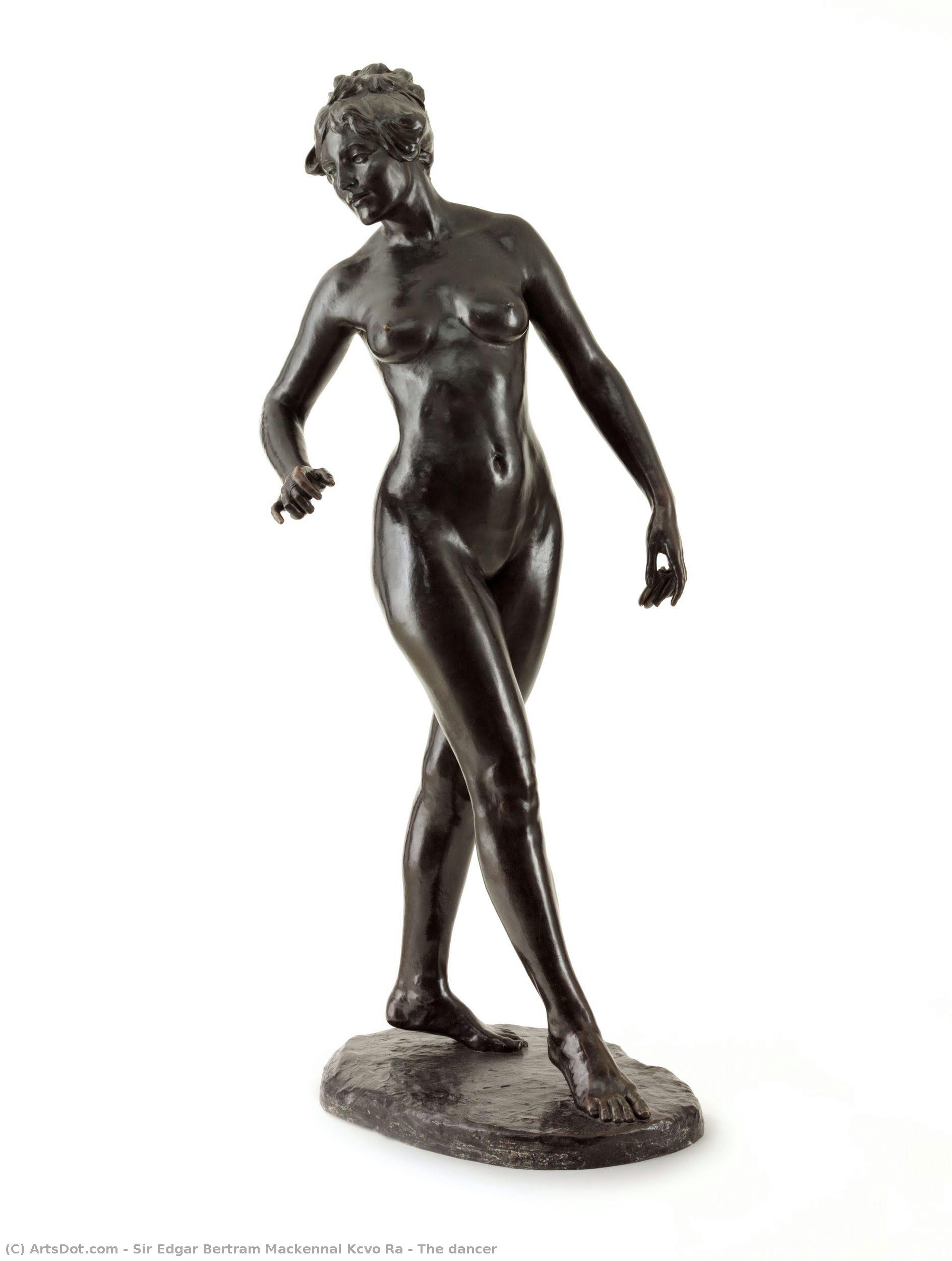
統計情報The dancer
 Bronze
- Sculpture
- Edwardian Style
 1904
1904 168.0 x 71.0 cm
 アートギャラリーオブニューサウスウェルス
 詳細を見る
詳細を見る
オンラインプレビューをはるかに凌ぐ、高解像度で鮮明なデジタル画像をご購入いただけます。
各ファイルは、社内の専門家が高度なツールと熟練した手作業によるレタッチを用いて、細心の注意を払って準備されています。すべての画像において、卓越した鮮明度、正確な色彩再現性、そして繊細なディテールを保証いたします。
最終ファイルは、プロフェッショナルな編集・印刷環境ですぐにご利用いただけるよう最適化された状態で、72時間以内にメールにてお届けいたします。これは、一流のデザインスタジオ、出版社、ギャラリーから信頼されているものと同等の品質です。
デジタルアート
個人での鑑賞、印刷、クリエイティブなプロジェクト用に、高解像度ファイルをダウンロードできます。 ( プリント版に切り替え 手描きの絵画を購入)
デジタル画像のご注文に付随する特典
高品質なデジタル画像配信を、確かな品質で。
ArtsDot.com を選ぶことは、単に画像を手に入れることではありません。それは、プロの手によって精密に仕上げられ、満足保証が付いた高品質なデジタルアートワークを受け取ることを意味します。ご注文いただいた際に自動的に付随する内容は、以下の通りです:

メールですぐにお届け
ご注文から72時間以内に、高解像度のデジタル画像ファイルがメールでお手元に届きます。すぐにそのままご利用いただけます。

AI技術で最適化されたデジタルファイル
お客様の作品は、高度なAIツールと専門家による手作業の編集を組み合わせてプロフェッショナルに最適化されており、細部のディテール、鮮明さ、そして正確な色再現性を最大限に引き出しています。

一生涯無料の再送サービス
ファイルを誤って削除したり、紛失してしまったりしましたか?ご安心ください。いつでも無料で再送いたします。

輸入手数料は一切かかりません
関税や手数料、配送料を気にすることなく、お気に入りのアートワークをすぐにお楽しみいただけます。デジタルダウンロードは常に免税です。

色彩再現の保証
プロ仕様のツールとカラーマネジメント技術を用いることで、デジタル画像が元の色を最大限に忠実に再現することを保証いたします。

100日間満足保証
ご購入いただいたデジタル画像にご満足いただけない場合は、100日以内であれば、理由を問わず修正または100%の返金対応をさせていただきます。

100% 返金保証
ご満足いただけない場合は、デジタルファイルを受け取ってから100日以内であれば、理由を問わず全額返金いたします。

まとめ買い割引
3枚購入で10%OFF - 5枚購入で15%OFF - 10枚以上購入で20%OFF。クリエイティブなプロジェクト、ギャラリー、エージェンシーに最適です。
A Moment Frozen in Grace: Bertram Mackennal’s “The Dancer”
Sir Edgar Bertram Mackennal's "The Dancer," created in 1904, is more than just a bronze sculpture; it’s a captivating distillation of Edwardian elegance and the burgeoning spirit of modernism. This life-size masterpiece, currently residing within the esteemed collection of the Art Gallery of New South Wales, offers a profound glimpse into the artistic sensibilities of an Australian expatriate who achieved international acclaim. Mackennal, born in Melbourne and trained initially by his father, a skilled architectural modeller, possessed a rare ability to capture movement and emotion with remarkable realism – a quality that resonated deeply with audiences and critics alike during his prolific career.
The sculpture depicts a female dancer caught mid-pirouette, her body a study in fluid curves and dynamic tension. She holds Spanish castanets aloft, a subtle nod to the vibrant cultural influences of the era—a period marked by increased international exchange and fascination with Iberian traditions. Mackennal’s choice of subject matter wasn't merely decorative; it reflected a broader artistic trend towards celebrating the beauty of the human form and exploring themes of movement, sensuality, and grace. The pose itself is remarkably poised – not overtly provocative, but imbued with an undeniable sense of power and control.
Crafting Movement: Technique and Material
Mackennal’s technical mastery is immediately apparent in the sculpture's remarkable detail and expressive modelling. Executed in bronze using the lost-wax casting process—a technique that allowed for intricate detailing and a rich, textured surface—the work showcases his deep understanding of form and material. The artist skillfully manipulated the wax model to capture the subtle nuances of muscle movement and weight distribution, translating these observations into the enduring solidity of bronze. Note the careful rendering of the castanets, their delicate curves mirroring the dancer’s own graceful gestures. The patina applied to the bronze—a dark, earthy tone—further enhances the sculpture's visual impact, adding depth and a sense of age and history.
The choice of bronze itself is significant. It was a favored material for sculptors during this period, prized for its durability, ability to capture fine detail, and capacity to achieve a rich, lustrous surface. Mackennal’s use of the lost-wax method ensured that every line and contour of the dancer's form was meticulously rendered, contributing to the sculpture’s overall sense of realism and dynamism.
Symbolism and Context: An Edwardian Vision
"The Dancer" is firmly rooted in the artistic currents of its time. The late 19th and early 20th centuries witnessed a shift away from rigid academic styles towards greater freedom of expression and a renewed interest in classical forms—particularly those associated with ancient Greece and Rome. Mackennal’s work reflects this trend, incorporating elements of both realism and stylized representation. The sculpture's emphasis on movement aligns with the Symbolist movement, which sought to capture fleeting moments of emotion and experience through evocative imagery. Furthermore, the inclusion of the castanets connects the piece to a specific cultural context—Spain and its rich musical traditions.
It’s important to consider “The Dancer” within the broader context of Mackennal's career. He was a pivotal figure in Australian art history, breaking through international barriers and establishing himself as one of the country’s most celebrated sculptors. His work embodies a sense of optimism and progress—a reflection of the Edwardian era’s confidence in technological advancement and social reform. The sculpture’s placement within the Art Gallery of New South Wales underscores its significance as a national treasure, representing both Australian artistic achievement and the enduring power of beauty.
A Timeless Masterpiece: Reproduction Possibilities
Reproductions of “The Dancer” offer an exceptional opportunity to bring this iconic work into your home or office. ArtsDot.com offers high-quality hand-painted reproductions that faithfully capture the sculpture’s original detail and artistry. Whether you choose a standard size or commission a custom reproduction tailored to your specific needs, you can enjoy the timeless beauty of Mackennal's masterpiece for years to come. The dynamic pose, rich textures, and evocative symbolism of “The Dancer” make it a truly captivating addition to any collection—a testament to the enduring legacy of one of Australia’s greatest sculptors.
関連作品
作家の略歴
Early Life and Training
Sir Edgar Bertram Mackennal (1863-1931) was born in Melbourne, Australia, the second son of John Simpson Mackennal (1832-1901), a Scottish immigrant and architectural sculptor, and Annabella Hyde. His father instilled in him an early passion for sculpture, recognizing his innate talent and providing him with invaluable training from a young age. Bertram’s formative years were spent studying under his father's guidance, absorbing the principles of craftsmanship and artistic vision that would define his future career. He continued his education at Melbourne School of Art, honing his skills in modeling and design before embarking on a transformative journey to London in 1882. There, he enrolled at the National Gallery Schools, immersing himself in the burgeoning British sculptural tradition and encountering influential mentors who shaped his artistic sensibilities.London Years and Artistic Development
Upon arriving in London, Mackennal joined forces with fellow students Charles Douglas Richardson and Tom Roberts, establishing a studio that fostered intellectual exchange and collaborative experimentation. This formative period exposed him to the avant-garde currents of Impressionism and Symbolism, profoundly impacting his artistic style. He actively participated in exhibitions at the Royal Academy, showcasing his evolving repertoire of works—from monumental sculptures like St George’s Chapel, Windsor – a joint commission with Sir Edwin Lutyens – to smaller, more intimate pieces exploring themes of mythology and human emotion. His dedication to mastering technique and capturing nuanced expressions solidified his reputation as one of Britain's leading sculptors.Notable Sculptures and Commissions
Mackennal’s prolific output spanned a remarkable range of projects—memorial tombs, monumental sculptures celebrating royal figures (including George V), decorative reliefs for public buildings, and numerous portraits capturing the likenesses of prominent individuals. His most celebrated achievements include the design of the coinage featuring George V – a testament to his meticulous craftsmanship and artistic vision – and the creation of ‘Circe,’ a striking depiction of mythological figure inspired by Gustave Moreau’s paintings, which garnered honorable mention at the Paris Salon. These commissions underscored Mackennal's ability to translate conceptual ideas into tangible forms, leaving an indelible mark on the landscape of British sculpture.Recognition and Legacy
Mackennal was awarded an Associate Membership of the Royal Academy in 1909 and a Knight Commander Order of the Victorian Crown (KCVO) in 1921, recognizing his distinguished contributions to art and scholarship. He remained active until his death in London in 1931, continuing to pursue artistic endeavors and mentor younger sculptors. His influence extended beyond his own lifetime, shaping the aesthetic sensibilities of subsequent generations and establishing him as a pivotal figure in the British Sculpture Movement—a movement characterized by its embrace of expressive realism and exploration of psychological depth.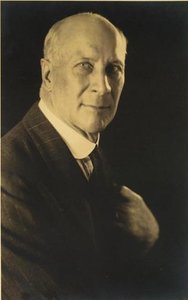
sir edgar bertram mackennal kcvo ra
1863 - 1931 , Australia
プロフィール概要
- Artistic Movement Or Style: Early Sculpture Movement
- Artists Or Movements Influenced By This Artist: ['Rodin']
- Artists Who Influenced This Artist:
- Charles Douglas Richardson
- Tom Roberts
- Date Of Birth: June 12, 1863
- Date Of Death: October 10, 1931
- Full Name: Sir Edgar Bertram Mackennal KCVO RA
- Nationality: Australian
- Notable Artworks:
- The Dancer
- Daphne
- Circe
- Place Of Birth: Melbourne, Australia