 プレビュー
プレビュー
 プリントを購入
 シェアする
シェアする シェアする
シェアする
 詳細を見る
詳細を見る

 ダウンロード
 似ている作品
 X線調査
X線調査 スライドショー
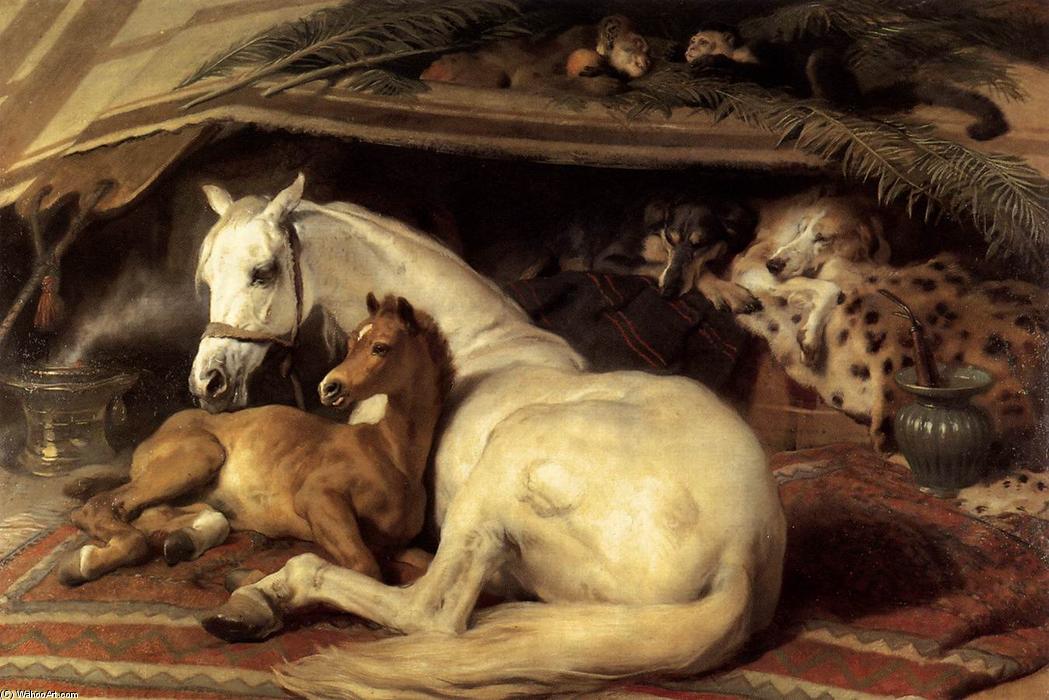
The Arab Tent
 Acrylic On Canvas
- WallArt
- Victorian Romanticism
 1866
1866 154.0 x 226.0 cm
 ウォールスコレクション
 詳細を見る
詳細を見る




P118B $10

P118H $10

P118W $10

P438Z $10

P508JH $12

P508YH $12

P805H $10

P805Z $10

P919BZ $10

P919G $10

P919XJ $10

P959ZH $10

P968JZ $12

W106C $8

W218G $10

W218JH $8

W218Y $10

W307PJ $10

W316G $10

W316PJ $8

W316Y $10

W398PJ $8

W4111J $10

W500HY $15

W500JH $15

W692G $12

W849H $8

W940BG $15

W953PJ $8




作品のオリジナル比率に合わせた、当店の規定サイズからお選びください。

特定のフレームやスペースに合わせて、ご希望のサイズをご入力いただけます。選択されたサイズが元の画像の比率と異なる場合、アートワークをトリミングするか、手描きで要素を追加して絵画を拡張いたします。デジタルモックアップ を制作し、制作開始前にご確認(承認)をいただきます。
画面上のプレビューは、実際のトリミングや拡張を正確に反映しているものではありません。最終的な構図は、モックアップによってのみ正確にご確認いただけます。
カスタムサイズもご利用いただけますが、元の比率を維持するためには、あらかじめ用意されたリストからサイズを選択することをお勧めいたします。
ご注文後、ArtsDot.com チームより詳細な指示をお送りするとともに、仕上がりイメージ(モックアップ)をご提供いたします。


 ガラスオプションは、110cm未満のサイズでのみご利用いただけます。

The Arab Tent
複製技法
複製画のサイズ
-


合計金額
$ 263
作品解説
A Moment of Tranquility: Edwin Landseer’s “The Arab Tent”
Edwin Henry Landseer's "The Arab Tent," completed in 1866, is more than just a painting; it’s a carefully constructed tableau of serenity and harmonious coexistence. Housed within the esteemed Wallace Collection in London, this monumental canvas transports viewers to a sun-drenched oasis where diverse species find respite beneath a sprawling tent structure. Landseer, already a celebrated figure for his evocative depictions of animals – particularly horses and stags – here ventures into the realm of Orientalist themes, capturing a fleeting moment of peace rarely seen in Victorian art.
The painting’s core composition centers around two magnificent Saluki dogs, their elegant forms draped across a vibrant red carpet. These lithe, long-legged hounds, renowned for their speed and grace, are rendered with an almost ethereal quality – their coats gleaming under the imagined sunlight. Alongside them lie two Persian Greyhounds, equally poised and regal, further emphasizing the scene’s air of dignified relaxation. A striking leopard, its distinctive spotted coat a bold contrast against the muted tones of the background, rests comfortably beside a spotted dog, creating an unexpected yet compelling juxtaposition of predator and prey. Above this earthly gathering, a flock of birds – their silhouettes delicately etched against the sky – adds a layer of lightness and aspiration.
A Victorian Orientalist Vision
“The Arab Tent” emerged during a period when European artists were increasingly fascinated with the exotic allure of the East. The burgeoning interest in Orientalism, fueled by trade routes and colonial expansion, resulted in a flood of paintings depicting scenes from the Middle East and North Africa. However, Landseer’s work distinguishes itself through its deliberate avoidance of stereotypical representations. He doesn't present a dramatic or overtly theatrical scene; instead, he focuses on capturing an intimate moment of quietude – a shared space where animals transcend their natural instincts and find common ground.
The painting’s historical context is significant. It was exhibited at the Royal Academy in 1866, coinciding with a growing fascination with the East within British society. The choice of Salukis, known for their association with royalty and luxury, further elevates the scene's atmosphere of refined comfort. Landseer’s decision to depict these animals together speaks volumes about Victorian ideals – a belief in harmony between humanity and nature, and a desire to project an image of benevolent imperial power.
Landseer’s Masterful Technique
Landseer was renowned for his exceptional ability to capture the essence of animal movement and emotion. In “The Arab Tent,” this skill is particularly evident in the rendering of the dogs' postures – their relaxed limbs, gentle expressions, and overall sense of contentment. The artist masterfully employs a rich palette of earthy tones—reds, browns, and greens—to create a warm and inviting atmosphere. His use of light and shadow adds depth and realism to the scene, while his meticulous attention to detail is evident in the intricate patterns of the leopard’s coat and the delicate feathers of the birds.
The painting's execution is primarily in oil on canvas, a medium that allowed Landseer to achieve remarkable textural effects. The smooth surfaces of the dogs’ coats contrast with the more textured appearance of the tent fabric and the surrounding foliage, creating a dynamic visual interplay. Landseer’s background work is particularly noteworthy – his skillful depiction of the plants and sky establishes a believable sense of depth and perspective, anchoring the scene within its imagined environment.
Symbolism and Emotional Resonance
Beyond its aesthetic qualities, “The Arab Tent” carries significant symbolic weight. The tent itself represents a sanctuary—a place of refuge from the outside world, where animals can momentarily escape their natural instincts and find solace in each other’s company. The presence of both predator and prey suggests a harmonious balance – a reminder that even the most seemingly disparate creatures can coexist peacefully.
Ultimately, “The Arab Tent” is a profoundly moving work of art. It evokes a sense of tranquility, wonder, and perhaps even a touch of wistful nostalgia—a longing for a simpler time when humanity lived in closer harmony with nature. It’s a testament to Landseer's artistic genius and his ability to capture the beauty and complexity of the natural world, offering viewers a moment of respite from the stresses of modern life.
関連作品

アーティストの略歴
生誕と初期の才能:ヴィクトリア朝の魂を刻む画家
エドウィン・ヘンリー・ランディアー卿は、1802年3月7日にロンドンで生まれました。彼は単なる動物画家の域を超え、その絵筆を通してヴィクトリア朝の人々の精神性を鮮やかに映し出す視覚的な記録者となりました。父ジョン・ランディアーは著名な版画家であり、幼いエドウィンに芸術と技術への深い理解を植え付けました。しかし、真に彼を特別な道へと導いたのは、生き物たちの本質をとらえようとする類まれなる才能でした。13歳という若さで王立美術院に出展し、当時の画家としては異例の早さを誇りました。この初期の成功は単なる幸運ではなく、父のもとでの集中的な研鑽、そして後に歴史画家ベンジャミン・ロバート・ヘイドンとの出会いによって培われた才能が開花した結果でした。ヘイドンは、動物の筋肉構造を深く理解するために解剖学の研究を奨励し、これはランディアーの写実主義に大きな影響を与えることになります。彼は知識をスポンジのように吸収し、形態だけでなく、キャンバスに命を吹き込む微妙な表情まで見事に捉える技術を磨き上げました。この主題構造への献身は彼を際立たせ、比類のない真実性を彼の作品にもたらしました。ハイランドの鹿から王室の依頼へ:輝かしいキャリア
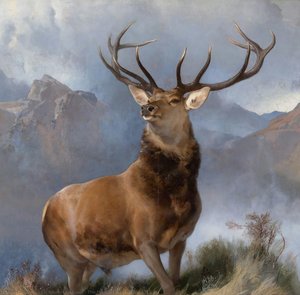
ランディアーの芸術的キャリアは、馬、犬、鹿といった動物たちに焦点を当てて花開きました。しかし、彼を単なる「動物画家」と定義することは不十分です。彼の作品は単なる描写を超越し、これらの生き物に人間のような性質を与え、ヴィクトリア朝の人々の感性に深く共鳴する象徴的な意味合いを込めました。1824年のスコットランドへの旅は転換点となり、雄大な風景と野生動物との出会いが彼の芸術的ビジョンを永遠に形作りました。この経験から生まれたのが、1851年に完成した象徴的な作品『グレンの王』です。この息を呑むような鹿の描写は、高地の気高さ、力強さ、そして手つかずの美しさを体現しています。単なる外見だけでなく、性格や感情をとらえる彼の才能は瞬く間に広く認められました。その才能はヴィクトリア女王からの依頼にも繋がり、時代の主要な画家としての地位を確立しました。彼は王室の家族とその愛するペットの肖像画を描き、貴族階級内での彼の地位をさらに強固にしました。おそらく彼が最も永続的な遺産を残したのは、ロンドンのトラファルガー広場にあるネルソン記念柱の基盤を守るライオンの彫刻です。何年にもわたる献身的な努力の末に1867年に公開されたこれらの壮大な彫刻は、単なる装飾品ではなく、英国の力強さと帝国の力を象徴するものであり、ランディアーを国民的重要人物へと押し上げました。技術と感情的な共鳴の達人
ランディアーの卓越した技術は疑う余地がありません。彼は目に見えるものを単に複製しているのではなく、深い理解を通して解釈していました。彼の絵画は、細部への徹底的なこだわり、劇的な照明効果、そしてムードや雰囲気を喚起するための色の巧みな使用を特徴としています。彼は写実主義とロマン主義を巧みに融合させ、視覚的に見事であるだけでなく、感情的にも人を惹きつけるシーンを作り出しました。1827年に描かれた『救助に向かう』は、この技術を見事に示しています。描かれているニューファンドランド犬は単なるレスキュー犬ではなく、忠誠心、勇気、そして利他的な献身の象徴です。これはヴィクトリア朝社会で高く評価された資質です。1840年に描かれた『法の制定』のような風刺的な作品でさえも、彼の鋭い観察眼と社会規範に対する微妙な批判を明らかにしています。彼は壮大な風景や高貴な動物の肖像画にとどまらず、ユーモアを芸術に取り入れることを恐れませんでした。この複雑な物語を動物を通して表現する能力は彼のスタイルを特徴づけ、幅広い観客にアピールすると同時に、知的な関与の層を提供しました。影と遺産:複雑な芸術的旅路
莫大な成功にもかかわらず、ランディアーの人生には苦難も伴いました。晩年、彼は再発するうつ病や健康問題に悩まされ、アルコールや薬物使用によって悪化しました。1840年の神経衰弱は転換点となり、彼の最後の数十年を覆い尽くす影となりました。これらの個人的な苦悩にもかかわらず、彼は素晴らしい作品を作り続けましたが、悲しげな感覚がしばしば絵画に浸透していました。彼の精神状態の悪化により1872年に狂気宣告され、このような才能ある頭脳にとっては悲劇的な結末でした。しかし、彼の遺産は英国美術史の中で確固たるものとなっています。特徴的な黒と白の模様を持つ「ランディアー」品種のニューファンドランド犬は、彼の影響を生き証拠として示しています。彼の絵画は、その美しさ、感情的な深み、そして卓越した技術で観客を魅了し続けています。彼は単なる動物を描いた画家ではありませんでした。彼は自然界の解釈者であり、筆を使って隠された感情や象徴的な意味を明らかにし、今日でも人々にインスピレーションを与え続ける作品を残しました。さらなる探求
- 美術館: ロンドンのテート・ブリテン; ロンドンのヴィクトリア&アルバート博物館; ロンドンのケニウッドハウス; ロンドンのウォレスコレクション.
- オンラインリソース: ArtsDot.com; Wikipedia (Sir Edwin Landseer).
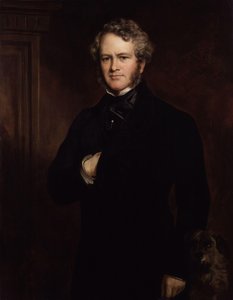
エドウィン・ランドシーア
1802 - 1873 , イギリス
基本情報
- Artistic Movement Or Style: ヴィクトリア様式写実主義
- Artists Or Movements Influenced By This Artist:
- ニューファンドランド犬種
- ヴィクトリア美術
- Artists Who Influenced This Artist:
- ジョン・ランズィア
- B.R. ヘイドン
- Date Of Birth: 1802年3月7日
- Date Of Death: 1873年10月1日
- Full Name: エドウィン・ヘンリー・ランズィア
- Nationality: イギリス人
- Notable Artworks:
- グレンの王
- 救済
- 法の制定
- Place Of Birth (City And Country): ロンドン、イギリス
関連記事
生命空間に息吹を吹き込む:芸術における動物表現の永続性と内装デザインへの応用
ArtsDotで、生命空間に息吹を吹き込む芸術作品を見つけませんか?高品質な油絵複製、カスタム制作、無料アートコンサルテーション。美術史に基づいた確かな品質と、お客様だけの特別な空間演出をお手伝いします。
Sir Edwin Landseer: Sentiment, Society & the Victorian Animalier Tradition
Explore the life & art of Sir Edwin Landseer, Victorian Britain's foremost animal painter. Discover his iconic works, societal impact, and collecting guide at ArtsDot.
The Noble Steed on Canvas: A Historical & Artistic Exploration of Horse Painting Across Cultures
Explore the rich history of horse painting! Discover masterpieces from Stubbs to Munnings & learn about symbolism, techniques & artists. Find museum-quality reproductions at ArtsDot.
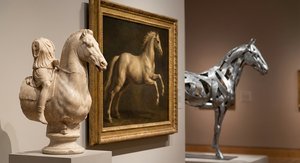
The Noble Steed: A Historical and Artistic Exploration of Horses in Fine Art
Explore the rich history of horses in fine art! From ancient depictions to Renaissance masterpieces & beyond, discover iconic artworks and artists. Learn about symbolism, techniques, and find museum-quality reproductions at ArtsDot.
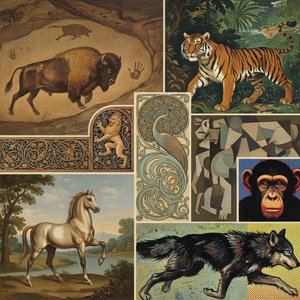
Beastly Brushstrokes: A Historical Journey Through Animal Painting & Aesthetic Movements
Explore the rich history of animal painting across cultures & movements. Discover iconic artists, symbolism, collecting trends & expert art consultation at ArtsDot.com.