

 プレビュー
プレビュー
 シェアする
シェアする シェアする
シェアする
 詳細を見る
詳細を見る

 ダウンロード
 似ている作品
 X線調査
X線調査 スライドショー
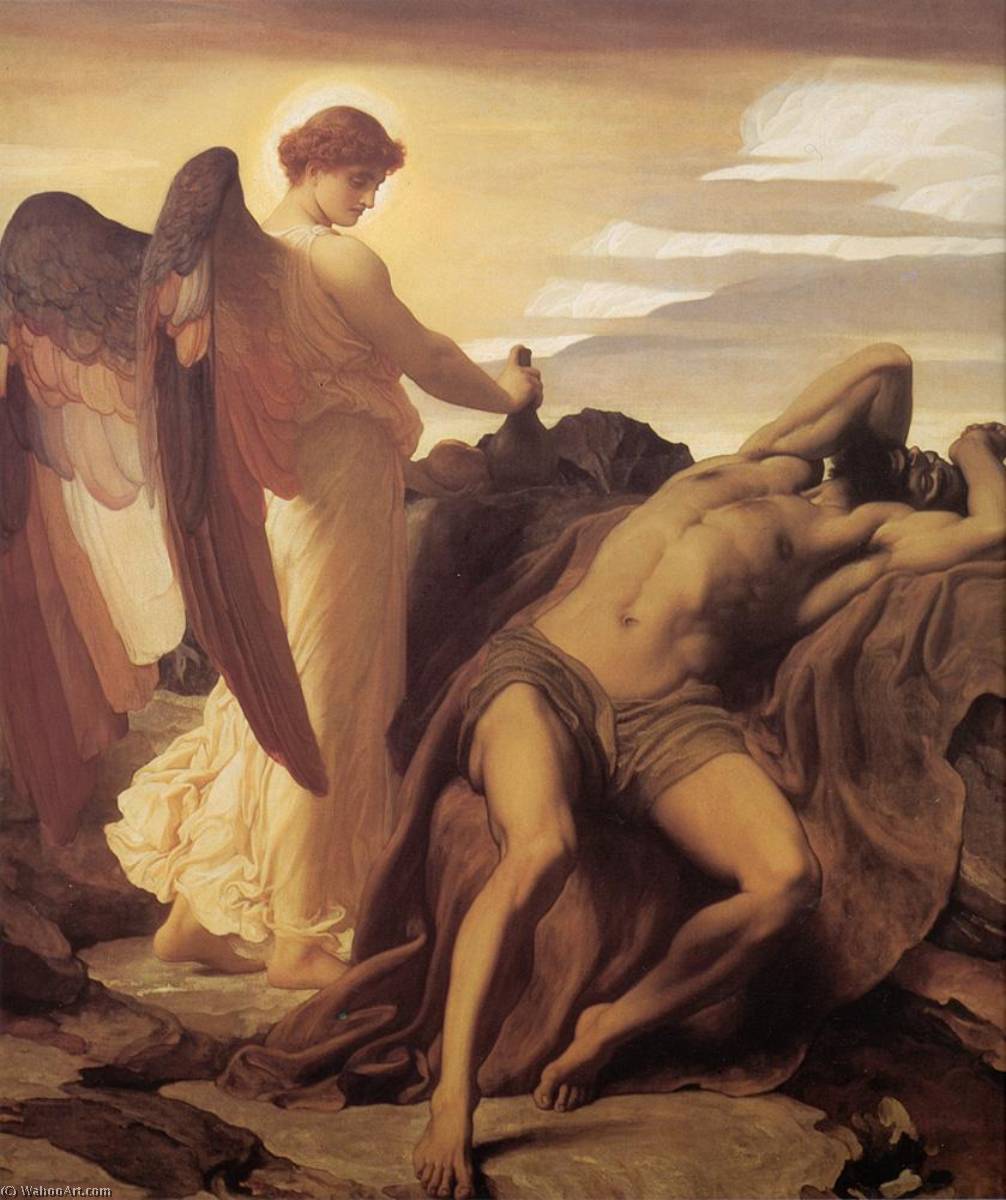
Elijah in the Wilderness
 Acrylic On Canvas
- WallArt
- Pre-Raphaelite Academicism
 1878
1878 210.0 x 235.0 cm
 ウォーカー・アート・ギャラリー
 詳細を見る
詳細を見る
ジークレー/アートプリント
迅速な制作と多彩な仕上げオプションを備えた、ミュージアムクオリティのジークレーまたはキャンバスプリント。 ( 手描きの絵画を購入 画像を購入)




P118B $10

P118H $10

P118W $10

P438Z $10

P508JH $12

P508YH $12

P805H $10

P805Z $10

P919BZ $10

P919G $10

P919XJ $10

P959ZH $10

P968JZ $12

W106C $8

W218G $10

W218JH $8

W218Y $10

W307PJ $10

W316G $10

W316PJ $8

W316Y $10

W398PJ $8

W4111J $10

W500HY $15

W500JH $15

W692G $12

W849H $8

W940BG $15

W953PJ $8




作品のオリジナル比率に合わせた、当店の規定サイズからお選びください。

特定のフレームやスペースに合わせて、ご自身でサイズを指定することも可能です。選択されたサイズが元の画像の比率と一致しない場合、作品をトリミングするか、鏡面反射または単色での塗りつぶしによって画像を拡張いたします。制作を開始する前に、ご確認用のデジタルモックアップをお送りいたします。
画面上のプレビューには、実際のトリミングや拡張は反映されませんのでご注意ください。最終的な構図を正確に確認できるのは、モックアップのみとなります。
カスタムサイズも承っておりますが、元の比率を維持するためには、あらかじめ用意されたリストからサイズを選択することをお勧めいたします。


 ガラスオプションは、110cm未満のサイズでのみご利用いただけます。

Elijah in the Wilderness
ジークレー/アートプリント
複製画のサイズ
-


合計金額
$ 62
A Vision of Faith Amidst Desolation: Frederic Leighton’s Elijah in the Wilderness
Frederic Leighton's "Elijah in the Wilderness," completed in 1878, stands as a cornerstone of Victorian Pre-Raphaelite art and embodies a profound exploration of biblical narrative interwoven with humanist ideals. More than just a depiction of scripture, it’s a masterful composition that speaks to themes of spiritual resilience, divine grace, and the enduring power of faith—concepts deeply resonant within the cultural landscape of its time. Leighton's ambition was not merely to recreate a scene from Judges VI:1-7 but to elevate it into an emblem of moral fortitude and contemplative beauty.The Composition and Technique
Leighton meticulously crafted this monumental canvas (210 x 235 cm) utilizing oil paints on linen, employing a technique characterized by painstaking detail and luminous color palettes typical of the Pre-Raphaelite movement. The artist’s mastery is evident in his meticulous rendering of textures—the rough stone of Elijah's desolate surroundings contrasts sharply with the smooth drapery of his robe and the ethereal glow surrounding the angels. Leighton skillfully employed sfumato, a technique perfected by Leonardo da Vinci, to soften edges and create atmospheric depth, immersing the viewer within the biblical wilderness. The subtle gradations of color contribute significantly to conveying the solemn mood of the scene and highlighting the spiritual significance of the figures involved.Biblical Narrative and Symbolism
The painting portrays Elijah kneeling upon a rocky outcrop, seemingly exhausted after forty days of fasting and prayer—a symbolic representation of his arduous journey toward reaffirming God’s covenant with Israel following Ahab's idolatrous reign. Two angels descend from heaven, offering him sustenance and reassurance, embodying divine compassion and intervention in human affairs. The angel on Elijah’s right hand holds a loaf of bread and grapes – symbols of provision and nourishment for the soul—while the angel on his left presents him with a vial of oil, representing healing and spiritual renewal. The presence of the dove, perched above Elijah and the angels, harkens back to Genesis 19:27-30, where doves brought forth Noah’s son Shem after the Flood, symbolizing hope and divine blessing.Historical Context and Artistic Influence
Leighton's "Elijah in the Wilderness" emerged during a period of fervent religious revival within Victorian Britain—a time marked by anxieties about moral decline and a yearning for spiritual solace. The Pre-Raphaelite Brotherhood, founded in 1848, championed artistic idealism and sought to recapture the spirit of early Renaissance art, rejecting academic conventions and prioritizing emotional sincerity. Leighton’s work directly responded to this movement's aesthetic principles, drawing inspiration from classical sculpture and biblical iconography. He deliberately avoided overtly dramatic gestures or theatrical poses, favoring instead a contemplative stillness that invites viewers to contemplate the profound spiritual message conveyed by the artwork.Emotional Resonance and Legacy
“Elijah in the Wilderness” transcends its biblical subject matter to communicate universal themes of faith, perseverance, and divine grace. The painting’s serene beauty—coupled with its meticulous detail—captures a moment of transcendent contemplation, reminding us of humanity's capacity for spiritual resilience amidst adversity. Leighton’s masterpiece continues to inspire artists and collectors alike, securing its place as one of the most celebrated works of Victorian art and demonstrating the enduring power of visual storytelling to convey complex philosophical ideas. Its influence can be seen in subsequent artistic endeavors that strive for similar levels of emotional depth and aesthetic refinement.関連作品
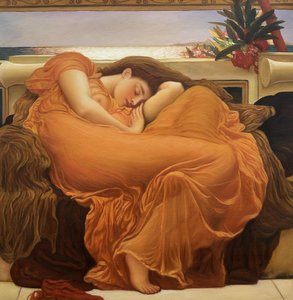
アーティストの略歴
光に満ちた人生:フレデリック・レイトン卿の世界
1830年、イングランドのスカボローで生まれたフレデリック・レイトンの道のりは、富裕な家庭環境、優れた教育、そして古典世界への飽くなき探求心という、他に類を見ない組み合わせによって開かれた。彼の祖父がロシア皇帝に仕えたことは、19世紀の芸術家にとってしばしば不安定であった生活から彼を解放し、情熱を追求するための経済的基盤を提供した。この自由は、イタリア、ドイツ、フランスなどヨーロッパ各地への広範な旅行を可能にし、彼はそこで様々な芸術潮流に浸った。これらの形成期において、エドゥアルト・フォン・シュタインレやジョヴァンニ・コスタといった巨匠のもとで学び、アカデミックな正確さ、プレラファエル派の官能性、そして古典古代への深い敬意を融合させた独特のスタイルを確立し始めた。17歳の時、フランクフルトで出会った哲学者アルトゥール・ショペンハウアーの肖像画は、彼が残した唯一の全身像である。この出会いは、レイトンの知的な深さと、彼の芸術作品に何十年にもわたって浸透していくであろう人間の条件を探求することへの関わりを示唆している。神話と歴史を織りなす絵画
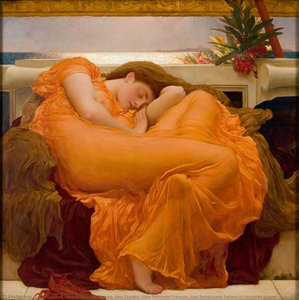
レイトンの芸術的キャリアは、歴史的物語、聖書の逸話、そして古典的神話に魅了された時代に花開いた。彼はこれらの主題を単に描写するのではなく、衣装、背景、古代生活のニュアンスを綿密に研究し、信憑性と劇的な説得力を持つ作品を生み出した。彼の絵画は単なる表現ではなく、神々、英雄、忘れ去られた帝国の世界へと観客を誘う没入型の体験であった。クリティエは、彼の最も有名な作品の一つであり、そのアプローチの典型である。この絵画は、太陽神アポロンを慕うニンフ、クリティエがヒマワリに変身する姿を描いている。それは単なる美しいイメージではなく、報われない愛、憧れ、そして自然の変容力—息を呑むような詳細と内側から輝き出すかのような光沢によって表現された探求である。ダフネフォリアは、アポロン神に捧げる行列を描いており、レイトンの構図、色彩、キャンバス上で動きとエネルギーをとらえる能力を示している。彼は豊かな質感、豪華な生地、そして劇的な照明を恐れずに取り入れ—これらの要素が彼の作品の純粋な視覚的壮大さに貢献した。キャンバスを超えて:彫刻と建築へのビジョン
主に画家として知られているレイトンであるが、彼の芸術的野心は二次元の世界にとどまらなかった。彼は才能ある彫刻家であり、1888年から1891年にかけて制作されたアスリートが蛇と格闘する姿は、イギリス彫刻における転換点となり、「ニュー・スカルプチャー」と呼ばれる現代彫刻の実践の再生を促したと言われている。この作品は、純粋な白い大理石で彫られ、肉体的な力と劇的な緊張を具現化している。しかしレイトンの創造的ビジョンはそこで終わらなかった。彼はまた、特に近東の美術品や工芸品の熱心な収集家でもあった。これらの宝物は単に展示されるだけでなく、彼の家の構造そのものに組み込まれていた—ロンドンのホランド・パークにあるレイトン・ハウスである。ジョージ・エイチソンによって設計されたレイトン・ハウスは、それ自体が傑作であり、美学の素晴らしい例である。象徴的なアラブホールは、複雑なタイル細工とそびえ立つアーチで知られており、レイトンの折衷的な趣味と創造性を刺激し育むための総合的な芸術作品を作り出そうとする彼の願望を証明している。遺産と時代のこだま
レイトンがイギリス美術に与えた影響は深遠であった。彼は1878年から1896年にかけて王立アカデミーの院長を務め、その地位を威厳をもって持ち、芸術的卓越性を擁護し、活気のある創造コミュニティを育成した。彼は1878年にナイトに叙爵され、1886年には準男爵に叙爵され、そして驚くべきことに亡くなる直前の日に貴族の称号を与えられた—これは彼が芸術界だけでなく、それ以上の世界で指揮していた計り知れない尊敬を物語っている。彼の作品は死後しばらくの間、モダニズムの台頭によって忘れ去られていたが、近年、レイトンの芸術への関心は著しく高まっている。今日、彼の絵画と彫刻は、その技術的な輝き、喚起力、そして美と驚異の世界へと観客を誘う能力のために称賛されている。- 彼の作品は今もなおアーティストにインスピレーションを与え、世界中の聴衆を魅了し続けている。
- レイトン・ハウス博物館は、彼の芸術的ビジョンへの永続的なオマージュであり、重要な文化ランドマークとして残っている。
- 彼はヴィクトリア朝の理想、古典の影響、そしてプレラファエル派の感性—イギリス美術史におけるユニークな声が交差する場所を代表している。
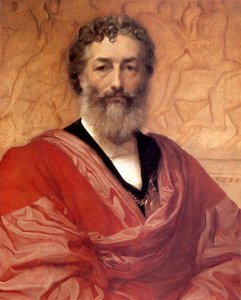
フレデリック・レイトン
1830 - 1896 , イギリス
基本情報
- Artistic Movement Or Style: アカデミック、プレラファエライト
- Artists Or Movements Influenced By This Artist: ['New Sculpture movement']
- Artists Who Influenced This Artist:
- Eduard von Steinle
- Giovanni Costa
- Date Of Birth: 1830年12月3日
- Date Of Death: 1896年1月25日
- Full Name: フレデリック・ロード・ Leighton卿
- Nationality: イギリス人
- Notable Artworks (List Of Titles):
- クリティエ
- Flaming June
- Athlete wrestling python
- Place Of Birth (City And Country): スカボロー, イギリス
関連記事
Sir Frederic Leighton: Aestheticism, Academic Mastery & Victorian Masculinity
Explore the life & art of Sir Frederic Leighton, a master of Victorian Aestheticism. Discover his academic training, sculptural innovations, and captivating depictions of beauty. Expert insights for collectors.

Bronze Sculptures That Defined Art History | ArtsDot
Journey through art history with our Top 10 bronze sculptures! Explore masterpieces by Rodin, Michelangelo & more. Discover stories behind iconic statues and find museum-quality reproductions for your home decor at ArtsDot.com.
ダンテ・ガブリエル・ロセッティ傑作25選:美と象徴が織りなす芸術の世界 | ArtsDot
ダンテ・ガブリエル・ロセッティの傑作25選。プレラファエライトの象徴主義、美しい女性画の世界へ。油絵やアートプリントで、リビングや寝室を彩るインテリアアートを見つけましょう。ArtsDot.comで名画コレクションを探索。

The Enduring Form: Exploring Themes & Techniques in Sculpture Across Historical Periods
Explore the rich history of sculpture from ancient masterpieces to contemporary innovations. Discover key techniques, influential artists & investment potential for discerning art collectors.

Bronze Age to Modern Masters: 10 Sculptures That Redefined Art | ArtsDot
Journey through art history with 10 legendary bronze sculptures – from Michelangelo's David to Rodin’s Thinker. Explore the stories, techniques & timeless beauty of these masterpieces. Find museum-quality reproductions & elevate your home decor on ArtsDot.com.